
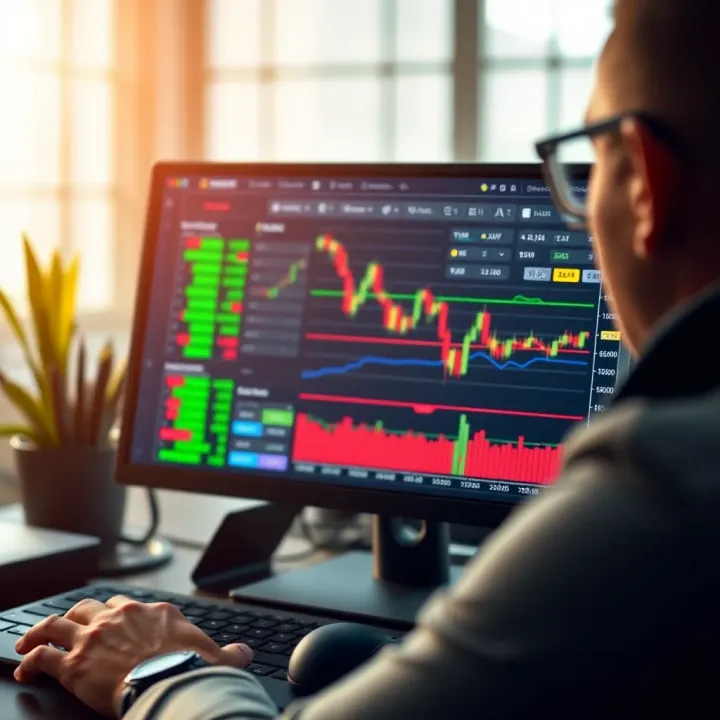
Binary Option Robots: A Clear Review for South African Traders
🤖 Explore how binary option robots work for South African traders, uncover their benefits and pitfalls, and learn how to spot scams before investing your Rands.
Edited By
Victoria Hayes
Binary option robots have made their mark in the trading world, especially among those looking for a hands-off approach to the fast-paced financial markets. These automated systems use preset algorithms to identify and execute trades, aiming to capitalise on short-term price movements.
At their core, binary option robots are software tools designed to trade binary options — a form of contract where the payoff depends entirely on a yes/no outcome, like whether a stock’s price will rise or fall within a certain timeframe. Instead of manually clicking through trades, the robot does this automatically based on its programmed strategy.
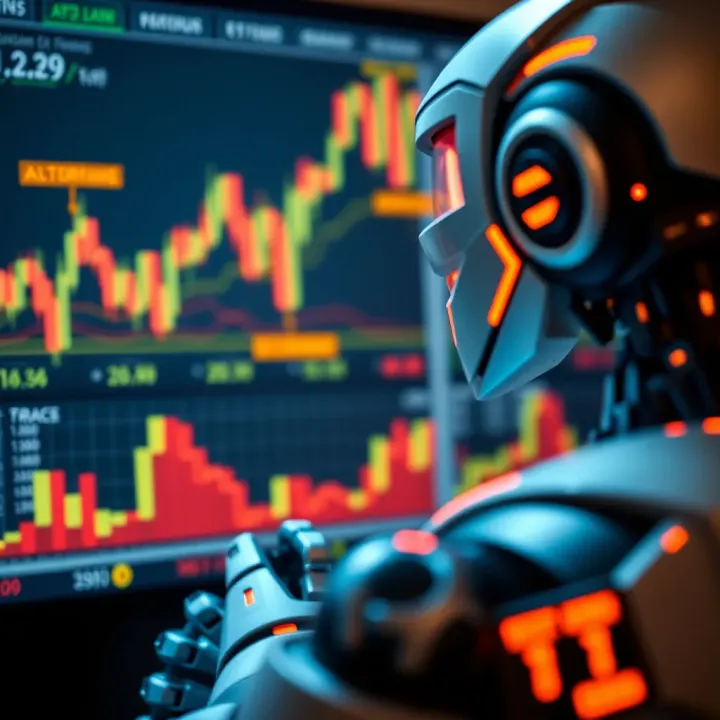
Using these robots can appeal to traders who want to remove emotional guesswork from decisions. For instance, if a robot identifies a pattern suggesting the price of gold will increase within the next 15 minutes, it will place the trade without hesitation. This speed and discipline make automated trading tempting.
That said, it’s not all plain sailing. Automated binary trading can carry risks, especially if the robot's algorithms lack adaptability or are based on flawed data. South African traders must also be extra cautious about the legitimacy of service providers due to a crowded market prone to scams.
Remember, while robots can speed up trades, they still rely on historical data and pre-coded rules that may not always adjust well to sudden market shocks like Eskom load shedding impact on commodity prices or unexpected global events.
Key features that separate decent binary option robots from poor ones include:
Transparent trading history and verifiable results
Adjustable settings to suit different risk profiles
Clear information on fees and withdrawal processes
Support for brokers regulated by trustworthy bodies
By understanding how these robots operate and what to watch out for, you can better gauge if automated binary options fit into your strategy or if sticking to manual trading suits your style more. This foundation will help you make an informed call before handing over your trading reins to a machine.
Understanding how binary option robots operate is key for anyone considering automated trading in this space. These robots use algorithms to place trades on your behalf based on specific rules and market signals, aiming to simplify the decision-making process and speed up execution. This section breaks down the nuts and bolts of binary options trading and how automation fits in, so you get a clearer picture of what to expect and what to watch out for.
Binary options trading is pretty straightforward compared to other investing methods. Essentially, you decide whether the price of an asset will go up or down within a set timeframe — a simple yes or no. For example, you might predict that the price of gold will be higher in the next 15 minutes. If you're right, you make a profit; if not, you lose your stake. This simplicity is attractive, especially for new traders, since it doesn’t require complex strategies or constant market monitoring.
These trades usually cover popular assets such as stocks, indices, currencies (forex pairs), and commodities. For instance, South African traders might pick assets like the JSE Top 40 index, the USD/ZAR currency pair, or global commodities like oil and gold. Having a diverse range of assets allows traders to work with markets they’re familiar with or those that suit different risk appetites and trading strategies.
Binary option robots rely on programmed algorithms to identify trading opportunities based on price movements, trends, and other technical indicators. Think of the robot as a very fast assistant scanning through market data and executing trades when conditions meet preset criteria. For example, it might spot a sudden spike in the EUR/USD pair during trading hours and buy a call option expecting the price to rise shortly after. These signals come from analysing patterns or using indicators like moving averages or RSI (Relative Strength Index).
Most robots allow you to customise your risk level, trade size, expiry times, and the assets you want to trade. This means you can tailor the robot’s behaviour to suit your trading style or goals. For example, a cautious trader in Gauteng might set smaller trade amounts with more conservative expiry periods, while a more aggressive trader might choose larger stakes and shorter expiries to try catching quick market moves. This customisation helps maintain control and aligns the automation with your personal risk tolerance.
Automated trading isn’t about handing over your money blindly; it’s about combining the speed of technology with your input and control to navigate the markets more efficiently.
Understanding these basics arms you with the knowledge to assess whether binary option robots fit your trading preferences, and how you might best set them up for your needs.
Binary option robots bring several practical advantages for traders, especially in markets like South Africa where accessibility and timing are critical. Understanding their benefits helps traders decide whether these tools fit their style and goals.

One key advantage of binary option robots lies in their ability to execute trades extremely fast. The algorithms behind these robots scan market data and place trades instantly when conditions match pre-set criteria. This speed is something even the most experienced human trader struggles to match. For example, if the price of a JSE-listed stock suddenly dips but meets a forecasted pattern, the robot can open a trade within seconds, capturing potential profit where the opportunity might vanish quickly. Fast execution therefore reduces missed trades and increases chances of acting on favourable signals.
Automated trading shields users from common emotional traps like fear and greed, which often cause impulsive or poorly timed trades. By sticking to programmed rules, the robot eliminates the guesswork and second-guessing that trip up many traders. Consider how a trader might hesitate to close a losing position out of hope it will recover, wiping out capital. A binary option robot cuts through this hesitation by following a clear strategy without emotional bias. This discipline can improve consistency and protect your investment from knee-jerk reactions, particularly useful during volatile sessions.
Markets don’t sleep, but traders certainly do. A major benefit of binary option robots is their ability to monitor markets 24/7, including outside South African market hours. This is a huge plus for retail investors/freelancers who cannot watch markets constantly during work or sleep hours. Robots can scan multiple assets simultaneously and identify short-lived trading signals around the clock. For example, if a forex binary option linked to USD/ZAR spikes overnight, the robot can act fast, capturing opportunities without your manual intervention. Continuous monitoring ensures you don’t miss trade chances simply because you were away from your computer or mobile device.
While robots offer clear practical benefits, they should complement — not replace — human oversight and sound risk management strategies. The combination of speed, discipline, and constant attention makes them valuable tools in a trader’s arsenal, especially when used wisely in South Africa’s dynamic trading landscape.
These benefits illustrate why many traders consider adding robots into their binary options toolbox, though it's always wise to combine automation with personal knowledge and caution.
When considering binary option robots, it's essential to weigh the risks alongside the potential benefits. These automated systems promise convenience, yet they are not foolproof. Understanding their limitations helps you avoid costly mistakes and manage expectations realistically.
Many binary option robots boast high success rates or guaranteed profits, but reality often tells a different story. The performance of these robots depends heavily on the quality of their algorithms and the data they process. For instance, a robot might perform well in stable market conditions but falter during unexpected events like sudden currency swings or political unrest. This inconsistency means that reliability claims should be met with caution. It's worth noting that some providers showcase back-tested results without revealing real-world performance, which can be misleading.
The binary options market has attracted a fair share of unscrupulous operators, especially those offering robots. Unlicensed providers might promise outstanding returns while lacking transparency or proper oversight. This is especially risky in South Africa, where the Financial Sector Conduct Authority (FSCA) regulates financial products but cannot oversee all offshore services. Traders may fall prey to scams involving fake trading platforms, manipulated price feeds, or withdrawal restrictions. To mitigate this risk, always verify whether a robot’s developer is FSCA-approved or linked to reputable brokers.
Beware: If an offer seems too good to be true, such as guaranteed double-digit returns with no risk, it likely is.
Binary option robots operate using pre-set rules, which means they are ill-equipped to handle extreme market volatility or sudden news events. Take, for example, Eskom’s load-shedding announcements or unexpected Reserve Bank interest rate shifts – such factors can drastically impact asset prices within moments. Robots typically lack the judgement to pause trading or adapt strategies in real time, unlike human traders who might step back to reassess.
Moreover, most algorithms follow historical price patterns, which are not always reliable indicators of future movements. This limitation underlines why robot trading should not replace careful monitoring and occasional manual intervention.
In summary, binary option robots are tools that come with notable risks related to reliability, fraud, and market unpredictability. Understanding these issues is crucial before committing funds. Employing careful research, sticking to regulated platforms, and balancing automated trades with your oversight safeguard your interests in South Africa’s trading environment.
Choosing the right binary option robot requires a close look at several key features that directly impact your trading experience and outcomes. These features help you assess the robot's reliability, suitability to your trading style, and integration with your existing tools.
Transparency is vital when picking a binary option robot. A reputable developer openly shares who they are, their business background, and how the robot operates. For example, a trusted developer might provide detailed whitepapers or user documentation explaining the algorithms behind their software. Lack of clear information often signals caution, as some unscrupulous providers hide behind vague identities or offer unrealistic promises of guaranteed profits. In South Africa, where regulatory oversight is growing but still developing, verifying this transparency helps protect traders from scams.
No two traders have the same approach, so the ability to customise robot settings is essential. Good binary option robots let you adjust parameters like risk tolerance, asset selection, and trade duration. For instance, one trader might want to limit trades only during volatile market hours, while another prefers conservative positions with lower risk. Customisation ensures the robot behaves more like a partner tailored to your strategy rather than a rigid tool. In practice, this means you can start with default settings but tweak them as you gather more data on what works best for you.
Before committing any capital, checking a robot’s track record and real user feedback is indispensable. A well-established robot usually has transparent performance stats showing historical gains and losses over months or years. Look beyond polished marketing by exploring independent reviews and forums where South African traders share honest experiences. Beware of overly positive reviews that seem fake or from new accounts. A balanced view helps you understand potential pitfalls and realistic expectations, which is better than relying on hype.
A binary option robot’s effectiveness also hinges on its compatibility with reliable and regulated trading platforms. For South African users, this means ensuring the robot connects smoothly with platforms that follow Financial Sector Conduct Authority (FSCA) rules and offer secure transaction processing. Popular platforms like IQ Option or Pocket Option might have varying levels of robot integration, so confirm before making any purchase. Using a robot that supports trusted platforms reduces technical glitches and supports faster trade execution, which can make a real difference in volatile markets.
Choosing a binary option robot without checking these key features is like driving a bakkie without brakes—you might get somewhere fast, but at what risk?
By carefully considering transparency, customisation, performance history, and platform compatibility, you place yourself in a stronger position to use automated trading effectively and responsibly.
When trading binary options with automated systems, it's vital to grasp the legal framework governing these products in South Africa. Knowing the rules helps protect traders from unscrupulous operators and ensures compliance with local laws. Given the rise of binary option robots, understanding how regulation applies isn't just academic—it’s practical for anyone serious about trading safely.
The Financial Sector Conduct Authority (FSCA) is South Africa's watchdog for financial services, including trading platforms and automated tools like binary option robots. Its role includes licensing and supervising providers to safeguard consumers. If a binary options broker or robot developer holds FSCA approval, it signals that they meet certain standards of conduct and transparency.
For instance, South African traders should prefer using platforms regulated by the FSCA since unlicensed operators often lack the resources and accountability to protect client funds. The FSCA also issues warnings about known scam operations, helping you steer clear of them.
The market has no shortage of binary options services that operate without a licence. Trading with these unregulated providers can lead to considerable risks, including non-payment of winnings, poor trading conditions, and outright fraud. A common pitfall is falling for flashy advertising that promises guaranteed profits but lacks proper oversight.
For example, a trader might sign up for a robot claiming near-perfect accuracy but soon struggle to withdraw any funds. This scenario is sadly too familiar in the South African context, where many fall victim to such schemes. The lack of FSCA regulation makes it difficult to pursue legal recourse.
South African traders have avenues to protect themselves and flag suspicious activity. The FSCA provides a platform for filing complaints against brokers and service providers that seem dubious. Reporting these cases assists authorities in tracking and shutting down unlicensed operations.
Besides complaints, traders should keep an eye on red flags such as unsolicited calls pushing the use of robots, pressure to deposit large sums quickly, or refusal to disclose trading strategies clearly. Consumer education is key—knowing your rights and the scope of FSCA protections can help prevent falling foul of scams.
Always verify if the binary options robot or broker is FSCA-registered before committing any funds. Your financial safety depends on dealing with licensed, transparent providers.
In summary, understanding South Africa’s regulatory environment not only helps avoid common pitfalls but also empowers traders to engage in binary options with greater confidence. Staying informed about FSCA oversight, steering clear of unlicensed providers, and using consumer protection mechanisms are practical steps that protect your investment and peace of mind.
Binary option robots can offer a neat shortcut into automated trading, but relying on them blindly is a recipe for trouble. For South African traders, these tools come with a unique mix of opportunities and risks, especially given local regulations and market conditions. The following practical advice can help you make sense of binary option robots and how best to incorporate them into your trading strategy.
Before you put actual Rand on the line, using demo accounts is crucial. Demo accounts simulate real trading conditions without risking your money, giving you a chance to see how the robot performs under various market movements. For example, if you’re testing a robot that trades in the JSE’s Top 40 shares or forex pairs like USD/ZAR, you can observe how quickly it reacts to market shifts during high volatility caused by local events like changes in SARB interest rates or political announcements. This kind of testing ensures you understand the risks and can spot any quirks or bugs before going live.
No robot is a one-size-fits-all solution, especially since market conditions aren't static, and binary options require timing and precision. Keep an eye on your robot’s parameters and tweak them if necessary. Say the bot’s default settings are suited for a calm market, but Eskom load shedding causes sharp price movements; you might want to widen your expiry times or reduce trade sizes. Regular reviews prevent overexposure to risk and help maintain the balance between automated efficiency and cautious trading.
While automation can take off some pressure, relying solely on robots without manual oversight is unwise. It’s advisable to combine robot trading with your own market knowledge and intuition. This means setting limits on how much capital the robot controls and stepping in to override trades when you notice unusual market activity or suspect the algorithm isn’t adapting well. For example, during unexpected events affecting the Rand or commodity prices, your intervention could prevent losses that the robot, working off past patterns, might not foresee.
Combining automation with human judgement is key — automated tools can speed up execution but don’t replace the need for active, informed decision-making.
In all, incorporating these practical steps strengthens your approach to binary option robots, helping you navigate South Africa’s specific market landscape with greater confidence and control.
🤖 Explore how binary option robots work for South African traders, uncover their benefits and pitfalls, and learn how to spot scams before investing your Rands.

Explore gender non-binary identities 🌈, lived experiences, and their impact on South African culture, law, and healthcare for broader understanding.

📈 Learn how to trade forex in South Africa safely and smartly. Understand currency moves, key influencers, and trading tips for local and global platforms.
📈 Learn how binary option trading platforms work, spot key features, understand local risks, and make informed choices with insights tailored for South African traders.
Based on 8 reviews