
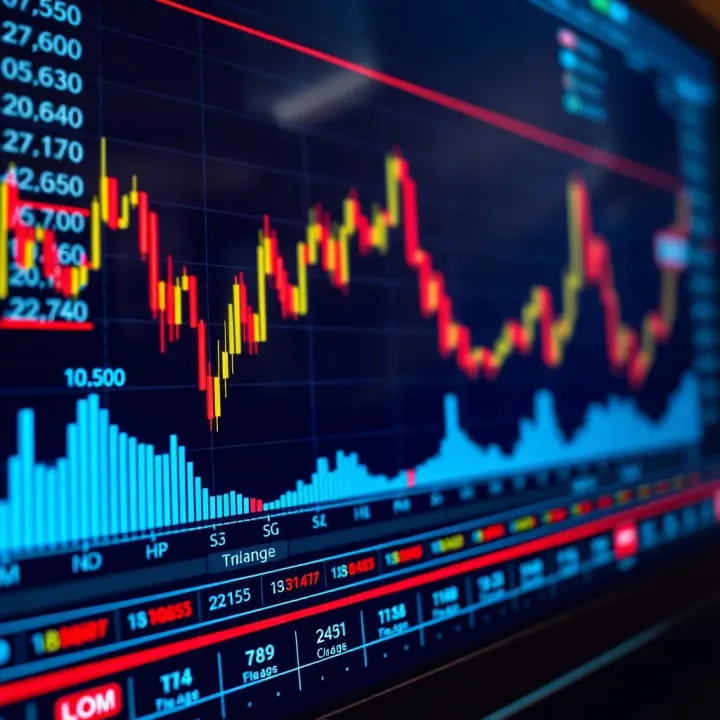
Forex Trading for Beginners: Start Smart Today
🔍 Curious about forex trading? Learn the essentials, spotting reliable brokers, managing risk, and mastering platforms to kickstart your trading journey with confidence in South Africa.
Edited By
Liam Walker
Forex trading refers to buying and selling currencies in the global foreign exchange market. For traders in East London, South Africa, this market offers opportunities to benefit from currency fluctuations, but it’s important to get the basics right before diving in.
South Africa’s forex market is influenced by both local and international factors. The Rand (ZAR) often reacts sharply to shifts in government policy, commodity prices, and global events. This makes timing and strategy crucial when trading from East London.
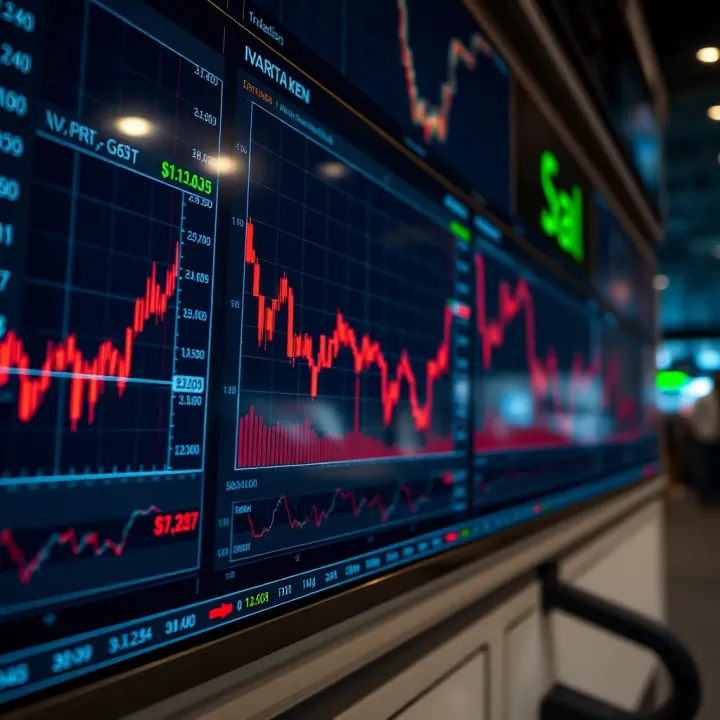
A practical starting point is understanding the role of licensed brokers. The Financial Sector Conduct Authority (FSCA) regulates forex trading in South Africa to protect traders against scams and unfair practices. Choose brokers authorised by the FSCA or reputable international firms that offer transparent pricing and reliable platforms.
Note that exchange control rules still apply in South Africa. While private individuals can trade forex freely, large transfers of funds abroad may require approval through SARS and the South African Reserve Bank (SARB).
Connectivity also plays a significant part. East London has decent internet coverage, but sudden outages or slow speeds during loadshedding can disrupt trades. Many traders use backup power solutions or mobile data to avoid missing critical movements.
For locals looking to get started, a few practical tips:
Open a demo account with a trusted broker to practise without risking capital.
Follow currency pairs involving the Rand and major currencies like the US Dollar (USD), Euro (EUR), and British Pound (GBP).
Keep an eye on domestic political developments and Eskom’s load-shedding schedules, as these often create volatility.
Familiarise yourself with trading platforms commonly used in South Africa, such as MetaTrader 4/5 or broker-specific apps.
By understanding how local factors intersect with global forex trends, East London traders can approach the market strategically and with confidence.
Getting a solid grip on the basics of forex trading is vital, especially if you're trading from East London or anywhere else in South Africa. Forex trading involves buying and selling currencies to profit from their fluctuating exchange rates, but it’s not just about guessing which way the rand will swing. Knowing how the market works and what influences currency movements gives you a much stronger chance to make informed decisions instead of blindly hoping for profit.
Forex trading, short for foreign exchange trading, is basically the global marketplace for exchanging national currencies against one another. It’s the world’s largest financial market, with daily trading volumes topping $6 trillion. Since currencies are always in flux due to economic events, politics, and market sentiment, forex traders look to exploit those shifts for profit. For example, a South African trader might buy US dollars with rands if they believe the dollar’s value will rise against the rand.
The forex market operates 24 hours a day across various financial centres worldwide, so there’s always a chance to trade — even from your phone while on a koppie hike. But unlike stock markets, it doesn’t have a central exchange, so trading happens electronically via broker platforms.
Major currency pairs are the backbone of forex trading. These pairs involve the world’s most traded currencies, like the US dollar (USD), euro (EUR), British pound (GBP), and Japanese yen (JPY). Their high liquidity and tighter spreads make them attractive for traders everywhere, including in South Africa. For instance, USD/ZAR is a significant pair for locals because it reflects how many rands you get per US dollar, directly impacting import costs, travel budgets, and investment returns.
The South African rand (ZAR) plays a unique role in forex trading locally. As an emerging market currency, the rand can be more volatile than major currencies, reacting strongly to local economic news like interest rate decisions by the South African Reserve Bank or political developments. If, for example, inflation rises unexpectedly, the rand might weaken, offering both risk and opportunity for forex traders.
Local market hours add another layer to consider. While the forex market runs continuously worldwide, your prime trading hours from East London align with the overlap of the London and New York sessions, roughly from 3 pm to 8 pm SAST. This window tends to see higher trading volumes and volatility for the rand. Outside these hours, liquidity can dip, leading to wider spreads and less favourable trading conditions.
Understanding these basics helps traders avoid jumping in blindly. A well-informed approach to forex trading means knowing when to trade, which pairs to watch, and how global and local events can shift the market in a heartbeat.
Mastering these fundamentals lays a strong foundation to build strategies that fit your risk appetite and lifestyle right here in East London.
Understanding the regulatory landscape is vital for anyone considering forex trading in South Africa. It ensures your trading activities comply with local laws and helps minimise risks from unscrupulous operators. The Financial Sector Conduct Authority (FSCA) shoulders the responsibility for overseeing financial markets, including forex brokers. This section breaks down key regulatory aspects traders in East London should keep in mind.
FSCA registration confirms that a broker meets prescribed standards of financial soundness and ethical conduct. Brokers licensed by the FSCA have undergone checks on their operational systems, client fund protection, and dispute resolution processes. For a South African trader, this registration is a basic safety net. For example, if you sign up with an FSCA-approved broker, you can expect transparency in fees and order execution.
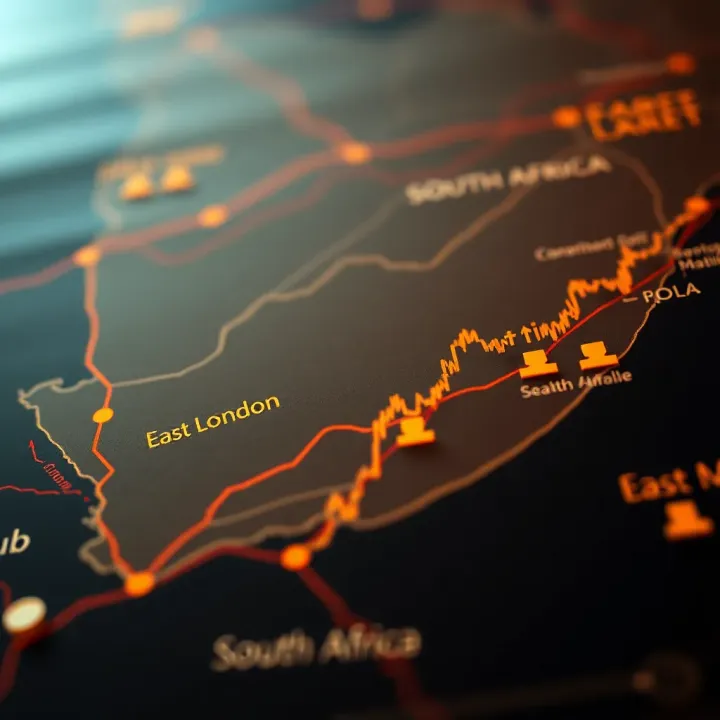
Using an FSCA-registered broker also means you have a formal avenue for complaints if things go sideways. In contrast, offshore brokers without FSCA oversight may offer tempting promotions but lack local accountability, which often leaves traders stranded when issues arise.
The FSCA enforces rules designed to protect traders from unfair practices like price manipulation or withholding withdrawals. Besides licensing, brokers must regularly report their financial health and client transaction records to the FSCA. These measures help weed out bad actors early and maintain market integrity.
Moreover, South African regulations often require brokers to segregate client funds from their operating capital. This practice reduces the chance of losing your trading capital in case a broker faces financial trouble. While no regulation guarantees profits or zero risk, these controls add a layer of protection seldom found outside regulated environments.
Traders should be vigilant about brokers lacking FSCA registration or operating under dubious licensing from unrecognised jurisdictions. A common tactic by rogue brokers includes aggressive marketing, high leverage offers well beyond FSCA limits, and promises of guaranteed returns.
Watch out for websites with poor contact details, unclear fee structures, or pressure tactics to fund accounts quickly. Many unlicensed brokers base themselves offshore to escape stringent regulations, making it tough for South African traders to seek legal recourse.
Start by checking the FSCA's official register for authorised brokers. Simple steps such as verifying broker details and reading up on trader reviews can save you headaches. When choosing a broker, opt for those that provide clear educational resources and transparent trading terms.
Also, consider trading platforms that offer demo accounts. Testing these allows you to gauge the broker’s execution speed and reliability without risking real money. Lastly, avoid brokers that constantly upsell products or use pushy sales tactics. If something feels off, it’s often best to back away and look elsewhere.
Sticking to FSCA-regulated brokers and remaining alert to common warning signs goes a long way in safeguarding your forex trading experience. This not only protects your capital but also builds a solid foundation for confident trading in East London's market.
Choosing a good forex broker and trading platform is key for traders in East London. It’s not just about picking anyone with flashy ads; the right broker and platform offer safety, reliability, and a smooth trading experience. Especially in South Africa, where forex trading regulations are tightening and the market can be volatile, having a trusted partner makes a real difference.
Several brokers hold a solid presence in South Africa, making them popular choices for East London traders. Firms like IG Markets, HotForex, and XM offer services tailored to the local environment, including compatibility with South African regulations and support for the rand (ZAR). Local familiarity means more responsive customer service and payment options suited to South African banking.
These brokers provide a range of account types from standard to ECN (Electronic Communication Network) accounts, catering for beginners and seasoned traders alike. For example, IG Markets offers flexible accounts with competitive spreads and no requotes, while HotForex provides micro accounts for smaller capital traders. Choosing an account type depends on your risk appetite, trading style, and the amount you want to commit.
Platforms like MetaTrader 4 (MT4), MetaTrader 5 (MT5), and cTrader are among the most widely used with brokers in South Africa. Each has its merits: MT4 is known for its stability and user-friendly interface, great for beginners, whereas cTrader offers advanced charting features and more order types favoured by active and technical traders. The choice often boils down to your personal preference and the tools you need.
With data costs and internet reliability in mind, mobile trading is increasingly important for East London traders. All these platforms offer mobile apps, but their performance varies. MT4 and MT5 apps are light and consume less data, which helps during periods of loadshedding or limited connectivity. cTrader’s mobile app, while feature-rich, can be more demanding on data. Traders should test these apps to see which suits their trading hours and connectivity.
Selecting the right broker and platform is not just about features but also about how well they fit your local trading conditions in East London.
In summary, take the time to compare brokers' local reputation, regulatory compliance, account types, and platform usability. Align your choice with your trading goals and the realities of your internet access to trade confidently and securely.
Trading forex without a solid strategy is like trying to cross a rondavel blindfolded. For South African traders, having effective trading strategies is key to navigating currency markets that can swing unpredictably, especially with the rand's usual volatility. These strategies help you make sense of market movements, spot opportunities, and shield your capital against unnecessary losses.
The value of the South African rand (ZAR) doesn’t exist in a vacuum—it’s sensitive to local political developments, economic data, and even Eskom’s load shedding schedules. For example, when inflation reports come out higher than expected or the South African Reserve Bank (SARB) changes the repo rate, the rand can either strengthen or weaken sharply. Traders who track these events can anticipate potential currency shifts and adjust their positions accordingly.
Political instability or unexpected policy changes may also spook investors, causing abrupt rand depreciation. Take the recent debate around land reform and how uncertainty around its execution led to spikes in rand volatility. Keeping an eye on such developments lets you stay ahead instead of scrambling to catch up.
Economic reports, such as trade balance, GDP growth, and unemployment figures, serve as trading north stars when doing fundamental analysis. These releases offer clues about South Africa’s economic health and influence how the rand trades against major currencies like the US dollar or euro.
Glancing through the latest SARB Monetary Policy Committee statement or Stats SA’s employment figures can give you insights on whether the rand might rally or falter. Setting alerts for these data releases and reading multiple sources, like BusinessTech or Moneyweb, help you avoid surprises. In fact, many local traders schedule their trades around these announcements to capture volatility or protect profits.
Technical analysis involves studying price charts to identify trends and possible turning points. Common tools you’ll see in a South African trader’s toolkit include moving averages, the Relative Strength Index (RSI), and Bollinger Bands. For instance, if the 50-day moving average crosses above the 200-day moving average (known as the golden cross), it signals an upward trend worth considering.
Chart patterns like head and shoulders or double bottoms can predict reversals, helping you time entries and exits better. While fundamental analysis tells you why the market moves, technical analysis shows you how it behaves. Using both in tandem strengthens your decision-making.
Even the smartest traders aren’t immune to unexpected market moves. To protect your capital, stop-loss orders let you automatically exit a trade if the price hits a certain level against you. Similarly, take-profit orders lock in gains once your price target is reached.
For example, if you buy USD/ZAR at R15.00 aiming for R15.50, setting a stop-loss at R14.80 limits your loss if the rand surprises you by strengthening. This risk management tactic prevents one bad trade from wiping out weeks of good work. It’s a practice every forex trader in East London should adopt to navigate the local market safely.
Mastering both fundamental and technical strategies is like having a reliable bakkie and a map in the veld: one gets you through rough terrain, the other ensures you don't get lost.
Effective strategies keep South African traders prepared for rand swings, news shocks, and the fast pace of global forex markets, helping you trade smarter, not harder.
Forex trading in East London comes with its unique set of challenges, shaped by local economic conditions and infrastructure realities. Traders here must navigate both the natural ups and downs of the rand as well as practical hurdles like access to reliable internet. Understanding these concerns helps build effective strategies and safeguards to improve trading outcomes.
Understanding rand volatility is vital for any trader active in South Africa. The rand often swings sharply due to factors such as changes in commodity prices, political developments, or shifts in global markets. For instance, international demand for minerals like platinum and gold can push the rand stronger or weaker within days. This rapid movement can impact forex trades significantly, turning what might be a promising position into a loss if you’re caught off guard.
Approaches to protect your capital against these fluctuations include using stop-loss orders to limit downside risk and diversifying trades across multiple currency pairs rather than relying just on ZAR pairs. Keeping an eye on South African Reserve Bank policy changes and major economic reports can also help anticipate periods of increased volatility. Many seasoned traders set aside just a small portion of their portfolio for rand-based pairs, balancing the rest with more stable currencies like the US dollar or euro.
Impact of loadshedding on trading cannot be overstated in East London. Scheduled power outages disrupt internet connections and computer use, throwing a spanner in the works during crucial market hours. Imagine placing a trade only to lose power mid-execution because Eskom has switched off your area for stage 2 loadshedding. Such interruptions can lead to missed opportunities or unintended losses, especially for those who rely on live charts and timely order placements.
Options for staying connected during outages include investing in backup power solutions like inverters with solar panels or uninterruptible power supplies (UPS) that can keep your router and computer running for a while. Some traders also use mobile data plans with generous data bundles as a fallback, connected through a phone’s hotspot. Additionally, arranging a workspace at a friend's house or an internet café in East London with more stable power can safeguard your trades when loadshedding strikes your home.
For East London traders, adapting to these realities isn't just sensible—it's necessary. Being proactive about the rand's quirks and having a robust plan for power interruptions can make the difference between steady profits and frustrating losses.
By addressing these local challenges head-on, forex traders here will be better placed to manage risks and maintain confidence in their trading journey.
🔍 Curious about forex trading? Learn the essentials, spotting reliable brokers, managing risk, and mastering platforms to kickstart your trading journey with confidence in South Africa.
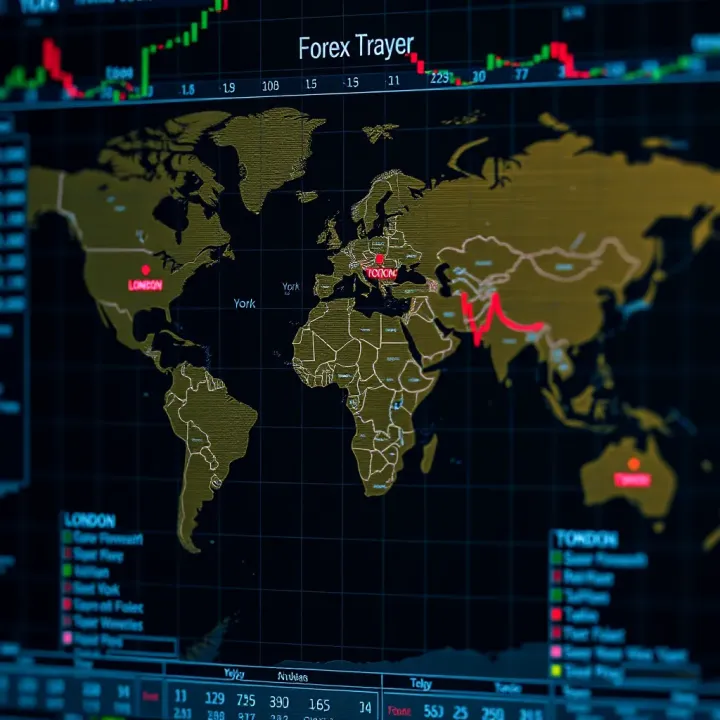
📅 Discover how the forex trading calendar affects currency movements, key sessions & economic events, plus tips for South African traders to plan and trade smarter.

🌍 Discover essential tips for trading forex in the UK—broker selection, regulations, tax guidance and how Brexit reshapes the market landscape. Trade smarter today!
🌍 Learn forex trading basics, market operation, strategies, and risk management. Perfect for beginners in South Africa and worldwide ready to trade confidently!
Based on 9 reviews