
Understanding Free Binary Signals in Trading
📊 Discover how free binary signals work, their pros and cons in binary options trading, and tips to spot reliable sources for smarter trading decisions in South Africa.
Edited By
Sophia Reed
Binary option trading platforms offer a way to speculate on whether the price of an asset will rise or fall within a set timeframe. Unlike traditional trading, traders here choose between two outcomes — usually “up” or “down” — and this simplicity attracts many newcomers and experienced traders alike.
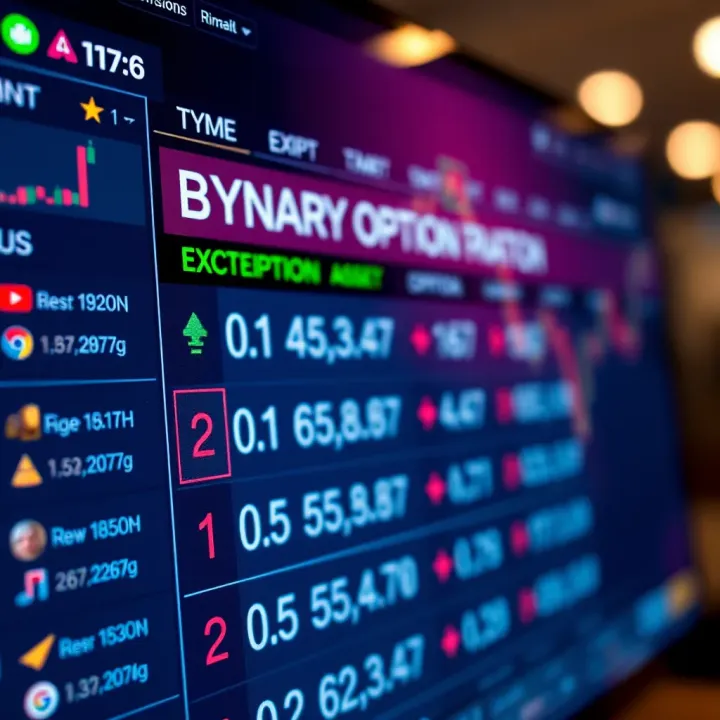
These platforms work by displaying available assets such as currencies, stocks, commodities or indices, alongside fixed expiry times. When you predict the direction correctly, you earn a pre-determined payout; if not, you lose the amount you staked. For example, if you bet R1,000 that the price of gold will climb in the next 15 minutes, and it does, you might receive a return of R1,800 or R1,900, depending on the platform’s terms.
South African traders should be aware that binary options have attracted warnings from financial authorities due to their high-risk nature. The simplicity masks the fact that potential losses can accumulate quickly. It’s crucial to choose platforms regulated by recognised bodies to avoid scams or unfair practices.
Most platforms come in a few flavours:
Web-based platforms: Accessible via browsers, no installation needed. Examples include IQ Option and Nadex.
Mobile apps: Convenient for trading on the go; they often have features optimised for smaller screens.
Hybrid platforms: Combine both, allowing seamless transitions between devices.
When selecting a platform, consider these key features:
Clear payout structure and expiry options
Transparent fees or commissions
Trusted security measures protecting your data and funds
A user-friendly interface with real-time price charts
Customer support accessible during South African business hours
Binary options trading is straightforward, but the risks are not to be underestimated. Understanding how platforms function and picking a trusted provider is the first step to trading smarter and safer.
This guide will break down the types, features, risks, and regulatory landscape, helping you make informed decisions in South Africa’s financial scene.
Understanding how binary option trading platforms work is key for anyone wanting to trade confidently and avoid pitfalls. These platforms provide a straightforward method to speculate on whether the price of an asset will rise or fall within a set timeframe. By grasping their basic principles and operation, you can better judge their suitability for your trading goals and risk appetite.
At its core, binary options trading is about predicting the direction of an asset’s price. For example, say you believe the price of gold will be higher in 30 minutes than it is right now. You place a trade betting on a price increase. If you're right when the time expires, you earn a fixed payout. If not, you lose the amount you invested in that trade. This simplicity appeals because you don’t need to worry about how much an asset moves, just the direction.
The fixed payout and loss structure means you know your potential gains and losses upfront. If a platform offers a 70% payout on a correct prediction and you risk R100, you stand to make R70 profit on that trade. But if the prediction is incorrect, you lose the R100 stake. This clear cut risk versus reward helps traders manage their bankroll better without surprises.
The user interface and trading process on binary option platforms are designed to be simple and accessible. Typically, you log in, select an asset like a stock or currency pair, choose the direction you think it will move, enter your stake, and confirm. Many platforms use clean, intuitive layouts making navigation easy, even for beginners. Having all relevant info—asset prices, time left, and payout ratios—visible helps users make quick, informed decisions.
Regarding the types of assets available, most platforms offer a broad range including forex pairs like USD/ZAR, commodities such as gold and oil, major stock indices, and popular shares. Offering local assets alongside international ones is a useful feature for South African traders wanting to focus on familiar markets or hedge against rand volatility.
Expiry times and trade execution refer to when a trade closes and its outcome is determined. Platforms typically allow expiry from as short as 30 seconds up to several hours or days. Some traders prefer short expiry trades for quick returns, while others opt for longer timeframes to reduce volatility impact. Execution speed is critical—trades should be entered and closed at the prices you see to avoid slippage or unexpected losses.
Knowing exactly how a binary option platform works allows you to approach trading strategically, choose the right assets and expiry times, and manage your risks clearly.
This understanding forms the backbone of successful trading and helps avoid being caught out by unclear terms or platform quirks.
Understanding the types of binary option trading platforms is essential for selecting one that fits your trading style and technical setup. Different platforms offer various levels of access, tools, and security. It's not simply about which platform looks best; rather, it's about usability, reliability, and how well it serves your needs in a fast-moving market.
Web-based platforms run directly through your internet browser, meaning you don't have to download anything. This ease of access makes them ideal for traders who want quick entry without the hassle of installation. They're compatible across devices and operating systems — Windows, macOS, Linux, or Chromebooks. For example, a trader using a basic laptop at a café can load the platform instantly, place trades, and log out without leaving software behind.
While web platforms are convenient, security depends largely on the provider’s measures. Proper encryption and secure socket layers (SSL) are must-haves to protect your data and funds. It’s vital to check whether the platform uses these protections and if it holds licences from recognised regulators, especially important for South African traders who need assurance against cyber risks. Platforms that support two-factor authentication add an extra layer of defence.
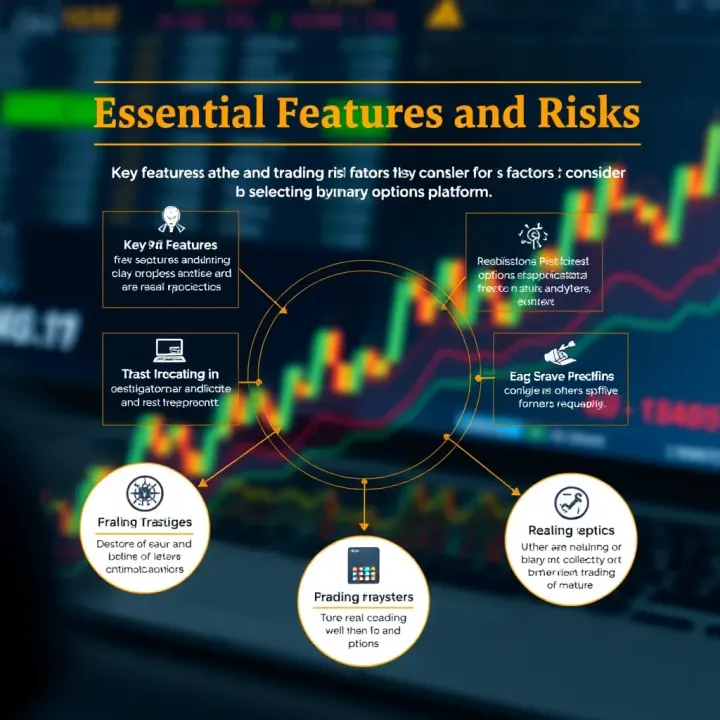
Mobile apps are crafted to fit the smaller screen without sacrificing core functionalities. They often include simplified charting, one-tap trading, and push notifications for important market events. Such apps might integrate biometric login (fingerprint or face recognition) enhancing security on the go. For instance, popular apps like IQ Option or Olymp Trade let your trades sync across devices, making transitions between desktop and mobile seamless.
With mobile trading, you’re not tied to your desk or flat Wi-Fi zones. This flexibility is useful during local and international market hours, when timing can mean the difference between profit and loss. Whether you’re in a taxi heading to work or waiting in line for your favourite coffee shop, you can monitor positions and react swiftly to market movement to preserve gains or cut losses.
Desktop platforms often come with richer analytical options — detailed charts, technical indicators, and backtesting capabilities. Serious traders use these features to plot trade strategies with greater precision. For example, platforms like MetaTrader 4 and 5 offer custom indicators and automated trading bots, something less common on web or mobile setups.
Installed software typically runs faster and more smoothly since it leverages your computer's processing power. This reduces latency, critical when milliseconds matter in binary trading. Desktop applications are less prone to disruptions caused by browser updates or connectivity glitches. Thus, for a trader who prioritises steady performance over convenience, desktop software can be the better bet.
Choosing the right platform type boils down to balancing convenience, security, and the tools you need. Each option has practical perks and some limitations, so understanding these ensures your trading experience is smoother and more controlled.
Choosing a binary option platform isn't just about signing up and placing bets; the features it offers can either boost your trading confidence or trip you up along the way. It pays off to zero in on what matters most: ease of use, variety of choices, security, and support. Let's break down these essential aspects.
Ease of navigation is a top priority. When you open the platform, you want to find your way around without needing a manual. Clear menus, intuitive layouts, and quick access to key functions save valuable time. Imagine trying to catch a price movement on the JSE or a US tech stock — if the interface is clunky, you might miss your opportunity. For example, platforms that display charts and trade options side by side keep everything visible, so you don’t have to keep switching screens.
Customisable trading tools also matter. Traders have different styles; some prefer simple views while others want detailed charts, technical indicators, or risk calculators. A platform letting you tweak tools and layouts to suit your strategy makes trading more efficient. Say you’re following a particular commodity like gold or crude oil; being able to set alerts or adjust expiry times to catch market moves tailored to your approach can make a real difference.
Availability of local and international assets lets you diversify your trades beyond the South African market. Many platforms offer listings from the JSE, but also major global stocks, currencies, and commodities. This spread can help you respond to various market events — a weakening rand one day, or US Federal Reserve decisions the next. Platforms with a good mix allow you to switch focus as conditions change.
Diversity of market sectors is useful too. Not all sectors behave the same. Mining may soar while retail lags, or the tech space might bubble while energy dips. Platforms with a wide sector range let you hedge or capitalise on trends in industries like telecommunications, agriculture, or financial services. This variety lowers the risk of being overexposed to a single market segment.
Data protection measures aren’t just technical jargon. Your platform should protect your personal and financial data with solid encryption, secure login protocols, and regular security updates. Given the rise in cybercrime globally, using a trading site that skimp on security sounds like asking for trouble.
Licences and oversight bodies relevant to South Africa are equally crucial. A platform authorised by reputable entities — such as the Financial Sector Conduct Authority (FSCA) — complies with local laws and practices fair conduct. This provides a layer of protection and legal recourse. Conversely, dodgy platforms without proper licences pose a big risk, so always check these before investing your money.
Availability of local support is a bonus if you hit snags or want clarity on trades. Being able to contact a support team via phone, chat, or email within South Africa avoids time zone hassles and language barriers. It’s especially handy during busy market hours or when urgent matters arise.
Educational materials and tutorials make platforms more than just trading sites. Good platforms offer guides, webinars, and demo accounts aimed at building your knowledge and confidence. For new or intermediate traders dealing with binary options, these resources can shorten the learning curve and help avoid costly mistakes.
Choosing a platform with these key features tailored for the South African context helps you trade smarter and safer, ensuring you’re not just gambling but making informed financial decisions.
Trading binary options comes with a steep risk profile that many newcomers underestimate. It’s essential for traders, especially those in South Africa, to grasp these risks before diving in. Sound risk management not only protects your capital but also sets realistic expectations on potential returns and losses.
Potential for losses and limited gains: Binary options offer a fixed payout if you’re right, but you stand to lose your entire stake if you’re wrong. For example, you might invest R1,000 predicting a share price will go up, with a potential payout of R1,800. If the prediction fails, you lose the whole R1,000. This asymmetry means profits are capped, but losses can be total. Traders should understand this clearly to avoid chasing losses with reckless stakes.
Market volatility impact: The prices of underlying assets can swing wildly, especially in markets like currencies or commodities. When there’s high volatility, predicting short-term price movements becomes more like guessing. For instance, sudden news or political events can cause sharp reactions, making your binary option expiry challenge tougher. Recognising how volatility affects your trades helps you decide when to enter or avoid the market altogether.
Using demo accounts: Most reputable binary option platforms offer demo accounts where you can practise trading without risking real money. This hands-on experience allows you to test strategies, understand platform mechanics, and gauge market behaviour. For example, using a demo account to try trades on the JSE shares can build confidence before committing actual funds.
Setting limits on trades and investments: Discipline is key to surviving in this game. Many suggest not risking more than 1–2% of your total trading capital on a single option. Setting daily or weekly loss limits also prevents emotional decisions. Suppose your trading budget is R20,000—you’d want to avoid placing trades larger than R400 without a solid reason. This approach keeps losses manageable and helps maintain a clear head.
Warning signs of fraudulent platforms: Fake platforms often promise guaranteed profits, push for big upfront deposits, or make withdrawal difficult. For instance, if a platform demands excessive personal info upfront or refuses to provide a licence number, be wary. Foreign binary options firms often exploit South African traders with weak oversight, so vigilance is crucial.
Checking regulatory status and reviews: Always verify if the platform is registered with recognised bodies like the Financial Sector Conduct Authority (FSCA) in South Africa. User reviews on forums like MyBroadband can also reveal red flags—such as delayed payouts or poor customer service. Choosing a regulated platform reduces risk and protects you from losing your hard-earned Rand to dodgy operators.
Managing risk isn’t about avoiding all losses—it's about controlling them so you can trade with a clear strategy and a safety net in place.
By understanding the risks, using proper strategies, and steering clear of scams, you give yourself a better shot at trading binary options responsibly and sustainably.
Choosing the right binary option trading platform is especially important for South African traders due to local financial regulations, payment preferences, and market conditions. A platform that suits your needs can make trading smoother and minimise risks tied to currency conversion, legal complications, and uncertain platform reliability.
South African traders benefit from platforms that accept payments in rand (ZAR) and offer familiar payment methods such as EFT (electronic funds transfer), instant EFT providers, or popular credit and debit cards issued locally. This reduces extra fees from currency conversion and speeds up deposit and withdrawal processes. For example, a platform that supports SnapScan or Zapper as additional payment methods may offer faster funding options relevant to mobile users.
Handling payments in rand also helps traders better track their profits and losses without juggling exchange rates. Some international platforms may only offer US dollars or euros, which can lead to hidden costs or delays. Ensuring currency compatibility is a practical step to avoid headaches.
Binary option trading is not as tightly regulated in South Africa as other financial products, but certain oversight does exist under the Financial Sector Conduct Authority (FSCA). Traders must choose platforms compliant with South African laws or those licensed by credible international bodies. This makes a significant difference in the safety of your funds and your recourse in case of disputes.
Additionally, platforms that observe the Financial Intelligence Centre Act (FICA) for client identification reduce risks of fraud and money laundering. South African traders should always verify a platform's regulatory status and check for warnings from FSCA or other local regulators before investing.
Checking the reputation is key. Word of mouth, online reviews, and feedback from fellow South African traders provide insights into platform reliability, withdrawal turnaround times, and customer service effectiveness. For instance, a platform known to delay payments without clear reasons should raise red flags.
Users often share valuable tips about platform usability and hidden fees that don't feature in official brochures. Forums like MyBroadband or investing groups on social media can be good starting points to get honest feedback tailored to your local context.
Not all platforms charge the same fees; some impose spreads, others have fixed commissions or inactivity penalties. As a trader, understanding the fee structure upfront can save you from unexpected costs eating into your returns.
Look for transparent platforms with clear commission statements and no surprise charges. For example, a platform requiring withdrawal fees each time can quickly add up, especially for frequent traders starting with small budgets. Choosing a low-fee platform, balanced with good service quality, is crucial.
It's wise to start trading binary options with small amounts, especially if you're new to the platforms or the market. This approach lets you learn the ropes without risking too much of your capital.
Many local traders begin with as little as R100 to test platform functionality and market behaviour. Starting small helps you understand trade timing, payout structures, and the impact of fees without facing heavy losses.
Binary option markets can be fast and unpredictable. Constantly updating your knowledge through tutorials, market news, and trading simulations improves decision-making.
Also, regularly reviewing your trading performance and platform experience helps you adjust your strategy or even change platforms if needed. This ongoing process often distinguishes successful traders from those who lose out quickly.
Selecting a platform made for South African users means you'll avoid unnecessary hurdles with payment, regulation, and support. Start small, stay informed, and choose wisely to build a trading practice that stands up to local challenges.
📊 Discover how free binary signals work, their pros and cons in binary options trading, and tips to spot reliable sources for smarter trading decisions in South Africa.

Convert hexadecimal to binary with ease 🔢. Learn the step-by-step process, practical tools, common mistakes, and real-life uses in tech and coding.

Explore the history and impact of the gender binary, cultural influences, and how diverse identities are reshaping society's view on gender 🌍👥🏳️🌈

📊 Explore how binary numbers power computing and the web! Learn their role in digital communication, web tech, and handy tools for binary data use.
Based on 15 reviews