
Understanding Forex Trading for Beginners in South Africa
🌍 Discover how forex trading works, key strategies, and risks in the South African market. Learn to trade currencies wisely and stay informed. 💹
Edited By
James Whitaker
Forex trading, or foreign exchange trading, involves buying one currency while selling another simultaneously. Traders aim to profit from shifts in currency exchange rates, which fluctuate due to economic conditions, geopolitical events, and market sentiment. Unlike the stock market, forex operates 24 hours a day across major financial centres worldwide, making it accessible nearly any time you’re ready to trade.
For South Africans, forex trading offers an alternative investment avenue beyond traditional stocks or property. You can trade pairs like the US dollar (USD) against the South African rand (ZAR), or international pairs such as the euro (EUR) versus the Japanese yen (JPY). This flexibility is appealing, but it also means navigating factors specific to the rand and South Africa’s economic landscape.
Forex trading always involves currency pairs. For instance, if you buy the USD/ZAR pair, you’re buying US dollars while simultaneously selling rand. Profit depends on the exchange rate moving in your favour — if the USD strengthens against the ZAR, your position gains value.
Here’s how you might approach trading:
Open an account with a reputable broker licensed for South African traders.
Deposit money in rand or foreign currency.
Analyse market trends, local and global news, and economic data.
Place buy or sell orders on selected currency pairs.
Monitor trades and manage risk with stop-loss and take-profit orders.
Successful forex trading is not about guessing; it’s about understanding how various factors influence exchange rates and managing risk carefully.
Interest rates: The South African Reserve Bank’s (SARB) repo rate decisions impact the rand’s value.
Economic data: GDP growth, unemployment, inflation figures, and trade balances all play a role.
Political events: Elections, policy changes, or protests can cause sudden swings.
Global events: Shifts in commodity prices, US Federal Reserve moves, or geopolitical instability affect all currencies, including the rand.
By grasping these elements, South African traders can better anticipate market moves and take practical steps to protect their investments.
Next sections will cover choosing brokers, trading platforms, and tips tailored to South African market conditions.
Understanding what forex trading entails is vital before dipping your toes into the world of currency markets. Forex trading, or foreign exchange trading, involves buying one currency while simultaneously selling another. This simultaneous action forms currency pairs, with prices fluctuating based on economic, political, and market forces worldwide. Unlike shares or property, forex markets operate continuously and globally, offering traders an opportunity to act on currency movements day and night.
Forex markets differ from other financial markets mainly due to their scale and accessibility. Stock markets typically involve trading shares of companies limited to exchange hours, while forex is a decentralised market spanning multiple countries and time zones. For South Africans, this means the forex market is available beyond typical Johannesburg Stock Exchange (JSE) hours, fitting various lifestyles and work schedules.
Traders aim to profit from changes in currency values relative to each other. For example, if a trader believes the South African rand (ZAR) will strengthen against the US dollar (USD), they buy the ZAR/USD pair. Should the rand’s value rise, they can sell back at a higher price, pocketing the difference. This speculative edge allows traders to capitalise on currency fluctuations driven by factors ranging from interest rate decisions to global unrest.
Currencies are listed in pairs, reflecting one currency's value against another. These pairs fall into categories: major, minor, and exotic. Majors include the most traded currencies like USD, EUR (euro), ZAR, GBP (British pound), and JPY (Japanese yen). Minors exclude the USD but involve prominent currencies such as EUR/GBP. Exotic pairs combine a major currency with one from an emerging market — for South Africans, ZAR/USD or ZAR/EUR are common exoticks. Understanding the type of pair helps traders gauge liquidity, volatility, and trading costs.
The bid and ask prices represent the cornerstone of trading. The bid price shows what buyers are willing to pay, while the ask price lists what sellers want. The difference, called the spread, is essentially the broker’s fee and a cost to traders. A narrower spread usually means better value and less cost on frequent trades. For instance, a USD/ZAR pair may have a wider spread during South African overnight hours due to lower market activity, increasing trading costs temporarily.
Knowing the mechanics of forex trading and currency pairs lays the groundwork for better decisions. It’s not just about picking a direction but understanding the instruments and pricing to manage costs effectively.
This grasp helps South African traders navigate their entry carefully and align strategies with market realities, such as Eskom-related rand volatility or global events impacting commodity currencies.
Understanding how the forex market works is essential before diving into trading. Unlike stock markets, forex doesn’t have a central exchange or physical location; it functions globally through a network of participants, including banks, brokers, and electronic platforms. This structure means that currency trading is continuous and highly accessible, especially for South Africans keen on tapping into international markets.
Currency trading happens through multiple channels. On one hand, major banks engage directly with one another in the interbank market, moving large sums in real time. Then come brokers who act as intermediaries for individual traders, offering access to the market through various platforms. These brokers often provide user-friendly software where retail traders can buy or sell currencies.
Local traders in South Africa typically access forex through brokers regulated by the Financial Sector Conduct Authority (FSCA). These brokers connect to global liquidity providers so that your trades can be executed quickly and reliably. Electronic trading platforms such as MetaTrader and cTrader have become standard because they offer transparent pricing and fast execution, allowing traders to respond promptly to market moves.
The decentralised setup means prices can vary by platform and broker, so it pays to shop around for the best spreads and fees. Also, because there’s no single market centre, the forex market avoids downtime, unlike traditional stock exchanges.
Forex operates around the clock, five days a week, thanks to regional trading centres across different time zones: Asia, Europe, and North America. This continuous cycle lets traders open or close positions almost any time, which is convenient for South Africans managing trades outside normal working hours.
For example, if you’re busy during South African daytime, you can still catch market action when the Asian session opens at night or the European session kicks off in the early morning. This flexibility is beneficial for those balancing forex with a day job or other commitments.
Having said that, trading volumes and volatility vary during these sessions. The overlap between London and New York sessions typically sees larger moves and tighter spreads, which can present better opportunities. Choosing when to trade based on these sessions can influence your strategy significantly.
Leverage in forex allows traders to control a sizeable position with a relatively small deposit, known as margin. For instance, with 100:1 leverage, a R1,000 deposit lets you trade a position worth R100,000. This can magnify profits when trades move in your favour.
However, the flip side is that losses also get magnified. A small adverse price move can wipe out your deposit quickly if you’re not careful. That’s why understanding leverage’s power and risks is critical for South African traders, especially when local brokers may offer different leverage limits based on regulatory guidelines.
Margin requirements serve as a buffer to cover potential losses. Brokers require you to maintain a minimum balance (margin) relative to your positions. If your account equity falls below this threshold, you get a margin call—a prompt to add funds or close positions. This mechanism helps manage risk but means you need to keep a close eye on your account health.
In essence, leverage can be a double-edged sword: it increases potential earnings and losses. Managing margin well keeps you in the game longer.
In South Africa, where forex trading is gaining popularity, understanding how margin calls work will prevent unpleasant surprises. Always start with smaller position sizes and use stop-loss orders to protect your capital.
By grasping these key aspects—the decentralised market, continuous trading hours, and the leverage-margin relationship—you'll be better equipped to navigate the forex market with confidence and responsibility.
Currencies don't move without reason; various factors push or pull their values daily. Understanding these influences helps traders spot opportunities and manage risks better. Let's focus on four main drivers: economic indicators, and political and geopolitical events, all relevant for South African traders watching both the rand and global currencies.
Interest rates and inflation play a major role in shaping currency values. When a country's central bank raises interest rates, it often attracts foreign investors seeking better returns, which can strengthen its currency. For instance, if the South African Reserve Bank (SARB) hikes the repo rate, investors might buy more rands, pushing its value up. Conversely, high inflation tends to erode purchasing power, causing currencies to weaken. Traders tracking these changes keep an eye on announcements and inflation data, adjusting their positions accordingly.
Employment data and GDP growth signal how well an economy is performing. Strong employment figures usually reflect consumer confidence and higher spending, which can boost the currency. Similarly, robust GDP growth points to healthy economic activity, often leading to currency appreciation. South African traders, for example, might watch Stats SA’s quarterly GDP reports or employment statistics to predict rand movements. A dip in these numbers could indicate trouble ahead, triggering cautious trading or hedging.
Government policies and elections often cause jittery currency markets. Political stability and sound policies usually bolster confidence, attracting investment and strengthening the currency. However, during elections or amid policy uncertainty, currencies can wobble. South Africa's elections or major legislative changes can cause spikes in rand volatility, and savvy traders anticipate these events to position themselves or reduce exposure.
International conflicts and trade relations also weigh heavily on currency values. Trade disputes, sanctions, or conflicts disrupt markets and supply chains, creating uncertainty that can weaken affected currencies. For example, tensions between major economies like the US and China ripple through the forex market. Since South Africa is part of global trade networks, changes in trade relations impact export-driven sectors, influencing the rand’s strength. Traders keep tabs on international news for early warnings about potential moves caused by such geopolitical shifts.
Being aware of these economic and political signals gives you a sharper edge in forex trading. It means not just reacting to price moves but understanding why they're happening.
By tracking these key factors—economic health, political stability, and global events—you build a practical framework for navigating the forex market, especially from a South African viewpoint where local and international influences intertwine closely.
Starting out in forex trading in South Africa means understanding both the global market dynamics and the local regulatory landscape. It's not just about knowing how to buy and sell currencies; South African traders must be mindful of frameworks that protect their funds and ensure fair trading. From picking a reputable broker to managing your trading account, each step shapes your ability to trade confidently and responsibly.
South African traders should prioritise brokers registered with the Financial Sector Conduct Authority (FSCA). This regulator oversees financial services providers to ensure they meet certain standards of conduct. FSCA registration signals the broker operates within South African law, which can safeguard you against fraudulent operations. For example, if a broker falls short of compliance, the FSCA can take action, potentially offering recourse for affected clients.
Beyond regulation, transparent fees play a critical role in your profitability. Some brokers advertise low spreads but tack on hidden charges or fees during deposits and withdrawals. Ensuring a broker lists all costs upfront helps prevent surprises. For instance, a broker might charge a R150 withdrawal fee which, over multiple transactions, can chip away at your earnings. It also pays to assess platform features — smooth execution speeds, mobile-friendly tools, and clear charts support effective trading.
Funding options vary among brokers, so look for those that accommodate South African payment methods and currencies. Some brokers allow funding via EFT (electronic funds transfer), credit/debit cards, or even e-wallets like PayPal or Skrill. Choosing a broker that accepts South African Rand (ZAR) can avoid unnecessary currency conversion fees. For example, if you fund your account in euros, you might lose money converting back and forth.
When opening your trading account, you’ll also choose from different account types. A standard account typically requires higher minimum deposits and offers lower spreads but suits experienced traders aiming for more volume. A mini or micro account allows you to start with less capital, which is ideal for beginners to practise trading with smaller risks. Some brokers also offer demo accounts so you can test strategies without risking real money. Understanding these differences helps align your account with your trading goals and risk appetite.
Selecting the right broker and account setup is like laying a solid foundation — it directly influences your trading success and safety.
With these basics clear, you’re better placed to enter the forex market with confidence and avoid common pitfalls that new traders face.
When stepping into the forex market, knowing the risks and best practices isn't just helpful — it can make the difference between making a profit and wiping out your capital. Trading currencies means dealing with fast-moving markets and forces beyond your control. So, understanding what can go wrong and how to protect yourself is essential for any South African trader hoping to stay afloat.
Market volatility and sudden price swings are a daily reality in forex trading. Unlike a more stable investment such as bonds, currency values can be thrown around by economic announcements, unexpected political events, or even rumours. For example, Eskom’s loadshedding can indirectly affect the rand’s value if investors grow nervous about South Africa’s growth prospects. A trader holding a long position in ZAR/USD could see sharp losses if the rand suddenly weakens. This volatility means prices can move quickly against you, especially if you're not watching the market closely.
The impact of leverage on potential losses is another major risk. Leverage allows traders to control a larger position with a relatively small deposit — say, using 1:100 leverage, R1,000 controls R100,000 in currency. While that might sound like a way to boost profits, the flip side is losses also multiply. Sit with a bad trade, and you might lose far more than your initial stake, which isn't always obvious to beginners. For instance, a 1% adverse move on a leveraged position could wipe out your entire account balance, so managing this carefully is key.
One fundamental strategy is using stop-loss orders and position sizing to keep risks manageable. A stop-loss order is a preset instruction to sell when a trade hits a certain loss level, helping you cut losses before they balloon. Position sizing means adjusting your trade size to what you can realistically afford to lose — not putting all your eggs in one basket. Picture a trader who allocates just R1,000 per trade and sets a stop-loss at 2%, limiting a loss to R20 per trade. This method helps protect the account over time even if several trades don't go as planned.
Another often overlooked but vital approach is keeping emotions in check for consistent decision-making. Forex trading can be stressful, especially when markets swing wildly or losses happen. Knee-jerk reactions like chasing losses or overtrading usually exacerbate problems. The best traders stick to their plans and avoid impulsive moves. They also recognise when to step away — whether it's after a loss or a string of wins — to reset their mindset. This discipline can be just as important as technical knowledge when it comes to long-term success.
Risk doesn't go away in forex — but with sensible strategies like stop-losses, careful position sizing, and emotional discipline, you stand a much better chance of trading longer and stronger.
These precautions matter especially in South Africa, where economic and political factors can quickly change market conditions. Taking risk seriously and adopting best practices will help you navigate forex waters more safely, whether you’re trading on a local FSCA-licensed platform or through an international broker.
🌍 Discover how forex trading works, key strategies, and risks in the South African market. Learn to trade currencies wisely and stay informed. 💹
📊 Explore key fundamental forex trading concepts tailored for South African traders: economic indicators, global events, and smart strategy tips for stronger currency moves.
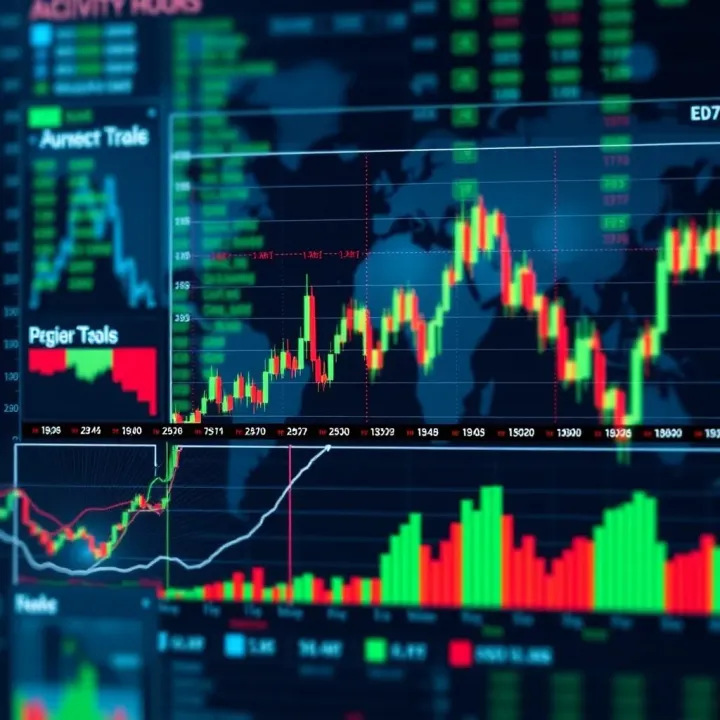
📈 Discover how Forex trading hours align with South African Standard Time, learn key factors affecting activity, and get tips to time trades smarter in SA.
📈 Learn how forex trading hours in South Africa align with global markets, key overlaps, liquidity peaks, and the impact of local holidays for smarter trades.
Based on 9 reviews