

Forex Trading Hours Guide for South African Traders
📈 Learn forex trading times and best hours for South African traders. Understand key market sessions, overlaps, and tips to trade smarter and seize opportunities.
Edited By
Edward Shaw
Binary option robots have become a popular choice for traders looking to automate decision-making in binary options markets. These robots claim to analyse market data, execute trades, and manage risks without constant human intervention. But how do they work, and what should South African traders be aware of before trusting their hard-earned Rands to such systems?
At their core, binary option robots are software programs designed to identify trading opportunities based on pre-set algorithms or indicators. They monitor price movements and place “call” or “put” trades automatically. While this might sound straightforward, the reality is often more complex – especially in volatile markets like forex or cryptocurrencies.
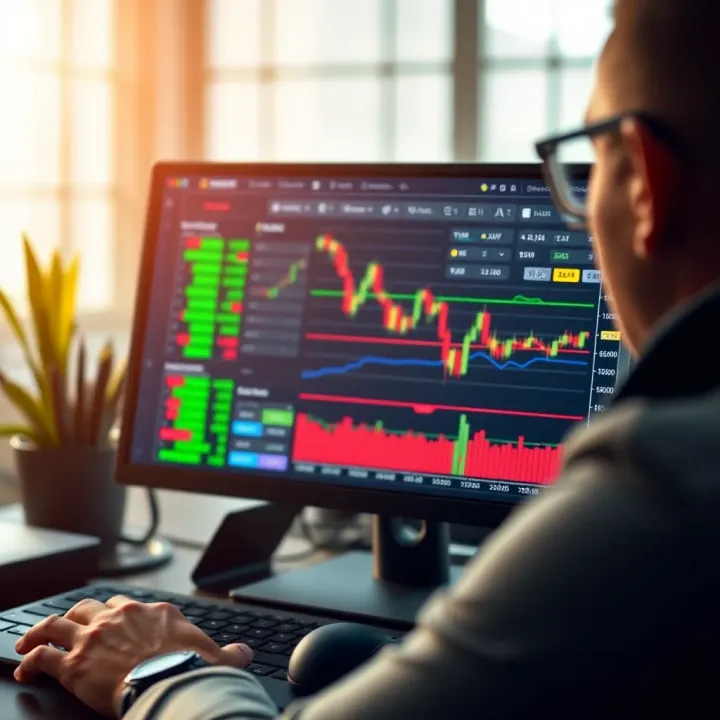
For South African traders, the attraction lies in saving time and potentially benefiting from faster trade execution. However, it’s critical to understand that not all robots deliver on their promises. Some use outdated data, others are downright scams, and a few might overtrade your account, quickly burning through your capital.
Automated trading isn’t a shortcut to quick profits; it requires vigilance and realistic expectations.
When evaluating these tools, look for features like real-time market analysis, customisable settings, transparent performance history, and good user support. Equally important is ensuring the robot operates with brokers licensed by the Financial Sector Conduct Authority (FSCA). Avoid products promising guaranteed returns or zero risk – such claims are usually a red flag.
To sum up, binary option robots can be useful instruments if you understand their limitations and choose carefully. The next sections will unpack their benefits, risks, and key tips tailored for South African traders to make informed choices.
Binary option robots have gained traction among traders looking for faster, automated trades, particularly in markets like South Africa where accessibility and time are key factors. Grasping how these robots function helps you make informed choices, whether you're a novice testing the waters or an experienced trader seeking a supplementary tool.
Binary option robots are software tools programmed to analyse market data and execute trades on behalf of the user. Essentially, they scan for trading signals based on pre-set algorithms—such as price movements, volume, or technical indicators—and act swiftly, often faster than a human could. For example, if the robot detects a rising trend in a currency pair like USD/ZAR, it may automatically place a trade predicting the price movement within a binary options contract.
These robots vary in complexity; some simply execute trades based on basic market triggers, while others use machine learning to adapt to changing market conditions. They connect to your trading platform via APIs and handle both the decision-making and execution, freeing you from sitting in front of your screen for hours. However, it's important to know the underlying logic of a robot before trusting it, as blind reliance can lead to losses.
You’ll find several kinds of binary option robots tailored for different trading styles and experience levels:
Fully Automated Robots: These handle everything—from market analysis to trade execution—without user input beyond initial setup. They appeal to busy traders but require careful selection to avoid unreliable products.
Semi-Automated Robots: These suggest trades based on market data, but you retain final control to approve or reject each trade. This offers a balance between automation and hands-on strategy.
Customisable Bots: More advanced traders might opt for bots that allow them to adjust trading parameters, risk levels, and strategies. This flexibility helps align the software to your particular trading style and risk tolerance.
Signal Providers: While not robots in the strict sense, some services provide automated trade signals you can act on manually or integrate with trading platforms for automatic execution.
While binary option robots can simplify trading, they’re tools—not magic. Understanding your chosen robot’s strategy and limitations is key to managing risks.
With automation starting to play a bigger role in local trading, knowing these basics sets you up for smarter decisions as you explore the role binary option robots could have in your portfolio.
Using binary option robots can offer South African traders some appealing advantages but also carries clear risks. Knowing the highs and lows before committing your hard-earned Rands is essential to avoid pitfalls and make smart decisions suited to your trading style.
Binary option robots automate the trading process by analysing market data and placing trades on your behalf. For a busy trader juggling multiple commitments, this can save hours a day otherwise spent staring at charts and news updates. Imagine a Durban-based investor who also runs a small business; a reliable robot can handle trading during office hours when the market moves, freeing up time to focus on other priorities.
Humans tend to let emotions sway decisions, often leading to rash moves like panic selling or holding on too long hoping for a rebound. Robots follow strict algorithms without feelings, sticking to set strategies regardless of market noise. This can help even experienced traders avoid impulsive mistakes. For instance, during sudden rand volatility linked to local political events, a robot won’t hesitate or second-guess but execute predetermined trades consistently.

For newcomers to the trading scene, the world of binary options can feel overwhelming. Robots offer a way for beginners to participate without needing to master complex technical analyses straight away. While not a substitute for learning, this accessibility can ease newcomers into trading, helping them build confidence and experience gradually.
Even the best binary option robots are not foolproof. Market conditions shift quickly and unpredictably, and automated systems may fail to adapt effectively. Losses can accumulate just as fast as gains, especially if a trader relies blindly on the software without oversight. A Johannesburg trader who left a robot to trade unsupervised during an unexpected global market crash could face steep losses.
These robots depend heavily on sound programming, quality data feeds, and stable internet connections. Technical glitches, bugs, or delays in data can lead to poor trade execution. South Africa’s occasional internet outages or power cuts might disrupt a robot’s operation, affecting performance and returns.
The binary options market is notorious for scams and unreliable robots promising guaranteed profits. Unscrupulous providers may use fake reviews or blur regulatory details. South African traders should be wary of products lacking credible track records or clear regulatory oversight. Always vet robots thoroughly before trusting them with your money.
While binary option robots offer practical benefits like time savings and emotional discipline, be cautious of their limitations and risks. Responsible use combined with due diligence can make these tools a worthy part of your trading approach.
In summary, weigh automation convenience against risks like loss potential and software reliability. Stay alert to scams and maintain realistic expectations to protect your investments.
Choosing the right binary option robot can be the difference between a frustrating experience and a worthwhile trading tool. South African traders need to be especially cautious, given the mixed reputation and regulatory grey areas surrounding these products locally. This section breaks down the essential features you should prioritize when considering a binary option robot to ensure it matches your trading goals and safeguards your capital.
Trust begins with transparency. Any reputable binary option robot should openly share its historical performance data—ideally, verified by independent auditor reports or third-party platforms. For example, a robot that claims a consistent win rate should provide detailed statistics over at least six months of live trading, not just backtested results or cherry-picked profitable weeks. Transparency extends beyond numbers; the developer's background and the company's physical location also matter. South African traders should prefer robots developed by firms with clear identities and easily reachable support, rather than faceless entities making vague promises.
Lack of transparency is often the first red flag of a scam—never trust a robot without verifiable data.
Automation is great, but complete hands-off trading can be risky. The best binary option robots allow you to control risk parameters, trade sizes, and market selection. Look for options to adjust settings such as:
Trade expiry times (short-term vs. long-term)
Asset classes (forex pairs, indices, commodities)
Risk tolerance (low, medium, high)
For instance, a robot that lets you exclude volatile assets or pause trading during major news events gives you flexibility to manage risk intelligently. Customisation also includes modifying indicators or strategies behind the algorithm, which suits more experienced traders wanting to tweak the robot’s behaviour without going fully manual.
Security is not just about firewalls or encryption; it includes regulatory standing and how your data and funds are protected. Binary option robots linked to unregulated brokers are a gamble, especially in South Africa where the Financial Sector Conduct Authority (FSCA) has limited oversight over some online brokers and automated tools.
Ensure that the robot operates with brokers properly registered with the FSCA or recognised global regulators. Also, check if the robot complies with data protection acts similar to POPIA (Protection of Personal Information Act) to secure your personal and financial information. A safe payment gateway and clear withdrawal processes are non-negotiable.
In short, selecting a binary option robot means looking beyond flashy marketing, focusing instead on transparency, user control, and solid security protocols. These features help South African traders avoid pitfalls and make the most of automated trading opportunities while minimising undue risks.
When deciding whether to trust a binary option robot, especially in the South African market, knowing how to assess its legitimacy can save you a lot of trouble—and money. Scammers often target eager traders with flashy promises, so it's crucial to stay sharp and question the robot’s credibility before diving in.
First off, check if the robot or the company behind it is regulated by a recognised financial authority. South Africa has the Financial Sector Conduct Authority (FSCA), which oversees financial services providers. Robots tied to FSCA-regulated brokers carry more weight because they must meet certain standards. However, some international robots might be linked to foreign regulators, so be cautious and verify these regulators are reputable and not fly-by-night operators.
Alongside regulations, user reviews help paint a clearer picture. Look for detailed accounts from fellow South African traders on online forums or review sites like MyBroadband. Keep an eye out for consistent complaints about withdrawal issues, buggy software, or exaggerated claims. For example, a robot boasting 90% win rates but with numerous complaints about delayed payouts should raise red flags. Remember, no robot will guarantee impossible returns.
A legit binary option robot usually offers a demo account or at least a trial period. Use these opportunities to see how the software performs in real market conditions without risking your cash. A demo run can expose glitches, slow trade execution, or unrealistic settings. Even after reviewing a demo, start with small investments when moving to live trading.
For instance, if you intend to risk R1,000 monthly on automated trades, try putting in only R100 at first. Monitor how the robot handles trades under different market conditions. This hands-on testing lets you spot issues before they affect your wallet too heavily.
Beware of robots promising guaranteed profits or requiring huge upfront fees. These are typical signs of scams. Neither market conditions nor software can make sure you come out on top every time. Pushy sales tactics, such as constant calls or urgent “limited-time offers,” also signal caution.
Furthermore, be cautious if the robot lacks clear contact details or refuses to provide transparent terms. A reputable provider will be upfront about risks and performance history.
Tip: Always verify if the broker the robot connects to is well-known and regulated in South Africa. Using robots with unregulated brokers adds unnecessary risk.
In short, taking these steps seriously can protect you from scams and ensure you only trust binary option robots with genuine potential. It’s about balancing curiosity with caution — especially when trading with your hard-earned Rand.
Using binary option robots in South Africa requires more than just signing up and switching on automation. You’ve got to consider local realities, understand the risks clearly, and pick brokers that actually work well with these tools. Let’s look at some practical tips that can save you from headaches and, more importantly, losses.
South Africa has specific regulations when it comes to trading and financial services, governed by bodies like the Financial Sector Conduct Authority (FSCA). Bots operating outside regulated frameworks may put your capital at risk, or worse, expose you to scams. For example, some foreign binary option platforms don’t comply with South African law, making legal recourse tricky if issues arise.
Plus, the local market differs in liquidity and volatility compared to global markets. This can affect how well your robot performs. A strategy that works on the New York Stock Exchange might not play out the same on JSE-linked instruments or forex pairs popular here. Factor in things like the rand’s fluctuations, especially during times of economic uncertainty.
No robot is a crystal ball. Even the best algorithms won’t guarantee daily profits. Set realistic targets and put strong risk management in place. For instance, using stop-loss limits on trades the robot opens can prevent runaway losses. Many traders make the mistake of chasing high returns without a clear exit plan — which often leads to emotional decisions once the robot stumbles.
Also, never risk money you can’t afford to lose. Start small and gradually scale up once you’ve seen consistent results. It’s wiser to think in terms of steady gains rather than quick wins. For example, if your usual monthly trading capital is R5,000, maybe begin with R500 on robot-driven trades.
A robot is only as good as the broker it trades through. South African traders should look for brokers that support automated trading platforms and have a solid regulatory standing locally or internationally. Popular brokers like IG or Plus500 allow API integrations that most robots require.
Be cautious of brokers promising zero fees combined with high leverage — it could be a red flag for risky conditions or hidden costs. Check if the broker offers demo accounts so you can test your robot in a risk-free environment first.
When in doubt, lean towards brokers registered with the FSCA or reputable international names recognised by South African traders.
Practical takeaway: Combine knowledge of local trading laws with prudence in managing your stakes and pick a broker that aligns with your robot’s needs. This three-pronged approach greatly reduces risk while giving you a better shot at success.
With these tips, South African traders can navigate the tricky waters of binary option robots more confidently and avoid common pitfalls.
📈 Learn forex trading times and best hours for South African traders. Understand key market sessions, overlaps, and tips to trade smarter and seize opportunities.

Learn how to trade gold in forex with practical tips for South African traders 📈 Understand price factors, manage risks, and navigate regulations effectively.
Discover the best forex trading software in South Africa! Learn about features, usability, security, costs, automation, and strategies to trade smarter. 📈💻
📈 Discover practical forex trading tips in easy-to-use PDF guides designed for South African traders. Boost your skills with strategy and risk management advice!
Based on 15 reviews