
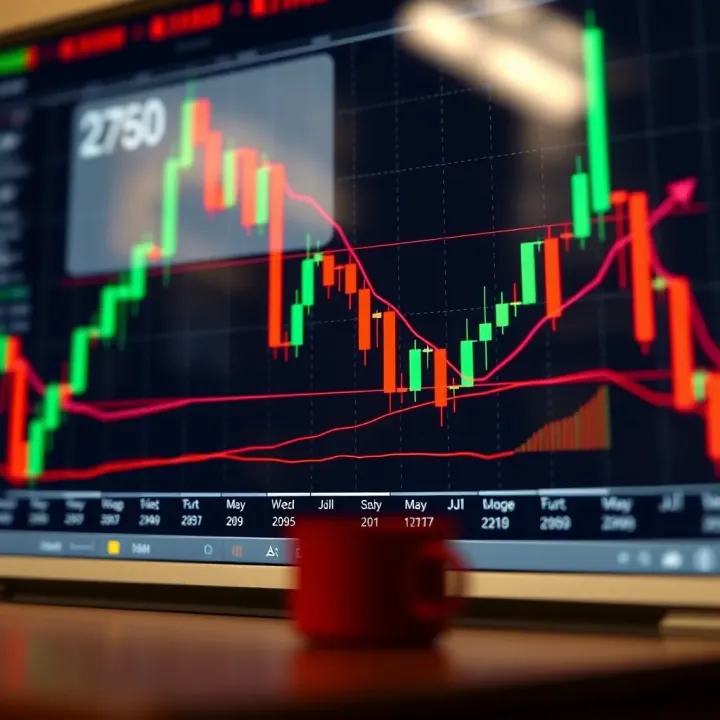
Understanding Candlestick Patterns with Examples
📈 Learn how to read and interpret candlestick patterns clearly in trading. Spot market trends and shifts with real examples suited for all skill levels.
Edited By
Henry Davies
Bullish candlestick patterns are a key part of technical analysis, helping traders and investors identify when a price might turn upwards. For anyone active in South African markets, recognising these patterns can mean better timing on buying shares or other assets. Unlike relying on gut feeling, candlestick patterns offer concrete visual clues based on price action.
These patterns show how market sentiment changes over time. At their simplest, each candlestick records the opening, closing, highest, and lowest prices during a chosen time frame — like a day or an hour. By looking at sequences of these candles, you can spot shifts where buyers start to push prices higher.

Understanding bullish candlestick patterns means you can anticipate potential price rises before the broader market catches on. This can be especially useful in volatile sectors or during times of loadshedding when market behaviour can become unpredictable.
Recognising bullish patterns can improve your trading edge, reducing guesswork and helping you act with more confidence.
Bullish Engulfing: A smaller red (down) candle followed by a larger green (up) candle that completely covers the first. Shows strong buyer interest.
Hammer: A candle with a small body and a long lower wick, indicating sellers pushed prices down but buyers regained control.
Piercing Line: Starts with a red candle, but the following green candle closes more than halfway up the prior candle’s body, signalling buyers stepping in.
Always confirm bullish patterns with volume — higher volume adds weight to the signal.
Combine patterns with support levels, such as historical lows on the JSE or key price points.
Use stop-loss orders to manage risk in case the anticipated rise doesn’t materialise.
By spotting these signals on charts — whether using platforms like EasyEquities or more advanced tools from local brokers — you can adjust your strategy proactively.
Adding to this, consider downloading reliable PDF resources that illustrate these patterns with local market examples, helping you refer back during your trading sessions.
In brief, mastering bullish candlestick patterns sharpens your ability to read market behaviour and take action grounded in real price movement, not just speculation.
Understanding bullish candlestick patterns sets the foundation for spotting potential upward price movements in markets. These patterns help traders and investors gauge when buyers are gaining strength, signalling a possible price rise. For instance, recognising a hammer candle forming after a downtrend might indicate the start of a recovery. This introduction equips you with the basics you need to read candlestick charts confidently and apply these insights practically.
Each candlestick provides a snapshot of price action during a specific period — be that a minute, hour, day, or week. It consists of the body, which shows the range between the opening and closing prices, and the shadows (or wicks) that represent the highest and lowest traded prices within that period. For example, a long lower shadow could indicate buyers pushed prices up after a dip, suggesting increased demand.
Grasping these components helps you interpret market sentiment more accurately. Without understanding what each part represents, reading patterns becomes guesswork rather than analysis.
Candlesticks immediately convey four key prices: open, close, high, and low. Each tells a different part of the story. If a candle’s close is higher than its open, it often points to bullish momentum, whereas the reverse suggests bearish pressure. The length of the body communicates the strength of that movement, while shadows show market volatility during the same period.
For example, a tall green (bullish) candle with small shadows may indicate steady buying, a useful clue when deciding to enter a trade or hold a position.
Bullish candles close above their opening price, coloured green or white in many charting platforms, reflecting buyer dominance. Bearish candles, in contrast, close below opening price, often shown in red or black, indicating sellers controlled price action.
Recognising these differences is crucial. A string of bullish candles, for instance, might suggest an uptrend gathering pace, whereas bearish candles hint at selling pressure. Without this distinction, traders can misread market sentiment and miss profitable opportunities.
Bullish sentiment reflects traders’ optimism about future price increases. It means buyers are confident enough to push prices higher, often in anticipation of positive news or improving fundamentals. This collective mood drives price action and creates patterns signalling potential upward movement.
For example, after consistent losses, a sudden strong bullish reversal pattern can mark a shift in sentiment, signalling traders to watch for a possible upswing.
Bullish patterns appear when market behaviour suggests buyers outnumber sellers. Patterns like the bullish engulfing or morning star combine multiple candles to reveal buying strength breaking resistance or ending a downtrend.
Spotting these patterns helps traders time entries better. Rather than jumping in prematurely, recognising a confirmed pattern improves the chance of catching a genuine move rather than a false rally.

Not all bullish patterns guarantee price rises. Context matters. A hammer in a strong downtrend may hint at a pause, but without confirmation from volume or other indicators, it could easily fail. Traders sometimes expect patterns to work flawlessly — they don’t.
Plus, external factors like economic reports or loadshedding schedules can override technical signals. It’s wise to combine candlestick insights with broader analysis to avoid costly mistakes.
Bullish candlestick patterns offer clues, not certainties. They’re one tool among many in a trader’s toolkit.
Understanding these basics arms you with practical skills to interpret charts, refine your entry points, and manage risks more effectively in South African markets and beyond.
Understanding common bullish candlestick patterns gives traders a practical edge in spotting possible price increases early. These patterns are based on the shape and sequence of candles, signalling that buyers could be pushing prices up. Mastering these helps you time entries better and spot strength shifts in the market — especially useful in volatile South African stocks or local forex pairs.
The hammer is a classic single-candle pattern that often pops up after a downward trend. It features a small body with a long lower wick, showing that sellers pushed the price down but buyers bounced back strongly by close. Imagine a share listed on the JSE dropping early but ending the day close to its opening price — traders see this as a sign buyers are stepping in.
Its practical value lies in signalling a potential reversal. However, volume and confirmation on the next candle matter. If a hammer appears with higher-than-average volume, it adds weight to the idea that the downtrend might be losing steam.
An inverted hammer also emerges in downtrends but looks a bit different — it sports a small body with a long upper wick. This pattern hints that buyers tried to push prices higher but couldn’t fully hold the gains, yet the effort signals that the selling pressure may be easing.
For traders, the inverted hammer suggests hesitation among sellers. In the South African context, when seen alongside supportive economic news or less load shedding predicted, it might hint at a trend shift sooner rather than later.
The bullish marubozu is a strong single-candle signal with no upper or lower shadows — it opens at the low and closes at the high. This bold candle shows clear dominance by buyers, often sparking momentum.
When spotted in local shares like Naspers or wool shares during a rally, it can hint that buyers are firmly in control. Traders often use marubozu candles to confirm strength and feel confident holding long positions.
This pattern consists of two candles, where the second bullish candle completely covers or "engulfs" the body of the previous bearish candle. It’s like the bulls are swallowing the bears, signalling a potential comeback.
For instance, if you see a bullish engulfing pattern on a Sasol share chart after a few days of selling, it may indicate a strong demand comeback, encouraging traders to enter or add to positions.
The piercing line is a two-candle pattern where the second candle opens below the first’s close but closes more than halfway up the first candle’s body. This shows buyers stepping in aggressively after a weak start.
South African traders use this pattern as an early hint a share might rise after a dip, especially when local economic indicators are improving or when the rand gains strength.
The morning star is a three-candle pattern signalling a potential trend reversal from bearish to bullish. It starts with a long bearish candle, followed by a small-bodied candle that gaps down, and finishes with a strong bullish candle rising well into the first candle’s body.
This complex pattern reflects indecision turning into confidence among buyers. It’s highly valued when combined with rising volume or positive news, such as improved commodity prices impacting exporters. Spotting a morning star on a chart encourages traders to prepare for possible gains while managing risks carefully.
Recognising these patterns isn't just about spotting shapes; it’s about reading the story they tell within the broader market context. They offer clues but work best alongside other tools and local market knowledge.
Understanding bullish candlestick patterns is one thing, but interpreting them correctly within the wider market context is critical to making more informed trading decisions. These patterns don't always work in isolation; their reliability depends heavily on factors like volume, confirmation signals, overall trend, volatility, and local market influences.
Volume plays a key role in confirming bullish candlestick patterns. When a pattern, say a Bullish Engulfing, appears on low volume, it may not represent strong buying interest and could quickly fizzle out. Conversely, a large spike in volume alongside a bullish pattern signals genuine enthusiasm among traders, making the pattern more trustworthy. For example, in the South African market, seeing a hammer pattern on a JSE stock accompanied by above-average volume strengthens the case for a potential price rise.
Besides volume, using other technical indicators alongside patterns adds another layer of confidence. Tools like the Relative Strength Index (RSI) can show if an asset is oversold, supporting bullish signals. Moving averages, especially the 50-day and 200-day, reveal the underlying trend direction and can help validate pattern signals. Combining candlestick patterns with indicators reduces false positives and helps you avoid chasing weak setups.
The broader trend context significantly impacts how bullish patterns should be read. A morning star pattern is more reliable when spotted after a downtrend, indicating a possible reversal. Spotting the same pattern during a sideways or strong uptrend might not carry the same weight and could just be a pause in price movements. South African traders dealing with volatile stocks, like Sasol or tech shares, must consider this before acting on patterns.
Volatility itself affects pattern interpretation. High volatility can cause misleading wicks or candle bodies, making it tricky to confirm patterns. During periods of heightened market swings—common around major economic announcements or Eskom's load reduction announcements—be more cautious when relying purely on candlestick patterns.
Local market factors unique to South Africa also play a part. Loadsheding, for instance, affects business operations and investor sentiment, sometimes triggering unusual price movements unrelated to usual technical signals. Economic data such as SARB’s interest rate decisions or trade balance figures can also sway market mood quickly. Being aware of these influences helps avoid misreading patterns in isolation.
Remember, no pattern guarantees a price move. Combining pattern recognition with volume, indicators, trend analysis, and local context sharpens your edge in the market.
Using bullish candlestick patterns effectively can make a real difference in your trading or investing decisions. These patterns offer clues about potential price rises and help signal favourable moments to buy or sell. However, simply spotting a pattern isn’t enough — applying it wisely within a broader strategy is key.
Entry and exit timing involve deciding precisely when to get in or out of a trade based on bullish candlestick signals. For example, a bullish engulfing pattern appearing after a downtrend might suggest a good entry point, signalling a shift in market sentiment. Though tempting, jumping into a trade straight after one candle forms can be risky — confirmation through volume or another indicator often reduces false signals. Exiting a trade early when the momentum fades can protect profits, so a clear plan for exit timing based on subsequent patterns or price action is advisable.
Risk management considerations are vital whenever you act on candlestick patterns. No pattern guarantees a move, so you need to manage losses carefully. This means calculating how much capital you're willing to lose if the market moves against you, often setting strict position sizes. For instance, if a morning star shows promise but the overall market is choppy, you might allocate less capital or avoid overexposure. Always balance the potential reward against the risk rather than blindly trusting the pattern.
Setting stop losses and targets helps protect your investment and lock in gains. Stop losses limit damage if a bullish pattern fails — for example, placing a stop just below the low of a hammer candle can cap losses. Targets, meanwhile, set realistic profit-taking points, possibly based on recent resistance levels or the size of the pattern's previous moves. Remember, clear stop losses and targets give you discipline and remove emotion from trading, which often leads to better outcomes.
Overreliance on patterns without context is a trap many fall into. A bullish candlestick by itself isn’t a magic ticket. For example, a hammer may look promising, but if the overall market is crashing or strong resistance is nearby, the chance of reversal sits low. Patterns must be connected with trend, volume, and broader technical or fundamental analysis to be trustworthy.
Ignoring market news and fundamentals can lead you astray even with great pattern recognition. Consider a scenario where a bullish engulfing pattern coincides with negative economic news, such as sudden hikes in interest rates by the South African Reserve Bank (SARB). Technical signals might suggest uptrends, but these fundamentals often override charts, causing unpredictable moves. Staying informed on economic reports or local events like loadshedding schedules that affect market mood is crucial.
Poor pattern recognition errors often come from rushing or mixing up pattern characteristics. Confusing an inverted hammer with a shooting star, for example, can lead to opposite trading decisions. Practising with charts, using reliable resources, and sometimes cross-checking with trading communities helps sharpen pattern identification skills. Without accuracy here, the whole strategy can unravel.
Practical use of bullish candlestick patterns isn’t just about knowing them — it’s how you combine clear timing, solid risk control, and awareness of the bigger picture that counts. Approach patterns as one tool among many.
By keeping these points in mind, you’ll avoid common pitfalls and make the most of bullish candlestick patterns in your trading.
Bullish candlestick patterns PDFs serve as handy reference tools that traders, investors, and analysts can keep close when navigating the markets. These downloadable guides condense vital information into accessible formats, making it easier to refresh your memory or deepen your understanding at your own pace. In the South African trading environment—where factors like Eskom loadshedding and economic shifts can cause sudden market moves—having reliable, offline resources can be especially valuable.
Trusted South African financial education websites often provide PDFs tailored to local investors’ needs. Sites related to the Johannesburg Stock Exchange (JSE), financial news outlets such as Moneyweb or Daily Maverick, and local brokers’ educational hubs commonly offer materials explaining candlestick basics and pattern recognition. These resources tend to include examples relevant to South African stocks or indices, helping readers connect theory with familiar market contexts.
Global sources with practical PDFs can complement local knowledge by offering broader insights. Platforms like Investopedia, BabyPips, or well-known trading educators often provide free downloadable guides with detailed pattern charts and trading tips. While these resources may not address South African-specific market conditions, they cover universal concepts applicable worldwide. Combining global perspectives with local materials strengthens your overall understanding.
Features to look for in useful downloadable guides include clear visuals like charts, concise explanations, and practical examples. A good PDF should organise patterns by type and provide signals on entry, stop losses, and exits. Alerts on common pitfalls or pattern limitations also help traders avoid costly mistakes. Guides that update regularly or show recent market examples tend to offer more value, as candlestick reading evolves with changing market dynamics.
Structuring your study and revision improves retention and practical use. Allocate time to first familiarise yourself with each pattern, then revisit them over days or weeks. Creating flashcards or notes summarising key traits can aid memory. Grouping patterns by complexity—starting with single-candle patterns like the Hammer before moving to complex ones like Morning Star—builds confidence steadily.
Applying theory to live charts brings learning to life. Try locating the patterns from your PDF examples on real South African equity charts, such as those from Capitec or Sasol. Use charting tools offered by platforms like EasyEquities or the JSE website. This hands-on approach helps reinforce pattern recognition and understand how volume or broader market trends affect pattern reliability.
Regularly updating your reading materials keeps you aligned with market shifts. Candlestick patterns don’t change, but new interpretations and integrations with emerging technical tools appear. Subscribe to newsletters from trusted South African financial educators or revisit global sources for updated PDFs. Staying current prevents relying on dated strategies that might miss nuances in today’s markets.
Having quality PDFs on bullish candlestick patterns at your fingertips gives you a straightforward, practical edge for smart trading decisions. Whether you’re a beginner or a seasoned trader, combining these guides with active chart study and current local context sharpens your ability to spot upward price moves confidently.
📈 Learn how to read and interpret candlestick patterns clearly in trading. Spot market trends and shifts with real examples suited for all skill levels.

📉 Learn how to spot bearish candlestick patterns showing potential drops in SA markets. Master common formations and sharpen your trading strategy for R gains.

📉 Learn to spot hammer candlestick patterns, their role in market reversals, and practical trading tips for South African markets. Avoid common pitfalls! 🔍

📈 Learn how to spot forex reversal candlestick patterns and improve your trading strategy. Expert tips for South African traders to predict market shifts with confidence.
Based on 5 reviews