

Forex Trading Books for South African Traders
📚 Discover tailored forex trading books for South African traders covering key strategies, broker advice, and practical tips to trade wisely in local markets.
Edited By
Thomas Knight
Building a solid forex trading plan is essential for South African traders who want to navigate volatile markets with confidence. A clear plan provides a roadmap, helping you avoid knee-jerk decisions triggered by emotion or daily market noise.
Forex trading in South Africa comes with unique challenges. Eskom's loadshedding can disrupt internet connectivity during critical trading hours, so incorporating reliable backup power or offline tools into your routine is worth considering. Likewise, local forex brokers differ in terms of spreads, leverage, and platform reliability — your plan should factor in broker selection and compliance with regulatory bodies like the Financial Sector Conduct Authority (FSCA).
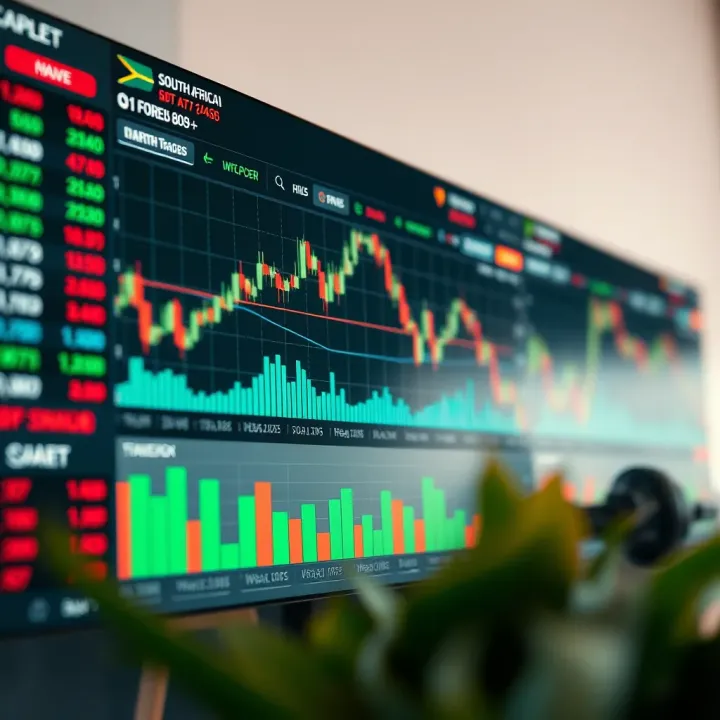
At its core, a practical forex trading plan outlines your trading goals, risk management rules, strategy parameters, and criteria for entry and exit. Defining precise goals is vital: are you trading to supplement your income or to build a larger portfolio? What timeframes suit your lifestyle and skills? For example, if you can only trade after hours, longer timeframes like daily or 4-hour charts may fit better.
Risk management stands front and centre. Establish limits on how much capital to risk per trade — many professionals suggest no more than 1% to 2% of your trading capital. This avoids wiping out funds during the inevitable losing streaks. Using stop losses consistently is part of this discipline.
The trading strategies you choose must align with your risk tolerance and market understanding. South African traders often examine USD/ZAR or EUR/ZAR pairs for their liquidity, but global pairs like GBP/USD or EUR/USD also offer opportunities. Regardless, your plan should clearly state when to enter, when to exit, and what market conditions to avoid.
A well-structured forex trading plan isn’t just a set of rules — it's a toolkit customised to your goals, resources, and the realities of trading within South Africa.
To keep on track, record your trades, review performance regularly, and adjust your plan based on what’s working and what’s not. Consistency and discipline will ultimately determine your success in forex trading.
In the sections ahead, we’ll break down how to create each component of your plan with specific techniques relevant to South African traders and conditions.
A forex trading plan acts as your roadmap in the complex and often unpredictable world of currency trading. For South African traders, who face unique challenges like ZAR volatility and global economic shifts, having a plan isn't just helpful—it's essential. It sets clear guidelines on what to aim for, how much risk to take, and how to act when emotions run high.
Having clear goals sharpens your focus and determines your trading style. For example, you might aim for a steady monthly return of 3% to avoid chasing unrealistic profits. This steadiness helps you resist the temptation to take reckless risks when the market moves fast. Without these goals, it's easy to drift from one strategy to another, wasting both time and money.
Trading on gut feeling or reacting impulsively can drain your account faster than you realise. A solid plan spells out when to enter and exit trades, stopping you from making rash decisions based on fear or greed. Think of it like having traffic rules on a busy road: without them, chaos ensues. With a plan, emotional swings are kept at bay, helping you stick to your strategy even when the market throws curveballs.
Keeping tabs on your trades through journaling or spreadsheet trackers gives insight into what’s working and what isn’t. For instance, if you notice repeated losses on certain currency pairs like USD/ZAR during certain times, you can adjust your plan accordingly. Regular performance reviews help you learn from mistakes and refine your approach, making your trading steadily better over time.
Before you start trading each day, review your plan alongside the latest market news. This could include checking Eskom’s ratings for loadshedding stages, which may influence market sentiment or liquidity. Spending 15 minutes looking at your watchlist and reviewing your stop-loss levels prevents surprises and gets you in the right headspace to trade.
Markets don't stay the same, especially for the ZAR affected by both domestic issues and global trends. Your plan shouldn't be static; it must evolve. For example, if a major economic event like an interest rate announcement from the South African Reserve Bank approaches, you might reduce position sizes or avoid trading outright. Flexibility in your plan lets you protect capital while still staying active.
A trading plan is not a rigid rulebook but a practical guide to navigate the highs and lows of forex trading with clear goals, steady nerves, and thoughtful adjustments.
By appreciating the role of a forex trading plan, you lay down a solid foundation for consistent trading success tailored for South Africa’s unique market environment.

Building a solid forex trading plan relies on understanding its key elements. This section breaks down the essential components that every South African trader should consider when crafting their own plan. Having clear objectives, a well-chosen strategy, and disciplined risk management can prevent rash decisions and improve consistency.
Setting realistic profit targets means defining what you want to earn within a certain timeframe without overreaching. For example, aiming for consistent monthly returns of 3–5% might be achievable, while hoping to double your account quickly often leads to reckless trades. A practical profit goal keeps you grounded and focused during trading sessions.
Determining acceptable risk levels is about finding how much of your trading capital you’re comfortable risking per trade or over a period. Many experienced traders limit risk to 1–2% of their capital per trade to avoid heavy losses that can sideline their accounts. By knowing your limits upfront, you protect your capital, which is especially important with the sometimes volatile ZAR pairs influenced by global and local news.
Choosing between day trading, swing trading, or position trading depends on how often you want to engage with the markets. Day traders enter and exit trades within a single day, suitable for those who can monitor markets during South African business hours. Swing traders hold positions for several days to weeks, offering a more flexible approach, while position traders take a longer-term view, holding trades for weeks or months.
Matching your strategy to your personal schedule and risk appetite is vital. For instance, if you work full-time but want to trade, swing or position trading fits better than active day trading, which demands continuous attention. Furthermore, if you’re more risk-averse, longer-term trades usually involve less stress and fewer rapid decisions.
Position sizing and leverage considerations form the backbone of preserving your bankroll. Deciding how many lots or units to trade must align with your risk tolerance and account balance. For example, trading one micro lot on a R10,000 account exposes you to far less risk than jumping into standard lots. Be mindful that South African traders using high leverage can quickly wipe out accounts during sharp ZAR fluctuations.
Setting stop-loss and take-profit levels ensures your trades don’t run away with your money. Placing a stop-loss at a reasonable level protects you from bigger-than-expected downturns, while take-profit points lock in gains before the market reverses. For example, if the EUR/ZAR is trending up, setting a stop-loss 50 pips below entry and take-profit 100 pips above locks in a positive risk-reward ratio.
Handling losing streaks requires emotional control and strict adherence to your plan. It’s normal to hit rough patches, but the key is not to chase losses. Many traders impose a daily or weekly loss limit, such as 5% of capital, to avoid major drawdowns. Taking breaks or reviewing trades after a string of losses helps reset your mindset and avoid poor decisions.
Having these components firmly in place prepares you to navigate South Africa’s unique forex market conditions with greater confidence and discipline. Without them, challenges like ZAR volatility or sudden news shocks can derail your trading progress quickly.
Creating a forex trading plan tailored to your personal needs is vital for consistent success in the markets. It gives you a clear framework that guides your trading decisions and helps you stay on track, especially when markets get choppy. A well-structured plan doesn't just outline what you want to achieve—it shows you exactly how you’ll get there, accounting for your risk appetite, preferred strategies, and unique circumstances faced by South African traders.
Starting with simple tools like Excel spreadsheets or Word documents is often the most pragmatic move. These allow you to lay out your trading rules, goals, and record trades without fuss. For instance, you could create columns to track entry and exit points, stop-loss levels, and profit targets. The advantage is that these formats are easy to customise and update as your strategy evolves. While specialised trading journals exist, many traders find straightforward spreadsheets more accessible and flexible.
Keeping your plan clear and easy to update is crucial to avoid losing focus. Overly complex documents can become a chore to maintain and might discourage regular review. Instead, break down your plan into distinct sections—like objectives, strategy, risk management, and review notes—that you can quickly navigate. For example, using bullet points for daily routines and brief explanations avoids clutter. This clarity makes it more likely you’ll stick to the plan amid market noise.
South African Rand (ZAR) pairs often show heightened volatility compared to majors like EUR/USD or USD/JPY. This stems from factors like fluctuating commodity prices and domestic economic news. A practical trading plan for South African traders must consider this characteristic. For example, you might want to set wider stop-loss orders to account for ZAR’s swings or avoid overleveraging during times of expected turbulence.
Global events can shift ZAR pairs dramatically, so your trading plan should embed strategies to respond accordingly. Political developments, shifts in mining output, or US Federal Reserve interest rate decisions often cause sudden price moves. Having a section in your plan for monitoring key economic calendars and news feeds relevant to South Africa helps in anticipating these events. This awareness allows you to pause trading or tighten risk controls before major announcements, reducing unplanned losses.
A forex trading plan isn't just a static document—it's your trading compass, adapting to local conditions and global shifts while keeping you disciplined.
Tailoring your forex trading plan around both your personal trading style and local market traits puts you in a better position to trade with confidence and consistency. Keeping it simple, structured, and relevant to South Africa’s unique context will greatly improve your chances of success.
Staying disciplined and regularly reviewing your trading plan are two sides of the same coin that keep your forex journey grounded. Without discipline, even the best plan is at risk of becoming just an idea scratched on paper. And without regular reviews, your plan risks being out of touch with ever-changing market realities, especially those affecting the South African Rand (ZAR).
Market volatility tends to shake even experienced traders, prompting rash decisions born out of fear or greed. When the ZAR suddenly drops due to political unease or global economic shifts, it’s tempting to throw caution to the wind and deviate from your trading rules. Keeping emotions in check means sticking to your predetermined entry and exit points, no matter how tempting it is to chase quick profits or cut losses prematurely.
One practical approach is to set strict stop-loss levels and remind yourself that no trade is guaranteed. For instance, if your plan caps risk at 2% of your total capital per trade, resist the urge to increase that exposure during swings. Also, avoid excessive refreshing of your trading platform during turbulent times—it can fuel anxiety rather than clarity.
South African traders often face unique challenges such as loadshedding or unreliable internet. These interruptions can mean missing key trade signals or failing to manage open positions properly. To combat this, preparing a backup plan is vital.
Many traders use mobile data bundles as a quick failover or set alerts on mobile apps to stay updated without needing to log into full platforms constantly. Some also keep an eye on Eskom’s loadshedding schedules to plan trading sessions around times when power is stable. Another strategy is to use trading platforms that allow offline order placement or automated trades to reduce reliance on constant connection.
Maintaining a trade journal where you log every trade’s reasoning, entry and exit points, and outcome is invaluable. This habit helps detect patterns that might otherwise slip notice. For example, you may find you react impulsively after losing streaks or ignore your stop-loss rules in volatile conditions.
Regularly reviewing this journal spots these habits early and guides adjustments to your trading plan or mindset. It also highlights which strategies yield the best returns in the South African context, helping you focus on what works.
Markets never stand still. Factors like SARB policy changes, load-shedding impacts on economic activity, or global commodity price shifts directly influence the ZAR and its forex pairs. Your trading plan should be flexible enough to respond to such developments.
That might mean adjusting risk levels during periods of uncertainty or shifting your preferred trading times to quieter market moments. It could also involve recalibrating profit targets based on recent volatility. Staying informed through local news and economic calendars helps keep these adaptations timely.
Forex markets evolve, and so should your knowledge. Tapping into local courses, webinars, and trading forums focused on South African traders offers fresh perspectives and strategies tailored to our market conditions.
For example, attending a course on technical analysis for ZAR currency pairs or joining a Telegram group discussing recent Rand volatility can provide insights that sharpen your trading plan. Regularly updating your plan to reflect these learnings keeps you sharp and better prepared for market twists.
Discipline and review go hand in hand: one keeps you steady, the other ensures you stay relevant. Both are crucial for successful forex trading in South Africa’s dynamic environment.
A solid forex trading plan doesn’t stand alone. To trade effectively, you need the right tools, up-to-date information, and a community that keeps you sharp. South African traders face unique challenges such as ZAR volatility and infrastructure hiccups, so having access to reliable resources can help you navigate these hurdles with confidence.
When choosing a trading platform, consider ones that offer smooth access to ZAR currency pairs and local payment methods. Platforms like IG, Plus500, and EasyEquities have gained popularity locally because they combine global market access with support for Rand deposits. Using platforms that understand both the global markets and your specific needs reduces friction when managing trades and keeps transaction costs lower.
Beyond the trading interface, reliable news sources and economic calendars are essential. Following South African financial news from Business Tech, MyBroadband, or the South African Reserve Bank (SARB) announcements helps you spot factors that might cause sudden price swings. Economic calendars tailored for the Forex market highlight key events like SARB interest rate decisions or US Non-Farm Payroll releases that impact the Rand and global currencies alike. This foresight allows you to adjust your plan before volatility hits.
Joining forums and social media groups dedicated to ZAR trading creates a support network for sharing real-time insights and practical tips. Platforms like the SA Forex Traders Facebook group or subreddits such as r/ForexSouthAfrica let you pick up nuances about local market behaviour or broker reliability that you won’t find in generic trading guides. Connecting with fellow traders also fosters discipline and accountability — important when trading can sometimes feel isolating.
Education remains a cornerstone of sustained trading success. Look for South African-based courses or webinars from providers like SAFX or LearnToTrade, which often tailor content to local market conditions and regulatory requirements. These training sessions go beyond the basics and address topics like ZAR risk management, market psychology, and effective use of trading platforms. Regular learning upgrades your skills and feeds directly into improving your trading plan’s effectiveness.
Accessing the right resources — from digital tools to community support — is not just an add-on but a necessity for crafting and sticking to a realistic forex trading plan that responds to South Africa’s market dynamics.
Having these resources at hand makes a trading plan a living document, adaptable and aligned with the realities you face every day as a South African trader.
📚 Discover tailored forex trading books for South African traders covering key strategies, broker advice, and practical tips to trade wisely in local markets.

📚 Discover top forex trading books tailored for South African traders! Learn market basics, advanced strategies & risk management for smarter buys & sells.

📱 Discover how forex trading apps work, what to look for, and tips for South African traders. Stay safe, understand risks, and navigate local regulations confidently.

📈 Learn forex trading times and best hours for South African traders. Understand key market sessions, overlaps, and tips to trade smarter and seize opportunities.
Based on 7 reviews