
Forex Trading Basics for South African Beginners
📘 Learn forex trading basics with this practical guide for South African traders. Understand markets, strategies, local rules, and smart risk management.
Edited By
George Mitchell
Forex trading has gained traction in South Africa over the past decade, largely because it offers the chance to trade currencies globally without a hefty capital outlay. For local traders, understanding how these markets operate with a focus on the rand (ZAR) is crucial to making informed decisions.
Foreign exchange, or forex, is the process of buying one currency while simultaneously selling another. This market functions across multiple time zones, almost 24 hours a day from Sunday evening until Friday night in South African time (SAST). The main participants include banks, hedge funds, brokers, and individual traders, each influencing price movements differently.
South African traders often find the rand particularly interesting due to its links with commodity prices, domestic economic factors, and global risk sentiment. For instance, gold price fluctuations heavily impact the rand’s strength given South Africa’s role as a significant gold producer. This means an uptick in gold prices might bolster the rand against the US dollar (USD) or the euro (EUR), but the relationship can sometimes be unpredictable.
When trading forex from South Africa, it's vital to note the market's overlapping hours:
Asian session (late evening to early morning SAST): Influences from Tokyo, Hong Kong, and Singapore.
European session (early morning to afternoon SAST): London dominates, often affecting major rand pairs.
American session (afternoon to late evening SAST): Focused around New York’s market activity.
These sessions offer varying liquidity levels and volatility, which shape trading opportunities and risks.
Successful forex trading hinges not just on predictions but on disciplined risk management and understanding the dynamics of your chosen currency pairs.
Finally, traders should familiarise themselves with reliable trading platforms popular in South Africa, such as IG, ForexTime (FXTM), and local brokers regulated by the Financial Sector Conduct Authority (FSCA). These platforms offer access to real-time data and tools essential for navigating the fast-moving forex markets.
Overall, a solid grasp of market hours, the behaviour of key currency pairs involving the rand, and the use of trusted platforms lays the groundwork for confident forex trading within the South African context.
Grasping how the forex market is structured gives South African traders an edge. Without this knowledge, it’s hard to understand pricing, market movements, or where opportunities lie. For instance, recognising which global centres drive liquidity at different times can help you time your trades better. Similarly, knowing the roles of various market participants helps clarify who sets the tone—whether it’s banks or speculators.
The forex market functions continuously thanks to major financial hubs spread around the world. London, New York, Tokyo, and Sydney dominate activity, each taking turns to keep the market lively during their business hours. London alone accounts for roughly 30-40% of daily forex turnover, making it crucial for the rand’s trading, as South African markets often echo London’s pace. This global spread means that although Johannesburg’s trading day ends, the forex market is still bustling elsewhere.
At the core of forex trading sits the interbank market—where banks trade currencies among themselves in massive volumes. Major banks act as liquidity providers, ensuring you can buy or sell currency pairs quickly without big price swings. For South African traders, working with brokers connected to these liquidity providers means better pricing and faster order execution. If a broker lacks such connections, expect wider spreads and slower fills, especially during volatile rand movements.
Unlike stock markets, forex has no central exchange; it’s a decentralised network of banks, brokers, and investors linked electronically. This decentralisation means prices can vary slightly between platforms, and no single entity controls the market. The flip side is a high level of transparency and liquidity but also some inconsistency. For you as a trader, this decentralisation means choosing the right broker platform is crucial to access reliable prices and execution.
Spot markets involve real-time currency exchanges at current prices; the transaction settles usually within two business days. This market is where most retail traders operate, buying or selling instantly. Derivative markets, like forwards and futures, are contracts agreeing to exchange currencies at set prices on future dates. These don’t involve physical currency exchange upfront but rather are tools to hedge risks or speculate over time.
Forwards are customised contracts often used by businesses and investors to lock in exchange rates ahead of actual currency needs, guarding against rand volatility. Futures, traded on formal exchanges, offer standardised contracts with clear expiry dates, making them accessible to traders seeking to speculate or hedge systematically. South African exporters, for instance, might use forwards to protect against unexpected rand depreciation, while active traders might use futures to capitalise on market swings with fixed terms.
Understanding this structure helps you pick suitable strategies and platforms, managing your exposure more effectively in the fast-moving forex environment.
Major centres drive forex activity in shifts, impacting liquidity and volatility.
The interbank network underpins market pricing and execution quality.
Decentralisation demands careful broker choice for consistency.
Spot markets cater to immediate needs; forwards and futures help manage future risks.
This foundation sets the stage for smart, informed trading decisions tailored for South African conditions.
Trading hours and market sessions are key to understanding when to enter and exit the forex market, especially for South African traders dealing with the rand (ZAR). The forex market isn’t open 24/7 everywhere at once. Instead, it operates through overlapping sessions in major financial centres around the world. Knowing these windows helps traders spot the best times to trade, catch good liquidity, and avoid periods when the market is sluggish.
The forex market operates across several time zones, mainly influenced by major centres like London, New York, Tokyo, and Sydney. These centres open and close at set times, creating sessions that partially overlap during the day. For instance, the London and New York sessions overlap between 2 pm and 5 pm South African Standard Time (SAST), producing high activity. This is when you’ll often find the tightest bid-offer spreads.
Overlaps between sessions matter because they bring together more buyers and sellers, making it easier to trade at fair prices without big gaps.
Periods without overlaps, such as late at night in South Africa when Sydney is open but Europe and the US are closed, tend to be quieter with lower volumes. This can mean less predictable price moves and wider spreads, which might not suit all trading styles.
Liquidity tends to peak during these overlap times too. More liquidity means transactions happen faster and with less price slippage — that’s crucial if you want to enter or exit trades quickly.
For South African traders, the best time to trade the rand roughly runs from the London session opening at 9 am SAST through to the New York session close around 11 pm SAST. This is when the USD/ZAR and EUR/ZAR pairs see their most significant moves and tightest spreads. Outside these hours, the market can be patchy and more volatile in unhelpful ways.
Local business hours also influence market behaviour. For example, major South African economic data releases (like inflation or GDP figures) usually come out during daytime, coinciding with London’s morning session, so expect bursts of activity around these times.
Regional factors in Africa, such as developments in neighbouring economies or commodity price shifts, will also stir the rand, often during South African trading hours. Keeping an eye on these local influences helps predict intraday moves better.
Knowing when the rand is most active can make a real difference to your trade outcomes — trading in the right session helps you avoid being caught in thin or erratic markets.
Understanding trading hours isn’t just about clock-watching; it’s about tuning into when the market offers the best balance of liquidity and volatility. For South Africans, aligning trading plans with the London-New York window is often the smartest move to keep trading conditions favourable and costs down.
The most closely watched currency pairs for South African traders are definitely those involving the rand, particularly the USD/ZAR and EUR/ZAR pairs. These pairs are key because South Africa's economy is heavily linked to both the US and European markets through trade, investment, and foreign exchange flows. For instance, USD/ZAR typically reflects demand for the rand against the US dollar, influenced by commodity prices, local economic data, and global risk sentiment. EUR/ZAR follows a similar pattern but often responds more to developments in the Eurozone as well as South African macroeconomic indicators.
Traders focusing on these pairs should keep an eye on factors like South African Reserve Bank (SARB) interest rate announcements, local GDP growth figures, and political stability. The rand's value can move sharply if, say, mining exports drop due to global demand shifts or if there’s unexpected political news. Understanding these moves can help traders anticipate volatility and manage trades more effectively.
The rand is known for its relatively high volatility compared to more established currencies. This comes from South Africa’s status as an emerging market economy, with sensitivities to both domestic issues like strikes in the mining sector and global factors such as changes in commodity prices or US interest rates.
Rand volatility means opportunities and risks go hand in hand: while price swings can offer good profit potential, they also require strict risk control to avoid heavy losses.
Traders must therefore use appropriate tools such as stop-loss orders and position sizing to navigate the rand’s sometimes choppy moves. The rand’s unpredictability might be daunting but also attracts many seeking higher returns than typically offered by stable currencies.
While the rand pairs dominate South African traders’ focus, global major pairs like USD/EUR, USD/JPY, and GBP/USD also deserve attention. These pairs represent the world's biggest economies and tend to influence global capital flows, including investments into emerging markets like South Africa.
For example, shifts in USD/EUR liquidity or interest rate changes by the US Federal Reserve or European Central Bank may influence investor appetite for risk. If the dollar strengthens against the euro, capital might move out of emerging markets, leading to rand depreciation.
GBP/USD is also relevant due to historical and trade ties between South Africa and the UK. Significant Brexit developments or UK interest rate changes often ripple through emerging market currencies, including the rand.
Global major pairs shape sentiment in forex markets. When traders see turbulence in these pairs, they often assume a risk-off mood that affects emerging market currencies. Conversely, a stable USD/EUR or a weaker dollar generally encourages investment in riskier assets, potentially boosting rand strength.
Understanding these global connections helps South African traders gauge market direction beyond their local pairs. This knowledge supports better timing of entries and exits and informs broader portfolio strategies.
Watch rand pairs for local market drivers.
Monitor global majors for overall market risk sentiment.
Use volatility wisely with firmly set risk limits.
Together, these approaches give South African forex traders a practical edge in navigating both local and global forex currents.
Having the right trading platform and tools can make all the difference for forex traders in South Africa. These platforms offer the necessary infrastructure to execute trades smoothly, analyse market movements effectively, and manage risks sensibly. Given the volatility of the rand and the dynamics of global currency markets, selecting a reliable broker and using appropriate software are key to successful trading.
South African traders should prioritise brokers regulated by the Financial Sector Conduct Authority (FSCA). The FSCA oversees the financial market to protect traders from fraud and malpractice, ensuring brokers follow fair practices and maintain adequate capital reserves. Trading with FSCA-licensed brokers also means your funds are held securely, and any disputes can be escalated through proper channels.
Local brokers offer advantages such as quicker account funding, payments in rand (ZAR), and tailored customer support focused on South African market nuances. However, some international brokers may provide access to a wider range of currency pairs, better leverage options, or advanced trading tools. The trade-off lies in currency conversion fees, longer withdrawal times, and differing regulatory standards. For many traders, local brokers like IG South Africa or HotForex strike a useful balance, while more experienced traders may still opt for global platforms like Saxo Bank or FXTM.
MetaTrader platforms, especially MT4 and MT5, dominate forex trading worldwide due to their user-friendly interfaces, customisability, and access to technical indicators. These platforms support automated trading through Expert Advisors (EAs), letting traders test strategies or automate orders. MT5 offers extra features, including more timeframes and economic calendars, which can be particularly helpful when monitoring global events that impact the rand.
ZuluTrade stands out as a social trading platform frequently used by South Africans. It allows traders to follow and copy experienced traders’ moves automatically, which suits beginners or those lacking time to constantly monitor markets. Besides ZuluTrade, others like TradingView provide excellent charting and social aspects but typically still need to be paired with broker platforms for actual trade execution.
Effective risk control tools are vital given forex’s inherent volatility. Most platforms provide built-in stop-loss, take-profit orders, and margin monitoring to prevent overexposure. Charting tools with real-time data, trend lines, and oscillators help spot entry and exit points more accurately. For example, platforms like MetaTrader offer plugins and custom indicators allowing traders to tailor risk controls precisely to their strategies.
The choice of broker and platform is not just about technology—it shapes your trading experience, security, and potential profitability. Take the time to test platforms with demo accounts before committing real capital.
Selecting the right combination of a broker regulated by the FSCA and a trading platform suited to your style will set a solid foundation for anyone looking to trade forex effectively in the South African environment.
Currency markets respond to a complex mix of economic data, political developments, and geopolitical events. Understanding these factors helps traders predict movements and make informed decisions. For South African traders, recognising how local and international events impact forex markets is particularly valuable given the rand’s sensitivity to both domestic and global conditions.
Interest rates set by the South African Reserve Bank (SARB) strongly influence the value of the rand. When the SARB raises rates, it typically attracts foreign capital seeking higher yields, which can strengthen the ZAR. Conversely, rate cuts tend to weaken it. For instance, if SARB signals hikes amid inflation concerns, traders may buy ZAR anticipating a boost. Importantly, major central banks such as the US Federal Reserve and the European Central Bank (ECB) also affect rand pairs indirectly. When they adjust interest rates, it impacts global capital flows and risk appetite, thereby influencing emerging-market currencies like the rand.
South Africa’s gross domestic product (GDP) growth rates reveal the economy’s health, affecting long-term currency strength. A surprise slowdown in GDP often leads traders to sell ZAR, reflecting worries about economic prospects. Inflation reports matter too because persistent high inflation may force SARB to increase interest rates. Employment data, while less frequently cited in forex compared to inflation and GDP, gives insight into consumer spending capacity and overall economic activity that can subtly sway market sentiment. For example, weaker-than-expected employment numbers could hint at economic struggles, nudging traders to lighten ZAR exposure.
Political stability is often a make-or-break factor for currencies. Local elections with uncertain outcomes can inject volatility into rand trading. For example, when new policy directions around taxation or land reform emerge, markets react swiftly. Trade agreements between South Africa and its main partners, such as China or the European Union, also impact currency values by affecting future trade flows. A signed deal promising easier exports can lift the rand, while threats to trade relations may weigh on it. South African traders must keep tabs on these developments, as even rumours or delays in policy enactment can trigger rapid market shifts.
Global events—like US-China disputes, Middle East conflicts, or sudden sanctions—necessarily impact forex markets through shifts in risk appetite and capital movement. Since the rand is viewed as a risk-sensitive currency, international tensions often cause rand depreciation as investors seek safer assets like the US dollar or Swiss franc. For instance, heightened tensions can reduce demand for emerging-market bonds, prompting capital outflows from South Africa. On the flip side, resolutions or easing conflicts may restore confidence, helping the rand recover.
Forex traders in South Africa gain an edge by monitoring not just domestic economic figures and politics but also global events that sway risk sentiment, especially those influencing capital flows to emerging markets.
By linking these economic and political factors directly to currency movements, traders can better time entries or exits, adjust leverage, and manage risk more effectively.
Navigating the forex market without clear strategies and risk controls is like driving a bakkie through a veld without headlights at night — risky and unpredictable. For South African traders, developing a sound approach to trading and managing risks can spell the difference between consistent gains and heavy losses, especially when dealing with a volatile currency like the rand.
Traders often choose their style based on how much time they can dedicate and their risk tolerance. Day trading involves opening and closing positions within the same trading day, aiming to profit from small price movements. It demands focus and quick decision-making but avoids overnight exposure to market swings, which can be handy during Eskom load-shedding stages that disrupt connectivity.
Swing trading, on the other hand, holds positions over several days or even weeks. It’s less frantic than day trading and tends to capture larger price moves, making it suitable for those balancing trading with other commitments. Meanwhile, position trading focuses on long-term trends, sometimes holding trades for months. This approach suits traders who prefer analysing macroeconomic factors like SARB interest rate changes or South Africa’s trade agreements.
When it comes to analysis, traders use technical analysis and fundamental analysis either separately or combined. Technical analysis studies charts, patterns, and indicators to predict future price movements based on historical data. For example, a trader might use MetaTrader indicators to spot trends in the USD/ZAR pair.
Conversely, fundamental analysis looks at economic reports, political events, and central bank decisions. Understanding how a GDP drop in South Africa or an unexpected rise in inflation affects the rand lets traders anticipate market reactions. Most successful South African traders blend both methods, using technical tools for entry and exit points and fundamental insights to guide their overall strategy.
Setting stop losses and take profits is crucial to protect your capital. A stop loss automatically closes your trade if the price moves against you beyond a set point, limiting downside. Take profits lock in earnings once a predetermined target is reached. For example, if you buy EUR/ZAR expecting a bounce but want to cap your losses at 2%, your stop loss should reflect that risk.
Leverage can magnify gains but equally increase losses, and South African brokers often offer leverage between 1:50 to 1:200. Using leverage responsibly means not overexposing your account—never risk more than a small percentage on one trade. Leverage misused is a fast track to wiping out a smaller trading account.
Lastly, a solid trading plan ties everything together. It outlines your trading style, risk limits, analysis approach, and even psychological rules. Sticking to a plan helps avoid impulsive decisions, especially when markets turn choppy or during volatile sessions involving the rand. Treat your trading plan like a braai recipe—follow it carefully for the best results rather than winging it and risking a burnt meal.
Consistency in trading isn’t about catching every move; it’s about sticking to proven strategies and disciplined risk management that suit your situation and goals.
By understanding and applying these strategies, South African traders can better manage the challenges of the forex market and increase their chances of steady success.
📘 Learn forex trading basics with this practical guide for South African traders. Understand markets, strategies, local rules, and smart risk management.

Learn how to trade gold in forex with practical tips for South African traders 📈 Understand price factors, manage risks, and navigate regulations effectively.
Discover the best forex trading software in South Africa! Learn about features, usability, security, costs, automation, and strategies to trade smarter. 📈💻
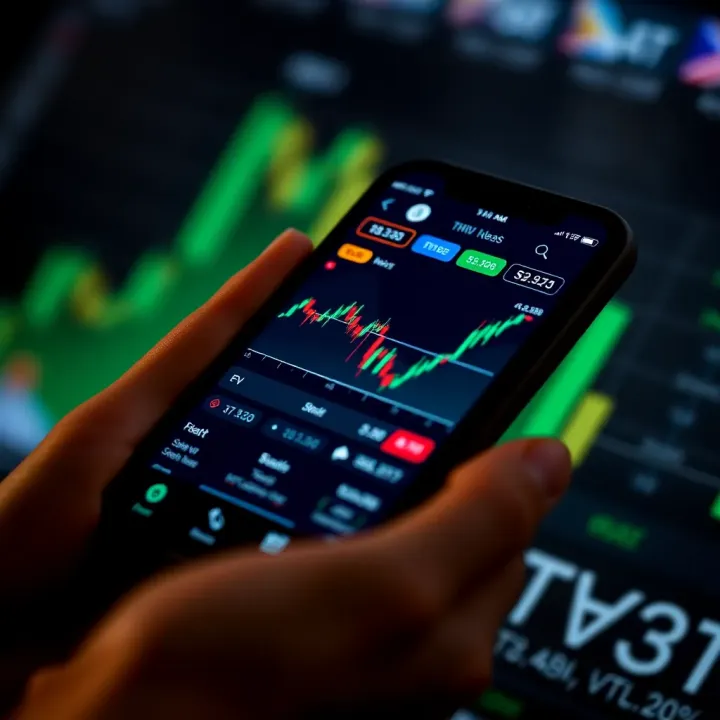
📱 Discover how forex trading apps work, what to look for, and tips for South African traders. Stay safe, understand risks, and navigate local regulations confidently.
Based on 6 reviews