
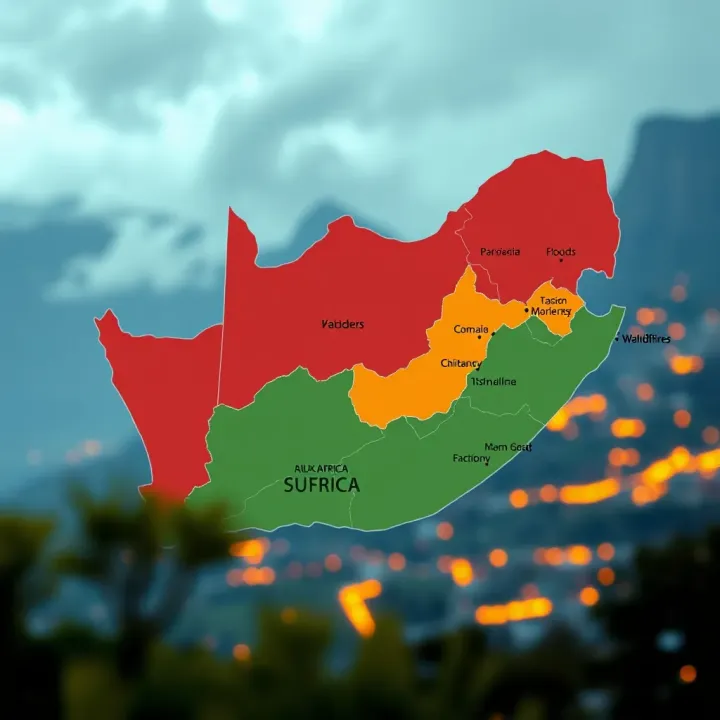
Disaster and Risk Management in South Africa
🌍 Explore disaster and risk management in South Africa: local risks, practical prevention, community roles, governance, and recovery tips for safer institutions and homes. 🔒
Edited By
Laura Dixon
Cape Town faces a unique mix of disaster risks, including drought, floods, and wildfires, which regularly test the city’s ability to respond and adapt. Managing these hazards requires coordinated action from local government, provincial and national agencies, and the communities most affected.
The city’s disaster risk management (DRM) framework centres on reducing vulnerabilities and strengthening resilience. This involves planning for emergencies, early warning systems, and investing in infrastructure that can withstand climate stresses. For example, the 2017–2018 drought pushed Cape Town to adopt robust water restrictions and explore alternative sources like groundwater and desalination, underscoring how severe weather can quickly escalate risks.

Local authorities work under national legislation such as the Disaster Management Act, which sets out duties for provinces and municipalities to prepare and respond effectively. The City of Cape Town’s Disaster Risk Management Centre coordinates these efforts, ensuring swift action during crises and implementing public education campaigns.
Active community participation is vital. Residents and businesses that understand risks and prepare accordingly can reduce pressure on emergency services and contain damages.
Some practical steps recommended include securing loose items ahead of storms, maintaining clear drainage systems during rainy seasons, and preparing firebreaks in vulnerable areas. Businesses, particularly in high-risk zones, benefit from emergency plans, insurance cover, and employee training to handle disruptions.
However, limited resources and the growing impact of climate change complicate DRM. Increasing average temperatures and more intense storms raise the stakes, often overwhelming existing infrastructure and budgets. The city must balance urgent needs with long-term investments in sustainable urban planning, such as preserving green spaces that absorb floodwaters or implementing stricter building codes.
For traders, investors, and analysts, understanding Cape Town’s DRM strategies highlights potential risks impacting property values, supply chains, or business continuity. Entrepreneurs can also explore opportunities in sectors like renewable energy, water-saving technologies, or urban farming, which support resilience in a changing environment.
In sum, Cape Town’s approach to disaster risk management is dynamic, blending policy, technology, and community action to face ongoing challenges. Staying informed and prepared adds a layer of security for all who live and work in the Mother City.
Disaster Risk Management (DRM) in Cape Town is vital given the city's exposure to a variety of hazards that can impact economic stability and social wellbeing. For investors and entrepreneurs, understanding DRM means recognising how risks like drought, floods, and fires can disrupt operations or supply chains. This overview lays the foundation for deeper insight into the city’s strategies to prepare for and mitigate such threats.
At its core, DRM aims to identify hazards, assess vulnerabilities, and develop plans to reduce the likelihood and impact of disasters. In Cape Town, DRM is not just about responding once a disaster strikes but focuses heavily on prevention and preparedness. This includes early warning systems, infrastructure planning, and community engagement — all key to keeping business and daily life running smoothly.
Cape Town has become a case study for drought management worldwide, especially after the severe water crisis from 2015 to 2018. The city relies heavily on winter rainfall, and prolonged dry spells strain water reserves, threatening households and businesses alike. Understanding local drought risks helps businesses build resilience, for example by adopting water-saving technologies or diversifying supply chains to avoid dependency on water-intensive processes.
Flooding, often triggered by heavy rains and stormwater surges, affects low-lying and informal settlements significantly. These floods not only damage property but also disrupt transport routes crucial for commerce. For the private sector, proactive measures like flood-resistant infrastructure and business continuity plans can reduce downtime and financial losses. Meanwhile, the city continues to improve drainage and early warning systems to mitigate impacts.
Cape Town’s Mediterranean climate with dry summers increases the risk of veldfires on the outskirts and peri-urban areas. Such fires can spread rapidly, threatening homes, tourist sites, and commercial zones. Fire management strategies involve controlled burns, community awareness campaigns, and rapid response teams. Businesses close to fire-prone areas are advised to maintain clear zones and firebreaks, reducing their exposure and helping in emergency response.
Besides the major threats, Cape Town faces other risks such as strong winds, power interruptions due to loadshedding, and occasional seismic activity. These can compound emergency situations or create secondary risks, such as when loadshedding affects water pumps during floods or fires. Awareness and robust infrastructure, combined with adaptable emergency plans, help reduce the disruption caused by these less obvious but significant hazards.
Effective DRM not only safeguards lives and assets but also supports investor confidence and economic continuity. Understanding the specific risks Cape Town faces is the first step for any serious stakeholder to plan accordingly.
The institutional framework for disaster management (DRM) is the backbone that holds Cape Town's efforts together when it comes to reducing risks and handling crises. Without a solid framework, even the best plans might fall apart in the heat of an emergency. This framework ensures clear roles, effective communication, and coordinated actions among all parties involved.
Cape Town’s city government plays a hands-on role in overseeing disaster risk management. The City of Cape Town’s Disaster Risk Management Centre (DRMC) leads the charge locally by planning, preparing, and responding to various hazards. This includes managing early warning systems, coordinating emergency services, and mobilising rapid response teams. Local agencies, such as Fire and Rescue Services and Environmental Health, work side by side to mitigate city-specific risks like veldfires or flooding in low-lying suburbs. The city's efforts also include collaboration with public utilities to safeguard water and electricity supply during droughts or power outages caused by storms.

Cape Town’s DRM does not operate in isolation. Coordination with Western Cape provincial authorities and the National Disaster Management Centre (NDMC) is vital. This collaboration allows for resource sharing, support during large-scale incidents, and unified messaging to the public. For example, during the height of the 2017 water crisis, provincial and national departments supported Cape Town in implementing water restrictions and sourcing emergency supplies. Additionally, integrated disaster management forums at various levels promote sharing best practices and aligning strategies across sectors.
Cape Town’s DRM framework follows national legislation prescribed by the Disaster Management Act (No. 57 of 2002), which mandates that all spheres of government maintain preparedness and resilience. This act provides the legal framework for risk assessments, contingency planning, and response protocols. Alongside national guidance, the City of Cape Town adopts specific by-laws and strategies — such as the Cape Town Disaster Management Plan — tailored to local hazards and vulnerabilities. Compliance with policies like the Municipal Systems Act and environmental regulations further integrates DRM into the city’s development agenda, ensuring disaster risk is considered in urban planning and infrastructure projects.
A clear institutional setup ensures that disaster risks are managed proactively and responses are swift, reducing harm to lives, property, and business operations.
Overall, the strength of Cape Town’s disaster management depends on this multi-layered institutional framework, which balances local action with broader support, backed by solid legal foundations. This setup is essential for building resilient communities and sustaining economic activities amid growing environmental uncertainties.
Community involvement plays a vital role in disaster risk management (DRM) in Cape Town. Residents are often the first to spot early warning signs or experience the initial effects of hazards like floods or fires. Engaging communities empowers them to actively reduce risks and prepare for emergencies, making DRM more effective at the ground level.
Cape Town’s approach includes working closely with neighbourhood groups in high-risk areas, especially informal settlements vulnerable to flooding and fires. Local committees often lead efforts to clear waste that blocks drainage or create firebreaks in veldfire-prone zones. For example, in Khayelitsha, community leaders coordinate with the city municipality to maintain stormwater channels, reducing flood risks during heavy rains.
Residents also participate in drills and training workshops, enhancing practical skills like first aid and evacuation procedures. This grassroots engagement helps build trust between authorities and communities, leading to faster, coordinated responses when disasters strike. Without community buy-in, even the best plans struggle to succeed.
Efficient communication is key to raising awareness about hazards. Cape Town employs multiple channels—from radio broadcasts in isiXhosa and Afrikaans to mobile SMS alerts—to keep residents informed. Schools incorporate disaster preparedness into their curriculum, helping younger generations understand risks and safety measures.
The city’s "Be Prepared" campaign encourages households to develop emergency kits and establish family plans. Visual posters in public spaces highlight simple steps like turning off electricity during loadshedding to prevent fires. These layered strategies ensure messages reach diverse audiences, including those with limited access to digital platforms.
Non-governmental organisations (NGOs) and civil society groups complement municipal efforts by offering specialised support. For instance, the Disaster Management Society of South Africa works with communities to improve hazard mapping and develop locally tailored risk reduction plans. They also provide resources and training where municipal reach is limited.
Organisations like the Red Cross run mental health support programmes for disaster-affected families, addressing the often-overlooked psychological impact. Meanwhile, environmental NGOs promote sustainable land use practices that can mitigate flood and fire risks upstream.
Active community participation and clear communication bridge the gap between policy and practice, making disaster risk management more resilient and inclusive in Cape Town.
By fostering strong partnerships across residents, authorities, and civil society, Cape Town strengthens its capacity to manage disasters before, during, and after they occur.
Disaster risk management in Cape Town contends with several complex challenges that shape the city’s ability to respond and recover. Understanding these is vital for investors, traders, and business leaders who depend on the stability and resilience of the local economy. The key obstacles include climate impacts, infrastructure and resource limits, plus the pressures of rapid urban growth.
Cape Town's climate is becoming more unpredictable, with longer dry spells, heavier downpours, and rising temperatures all intensifying disaster risks. The infamous Day Zero drought in 2018 showed how quickly water scarcity can disrupt business operations and household lives, reminding us of climate change’s harsh consequences. Environmental degradation, such as soil erosion and loss of vegetation on the surrounding mountainsides, increases flood and fire risks by reducing natural buffers.
Urban runoff carrying pollutants worsens water quality in dams and rivers, complicating water treatment and availability. For investors, this means careful attention to climate resilience is non-negotiable when considering long-term property or industrial ventures. Practical actions include supporting green infrastructure—like reservoirs, aquifer recharge schemes, and urban greening projects—to offset these environmental pressures.
Cape Town’s infrastructure faces strain from ageing systems and limited capacity for rapid disaster response. Many stormwater drains and sewage networks struggle to handle intense rain events, leading to flooding and environmental health hazards. Electricity supply interruptions from Eskom’s loadshedding also disrupt critical services, including emergency water pumping and communications.
Resource constraints at municipal and agency levels, particularly in funding and skilled personnel, hamper the upkeep and expansion of disaster management facilities. Businesses relying on uninterrupted supply chains and distribution networks need to factor in these vulnerabilities. Investment in decentralised renewable energy, backup power systems, and robust communication infrastructure can mitigate these infrastructure gaps.
Cape Town’s urban growth continues to spill over into informal settlements where basic services and disaster preparedness are limited. These areas often lie in flood-prone zones or near fire-prone vegetation, yet residents have little access to early warning systems, firefighting equipment, or safe water supply.
Rapid urbanisation without adequate planning heightens vulnerability, especially for lower-income communities. The informal nature of these settlements makes mapping risks and coordinating responses difficult, often leaving residents isolated during crises. Companies and investors involved in property development or local commerce should engage with community safety initiatives and support upgrading efforts that improve resilience.
Addressing these challenges requires a combined effort from government, private sector, and civil society to build a disaster-ready Cape Town that safeguards lives, livelihoods, and investments.
Cape Town's recent efforts in disaster risk management have shown promising results, especially considering the city’s vulnerability to drought, floods, and fires. These initiatives address practical challenges and demonstrate how coordinated strategies can reduce risk and help communities adapt. Such examples provide useful lessons for traders, investors, and entrepreneurs on managing environmental risks that can impact business continuity and local economies.
Facing its worst drought in decades during 2017-2018, Cape Town put several water conservation measures in place that are still relevant today. Restrictions limiting residential water use to 50 litres per person per day became headline policy. The city also invested in alternative water sources such as groundwater extraction and desalination plants, helping reduce reliance on the dam levels that often fluctuate with rainfall.
Businesses were encouraged to adopt water-saving technologies and better monitoring systems. For example, some industrial firms installed smart meters and recycling systems to minimise water waste. Practical campaigns targeted households with tips like using greywater for gardens and fixing leaking taps immediately. These efforts combined had a measurable impact, delaying the dreaded “Day Zero.”
Cape Town’s flash floods and heavy winter rains present a recurring threat, especially in low-lying areas and informal settlements. The city has strengthened its early warning systems by upgrading hydrological monitoring stations and collaborating with the South African Weather Service. Real-time data now feeds into emergency management centres to issue timely alerts.
Investments in infrastructure have also been key. Improved stormwater drainage systems in flood-prone suburbs and routine cleaning of culverts reduce blockages that exacerbate flooding. Community engagement plays a role here too — residents receive training on recognising flood signs and responding swiftly.
Veldfires in the Cape Winelands and surrounding areas have caused severe damage over the years. In response, community fire prevention programmes have gained momentum, combining education with action. Volunteers are trained in safe firebreak creation, controlled burns, and rapid response protocols.
Initiatives like the FireWise programme engage local residents, farmers, and businesses to coordinate fire preparedness efforts. Schools also incorporate fire safety into their curriculum, planting a culture of awareness from an early age. These programmes help limit fire damage and protect livelihoods.
Cape Town’s recent disaster risk management successes show the value of local involvement and targeted investment. They offer practical models for businesses and traders to consider when assessing environmental risks and planning for resilience.
These examples underline the importance of integrated strategies that cover prevention, preparedness, and response, while emphasising collaboration between government, communities, and the private sector.
People and businesses in Cape Town aren't just bystanders when it comes to disaster risk management (DRM). Their involvement can lower the impact of hazards like droughts, floods, and fires, while speeding up recovery. Taking responsibility at household and business levels helps to build a stronger, more resilient city where everyone plays a part.
Every household should start with a basic disaster plan. This includes knowing evacuation routes, having an emergency kit with essentials such as water, non-perishable food, and a first aid box, and keeping important documents safe. For example, during the 2017 drought crisis, well-prepared families coped better by having stored water and practising water-saving habits like reusing greywater for gardening.
Households in flood-prone areas should consider simple measures like sandbags or elevating electrical outlets to reduce damage. Also, investing in battery-powered radios or extra cellphone power banks can maintain access to warnings when loadshedding disrupts power.
Businesses need a clear plan to keep operating amid disasters. This involves identifying critical functions, creating backup systems like cloud data storage, and ensuring key staff know emergency procedures. A clothing retailer in Cape Town’s CBD, for instance, saved thousands by having an off-site inventory after flood damage struck their premises in 2019.
It's also vital for companies to review their insurance cover, confirm supply chain resilience, and communicate risks regularly to employees and customers. Smaller enterprises, particularly in informal sectors, might team up with local chambers of commerce or business forums to share resources and information.
Collaboration strengthens disaster resilience. Residents can join neighbourhood watches or community emergency response teams where they learn basic firefighting and first aid skills. Local NGOs, like Gift of the Givers, also welcome volunteers for disaster relief projects, providing hands-on experience and supporting city efforts.
Businesses can support these groups by sponsoring equipment or hosting training sessions. This kind of partnership not only benefits communities but also builds goodwill and solid networks that prove invaluable during crises.
Engaging residents and businesses in disaster risk reduction isn’t just about safety — it’s about creating a culture of shared responsibility that makes Cape Town more prepared and more adaptable for whatever comes next.
By taking these steps, both homes and businesses contribute to a safer environment, reducing strain on municipal services and improving recovery speed. Disaster risk management succeeds best when everyone actively plays their part, recognising hazards and acting before emergency strikes.
🌍 Explore disaster and risk management in South Africa: local risks, practical prevention, community roles, governance, and recovery tips for safer institutions and homes. 🔒

✅ Discover how risk management in projects helps teams identify, assess, and mitigate risks, keeping costs in check and ensuring goals are met with confidence. 📊
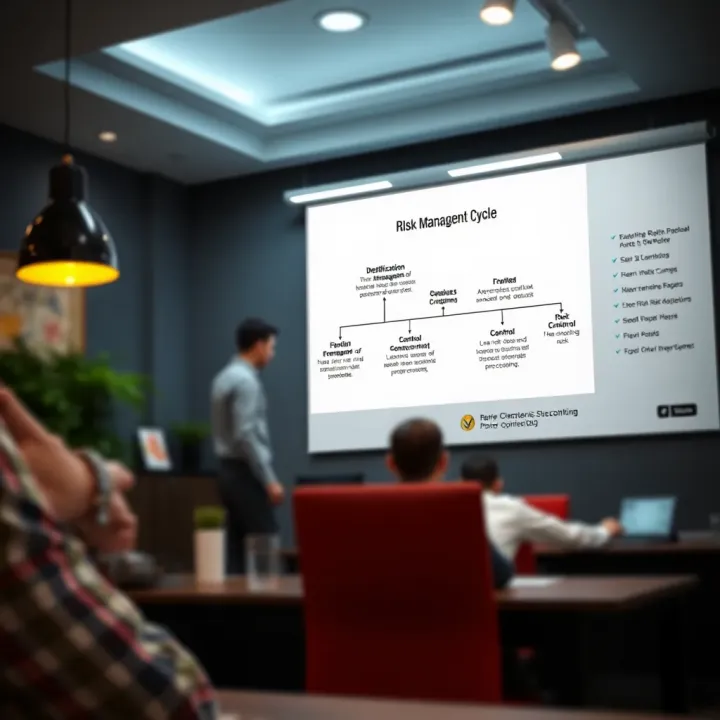
Explore how risk management helps identify, assess, control, and monitor risks for smarter decisions and smoother business operations in South Africa 🇿🇦📊
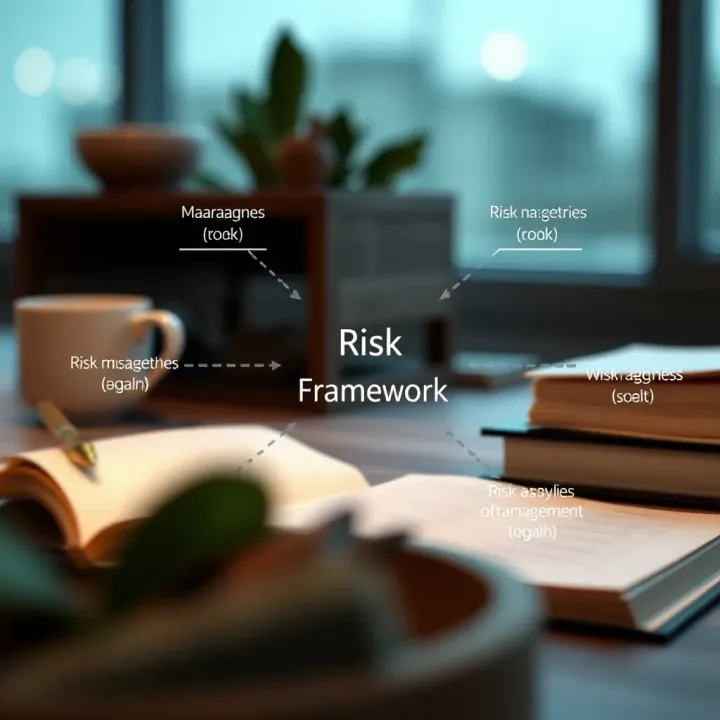
🔍 Explore diverse risk management frameworks to identify, assess, and reduce business risks effectively. Learn how to align with governance for strong protection.
Based on 12 reviews