

Fraud and Risk Management Strategies in South Africa
🔍 Explore practical strategies for fraud and risk management in South Africa. Learn about fraud types, risk assessment, prevention, tech, and regulations to protect your business.
Edited By
Ethan Graham
South Africa faces a wide range of disasters—from floods and veld fires to droughts and industrial accidents. This variety requires a flexible approach to disaster and risk management, tailored to the country's unique social and geographical landscape.
The main challenges include unpredictable weather patterns due to climate change, rapid urban growth in informal settlements prone to flooding, and strained infrastructure often worsened by loadshedding. Business owners, investors, and analysts need practical strategies that address these local realities to protect assets and communities.
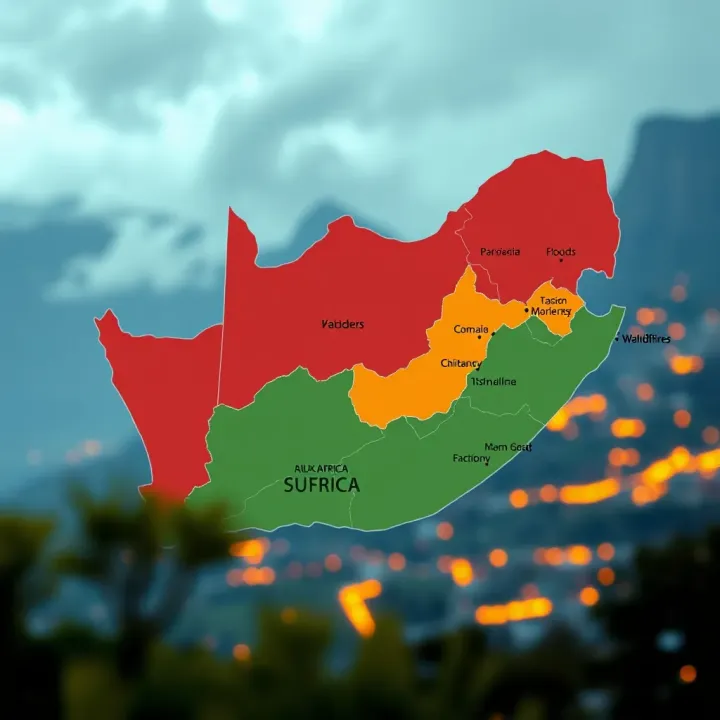
Effective disaster management begins with risk assessment. This means identifying hazards specific to your area or sector—whether you're running a mining operation in Mpumalanga or managing a logistics company in Gauteng—and evaluating the potential impact. These risks are typically ranked by likelihood and severity, which helps prioritise where resources should go.
Clear communication and community involvement are vital throughout the risk management process. Local knowledge can reveal hidden vulnerabilities, such as informal trade routes vulnerable to flooding or critical supply chains disrupted during power outages.
Governance structures in South Africa, like municipal disaster management centres, play a foundational role. They coordinate between national departments, local councils, and the private sector to implement disaster preparedness plans. For entrepreneurs, understanding this framework helps align business continuity planning with official response strategies.
On a practical level, prevention and preparedness include measures such as investing in backup generators where Eskom’s loadshedding risks affect operations, training staff in emergency procedures, and maintaining clear evacuation routes.
Recovery plans should focus on swift resumption of business activities and support for affected communities. Strong insurance cover, supply chain diversity, and maintaining good relationships with local authorities will ease the recovery phase.
In short, disaster and risk management in South Africa demands a hands-on, informed approach that addresses distinct local risks—combining thorough risk analysis, community engagement, and coordinated governance to reduce harm and secure economic stability.
In South Africa, grasping the nature of disasters and the risks they pose is essential for investors, entrepreneurs, and analysts who want to protect assets and make informed business decisions. The country's unique mix of environmental challenges and socio-economic conditions means risks can come from various directions — from floods to industrial accidents or health crises. Understanding these threats helps in planning and resilience, reducing potential losses and downtime.
South Africa experiences frequent natural hazards that affect agriculture, infrastructure, and communities. Flooding is common during heavy summer rains, especially in low-lying areas and informal settlements, often leading to damage of homes and transport routes. Droughts, like those seen in the Western Cape during 2017-2018, can devastate crop yields and strain municipal water supplies, impacting businesses relying on consistent water availability.
Storms, including strong winds and hail, inflict damage on properties and disrupt services. For example, a severe hailstorm in Gauteng in 2023 damaged thousands of vehicles, causing insurance claims to spike. For traders and brokers, knowing which regions face these hazards supports better risk management and informed portfolio choices.
Beyond natural threats, man-made incidents pose serious dangers. Fires in informal settlements are alarmingly frequent due to densely packed housing and limited emergency access, causing humanitarian crises and economic disruption. Industrial accidents, such as chemical spills or factory malfunctions, can halt production and pose health risks, underscoring the need for strict safety protocols.
Crime remains a significant concern in many urban and rural areas. Looting during service disruptions or social unrest can affect retail businesses and supply chains. Entrepreneurs should consider security measures and contingency plans, particularly in high-risk areas.
Environmental degradation, like soil erosion and pollution from mining activities, threatens long-term productive land and water sources. Health risks, including the spread of infectious diseases such as tuberculosis and periodic outbreaks like cholera, impact workforce availability and public health infrastructure. Understanding these risks is key to maintaining operational continuity and social responsibility.
Risk arises from a hazard combined with the vulnerability and exposure of people, assets, or systems. For instance, Cape Town's drought was a hazard, but the level of risk depended on how vulnerable communities were to water shortages and how exposed the economic sectors relying on water were. Vulnerability considers socio-economic factors like poverty levels and infrastructure quality, while exposure relates to location and the concentration of assets.
Traders and investors must assess all three aspects to fully appreciate the risk landscape, not just the hazard itself.
Risk assessment involves identifying potential hazards, analysing how they could impact systems, and estimating the likelihood and consequence of events. This process helps decision-makers prioritise resources and responses. In South Africa, assessing risks includes evaluating municipal disaster plans, reviewing historical incident data, and incorporating local knowledge.
A clear risk assessment informs strategies that reduce losses, help maintain business continuity, and protect communities.
Regular updating of risk profiles is vital since exposure and vulnerabilities evolve due to urban growth, climate change, and economic shifts. For business leaders, this means keeping a finger on the pulse of regional developments and adjusting operations to minimise risk.
Identifying and assessing risk stands at the heart of disaster management. Without clear knowledge of what dangers exist and how vulnerable communities or infrastructure are, efforts to address disasters are just guesses. Whether preparing for floods in Limpopo or fires in the Western Cape fynbos, systematic techniques help prioritise resources and shape effective responses.
Reviewing past incidents offers vital clues about the risks a region regularly faces. For example, analysing flood records in the Vaal River basin reveals seasonal patterns, helping municipalities anticipate pressure on dams and plan accordingly. This method adds a solid layer of evidence based on actual events, not just assumptions. However, relying purely on history can miss emerging threats due to climate change or urban expansion.
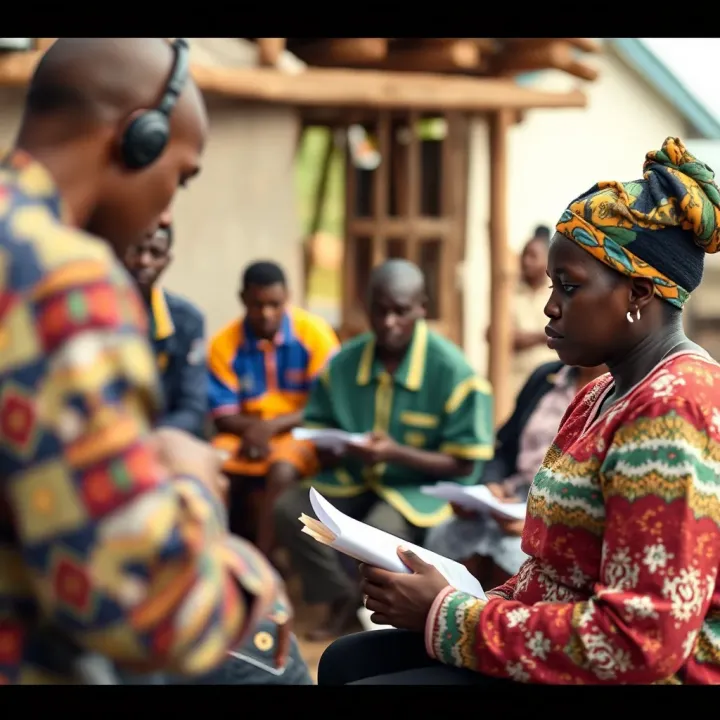
Communities often hold firsthand insight into hazards that official reports might overlook. Engage with long-term residents in flood-prone areas like informal settlements near the Jukskei River, and they can highlight problem spots or unofficial drainage routes. These consultations build trust while uncovering risks that technical data alone might miss. Plus, involving locals early strengthens disaster preparedness by empowering people to take ownership of their safety.
Modern technologies such as Geographic Information Systems (GIS) and drone imaging allow risk managers to map hazards with greater precision. For instance, overlaying municipal service infrastructure on floodplain maps helps identify which critical facilities could be affected during heavy rains. Mobile apps enabling rapid data collection in the field also speed up hazard assessments. South African organisations increasingly adopt such tools to improve the accuracy and speed of risk evaluation.
Understanding the socioeconomic context is key. Poverty-stricken areas like some Gauteng townships often face multiple vulnerabilities: overcrowding, limited access to clean water, and poor sanitation worsen health risks during disasters. When assessing vulnerability, factors like income level, education, and access to social services must be considered, as they shape a community’s ability to prepare, respond and recover.
Evaluating the state and location of critical infrastructure—roads, hospitals, power plants—is a practical way to gauge disaster impact. For example, assessing the vulnerability of Eskom substations to veld fires near Johannesburg informs prioritisation of firebreaks or rapid response units. Disruptions to infrastructure not only cause immediate danger but can trigger cascading effects, such as communication breakdowns hampering rescue efforts.
Marginalised groups—including the elderly, persons with disabilities, and residents of informal settlements—often face heightened disaster risks. Tailored vulnerability assessments help identify specific barriers they encounter, like inaccessible evacuation routes or lack of disaster awareness materials in local languages. Addressing their needs is necessary for inclusive disaster management, ensuring no one falls through the cracks during crises.
Good risk identification and assessment isn’t a one-off exercise; continuous updates reflecting changing environmental and social conditions keep plans relevant and effective.
This approach gives traders, investors, and analysts a grounded view of the layers beneath disaster risks in South Africa. It guides where investments in resilience and infrastructure upgrades can have the best returns, lowering disaster-driven disruptions.
Disaster prevention and preparedness are vital in South Africa, where communities regularly face floods, droughts, and urban fires. Developing clear strategies helps reduce vulnerability and speeds up recovery. For traders and investors, knowing that local governments and businesses have sound disaster plans in place adds confidence and stability to the operating environment. Practical strategies often link policy frameworks with community actions to create a solid defence against hazards.
South African local and national governments play distinct but complementary roles in disaster management. National structures like the National Disaster Management Centre provide policies and frameworks, while municipalities implement tailored plans responding to regional risks. For instance, Gauteng’s disaster plans focus heavily on urban fire risks and service disruptions, while KwaZulu-Natal prioritises flood management. Investors should therefore consider the specific disaster management capabilities of the area where they operate.
South Africa has several laws relating to disaster risk, including the Disaster Management Act, which requires municipalities and businesses to integrate risk reduction into daily operations. Compliance with these regulations is not just a legal formality—it reduces operational disruptions and aligns with broader risk mitigation strategies. For example, ensuring buildings follow fire safety codes helps avoid shutdowns during emergencies, protecting assets and personnel.
Disaster prevention must be part of broader development planning, like land use, infrastructure, and economic growth plans. This integration ensures that new developments consider hazard exposure and avoid high-risk zones, such as flood plains near the Vaal River. For businesses, understanding how municipal development plans address or overlook risk areas can impact decisions on where to set up operations or invest.
Effective disaster preparedness starts with education at the ground level. Training community leaders, local businesses, and households on recognising hazards and response actions builds a culture of awareness. Examples include fire drills at shopping centres in Sandton or drought awareness sessions in the Karoo. Traders and investors benefit when communities are informed and able to act quickly, as this reduces overall damage in disasters.
Engaging communities not only shares information but empowers them to take ownership of disaster risk management. Local participation in crafting safety plans ensures practical solutions that suit specific needs, such as establishing emergency shelters in informal settlements of Cape Town. By fostering resilience, businesses gain from fewer interruptions and greater neighbourhood stability.
Reliable communication channels are crucial to alert residents and businesses when disaster strikes. South Africa uses a combination of SMS alerts, community radio, and even road signage near flood-prone areas. Early warnings give companies time to secure equipment or pause production safely. For example, in areas prone to load shedding combined with storms, advance warning allows for contingency measures like backup power deployment.
Strong disaster prevention relies on a mix of solid policies, active community engagement, and timely communication. Together, these elements build a safer and more predictable environment for everyone involved.
Effective response to disasters hinges on strong coordination and clear management. In South Africa, this means organising various actors—from government agencies and emergency services to community volunteers—to work together quickly and efficiently when disaster hits. Without a well-structured response system, lives, property, and livelihoods face greater risk, while recovery becomes more challenging. The ability to direct resources where they are needed most reduces chaos and duplication.
During a disaster, established command and control systems provide a clear chain of leadership. This setup ensures decisions are made promptly and orders are communicated without confusion. For instance, the National Joint Operational and Intelligence Structure (NATJOINTS) often leads coordination in large-scale emergencies, integrating intelligence and operational units. Without this, different responders might work at cross-purposes, slowing down rescue and relief efforts.
Emergency services like the South African Police Service (SAPS), fire departments, and medical teams bear the brunt of immediate response. They manage evacuations, firefighting, and medical aid. Volunteers, often community-based, fill essential gaps, especially in remote areas where formal services arrive late. Their local knowledge and quick action can mean the difference between controlled damage and disaster escalation.
Disasters usually involve multiple agencies working side by side—municipal disaster management centres, health departments, the South African National Defence Force (SANDF), and NGOs. Cooperation enables pooling resources such as shelter facilities, transport, and communication tools. For example, after floods in KwaZulu-Natal, seamless coordination allowed SANDF logistics support to aid overwhelmed local municipalities, speeding up relief.
South Africa often grapples with limited funds for disaster readiness and ageing infrastructure. Many townships and rural areas lack adequate roads or communication networks, complicating rescue. For example, stretched municipal budgets mean some fire brigades operate with outdated vehicles. These constraints hamper timely response and amplify the disaster's impact.
Disasters manifest differently across urban centres and rural settlements. Urban areas may suffer from building collapses or traffic chaos, while rural zones face isolation and fewer shelters. Tailored response plans are needed. Consider the township fires in Cape Town versus drought in the Karoo; each demands different equipment, personnel, and local partnerships.
Eskom’s loadshedding adds a layer of complexity by disrupting power crucial for emergency communications, water supply, and medical facilities. During recent floods, power outages affected cellphone towers, delaying warnings and coordination. Backup generators and mobile power units are vital, but their availability varies. Contingency plans must prioritise energy resilience to avoid critical failures during disasters.
Clear command structures, resilient partnerships, and practical response plans adapted to South Africa's unique conditions can save lives and support faster recovery when disaster strikes.
Recovery and building back better form a vital part of disaster and risk management, especially in the South African context where both natural and human-made disasters can leave lasting damage. This phase goes beyond mere restoration; it aims to enhance the resilience of communities and infrastructure to better withstand future shocks. For traders, investors, and entrepreneurs, understanding how recovery processes work helps anticipate post-disaster market conditions and identify opportunities in reconstruction and resilience-building sectors.
The first phase focuses on providing urgent assistance to victims—food, shelter, medical aid, and psychological support. For example, during the 2023 floods in KwaZulu-Natal, organisations rolled out emergency shelters and distribution points rapidly to address basic needs. Efficient immediate relief is crucial to limit secondary crises such as disease outbreaks or social unrest, thereby stabilising affected areas and allowing other recovery efforts to proceed.
Once immediate needs have been met, priority shifts to reopening essential services such as electricity, water supply, healthcare, and transport. Local businesses and informal traders rely heavily on these to resume operations. Taking Gauteng’s 2021 riots as a case, restoring supply chains was critical to prevent food shortages across urban centres. Ensuring livelihoods return is key to economic recovery; practical measures include providing small business grants or skills training for displaced workers.
This phase involves rebuilding infrastructure, housing, and community facilities with a focus on long-term safety and sustainability. It’s an opportunity to rethink urban planning, incorporating flood-resistant materials or better drainage systems as seen in Cape Town’s response to drought-related wildfires. Resilience planning here not only safeguards against future disasters but also improves investor confidence by signalling a commitment to reducing risk.
Reconstruction offers a chance to upgrade existing infrastructure standards to withstand future disasters. For instance, roads and bridges rebuilt after heavy storm damage can be designed with better water runoff systems and stronger materials. This approach reduces costly repairs later and makes infrastructure more reliable for businesses and logistics networks vital to the economy.
Involving local communities ensures recovery efforts align with residents’ needs and priorities. Their knowledge often reveals vulnerabilities outsiders might miss, such as informal settlements prone to flooding. Engagement also fosters ownership and quicker recovery as people actively participate in rebuilding their homes and livelihoods. Companies with local partnerships can benefit from smoother project implementation and enhanced social licence to operate.
Continual monitoring assesses whether reconstruction meets safety, quality, and resilience goals. It helps identify gaps needing attention, preventing future failures. For example, tracking progress in restoring electricity post-disaster in rural areas allows timely adjustments to meet community needs. Transparent evaluation builds trust among investors, government agencies, and citizens, boosting support for ongoing recovery initiatives.
Recovery isn’t just about bouncing back but bouncing forward—turning disaster-stricken zones into stronger, more resilient hubs ready for future challenges.
This recovery mindset aligns with South Africa’s broader development goals and offers a practical roadmap for businesses and communities engaged in risk-conscious growth.
🔍 Explore practical strategies for fraud and risk management in South Africa. Learn about fraud types, risk assessment, prevention, tech, and regulations to protect your business.
Protect your South African business with smart fraud risk management. Learn to spot fraud types, strengthen controls, and boost employee vigilance 🛡️📊

Explore risk management study options in South Africa 🎓. Discover institutions, courses, practical skills, admission tips & career paths in the field.
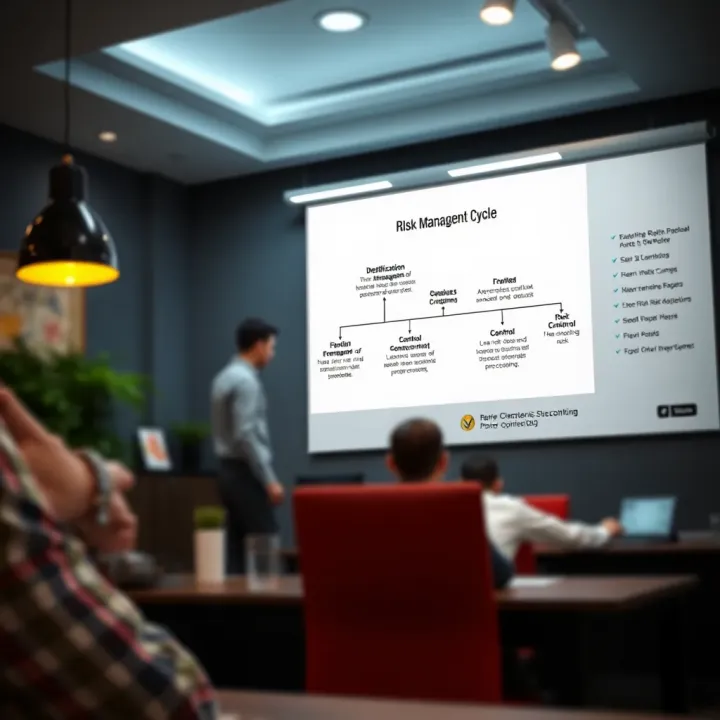
Explore how risk management helps identify, assess, control, and monitor risks for smarter decisions and smoother business operations in South Africa 🇿🇦📊
Based on 8 reviews