
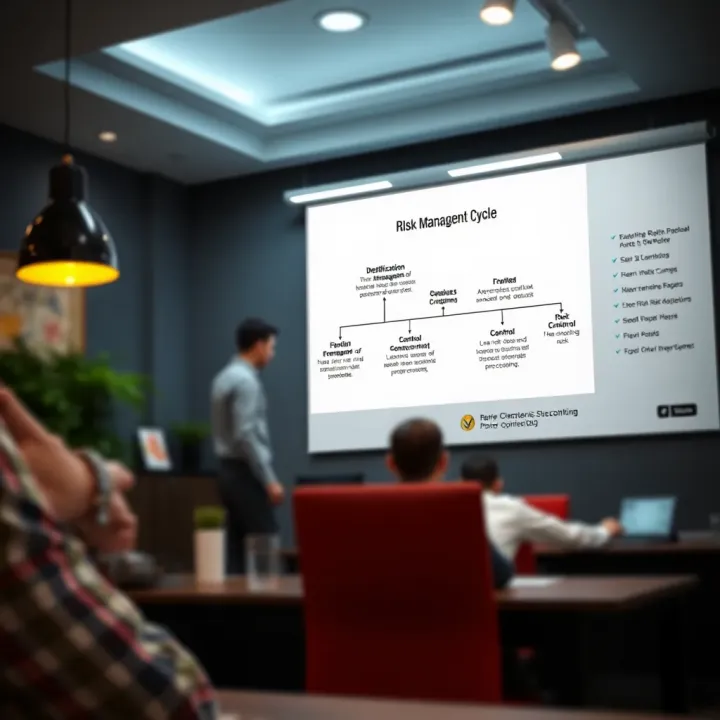
Key Functions of Risk Management Explained
Explore how risk management helps identify, assess, control, and monitor risks for smarter decisions and smoother business operations in South Africa 🇿🇦📊
Edited By
George Mitchell
In project management, risks are the unforeseen bumps that can throw a project off course. Managing these risks effectively isn't just about avoiding trouble; it’s about ensuring projects reach their goals without unnecessary cost or delay. When traders, investors, and entrepreneurs factor in risk management from the start, they set their projects on a clearer path to success.
Why bother with risk management? Well, it helps identify potential problems before they become major headaches. For example, a construction project in Gauteng might face delays due to transport strikes or unstable supply chains. Spotting these threats early allows teams to plan alternatives, avoiding costly stoppages.

Assessing risks lets project managers prioritise which threats demand immediate attention. Not every risk poses the same danger; some may be minor hiccups, others could derail the whole project. Understanding this difference helps allocate resources wisely, saving Rands and time.
Mitigating risks means taking action to reduce their impact or likelihood. This could be buying insurance, diversifying suppliers, or setting stricter quality controls. Efficient mitigation keeps projects on track, boosting stakeholder confidence. When investors see that risks are managed well, they’re more likely to support future ventures.
Effective risk management enhances decision-making by grounding choices in reality, not just optimism. It encourages open communication, as team members share concerns and solutions early on, avoiding misunderstandings and costly surprises.
In essence, risk management:
Keeps projects within budget by avoiding unexpected costs
Prevents delays through proactive problem-solving
Improves team coordination and morale
Raises confidence among financiers and clients
Consider a startup developing fintech software. By identifying regulatory risks early, the team avoids launching non-compliant features, saving potential fines and redesign costs. That’s practical risk management making a tangible difference.
By embedding risk management in project workflows, businesses and investors can navigate uncertainty with greater assurance. Instead of reacting to problems, they stay ahead — cutting costs, meeting deadlines, and delivering results that count.
Understanding risk management is a foundational step for any project aiming to succeed. It helps you spot potential issues before they become problems that derail progress or blow the budget. In the South African project context, where factors like electricity supply, regulatory changes, and fluctuating currency rates come into play, knowing how to manage risks isn’t a fancy add-on, it’s a necessity.
Project risks come in various flavours. Financial risks might involve unexpected costs from supplier price hikes or delays in funding disbursements. Operational risks relate to things like equipment failure or staff shortages, which are especially relevant given the skills gaps common in some sectors. Legal risks might emerge from failing to comply with local regulatory requirements or procurement laws. Other risks can include environmental issues, such as weather interruptions impacting construction timelines, or social risks like community opposition.
A risk is a possible future event that might affect your project either positively or negatively. For example, a new infrastructure project in Gauteng might face the risk of protests delaying work, but it may not happen. An issue, on the other hand, is something that’s already occurred or currently happening—for instance, a recent strike by contract workers delaying the project schedule. Managing risks effectively means preparing for these uncertainties before they turn into issues.
Consider a solar energy project in the Northern Cape. Risks include potential delays in importing specialised equipment or changes in government subsidies. Another example is a retail development in Cape Town, where risks could involve load shedding interruptions and water restrictions that impact construction. Knowing these specifics helps project managers tailor their risk strategies to local realities rather than relying on generic templates.
Pinpointing what could go wrong is the first step. This might involve workshops with the project team, site visits, or consulting local experts familiar with the region’s challenges. A clear list of risks forms a base for deeper analysis.
Not every risk carries the same weight. You assess how likely a risk is to happen and the scale of its impact. For instance, a potential petrol price increase might be very likely but have a moderate effect, while an unexpected legal change could be less likely but hugely disruptive.
Once you've sized up the risks, the next step is deciding how to handle them. Options include avoiding the risk altogether, reducing its likelihood or impact, transferring it (like using insurance), or accepting it with contingency plans. A road construction project in KZN might avoid weather disruptions by scheduling critical tasks outside of the rainy season, for example.
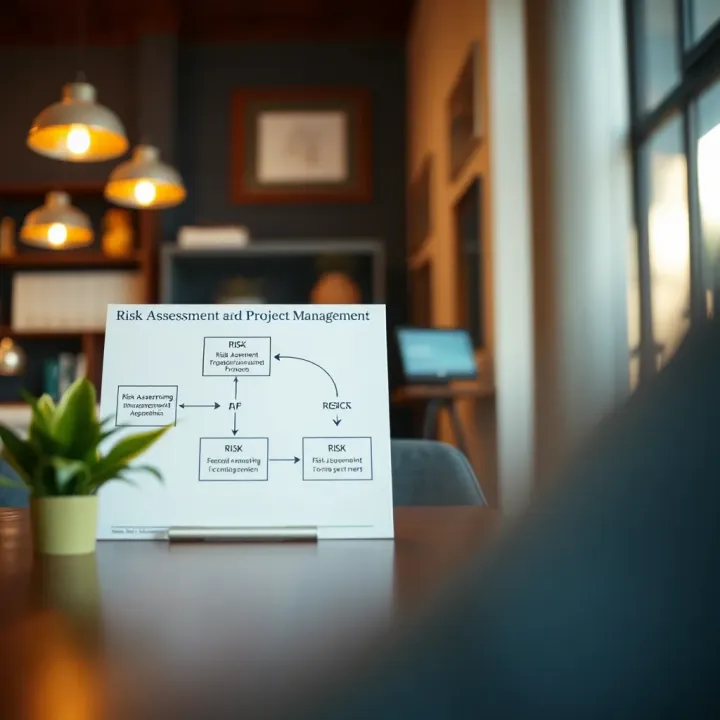
Risk management doesn’t stop once the plan is set. Risks evolve and new ones emerge, so regular check-ins are essential. Using risk registers updated at project meetings helps teams stay ahead, ensuring no risk lurks unnoticed.
Clear risk management builds a solid safety net, helping projects in Mzansi navigate uncertainties without falling off track.
The bottom line? Understanding risk management means facing project uncertainty with eyes wide open and a ready toolkit to protect goals and budgets.
Managing risks doesn't just serve as a defensive measure — it actively shapes better results across a project’s lifecycle. This section looks at how risk management keeps projects on schedule, within budget, and supports smarter decision-making throughout the process. These benefits directly affect the ability to meet goals on time and control expenses, which is vital for any project, especially in South Africa's often unpredictable business environment.
Preventing costly delays involves spotting potential hurdles before they stall work. For example, in a construction project in Gauteng, unforeseen permit delays can push timelines by weeks. A proper risk assessment flags this early, prompting the team to liaise with authorities sooner or build extra time into the schedule. This foresight saves money and prevents cascading hold-ups.
Controlling scope creep happens by setting clear boundaries on what the project entails. Without risk management, projects often expand beyond original goals, leading to missed deadlines and increased costs. Take a software rollout in Cape Town; new features requested mid-project can balloon expenses if not assessed through risk impact. A firm process helps stakeholders stick to agreed deliverables or factor changes through controlled adjustments.
Mitigating unexpected expenses means preparing financially for risks that could arise, such as exchange rate fluctuations impacting imported materials. For example, a Durban manufacturing company might face sudden price hikes due to Rand volatility. Risk management means identifying such exposures early and setting contingencies. This stops surprises from blowing apart budgets and keeps the project financially viable.
Using risk data to prioritise actions ensures that the team attacks the biggest threats first. Not all risks have equal weight; those that might cause serious disruption or costs are pinned down early. For instance, in an energy sector project, identifying the risk of Eskom load shedding leads to prioritising backup power systems, whereas less impactful risks like minor contractor delays get less immediate focus.
Making informed trade-offs means balancing quality, cost, and time based on risk insights. Decision-makers don’t have to guess which areas need cuts or boosts. In a Johannesburg IT infrastructure upgrade, for example, knowing the likelihood of supply chain issues might lead the team to accept a slightly higher cost for locally sourced equipment to avoid delays.
Aligning with organisational objectives is about ensuring the project supports broader business aims while managing risks. A project that fits naturally with strategic priorities gets more buy-in and resources. A retailer expanding into KwaZulu-Natal might manage risks related to local regulations and consumer behaviour carefully so the project aligns with both compliance and growth goals.
Effective risk management turns uncertainty into actionable insight, helping project teams deliver reliably while navigating South Africa’s unique challenges.
In summary, practical risk management helps keep projects steady, on time, and on budget while sharpening decisions based on real priorities and realities. It’s not just about avoiding problems but about steering the whole project towards clearer, better outcomes.
Effective risk management is not just a box-ticking exercise; it has real impact on how project teams work together and how stakeholders feel about the project. When risks are identified and handled upfront, the entire group benefits from clearer communication and stronger group cohesion. This leads to better decisions and smoother project delivery.
Sharing risk information openly means everyone involved in a project knows what challenges might crop up, from budget cuts to supplier delays. When a South African construction team openly discusses risks linked to possible labour strikes or materials shortages, they prevent surprises down the line. This openness keeps all parties in the loop and ready to adjust when necessary.
Building shared understanding is about making sure every team member and stakeholder views risks the same way. For example, in a Gauteng IT rollout, when developers, managers, and clients share their perceptions of cybersecurity threats, they develop a common language and approach. This alignment cuts down confusion and conflict during project hurdles.
Encouraging proactive problem-solving happens when everyone feels confident raising issues early on. A project team working on a municipal water infrastructure upgrade in KwaZulu-Natal might spot a possible delay due to transport restrictions caused by flooding. By tackling this risk together rather than waiting for it to become a crisis, they can develop alternatives like storage planning or rerouting vehicles.
Reducing uncertainty for stakeholders is vital, especially in complex projects with many moving parts. When investors or community members see that risks are being tracked and managed, their confidence in the project rises. Take a renewable energy initiative in the Northern Cape: clear risk plans reassure funders about potential challenges such as grid connection delays.
Enhancing trust in project leadership stems from consistent updates and transparent handling of risks. Leaders who admit to setbacks and explain how they intend to solve problems earn respect. For instance, an infrastructure project manager in Johannesburg who communicates monthly about risk status gains trust from municipal officials and contractors alike.
Supporting a positive risk-aware culture encourages teams and stakeholders to view risk as a normal part of project work, not something to fear or avoid. When this culture takes root, teams spot potential issues early and address them proactively. Organisations that embrace this mindset, such as certain mining companies in Mpumalanga, often navigate uncertainties with more agility and less stress.
Risk management strengthens the entire project environment, making the journey smoother not just for the project manager but for every person involved.
In sum, the benefits to teams and stakeholders from good risk management are practical and measurable: better communication, aligned goals, early problem-solving, stronger trust, and a culture that welcomes challenges constructively. These outcomes go a long way to ensuring projects finish successfully without major headaches or cost overruns.
Risk management tools and techniques offer project teams structured ways to identify, assess, and respond to risks. Without these tools, risks can slip under the radar or end up being managed haphazardly. In the South African project context—where factors like loadshedding, regulatory shifts, and fluctuating exchange rates come into play—relying on clear, practical methods becomes not just useful but necessary. Let's take a look at some common approaches that have proven their worth.
Risk registers and matrices form the backbone of risk tracking in many projects. A risk register is essentially a documented list of all identified risks, each one including details such as likelihood, potential impact, and assigned risk owners. This tool keeps everyone on the same page by centralising risk information. A risk matrix, often paired with the register, visually plots risks based on their probability versus impact. This helps teams focus on the risks that deserve immediate attention. For example, a civil engineering project in Gauteng might use these tools to monitor risks such as community protests, material delivery delays, and power interruptions.
SWOT analysis (Strengths, Weaknesses, Opportunities, Threats) offers a broader perspective by exploring internal and external factors that could affect a project. While it’s common in strategic planning, using SWOT in risk management highlights areas to watch and areas to build on. South African entrepreneurs launching startups often use SWOT to gauge economic uncertainties or gaps in the market that could either derail or accelerate their ventures.
Scenario planning goes a step further by imagining different plausible futures and analysing how each scenario could impact the project. This technique trains teams to prepare for unexpected shifts and avoid short-sighted decisions. For instance, a company planning infrastructure upgrades might model scenarios that include stricter environmental regulations or sudden fuel price hikes, allowing them to develop contingency strategies.
When it comes to digital aids, software solutions suitable for South African projects have become ever more important. Tools like Microsoft Project, Oracle’s Primavera, or local offerings such as LogicPM provide real-time risk tracking and reporting customised for local conditions. Their integration enables project managers to update risk data efficiently, share dashboards with stakeholders, and adapt plans quickly during disruptions like sudden load-shedding stages imposed by Eskom.
Embracing these proven tools not only structures risk management but also sharpens a team's ability to respond confidently amid South Africa’s unique challenges.
By incorporating these practical tools and techniques, project teams can better control uncertainties and deliver projects on time and within budget. Risk management stops being a box-ticking exercise and begins to work as a proactive safeguard for successful outcomes.
Effectively managing risk in projects is not without its hurdles. Overcoming common challenges ensures that risk management moves beyond theory and becomes a practical tool. When these barriers are addressed properly, projects are less likely to get blindsided by unforeseen issues, leading to smoother delivery and greater stakeholder confidence.
South African project teams sometimes face cultural challenges when it comes to openly discussing risks. In some environments, raising potential problems can be seen as negative or a sign of weakness. This hesitation to talk about risks can delay their identification and resolution, ultimately harming the project.
For example, in a community development project in a rural area, local stakeholders might avoid discussing financial or political risks openly because they want to maintain harmony or respect hierarchy. Such cultural sensitivity requires project managers to build trust patiently and encourage honest dialogue in a respectful manner. Using anonymous input tools or separate feedback sessions can help soften these barriers.
Many South African projects, especially smaller ones or those in the public sector, struggle with limited resources and a shortage of personnel trained in risk management. Without skilled people to identify and analyse risks, teams end up reacting rather than preparing.
Consider a municipal infrastructure project where budget constraints mean that training sessions on risk registers and scenario planning are cut. The absence of these skills often leads to missing critical warning signs about supplier delays or community protests. Addressing this challenge means investing in basic capacity building, even through online courses or mentoring, to develop a practical risk-aware mindset.
Risk management should not be a one-off activity done at project initiation. It requires constant monitoring as new risks emerge and circumstances change. However, it is common for teams to focus on day-to-day issues, pushing risk oversight to the back burner until a problem surfaces.
For instance, a construction project near Cape Town might initially allocate time for risk assessment, but when deadlines tighten, this practice is dropped. This lapse makes the project vulnerable to avoidable problems like weather disruptions or supply chain issues during loadshedding.
Sustaining attention means embedding risk reviews into regular project meetings, making risk ownership clear, and using simple tools like updated risk registers to keep it visible. This approach transforms risk management from an occasional chore to an ongoing habit.
Consistent risk focus, combined with an open culture and basic skills, makes a substantial difference in steering projects clear of trouble.
Tackling these challenges involves patience and pragmatic steps but pays off in more resilient projects and stronger teams. When resistance is lowered, resources are better used, and risk stays front of mind, project management in South Africa can overcome common stumbling blocks effectively.
Explore how risk management helps identify, assess, control, and monitor risks for smarter decisions and smoother business operations in South Africa 🇿🇦📊
🔍 Explore diverse risk management frameworks to identify, assess, and reduce business risks effectively. Learn how to align with governance for strong protection.
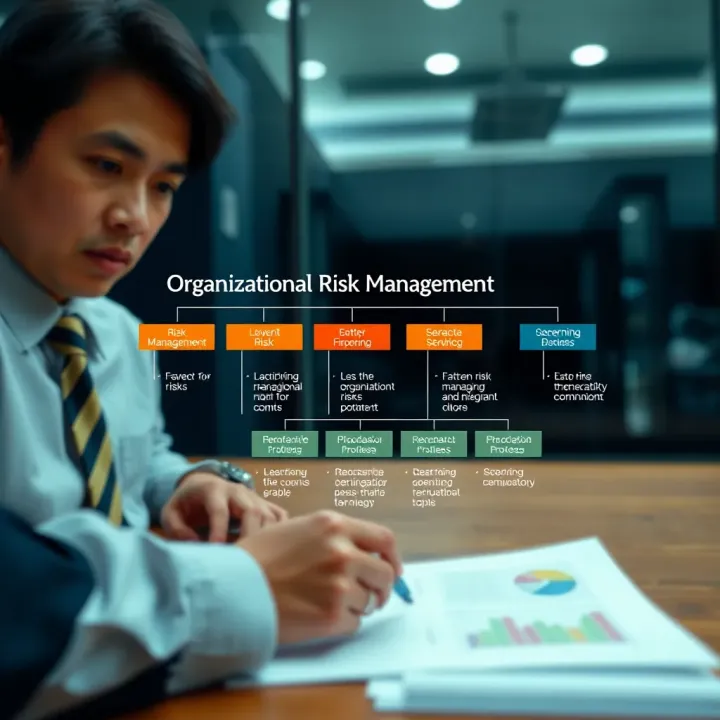
Learn to manage risks effectively by identifying, assessing, planning, and monitoring them. Stay in control and reduce potential pitfalls with clear strategies ✅📊
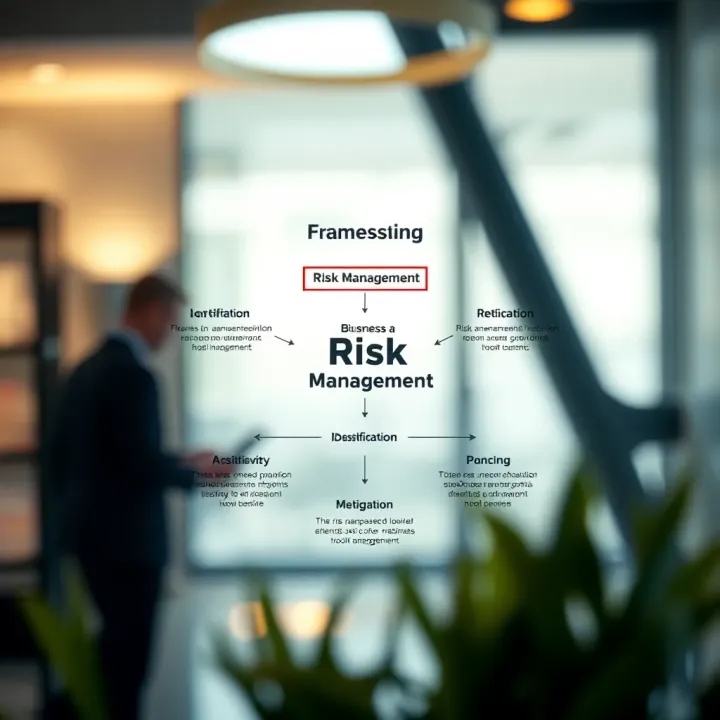
Explore why effective risk management is vital for South African businesses 🇿🇦. Learn how to navigate challenges and make smarter decisions for lasting success 📊.
Based on 14 reviews