
Effective Business Risk Management Frameworks
🔍 Explore diverse risk management frameworks to identify, assess, and reduce business risks effectively. Learn how to align with governance for strong protection.
Edited By
Isla Morgan
Risk is part and parcel of running a business, but how you handle it can make or break your success. Business risk management is about spotting those risks upfront, figuring out how serious they are, and then taking steps to keep them from wrecking your operations or profits.
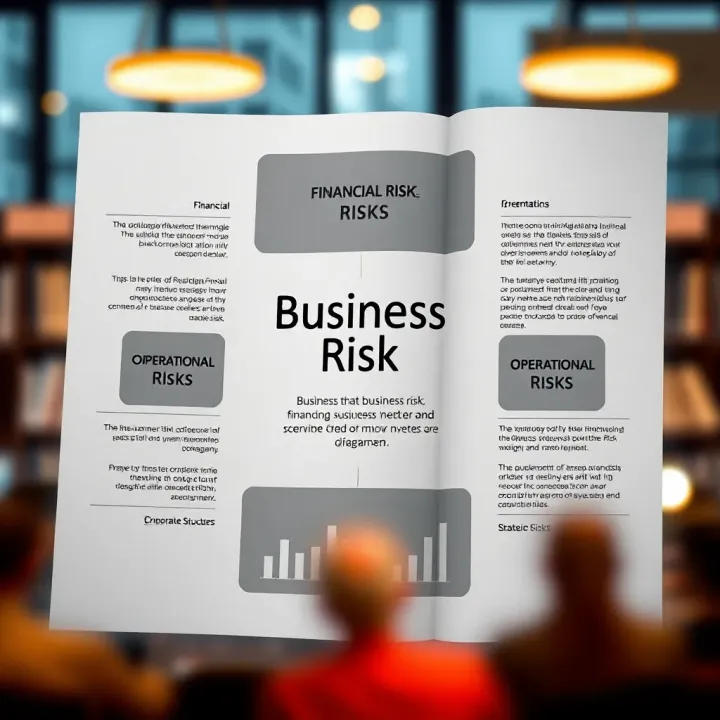
Not all risks come from the same place. Here are a few you should watch for:
Market Risk: Changes in customer demand, competition, or economic downturns.
Operational Risk: Failures in day-to-day processes, technology breakdowns, or supply chain hiccups.
Financial Risk: Interest rate shifts, credit defaults, or currency fluctuation.
Compliance Risk: Falling foul of laws and regulations, which can lead to fines or loss of reputation.
Strategic Risk: Errors in business decisions, like expanding too fast or mistiming product launches.
Once you identify risks, you need to measure them properly. It's not enough to guess; you need data-driven methods:
Risk Probability: How likely is the risk to happen?
Impact Analysis: What would be the financial or operational hit if it happens?
Prioritization: Rank risks from most to least threatening.
For example, a small startup might face more strategic risk but lower financial risk than a large multinational.
To manage risk effectively, companies use a mix of approaches:
Avoidance: Simply steering clear of risky activities. For instance, a company might choose not to enter a volatile market.
Mitigation: Taking steps to reduce risk impact, such as diversifying suppliers to avoid supply chain issues.
Transfer: Shifting the risk to a third party, like purchasing insurance against fire damage.
Acceptance: Sometimes, you bear the risk because it's minor or too costly to avoid.
Many companies adopt recognized risk management frameworks like COSO or ISO 31000 to keep their processes consistent and thorough. These frameworks guide systematic risk identification, evaluation, and control.
Technology also plays a big role: today’s analytical tools can scan market trends or flag operational anomalies in real time. For instance, AI-powered platforms can alert traders about unusual stock volatility patterns, helping them adjust their strategies quickly.
Successful risk management isn't about eliminating all risks—that's impossible. It's about understanding which risks matter and handling them smartly to keep your business steady.
The bottom line is that every business faces risk, but those who manage risks actively stand a better chance of staying profitable and growing steadily. Knowing where risks hide and having a clear plan to tackle them keeps you ready for whatever comes next.
Recognizing the different types of business risks is the foundation for managing them effectively. Without this understanding, companies may overlook critical threats that could disrupt operations or drain profits. Knowing what kinds of risks exist helps you prepare targeted strategies that are both practical and timely.
Production failures and supply chain issues pose a significant internal risk. Imagine a factory that suddenly encounters a machinery breakdown, halting production for days. This delay can cascade into missed delivery deadlines, dissatisfied customers, and lost revenue. Similarly, if a supplier fails to deliver crucial components on time, it can stunt your entire production process. These disruptions highlight the need to closely monitor the operational side and maintain backup plans, such as secondary suppliers or inventory buffers.
Financial mismanagement and cash flow problems often sneak up quietly but hit hard. For example, a small business that overextends credit to clients without proper checks may end up with unpaid invoices, choking its cash flow. Likewise, poor budgeting can lead to overspending in some areas, leaving critical projects underfunded. These issues remind us why businesses need a tight grip on financial reporting, regular cash flow analysis, and conservative spending practices to ensure funds are available when needed.
Competition and market volatility can shake up even the most stable businesses. Picture a startup facing unexpected aggressive pricing from a dominant player, or a sudden downturn in consumer demand due to economic shifts. Such factors force companies to stay agile—adjusting pricing, exploring new markets, or ramping up marketing to maintain their edge.
Regulatory changes and compliance risks are another big factor. New laws on data privacy or environmental standards can impact costs and operations overnight. Take the example of a financial services firm needing to comply with new SEC regulations. Failing to do so not only risks hefty fines but also damages reputation. Staying informed about legal updates and maintaining flexible policies are essentials to avoid these pitfalls.
Natural disasters and environmental hazards represent unpredictable risks with potentially severe consequences. Consider how hurricanes or wildfires can disrupt supply chains, damage facilities, or force temporary closures. Having an emergency response plan and proper insurance coverage can mitigate some effects but not all. These events underline why risk management isn’t just about numbers but about real-world preparedness.
Understanding these risk types helps investors, traders, and business leaders make smarter decisions. Being aware of both internal and external threats allows you to build resilient strategies that protect your bottom line and keep your operations steady, no matter what comes your way.
Effectively assessing and prioritizing risks lets businesses focus on the issues that could have the biggest impact. Not all risks carry the same weight, so distinguishing between minor hiccups and major threats helps decision-makers allocate resources smartly. Take a retail company, for instance: understanding that a supply chain disruption during holiday season sales poses a bigger risk than occasional power outages guides preparations and investments accordingly.
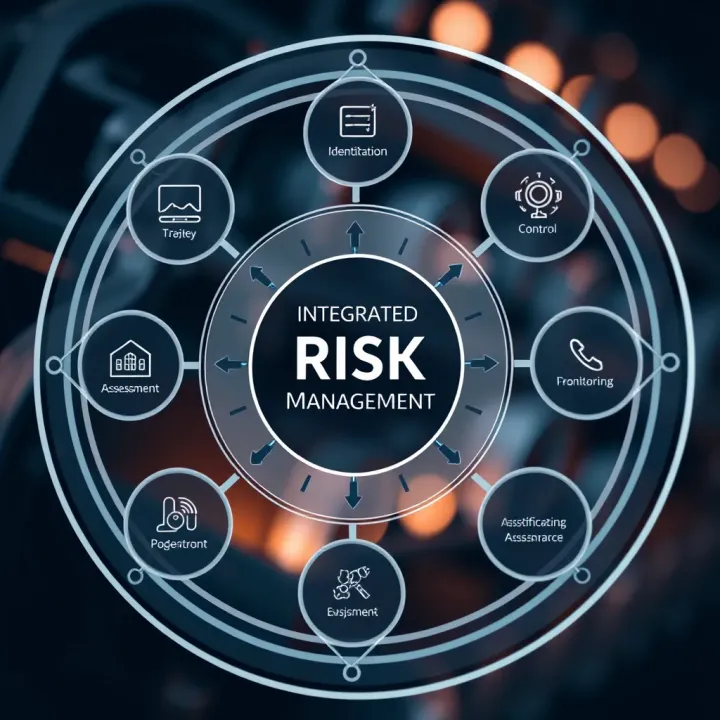
Brainstorming sessions bring together different minds—team members, managers, and industry experts—to surface risks that might otherwise slip through the cracks. This approach taps into collective knowledge, spotting operational hiccups, market shifts, or emerging compliance challenges before they materialize. For example, a startup developing a new app might consult cybersecurity experts to identify potential vulnerabilities early.
Expert consultations add depth by offering specialized insights that internal teams may lack. These professionals understand industry-specific risks, like regulatory changes or supply disruptions, giving businesses a clearer picture. Combining brainstorming with expert advice ensures a broader and sharper risk view.
Looking back at past incidents and analyzing data patterns offers concrete clues about what could go wrong. Businesses can spot recurring failures, seasonal trends, or external shocks through sales figures, production records, or market data. A manufacturing firm reviewing previous downtime reports might identify machinery prone to failure, highlighting areas for preventive action.
Historical review isn’t just about the past; it anchors risk assessments in reality. It helps firms avoid chasing phantom risks and instead prioritize those with a track record or measurable indicators. This method complements brainstorming by grounding ideas in evidence.
Quantitative risk assessment uses numbers to measure potential impact and probability. For example, a financial institution might calculate the dollar loss expected from a fraud event occurring ten percent of the time. This approach supports clear, data-driven decisions, especially where reliable data exists.
Qualitative assessments rely on expert judgment and descriptive scales, like rating risks as high, medium, or low. This works well when precise data is scarce or hard to quantify, such as employee morale or brand reputation risks. In practice, combining both methods often delivers the most balanced view.
Assigning scores to risks based on their impact and likelihood helps prioritize them in order of importance. A simple matrix might assign values from 1 to 5 for each factor, multiplying them to create a risk score. For example, a risk with a likelihood of 4 and an impact of 5 scores 20, marking it as high priority.
Ranking risks this way makes managing them manageable. It shines a light on urgent issues like data breaches or supply shortages, so resources target what really matters. Plus, it clarifies communication among teams by establishing a common risk language.
Focusing on the most pressing risks empowers companies to prevent avoidable losses and steer toward steady success.
In short, solid risk assessment combined with clear prioritization sharpens business resilience. Whether you’re handling financial risks, operational hurdles, or market shifts, these techniques guide you to make smarter, quicker choices.
Developing practical strategies to manage business risks is essential to maintain stability and promote long-term growth. Rather than just identifying risks, companies need actionable measures to lessen their impact. These strategies balance prevention, transfer, and acceptance to align with the company’s goals and risk appetite. For traders, investors, and entrepreneurs, effectively applying these strategies means fewer surprises and more control over potential setbacks.
Process improvements and quality control focus on cutting down the chances of operational mishaps. For example, a manufacturing firm might tighten quality checks and streamline assembly lines to reduce defects. These improvements minimize waste, lower rework costs, and ensure the product meets standards consistently. In a trading context, better processes could involve upgrading software systems to reduce human error during transactions.
Diversification and contingency planning work hand-in-hand to spread exposure and prepare for uncertainties. A diversified investment portfolio reduces the blow if one sector tanks. Similarly, a business that sources materials from multiple suppliers doesn't get stuck if one vendor fails. Contingency plans—like backup systems or emergency funding—act as a safety net to keep operations afloat when unexpected events hit. For instance, a small retailer planning alternate supply routes before hurricane season can avoid severe shortages.
Insurance policies serve as a practical way to shift financial risk to a third party, safeguarding against costly damage or liability. A startup launching a new product might invest in product liability insurance to cover any legal claims arising from defects. While insurance doesn’t eliminate risk, it provides a cushion that helps companies weather expensive surprises without draining resources.
Outsourcing and partnerships can spread risk by sharing responsibilities. A tech company outsourcing customer support reduces the risks tied to staff shortage or training. Forming strategic partnerships also enables shared risk in ventures with uncertain outcomes, like co-investing in developing a new market. These arrangements often bring expertise and resource flexibility, making operations more resilient.
Setting risk thresholds means defining the level of risk a business is willing to tolerate before taking action. This prevents overreacting to minor hiccups while also flagging serious issues early. For example, a trader might set a stop-loss limit to automatically sell a stock when losses hit a certain point, avoiding bigger damage.
Ongoing risk review and adjustment are vital because risk landscapes evolve continuously. Regularly revisiting risk assessments helps businesses catch new threats or changes in existing ones. Adjusting strategies accordingly ensures sustained alignment with goals and market realities. For instance, an energy company might update its contingency plans annually to consider new regulations or weather patterns affecting operations.
The bottom line is: having solid, practical strategies to manage risk doesn’t just protect your business—it makes your operations smarter and better prepared. Keeping risk management hands-on and adaptable puts you ahead in the unpredictable world of business.
Putting risk management frameworks and policies in place isn’t just a box to tick – it’s the backbone of how a business tackles uncertainties systematically. These frameworks establish a clear process for identifying, assessing, and managing risks across all levels of a company. Without them, risk management efforts can become patchy or reactive, leaving the business exposed.
A solid framework ensures everyone is on the same page regarding risk priorities and response methods. For example, a trading firm might use its policy to specify how to handle market volatility risks differently from operational risks, setting thresholds for when escalation is necessary. This structured approach leads to more consistent decisions, better allocation of resources, and ultimately smoother sailing through turbulent times.
The COSO framework offers a practical way to enhance organizational governance and risk management. Originally developed for financial reporting, its five components—including control environment, risk assessment, and monitoring—apply well beyond accounting. Many public companies and financial institutions lean on COSO to integrate risk controls into daily operations.
For instance, an investment fund might use COSO’s risk assessment principles to map out potential loss scenarios, then set up controls to catch irregular trades early. The framework’s focus on continuous monitoring helps maintain a grip on risks before they spiral out of control.
ISO 31000 is a global standard providing clear guidelines on designing and implementing an effective risk management process. It’s broad, adaptable across industries, and aims to create a risk-aware culture. Unlike COSO, it’s not tied to a specific regulatory framework, making it a flexible choice for many organizations.
A mid-sized tech startup, for example, could follow ISO 31000 to develop a risk policy tailored to its product lifecycle risks and cybersecurity threats. By adopting ISO’s principles—like embedding risk management into overall governance—it builds resilience while encouraging proactive risk thinking across teams.
Training employees isn’t just about formal sessions; it’s a continuous process of keeping risk awareness top of mind. When staff members understand the types of risks that affect their roles and know how to identify early warning signs, the whole company becomes more responsive.
Take a brokerage firm that runs monthly risk workshops and shares real cases about compliance or market disruptions. This ongoing education helps frontline workers spot red flags early and act accordingly, reducing potential fallout.
Risk management only works well when leaders walk the talk. Leadership involvement means setting clear expectations, providing resources, and holding teams accountable for managing risks properly. When executives visibly support risk policies, it sends a strong signal that risk isn’t just a compliance issue but a critical part of business success.
For example, the CEO of a retail chain might regularly review risk reports with managers, demanding explanations for deviations and encouraging honest dialogue. This hands-on approach builds trust and ensures risks get addressed before escalating.
Sustaining a risk-aware culture hinges on combining solid frameworks with engaged leadership and empowered employees — it’s everybody’s business.
Implementing frameworks like COSO or ISO 31000 alongside focused employee training and leadership accountability creates a solid foundation for managing risks effectively and sustaining business growth.
In today’s competitive market, using technology to handle risk management gives businesses a major edge. It’s not just about having fancy tools; it’s about gaining the ability to spot threats early and respond faster than ever. From data crunching to cybersecurity measures, technology helps cut down surprises that can cost companies time and money.
Predictive modeling for risk forecasting is like having a weather forecast but for business risks. Companies can analyze past data and market trends to predict what might go wrong next. For instance, a retailer might use predictive models to forecast supply chain disruptions based on transportation delays or weather patterns, allowing them to adjust inventory before issues arise. This kind of foresight helps traders, investors, and brokers make smarter decisions by anticipating risks instead of reacting after the fact.
Automation plays a big part in risk management by taking routine monitoring off human hands. Automated systems can continuously track financial markets or operational data, flagging anything unusual right away. A common example is using software to automatically pull compliance reports or monitor credit risk exposures, ensuring companies stay on top of regulations and avoid penalties. This approach reduces human error and frees up time for analysts to focus on strategic issues.
Threat detection systems act as an early warning radar against cyberattacks. These systems scan networks and data for suspicious behavior, like unauthorized logins or malware activity. As businesses increasingly rely on cloud services and online transactions, staying ahead of cyber threats is vital to protect assets and maintain trust. For example, banks investing in advanced threat detection can prevent fraud attempts that might otherwise cost millions.
When a breach or threat does occur, having a solid incident response plan becomes crucial. This plan outlines clear steps to contain damage, investigate the cause, and communicate with stakeholders effectively. Without it, companies risk losing precious time, which can magnify the impact. Incident response is especially important for brokers or investment firms handling sensitive client data since swift action can mean the difference between a minor hiccup and a major crisis.
Technology isn't just a support tool for risk management – it has become a core component that drives smarter, faster, and more proactive risk handling.
By integrating data analytics, automation, and fortified cybersecurity measures, businesses can handle risks with more confidence and keep their operations on steady ground.
🔍 Explore diverse risk management frameworks to identify, assess, and reduce business risks effectively. Learn how to align with governance for strong protection.
Explore why effective risk management is vital for South African businesses 🇿🇦. Learn how to navigate challenges and make smarter decisions for lasting success 📊.

Discover how risk management 🛡️ helps protect your business and daily life by identifying threats, improving decisions, and securing your future.

Explore how Cape Town manages disaster risks like drought, floods & fires ⚠️ with local strategies, governance, community roles & climate change challenges 🌍
Based on 14 reviews