
Understanding Forex Trading Made Simple
📉 Learn how forex trading operates and why it matters, including key players, common strategies, and risks — all explained plainly for South African newcomers 🌍
Edited By
James Thornton
Forex trading EAs, or Expert Advisors, are software programs that automate trading in the foreign exchange market. Instead of clicking buy or sell manually, these programs analyze price data and execute trades based on pre-set rules. Their main appeal lies in removing emotional decision-making, allowing trades to run 24/7 without constant supervision.
At their core, EAs follow programmed strategies, such as trend-following, scalping, or breakout detection. For example, an EA might buy a currency pair when the 50-day moving average crosses above the 200-day moving average, and exit the trade once the opposite happens. These rules are coded so the EA can act instantly, something traders can’t do manually.
EAs are popular because they:
Operate nonstop, seizing opportunities in any timezone
Maintain discipline by sticking strictly to a strategy
Can backtest strategies using historical data before risking real money
That said, they aren’t foolproof. Market conditions change, and an EA optimized for stable trends might struggle during volatile periods. Plus, not all EAs are created equal: some are based on solid algorithms, while others rely on outdated or weak strategies.
Always test an EA on a demo account before going live. This allows you to see how it performs under current market conditions without risking your capital.
Choosing or developing an effective EA means focusing on key features like:
Customizability: Can you tweak settings to fit your trading style?
Risk management tools: Does it include stop losses or limits?
Transparency: Can you understand the logic behind its decisions?
To get the most out of an EA, constant monitoring and optimization are essential. As markets shift, adjusting parameters ensures the EA stays aligned with your goals and risk tolerance.
Bottom line: Forex trading EAs can be a powerful tool, but success depends on understanding their mechanics, picking the right one, and managing them carefully. Blind trust can lead to losses, but informed use can help you trade smarter and save time.
Understanding how Forex trading Expert Advisors (EAs) operate is key to using them effectively. These automated tools help traders execute strategies without needing to monitor markets constantly, making them especially useful in the fast-moving Forex environment. Knowing what makes them tick helps you pick the right EA for your goals and manage risks sensibly.
An Expert Advisor is a type of software designed to automate trading decisions in the Forex market. It watches market prices and other data, then opens, modifies, or closes trades based on a set of programmed rules. This makes it possible to trade around the clock without being glued to your screen.
Algorithmic decision-making is the core of how EAs operate. The software analyzes market signals—like price patterns or technical indicators—to decide when to enter or exit trades. For example, a simple EA might buy when the 50-day moving average crosses above the 200-day average, signaling an uptrend. Unlike human traders, EAs can react instantly to market moves.
Expert Advisors usually plug into popular trading platforms like MetaTrader 4 or 5. This integration allows the EA to access live price feeds, execute trades directly in your broker account, and provide real-time trade updates. MetaTrader’s user-friendly environment makes testing and customizing EAs straightforward, letting traders tailor strategies to their preferences.
Trend-following EAs focus on catching sustained price movements in one direction. They rely on indicators like moving averages, MACD, or RSI and are effective during clear bullish or bearish periods. For instance, a trend-following EA might stay out of choppy markets and only trade when the trend strength surpasses a specific threshold.
Scalping EAs aim for tiny, quick profits by opening and closing many trades within short timeframes, often seconds to minutes. They work best with brokers offering low spreads and fast execution. Scalping EAs demand reliable internet connections and robust platforms since even minor delays can ruin profits.
Then there are Grid and Martingale strategy EAs, which use more aggressive approaches. Grid EAs place buy and sell orders at set price intervals without predicting market direction, hoping to profit as prices fluctuate. Martingale EAs increase trade sizes after losses to recover previous setbacks plus a profit. While these can generate gains in range-bound markets, they carry higher risks if the market trends strongly against them.
Choosing the right EA depends on your risk appetite, trading style, and market conditions. Understanding its operation helps you set realistic expectations and manage trades more confidently.
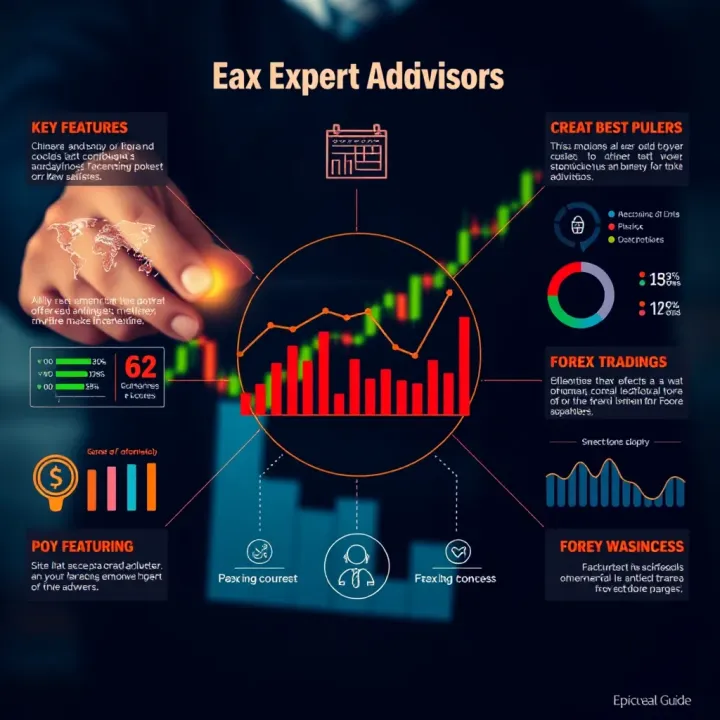
Automated trading has changed how many approach the forex market, but knowing the strengths and weaknesses of trading EAs (Expert Advisors) is a must before diving in. These tools offer clear perks like removing emotional trading mistakes and nonstop market engagement. Still, they also come with risks, including over-optimization and technical glitches, which can lead to unexpected losses.
Removing emotional bias is one of the biggest advantages of using forex trading EAs. Humans tend to make impulsive decisions based on fear or greed, especially when markets move fast. EAs follow predefined rules strictly, which means they don’t panic during a sudden drop or get overconfident in a rising market. For instance, a trader prone to overtrading might benefit from an EA that blocks trades when risk limits are hit, helping maintain discipline.
Another major benefit is the ability to trade 24/7. The forex market never really sleeps, with different trading centers opening and closing across time zones. Unlike human traders, EAs don’t need rest or breaks, so they can spot and act on opportunities anytime. This constant vigilance can catch trades during odd hours, like when the Australian or Tokyo markets open, which might otherwise go unnoticed.
When it comes to speed and precision in trade execution, EAs excel over manual trading. Forex markets move rapidly; even a delay of milliseconds can change trade outcomes significantly. EAs execute trades instantly once conditions are met, eliminating the risk of slippage caused by human delay. This speed is especially useful for scalping strategies, where entering and exiting trades within seconds is critical.
One common pitfall is over-optimization and curve fitting. This happens when an EA is tweaked excessively to perform well on historical data but fails on new market conditions. It’s like tailoring a suit so perfectly to last season’s fashion that it doesn’t fit today's trends at all. For example, an EA might backtest beautifully on 2018 data yet falter badly in 2024’s increased volatility, leaving traders exposed.
Technical failures and connectivity issues can also disrupt EA performance. Unexpected power outages, internet drops, or platform crashes can cause missed trades or incomplete orders. Suppose an EA is set to close a losing position but your internet cuts out; this could lead to larger-than-expected losses. Having reliable backup power and a stable connection is critical.
Finally, EAs may underperform in certain market conditions, such as high volatility or unexpected news events. Algorithms built for trending markets might struggle in choppy or sideways ones. For instance, a grid-based EA might keep opening positions amid erratic price swings, escalating losses instead of locking profits. Relying solely on automation without manual oversight during such times can be risky.
Bottom line: forex trading EAs offer valuable advantages but aren’t foolproof. Using them effectively means understanding their limits and preparing for challenges.
Choosing the right forex trading EA requires careful consideration of several key features that affect its real-world performance and usability. These features determine how well an EA fits your trading style, risk tolerance, and brokerage setup. Below, we break down the most important aspects to focus on when evaluating an EA.
Understanding drawdowns and profitability is essential to gauge potential risk and reward. Drawdown measures the decline from a peak in the account balance to its lowest point during trading. For example, an EA showing a 30% drawdown means your account could lose nearly a third of its value during a losing streak. A profitable EA isn't enough if the drawdown is too aggressive for your comfort. Profitability should be assessed alongside drawdown to ensure a reasonable risk-to-reward balance.
Verification of live trading results matters because demo accounts or backtests can be manipulated or unrealistically optimistic. Verified live results from reputable third-party platforms or brokers give you confidence the EA performs consistently in real market conditions. Without this, there's a bigger chance you’re relying on data that doesn't reflect slippage, latency, or sudden market changes.
Backtesting credibility plays a role in vetting the EA’s strategy over historical data. However, quality backtesting depends on using reliable, high-quality data and avoiding curve fitting, where the EA is so finely tuned to past prices that it won’t adapt to future shifts. Look for backtesting reports showing multiple market environments and reasonable trade frequency to judge if the EA can handle varying conditions.
Adjustable risk parameters let you tailor the EA’s trade size, stop-loss levels, and maximum drawdown thresholds. This flexibility is crucial because it lets you align the automated system with your financial goals and risk appetite. For instance, if you prefer a cautious approach, setting tighter stop-loss limits might keep losses manageable without shutting down the strategy.
Frequency and type of trades affect both potential returns and operational costs like spreads or commissions. Some EAs trade aggressively, placing dozens of trades per day (scalpers), while others prefer fewer, longer-term trades (trend followers). Choosing an EA that matches your comfort level and trading goals keeps you from being overwhelmed or missing opportunities.
Compatibility with brokers and account types is often overlooked but has practical importance. Not all EAs work well on every platform or with every broker type. Some EAs require accounts that allow hedging or support specific order types. Confirming your broker’s platform supports the EA helps avoid execution errors or unexpected losses.
When picking a forex EA, the bottom line is to focus on proven performance, flexible settings, and smooth integration with your broker. This creates a solid foundation for using automation confidently and effectively.
Testing and optimizing your Forex trading Expert Advisor (EA) is essential to ensure it performs well before risking real money. Testing lets you identify strengths and weaknesses under various market scenarios. Optimization fine-tunes its settings to maximize profits while controlling risks. Skipping this step is like driving a car without checking the engine — it might run, but you won’t know how well.
Selecting quality historical data is the foundation of any reliable backtest. Your EA simulates trades using past market prices, so the data needs to be accurate, complete, and representative of realistic trading conditions. Using low-quality or incomplete data can mislead results, causing your EA to perform poorly live despite promising backtest statistics. For example, missing tick data during volatile days can underestimate slippage and spreads, which are common in real markets.
Avoiding common backtesting pitfalls means recognizing where backtests can trick you. Over-optimization, or curve fitting, happens when an EA is excessively tailored to historical data quirks rather than general market behavior. This leads to high gains in testing but poor live performance. Also, beware of ignoring trading costs, such as broker commissions and spreads, which can significantly impact results. Lastly, running backtests on a limited time frame reduces confidence — it’s best to cover multiple years and different market cycles.
Interpreting backtest results effectively takes more than looking at profitability alone. Consider drawdowns, which show how deep losses can go before bouncing back. A strategy with huge drawdowns might be too risky for your comfort. Look at metrics like the profit factor (gross profits divided by gross losses) and the number of trades executed. Transparent reports that include both winning and losing trades give a clearer picture of the EA’s behavior, so you’re not blindsided by unexpected losses.
Importance of simulated live testing lies in bridging the gap between backtesting and real trading. Demo accounts simulate live conditions without risking cash, allowing you to see how your EA handles real-time price movements, broker execution delays, and spread changes. This step reveals sneaky issues like differences between historical and actual trade fills, or unexpected slippage during volatile news events.
Monitoring performance over various market conditions during forward testing is key. Markets switch between trending phases and sideways moves, with sudden spikes during news or economic releases. Your EA might thrive in trending markets but falter during choppy conditions. Running your EA on a demo account across weeks or months exposes how consistent and robust it really is when the market mood changes.
Adjusting settings based on forward test outcomes means being flexible with your strategy. If your EA struggles during high volatility or suffer from late entries, tweak risk parameters, trade frequency, or stop-loss levels. For example, lowering trade frequency during uncertain times can reduce losses. Remember, forward testing is a learning phase — use what you observe to refine your approach rather than sticking blindly to test settings.
Testing and optimizing your Forex EA isn’t a one-time task. Regularly revisit your settings and test results to keep up with changing market behaviors. This helps avoid nasty surprises and improves your chance for steady trading success.
Using Forex trading Expert Advisors (EAs) without practical guidance can lead to costly mistakes. This section focuses on how to use EAs responsibly, helping you avoid pitfalls while increasing your chances of steady returns. The right approach keeps your investments safer and your expectations realistic.
Understanding that no EA guarantees profits: It’s crucial to recognize that even the best EAs won’t make money every time. Markets move in complex ways, affected by unexpected events like economic reports or geopolitical shifts. For instance, an EA optimized for trending markets might struggle during sudden reversals or volatile periods. Expecting constant profits can set you up for disappointment and rash decisions.
Recognizing market unpredictability: Forex markets don’t always behave predictably. News events, central bank moves, and global crises can cause rapid swings that no algorithm anticipates perfectly. An EA that worked fine during calm months may suddenly face tougher conditions. That’s why understanding market unpredictability is essential. Your strategy should account for losses and adapt rather than assuming stability.
Combining EAs with manual oversight: Even if your EA handles most trading tasks, it’s smart to pair it with manual oversight. Regularly monitoring performance lets you intervene or tweak settings when conditions shift. For example, if an EA starts producing bigger losses, you might pause it or adjust risk parameters. Combining automation with your judgment ensures you don’t blindly trust a program that might miss crucial context.
Protecting your trading account: Safeguarding access to your trading account is a top priority. Use strong, unique passwords and enable two-factor authentication where possible. Mistakes like sharing API keys or using unverified software can expose your funds to theft or accidental trades. Regularly review your account's activity and avoid trading with more capital than you can afford to lose.
Avoiding unreliable or fraudulent EA providers: The market is flooded with EA developers promising sky-high returns with little risk. Many are scams or use overly risky strategies. To stay safe, look for providers with verified live results, respectable track records, and transparent terms. Forums like Forex Peace Army or Myfxbook can help vet credibility. Remember, if something sounds too good to be true, it usually is.
Respecting market regulations and broker requirements: Different brokers and jurisdictions have specific rules about automated trading. Some ban certain strategies or restrict EA use on their platforms. Violating broker policies can lead to account suspensions or worse. Make sure your EA complies with your broker’s guidelines and regulatory standards. This avoids legal trouble and keeps your trading uninterrupted.
Using Forex EAs wisely means combining the software’s power with careful, informed management. Protect your assets, remain realistic about outcomes, and respect the rules of the market to trade safely and sustainably.
📉 Learn how forex trading operates and why it matters, including key players, common strategies, and risks — all explained plainly for South African newcomers 🌍
🔍 Learn how forex demo accounts work, their benefits, drawbacks, and practical tips tailored for South African traders to start confidently without risking R.📈
📊 Understand how to use the economic calendar for smarter forex moves. Learn which events shift currencies and manage risks effectively as a South African trader.
📈 Learn how to spot and use forex trading patterns to predict market moves. This guide offers practical tips, risk tools, and trusted PDFs for South African traders.
Based on 13 reviews