

Why Risk Management Matters in Business and Life
Discover how risk management 🛡️ helps protect your business and daily life by identifying threats, improving decisions, and securing your future.
Edited By
Liam Fletcher
Risk management isn't just a buzzword tossed around in boardrooms; it's a vital part of running any business, especially in South Africa's dynamic and sometimes unpredictable market. Whether you're an entrepreneur launching a startup in Johannesburg or a seasoned broker working the Cape Town financial scene, understanding how to identify, assess, and tackle risks can make or break your success.
In this article, we'll break down what risk management really entails — beyond the jargon — and show how it fits into everyday business decisions and long-term planning. We'll also look at common hurdles businesses stumble over and share practical ways to stay ahead of the curve.
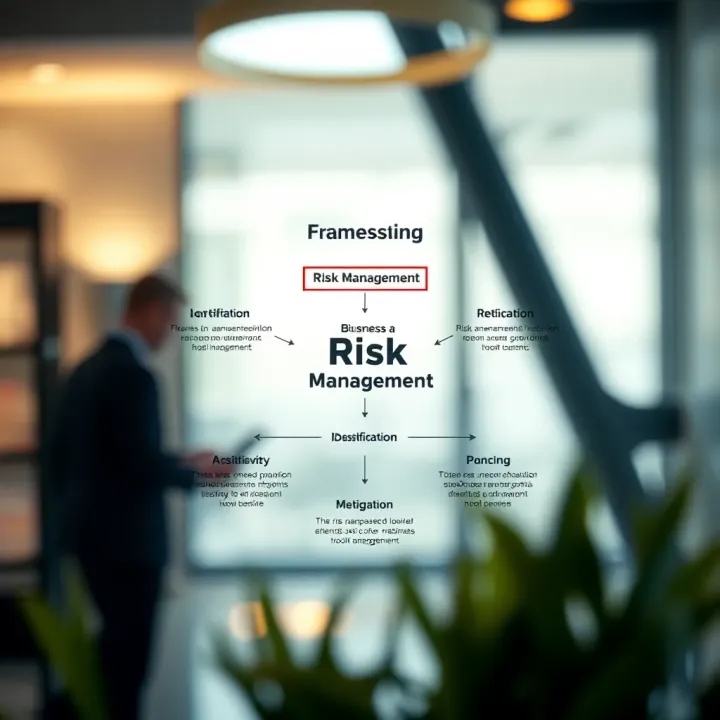
Think of it like navigating a ship through stormy seas: with the right tools, you can steer clear of hazards, keep your crew safe, and reach your destination without losing cargo. This guide aims to equip traders, investors, analysts, and entrepreneurs like you with the insights needed to make smarter, more confident choices in a market that can be as challenging as it is rewarding.
Understanding what risk management entails is the bedrock for any business aiming to stay afloat in today's unpredictable market. It’s not just about avoiding danger but about recognizing possible bumps in the road ahead and having a plan to deal with them. For traders in Johannesburg, Durban, or anywhere else in South Africa, knowing how to manage risk effectively can make the difference between a profitable year and a loss.
At its core, risk management helps you identify what might go wrong, assess the potential impact, and put measures in place to keep those risks in check. Take a local startup dealing in agricultural exports, for example. The business must consider risks like fluctuating currency rates, shifting demand overseas, and even seasonal diseases affecting crops. By understanding these threats early, they can safeguard their finances and reputation before a problem snowballs.
Risks come in many shapes and sizes. Financial risk, operational risk, market risk, compliance risk—each needs a tailored approach. For traders, market risk is usually front and centre, involving price swings in stocks or commodities. Meanwhile, entrepreneurs might be more concerned with operational risks like supplier failures or logistics hiccups.
Let's take the example of a small mining business in the Northern Cape. They face geological risks—say, unexpected mineral shortages—as well as environmental compliance risks that could halt operations if not properly managed. Recognizing these varying types allows companies to assign resources wisely, whether that means buying insurance, diversifying suppliers, or investing in staff training.
In real-world terms, risk management isn’t some one-off task but an ongoing effort. It starts with gathering information from across the business, consulting experts, and sometimes using software like RiskWatch or Resolver to track issues. For example, a financial analyst might flag emerging currency risks due to political instability affecting the rand.
Next comes creating plans to reduce or transfer risks. Maybe that mining firm sets limits on debt levels or ensures legal review of contracts to avoid penalties. Then, they monitor these risks continuously, tweaking strategies as situations change. This cycle keeps the business nimble and ready to respond without panicking when surprises pop up.
Spotting risks early is the first and most critical step. This involves scanning the internal and external environment. It might be as simple as employee feedback highlighting safety concerns or as complex as analysing macroeconomic trends like inflation or interest rate hikes.
For entrepreneurs, brainstorming sessions can help tease out hidden risks others might overlook. For instance, a new e-commerce platform needs to consider cyber threats alongside operational glitches. The dreaded "could go wrong" list is a handy tool here.
Once risks are spotted, it’s about sizing them up. How likely is this risk? And if it occurs, how severe will the damage be? A sales slump from a supplier delay may be likely but manageable, while a regulatory fine could be rare but crippling.
By ranking risks, businesses can focus on what matters most. For example, a broker dealing in forex should actively monitor geopolitical events that could cause sudden currency swings (high impact and moderate likelihood). Meanwhile, a small retailer might prioritize theft (lower impact but higher likelihood).
With risks identified and assessed, it’s time to act. Control measures might range from purchasing insurance to implementing stronger vendor checks or employee training sessions. The goal is to reduce either the chance of the risk happening or the impact if it does.
But the job isn’t done once controls are in place. Continuous monitoring is key—think of it like tending a garden. Risks evolve, and what might have seemed a minor concern last year could become major today. Regular reviews allow companies to update their approaches, ensuring the risk management framework doesn't gather dust.
Remember: Effective risk management is about being proactive, not reactive. It's better to prepare for a rainy day than to scramble when you’re already soaked.
Through these steps, firms can protect their bottom line and find opportunities even in uncertain tides. Understanding the nuts and bolts of risk management sets a solid foundation to tackle the complexities that South African businesses face daily.
Risk management is not just about avoiding trouble—it's about keeping your business steady in uncertain times. For traders, investors, brokers, analysts, and entrepreneurs in South Africa and elsewhere, understanding why managing risks is essential can be the difference between sinking and soaring. It gives you a handle on potential pitfalls and helps you seize opportunities responsibly.
One of the top priorities in risk management is protecting your cash flow and investments. For example, imagine an entrepreneur running an export company facing fluctuating currency rates; without proper risk hedging tools, sudden rand weakening could wipe out profit margins overnight. Effective risk management steps in by identifying such financial hazards early, allowing businesses to set aside reserves or use instruments like futures contracts to cushion shocks.
This approach not only prevents sudden cash crunches but also stabilizes business operations. Keeping a close eye on credit risks, for example, can stop non-paying clients from ruining your financial health. Ultimately, secure financial footing allows companies to plan confidently and invest in growth rather than firefighting crises.
Your brand is like a reputation tattooed into your audience's mind. Once it’s damaged, regaining trust is tough and costly. Risk management helps businesses anticipate scenarios that could harm their reputation — say, a tech firm prone to data breaches or a retail chain facing product recalls.
Handling such risks proactively might involve robust cybersecurity measures or regular quality checks to avoid faulty goods. Besides technical controls, a clear crisis communication plan can calm stakeholders if issues surface, showing that the company is on top of things. In South Africa's competitive market, preserving trust means customers keep coming back, which isn’t just good for business—it's survival.
South Africa’s regulatory landscape can be a maze, with laws such as the Companies Act and POPIA (Protection of Personal Information Act) imposing strict standards. Businesses that don’t keep up risk fines and damage to reputation.
Risk management involves mapping out these regulatory requirements within your operations. For instance, financial institutions adhere to the Financial Sector Conduct Authority (FSCA) guidelines, which require detailed risk controls. Regular audits and training help companies stay compliant and avoid unintentional breaches.
Ignoring risk isn’t cheap. Beyond fines, legal penalties can halt business activities or wreck a company’s future. Consider a mining company that neglects environmental risk assessments: it might face shutdowns or lawsuits, costing millions.
An effective risk framework means spotting potential legal traps early. This could mean everything from ensuring contracts hold up legally to environmental compliance checks. Businesses that embed this discipline save on costly legal battles and focus on growth instead.

Informed decisions come from understanding possible outcomes, and risk insights provide that lens. Investors, for instance, use risk assessments to decide which stocks to buy or sell, balancing expected returns against potential losses.
Risk management systems gather data—market trends, operational vulnerabilities, emerging threats—and turn it into actionable insights. This means rather than flying blind, decision-makers can weigh choices with real-world context, making strategies smarter and more resilient.
Every business deal is a coin toss between risk and reward. For entrepreneurs and brokers alike, the skill lies in managing this balancing act without tipping too far toward recklessness or caution.
By categorizing risks and evaluating how they align with expected benefits, businesses can prioritize which ventures to pursue. Sometimes, taking calculated risks opens doors to new markets or products. Other times, steering clear preserves resources for future gains.
Successful risk management turns uncertainty into a manageable part of business life rather than a stumbling block.
In short, appreciating why risk management matters helps businesses safeguard what they’ve built, keep within legal lines, and make smarter choices amid uncertainty. It’s a smart strategy for navigating the South African market’s ups and downs with confidence.
Effective risk management is more than just ticking boxes or avoiding disasters; it’s about setting your business up for smoother sailing, even when the seas get rough. Firms that get this right don't just dodge trouble—they make smarter moves, keep cool under pressure, and earn respect along the way. When you manage risks properly, everyday uncertainties become less scary, operations run tighter, and key players like investors and clients feel more confident.
Being able to predict what might go wrong (or right) gives businesses a real edge. Picture a small manufacturing company in Durban that forecasts potential supply chain disruptions due to seasonal weather patterns. By anticipating delays and adjusting orders early, they avoid costly downtime. This kind of foresight helps decision-makers plan with confidence instead of crossing fingers. Improved predictability means less guesswork and more control over outcomes.
No one enjoys nasty shocks, especially when they hit the bottom line. A good risk management system flags risks before they explode into crises. For example, a Johannesburg-based fintech startup might spot a data security risk early through regular audits and patch vulnerabilities promptly. Minimising surprises doesn't mean eliminating all risks but reducing those sudden, costly shocks that can throw a company off balance. It helps your team stay ready and your finances stable.
Operational resilience is about keeping the lights on no matter what hits. In South Africa’s sometimes unpredictable environment—think power cuts or strikes—businesses that have backup plans and alternative suppliers won’t miss a beat. Say a retail chain in Cape Town faces a power outage: thanks to prior risk assessments, they switch to backup generators and keep serving customers without a hitch. Continuity plans cushion the blow and maintain trust.
When things go south, how quickly and well a business responds can make all the difference. Companies with solid risk management have clear roles and steps to follow during emergencies, from natural disasters to cyber attacks. For instance, a Johannesburg insurance broker confronted with a ransomware attack can minimise damage by immediately isolating affected systems and communicating openly with clients. Fast, organized responses contain crises and reduce long-term fallout.
Trust is the currency of business, and risk management shows you take your responsibilities seriously. Investors want to see you know your risks and have solid plans, which makes them more likely to invest. Customers also stick with brands they perceive as reliable. Take a Cape Town tech firm that transparently reports how it handles user data privacy—that openness attracts tech-savvy clients and investment dollars alike.
Risk management isn’t about playing it safe all the time; it’s about smartly balancing risks and opportunities for steady growth. A Nairobi-based agribusiness exploring new markets will weigh risks like political instability or currency fluctuations. Properly assessing these risks helps the firm decide where and how to expand, avoiding reckless shortcuts while still pushing forward. Sustainable growth comes from knowing your limits and investing wisely.
A strong risk management approach doesn’t just shield your business; it empowers you to make bold, informed decisions that keep you competitive and resilient in a fast-changing world.
Risk management isn't just about ticking boxes; it’s a balancing act that calls for sharp eyes and sharp minds. Businesses often hit a few common snags that can trip up their efforts. Understanding these challenges gives you a heads-up on where to focus and improve. From spotting hidden threats to juggling limited budgets, grappling with these issues keeps risk management effective and relevant.
Overcoming bias and blind spots is a tough but necessary hurdle. We all have blind spots – those nagging little risks that don’t always jump out. For example, a trader might overlook a supplier’s geopolitical risk just because they haven’t faced issues before. Combating these biases means bringing diverse viewpoints into the fold and using fresh data to challenge assumptions. Practically, this could mean regular brainstorming sessions or risk audits by people from different departments. Doing so helps broaden the lens and catch risks that might otherwise slip by unnoticed.
Addressing emerging risks is about keeping a finger on the pulse and spotting new threats before they hit hard. Think of the way cyber risks exploded with digital transformation or how climate change is shifting risk profiles across industries. Businesses that monitor trends, like new regulatory rules or technological shifts, can anticipate where new risks might crop up. Tools such as horizon scanning or subscribing to industry updates help keep these emerging risks front and center, preventing surprises that could derail operations.
Balancing risk reduction and cost is a dance that every business knows well. Cutting off every possible risk would drain resources fast and might not even be practical. For instance, a broker might decide not to invest heavily in a rare natural disaster insurance if the likelihood is extremely low, choosing instead to reinforce stronger day-to-day controls. The key lies in evaluating the cost of mitigating a risk versus the potential fallout if it materialises. This approach demands clear data analysis and sometimes hard choices about where to draw the line.
Prioritising risks in limited budgets means deciding which fires to put out first. Risk managers must gauge which exposures are most critical to the business’s survival or reputation. For example, a startup might prioritise regulatory compliance risks over minor IT glitches because the former can shut them down. Using a risk matrix to rank risks by severity and likelihood is a helpful, straightforward way to keep priorities visible and ensure resources deliver the best bang for the buck.
Adapting to changing environments is essential since no business operates in a vacuum. Markets, technology, and regulations morph continually, making yesterday’s risk strategies obsolete. Take South Africa’s electricity challenges, for example; sudden load shedding can disrupt even the most carefully laid plans. An adaptive risk approach includes regular reviews and updates to risk registers, scenario planning, and flexible action plans so the business doesn’t get caught flat-footed.
Embedding risk awareness in culture means making risk management part of everyday work life, not just a separate department’s task. When everyone from top management to new hires understands their role in spotting and handling risks, the organisation is more resilient. Regular training, clear communication, and leadership that walks the talk help to cultivate this mindset. A company culture that embraces risk awareness makes early detection and swift response second nature, ultimately protecting assets and reputation.
Challenges in risk management aren't roadblocks but signposts pointing to where focus and resources should go. By tackling them head-on, South African businesses can better safeguard themselves against shocks and position for steady growth.
Getting risk management right isn't just about ticking boxes; it’s about creating a solid foundation that helps businesses navigate storms without capsizing. Best practices in risk management provide a blueprint that organisations can rely on to reduce surprises, protect assets, and make smarter decisions. It’s especially crucial in environments like South Africa’s, where economic and regulatory changes can happen fast.
Establishing roles and responsibilities is often overlooked but is the linchpin of any risk management system. Clear-cut roles mean everyone knows who’s holding the reins when risk issues crop up. For example, a risk officer might be responsible for identifying operational risks while department heads handle daily monitoring. This clarity prevents finger-pointing and ensures swift action. South African companies like Sasol invest heavily in defining these roles, which helps them handle complex risks in volatile markets.
Documenting and communicating processes makes sure that risk management isn’t just a secret handshake among a few insiders. It’s essential to have all procedures spelled out—not buried in emails or only in people’s heads. This documentation should be accessible and regularly updated. When companies like Woolworths communicate their risk protocols clearly to staff, it fosters a culture where everyone understands how to spot and report risks, reducing blind spots considerably.
Ensuring management commitment means the top brass walk the talk on risk management. Without management buy-in, risk practices can become dead letters. Leaders must actively support initiatives, allocate budgets, and also model risk-aware behaviours. For instance, Nedbank’s executive team regularly reviews risk reports and integrates them into their strategic meetings, showing everyone it’s not just lip service.
Promoting organisation-wide participation is about breaking down silos and making risk management everyone’s business. Staff at all levels should feel empowered to flag potential threats without fear. Training sessions and open communication channels, such as suggestion boxes or internal chat groups, encourage this. A local startup might hold quarterly risk workshops, ensuring their small team stays alert to emerging risks—this democratic approach makes the entire organisation a vigilant force.
Utilising risk management software can take the heavy lifting out of tracking and analysing risks. Tools like Resolver or SAP Risk Management help businesses log risks, assign owners, and monitor mitigation actions in real time. These platforms also offer alerts and dashboards for instant insight, which is a lifesaver when deadlines loom. For South African firms juggling multiple regulatory requirements, software can consolidate compliance checks and reduce human error.
Leveraging data analytics lets companies sift through mountains of information to spot patterns invisible to the naked eye. By analysing trends in financial data, market movements, or even social media sentiment, firms can anticipate risks before they snowball. A typical example is using analytics to detect unusual trading volumes that might hint at market manipulation—crucial intel for brokers and investors looking to stay a step ahead.
Solid risk management isn’t a one-off project but a continuous effort. By embedding these best practices, businesses build resilience that pays off when challenges arise, not just in theory but in the realities of day-to-day operations.
In short, following these best practices turns vague risk policies into a well-oiled machine. This approach boosts confidence, reduces losses, and sets the stage for sustainable growth.
Integrating risk management into an organisation’s overall strategy is more than just a good idea—it's a necessity, especially in today's unpredictable markets. Doing so ensures that risk isn’t treated as a separate or reactive task but becomes ingrained in how decisions are made daily. For South African businesses, where economic and regulatory landscapes can shift fast, this integration can mean the difference between weathering storms or folding under pressure.
The key benefit lies in linking risk assessment directly with business goals, so risks are identified, evaluated, and managed in the context that matters most to the company’s success. For example, a mining company in Mpumalanga might face environmental risks that could halt production. By embedding risk management in strategic planning, they can preemptively address these threats through sustainability initiatives, reducing costly shutdowns.
Successful strategy relies on clarity around business goals and understanding the risks that might block or derail those goals. Aligning risk goals means setting clear priorities on what the business aims to achieve – say expanding into new markets or launching a product – and then figuring out what risks specifically jeopardize those aims.
Think of it like this: when Woolworths in South Africa plans to expand their online grocery delivery, their risk goals must cover enough ground to include supply chain hiccups, technology failures, and changing customer preferences. They can't afford to just focus on financial risk; operational and reputational risks are just as critical. This alignment ensures resources go to where risk control adds real value.
To practically apply this, businesses should:
Map out strategic objectives explicitly.
Identify risk factors tied to each objective.
Set risk tolerance levels relevant to those objectives.
This approach keeps the business nimble and aware, preventing blind spots that often happen when risk is managed in isolation.
It’s not enough to spot risks; understanding how deeply they can affect your strategic plans is crucial. A risk might look minor on paper but could spin out of control if it impacts cash flow, market access, or brand trust.
For example, consider a South African export firm planning to increase shipments to Europe. Political changes abroad or transport delays could severely impact this plan. Evaluating these impacts should involve scenario planning, asking questions like "What if customs delay shipments for weeks?" or "How would a tariff increase affect pricing?"
Clarity here helps leaders decide how much risk to accept and where to beef up controls or contingency plans. Action steps include:
Conducting impact analysis on critical risks.
Using quantitative and qualitative methods to assess severity.
Preparing risk response options aligned with potential consequences.
This proactive step helps the company retain control rather than playing catch-up during a crisis.
Risk isn’t static — what seemed a minor threat last quarter can become a big issue today. Regular reviews keep risk management fresh and relevant. This means scheduling consistent check-ins—monthly, quarterly, or as fits the business—to revisit risk registers and evaluate whether new risks have cropped up or if old risks have changed.
For instance, in South Africa's volatile electricity supply environment, businesses must regularly reassess risks related to power interruptions. A retailer relying heavily on refrigeration can’t ignore blackouts; they need updated contingency plans rolling with the power crisis cycles, often referred to as load shedding.
Useful habits in regular reviews:
Assign responsibility for ongoing risk monitoring.
Use updated data and feedback from operations.
Communicate findings clearly to leadership and teams.
These reviews prevent risk fatigue and keep everyone alert to emerging threats.
Sticking stubbornly to an outdated plan is a recipe for disaster. When risk conditions shift, strategies must evolve. If a business notices a rise in cyber threats, for example, it can adapt by increasing investment in cybersecurity measures rather than reworking unrelated parts of the strategy.
A local fintech startup might discover new regulatory risks as the Reserve Bank updates its policies. By adjusting their compliance and operational plans early, they can avoid penalties and build customer trust, keeping their competitive edge.
To adapt effectively:
Foster a culture open to change and feedback.
Incorporate risk insights into strategic decision-making forums.
Ensure flexibility in budgets and resources to address new risks quickly.
Risk management integrated with strategy isn’t a set-it-and-forget-it task. It’s an ongoing conversation between what the business wants to achieve and what stands in the way, ensuring survival and growth in an ever-changing marketplace.
By weaving risk management directly into strategic planning and maintaining vigilance over time, South African businesses can navigate uncertainties with greater confidence and agility.
Discover how risk management 🛡️ helps protect your business and daily life by identifying threats, improving decisions, and securing your future.
🔍 Explore diverse risk management frameworks to identify, assess, and reduce business risks effectively. Learn how to align with governance for strong protection.
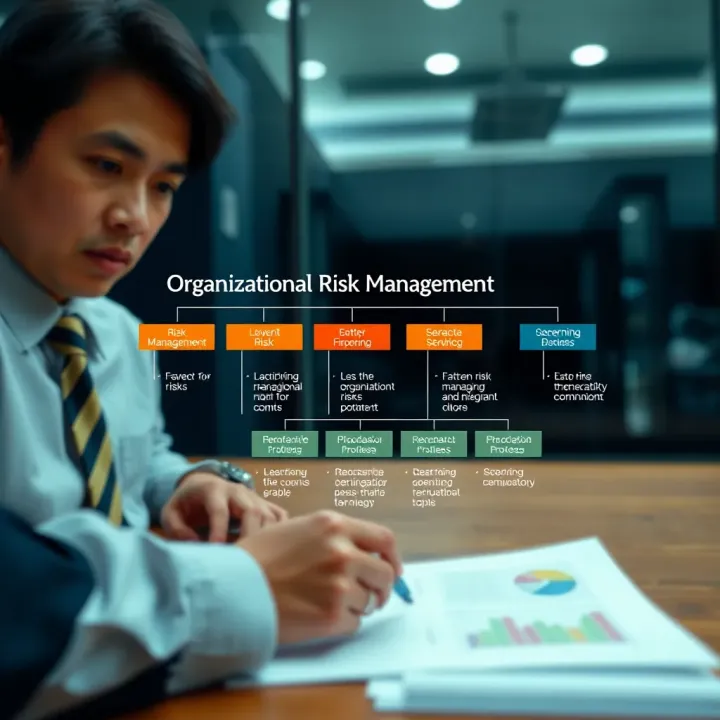
Learn to manage risks effectively by identifying, assessing, planning, and monitoring them. Stay in control and reduce potential pitfalls with clear strategies ✅📊
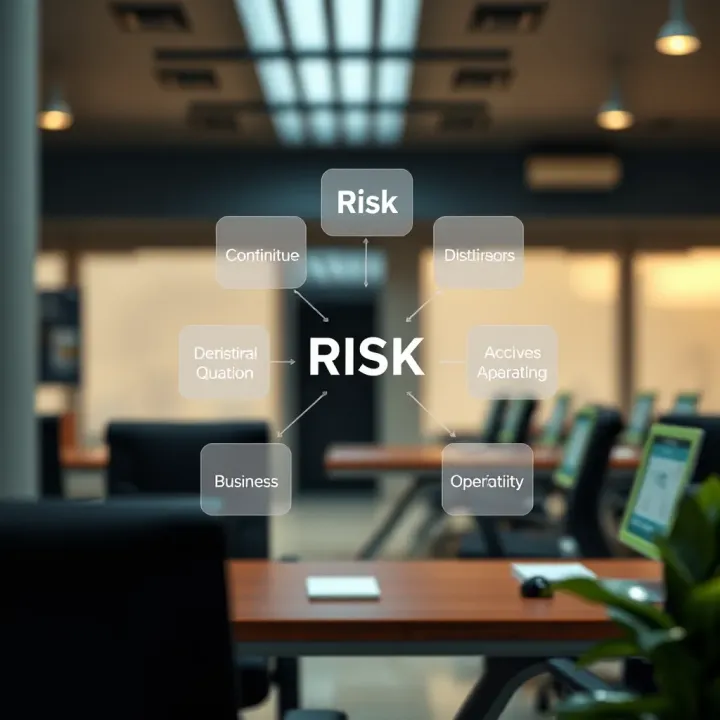
Explore how risk management helps identify, assess, control, and monitor risks for smarter decisions and smoother business operations in South Africa 🇿🇦📊
Based on 9 reviews