
Understanding Binary Option Trading Platforms
📈 Learn how binary option trading platforms work, spot key features, understand local risks, and make informed choices with insights tailored for South African traders.
Edited By
James Thornton
Binary option trading has caught on quickly, but with this popularity comes a fair share of risks. Traders often find themselves navigating a tricky market where scams and fraudulent operators lurk. That’s where binary option watchdogs come in—they oversee these trading activities, making sure the playing field isn’t completely stacked against you.
These regulatory bodies monitor brokers and trading platforms to ensure they comply with legal standards and ethical practices. For instance, South Africa's Financial Sector Conduct Authority (FSCA) plays a key role in overseeing financial products and protecting consumers from fraudulent schemes. Without such oversight, rogue operators could easily disappear with your funds.
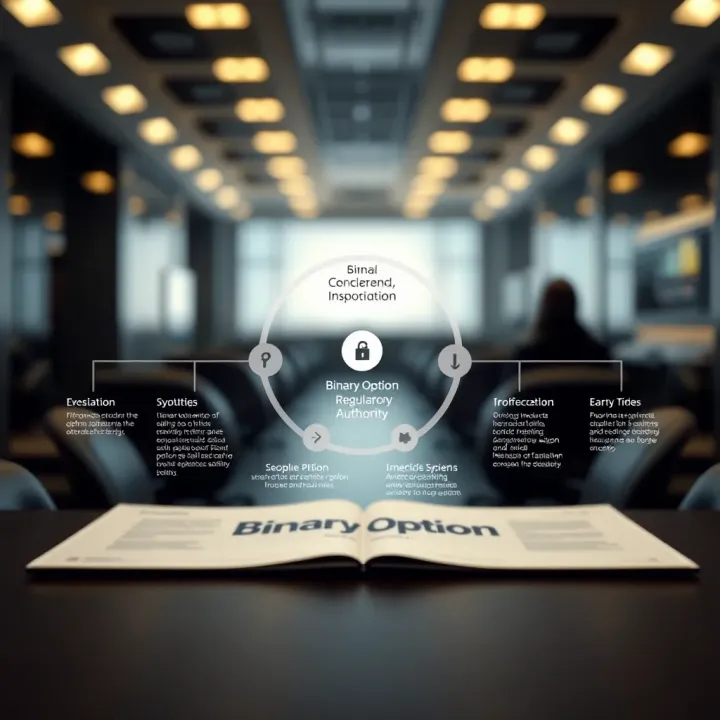
Understanding what these watchdogs do helps traders spot red flags early. They typically:
Licence and regulate binary option platforms
Monitor suspicious trading activity and investigate complaints
Enforce penalties for non-compliance
Provide educational resources for traders
Say you want to check if a broker is on the FSCA’s authorised list before investing. This simple step can save you from falling for fake platforms promising unrealistic returns. Watchdogs also track trends in scams, such as platforms manipulating prices or refusing withdrawals.
"Always verify your broker’s regulatory status and avoid platforms without proper oversight—this is your best defence against losing money to scams."
In South Africa’s context, awareness is vital as many still trade on unregulated offshore platforms. These often operate outside local laws, leaving traders with little recourse. By understanding the watchdogs’ role, you gain a stronger footing to make safe choices and spot shady operators.
In the upcoming sections, we’ll explore how these watchdogs work day-to-day, the laws that underpin their authority, and practical tips to keep your investment safe in the world of binary options.
Binary options are financial instruments where traders predict whether the price of an asset will rise or fall within a specified time frame. These trades offer clear yes-or-no outcomes, but they also involve substantial risk, as losses can mount quickly if a prediction is wrong. For example, betting on the rand strengthening against the dollar within an hour might seem straightforward, yet unexpected market swings can easily wipe out the entire stake.
Given these risks, watchdog organisations play a key role in safeguarding traders and upholding market fairness. These bodies oversee brokers, enforce industry standards, and investigate suspected misconduct, acting as referees in a market prone to sharp swings and unscrupulous players. In South Africa, the Financial Sector Conduct Authority (FSCA) monitors licensed brokers to ensure they follow set rules and protect clients’ interests.
Traders using binary options need protection because of the industry's history of scams and deceptive practices. Rogue brokers sometimes manipulate software or delay withdrawals to trap investors, while others operate without any regulatory oversight. Without watchdogs, traders have little recourse against fraudsters and face greater risk of losing money unjustly.
In practical terms, watchdogs help restore trust between traders and platforms by providing complaint channels, setting transparency standards, and shutting down operators who break the rules.
Their presence encourages brokers to play by the book, ensuring payouts are handled fairly and trading conditions remain transparent. For instance, a trader who experiences issues withdrawing funds from a broker licensed by the FSCA can file a complaint that may lead to investigation and resolution.
In short, binary option watchdogs matter because they act as gatekeepers, minimising fraud and abuse while promoting transparency. This makes trading safer and more approachable, especially for new traders navigating a market full of uncertainty and myriad unregulated platforms.
Binary option watchdogs play a significant role in keeping the trading environment safe and transparent. They achieve this by exercising regulatory powers, closely monitoring brokers, and managing disputes efficiently. Each of these functions helps protect traders and maintain integrity in the market.
Watchdogs have legal authority to oversee binary options trading and enforce rules. For instance, the Financial Sector Conduct Authority (FSCA) in South Africa can issue licences, set operating standards, and even impose fines or revoke licences if brokers do not comply. These enforcement tools act as a deterrent against misconduct such as misleading advertising or unfair trading practices. Without such powers, brokers may operate without accountability, putting traders at high risk.
Regular monitoring ensures brokers follow the rules and maintain ethical standards. Supervisors examine how brokers handle client funds, verify fair pricing algorithms, and confirm transparent communication about risks involved. For example, some watchdogs require brokers to keep client money in segregated accounts, preventing misuse. Ongoing audits and surprise inspections help catch potential abuses before they escalate. This constant oversight is crucial in a fast-moving market where new schemes can emerge quickly.

When traders face problems like delayed withdrawals or suspicious trades, watchdogs provide formal channels to lodge complaints. These bodies investigate issues impartially and can order remedies or compensation where justified. In South Africa, the FSCA has a dedicated consumer complaint division, offering traders a way to resolve conflicts without resorting to lengthy court cases. Efficient dispute resolution builds trust and encourages responsible behaviour by brokers, knowing their actions are scrutinised.
Effective operation of binary option watchdogs involves combining legal authority, diligent monitoring, and accessible complaint processes to keep the trading environment safe and trustworthy.
Together, these operational aspects create a safety net that helps traders avoid scams and unfair treatment. Understanding how watchdogs work enables traders to make informed choices and engage confidently in the binary options market.
Identifying genuine binary option watchdogs is essential for traders aiming to protect their investments from unscrupulous operators. With the rise in popularity of binary options, many fake regulators have popped up, confusing even seasoned traders. Recognising legitimate watchdogs helps traders avoid brokers that might exploit regulatory loopholes or offer false assurance. This understanding empowers traders to make safer choices and report suspicious activity promptly.
Legitimate regulators usually possess statutory authority granted by government legislation. They maintain transparent operational processes and publish regular updates on market developments and enforcement actions. You'll often find they require regulated firms to hold client funds separately, enforce robust anti-money laundering (AML) procedures, and demand clear disclosure of trading risks. For instance, a genuine watchdog will mandate brokers to provide audited financial statements, ensuring transparency and reducing fraud risks.
Such regulators also offer accessible channels for complaints and dispute resolution, allowing traders to follow up on grievances efficiently. They show active engagement in the trading community via educational material and alerts about emerging scams. Their registration numbers, licences, and official seals can be verified through government or authoritative websites. These markers separate genuine watchdogs from impostors who use similar language but lack enforcement powers.
Beware of watchdogs that lack verifiable registration or refuse to provide direct contact details. Regulators without a physical office or established online presence typically signal caution. Promises of unusually quick dispute resolutions or guarantees of trader profits should ring alarm bells. Some fake watchdogs mimic names of true regulators with slight spelling changes to confuse users.
Also steer clear of bodies that operate without clear governing statutes or with excessively vague mandates. Reluctance to offer transparent reports or refusal to publish actions against brokers often indicates a paper tiger. Traders should be critical of regulators asking for upfront fees or personal details without proper authentication.
The FSCA is South Africa's premier financial regulator responsible for market conduct supervision. It oversees financial institutions, including brokers offering binary options, to ensure fairness, transparency, and compliance with the Financial Advisory and Intermediary Services (FAIS) Act. The FSCA registers authorised entities and regularly publishes warnings on unlicensed operators, helping traders spot questionable brokers.
In practical terms, an FSCA-regulated broker must comply with clear codes of conduct, maintain client funds safely, and undergo regular audits. SA traders are advised to verify broker licences on the FSCA website before investing. This watchdog also handles consumer complaints and educates the public on financial scams, strengthening the local market's integrity.
Globally, watchdogs such as the UK’s Financial Conduct Authority (FCA) and Australia’s Australian Securities and Investments Commission (ASIC) are recognised for strict regulatory standards. These bodies enforce rigorous vetting of brokers, requiring detailed disclosures, capital adequacy, and client fund protections. Brokers regulated by such agencies tend to offer safer trading environments.
While South African traders often deal with local platforms, many brokers advertise regulation by these international authorities to attract investors. Checking the authenticity and current status of these licences protects traders from fraudulent firms exploiting foreign regulatory reputations. Staying informed about major global watchdogs adds an extra layer of security when trading binary options across borders.
Spotting reputable watchdogs is your frontline defence in navigating the high-risk binary options market. Verifying regulator credentials and knowing what red flags to watch out for can save you from costly mistakes.
Understanding the usual tricks used in the binary options market is key to navigating it safely. Traders often face schemes designed to take advantage of them, which is where watchdogs step in — they work to shield traders by detecting and shutting down scams early. This section unpacks the common fraud tactics, the watchdogs’ role in tackling them, and why traders need education to steer clear of risky traps.
Binary options scams often play on the promise of quick, easy returns. Fake brokers may use high-pressure sales tactics to rush traders into deposits without proper information. One widespread trick is the “withdrawal refusal” where a broker accepts deposits but then blocks or delays payout requests. Another classic scam is rigged trading platforms that show manipulated price movements to make trades appear to lose frequently, pushing traders to inject more funds.
Additionally, some fraudsters operate clone firms. They copy the branding and websites of legitimate brokers to fool traders into signing up. Sometimes, unscrupulous brokers use “boiler rooms” — aggressive sales teams cold-calling unsuspecting clients with fake guarantees. In South Africa, these scams are especially dangerous because many people are new to trading and may not spot warning signs quickly.
Watchdogs actively investigate brokers and platforms suspected of wrongdoing. They audit trading records and monitor for unusual activity patterns indicating price manipulation or unfair practices. Through licensing requirements and compliance checks, watchdogs can suspend or revoke licenses of brokers who break regulations, stopping their operations locally.
For example, the Financial Sector Conduct Authority (FSCA) in South Africa regularly issues alerts about unregistered brokers to warn the public. They also collaborate with international agencies to track offshore fraud, helping to freeze assets or prosecute offenders. Beyond penalties, watchdogs serve as a resource for traders to report suspicious activity, guiding them through complaint processes and escalating serious cases to law enforcement.
Early detection and swift action from watchdogs can save traders thousands of rands and restore some trust in a highly risky market.
Prevention starts with knowledge. Traders who understand common scams can better avoid pitfalls and make informed decisions. Watchdogs invest in public education campaigns, webinars, and guides tailored for South African audiences. These focus on teaching how to verify a broker’s licence, spot red flags, and understand terms and conditions before committing funds.
Staying updated is crucial because scam tactics evolve quickly, often exploiting new technology or social media channels. Traders should regularly check watchdog websites for alerts and regulatory changes. Peer forums and trading communities can also provide real-life experiences and warnings, complementing official advice.
In essence, education arms traders with a practical defence — alongside regulatory oversight — helping to foster a safer trading environment.
By recognising typical scams and relying on watchdogs’ efforts plus their own vigilance, South African traders can reduce risks and trade more confidently in the binary options space.
Navigating the binary options market requires more than just understanding how trades work — protecting yourself is vital to avoid scams and losses. The unregulated nature of many brokers and platforms makes traders vulnerable. Being careful with whom and how you trade forms the backbone of successful trading in this high-risk arena.
Always pick brokers who are regulated by credible watchdogs like South Africa's Financial Sector Conduct Authority (FSCA) or well-known international bodies. Regulated brokers need to follow strict rules regarding client funds, fair pricing, and transparency. For example, a broker licensed by the FSCA must keep client money in separate accounts and submit to regular audits. This reduces the risk of fraud or mismanagement.
Beware of platforms promising guaranteed returns or pressuring you to invest more. These are red flags, especially if the broker lacks any valid licence or regulatory oversight. Traders should check a broker’s regulatory status directly on watchdog websites — relying only on claims made on a broker’s site can be risky.
If things go pear-shaped, knowing how to use complaint channels can help you resolve issues or recover losses. Regulated brokers must provide clear procedures for lodging complaints with the watchdog or an ombudsman. For instance, the FSCA handles complaints and can investigate misconduct.
Keep a record of all communications, contracts, and transaction details. This evidence will strengthen your case. Also, don’t hesitate to approach consumer protection organisations or financial advisory services if you hit a wall. Effective use of complaint channels can be the difference between losing your money or getting it back after unfair treatment.
Regulators frequently issue warnings, new rules, or blacklist unscrupulous operators. Staying in the loop helps you dodge dangers before they come knocking. Signing up for alerts from the FSCA or other recognised watchdogs gives you timely insights.
For example, if the FSCA warns about a fraudulent broker operating without a licence, you can avoid dealing with them or stop trading if you already are. Also, regulatory updates can affect how brokers operate, such as changes in documentation requirements or trade limits. Ignorance here could cost you dearly, especially during volatile market phases.
Remember, trading safely starts by choosing the right partners, acting proactively when problems arise, and keeping up with the evolving rules around binary options.
Taking these steps protects not just your money, but also your peace of mind. Binary options trading is tough enough without having to worry about dodgy brokers or scams. Make regulated brokers your first port of call, don’t shy away from making noise if you encounter problems, and keep your ear to the ground for important regulatory news.
📈 Learn how binary option trading platforms work, spot key features, understand local risks, and make informed choices with insights tailored for South African traders.

🤖 Learn how binary option robots trade automatically using algorithms. Discover their pros, risks, and what to check when considering them in South Africa's market.

Explore binary phase diagrams with clear answers on phase regions, invariant reactions, the phase rule, and practical uses in materials science 🔍⚛️ Perfect for engineering studies.

🔢 Explore how the number three is shown in binary code, learn step-by-step conversion, and see how this simple system powers our tech every day. 💻📱
Based on 7 reviews