

Why Risk Management Matters in Business and Life
Discover how risk management 🛡️ helps protect your business and daily life by identifying threats, improving decisions, and securing your future.
Edited By
Isabella Greene
Risk management isn't just something businesses discuss in boardrooms—it's a daily necessity whether you're running a company or managing your household budget. It boils down to identifying potential problems early, assessing their impact, and putting measures in place to avoid or lessen harm.
In South Africa, where economic uncertainty, loadshedding, and fluctuating exchange rates affect businesses and individuals, managing risk becomes even more vital. Traders keep a close eye on currency volatility, while entrepreneurs plan for interruptions due to Eskom's power cuts.

For example, a small retailer in Johannesburg might face theft risk. Their approach could include installing CCTV cameras, training staff on security protocols, and using electronic point-of-sale systems to monitor transactions. This multifaceted strategy reduces losses and builds a safer environment.
On the personal finance front, many South Africans manage income fluctuations by creating an emergency fund, buying insurance against medical or vehicle expenses, and diversifying their investments rather than keeping all savings in a fixed deposit.
Effective risk management involves practical steps, not just theories. Whether it’s safeguarding your investment portfolio or preparing for the impact of loadshedding on your business, the principle is to plan ahead and keep adapting.
Key risk management tools applied daily include:
Risk identification: spotting potential threats such as cyberattacks or supply chain delays.
Risk assessment: evaluating the likelihood and potential cost impact.
Mitigation measures: steps like backup generators or multi-supplier sourcing.
Monitoring: regularly reviewing risk environment and controls.
In short, understanding how to identify and tackle risk can protect your business and personal life from unexpected shocks, especially in South Africa’s complex landscape. The following sections will take a closer look at practical examples and relevant tools used across various sectors.
Grasping the basics of risk management is essential for anyone involved in business or personal financial matters. It helps you avoid nasty surprises by recognising potential pitfalls before they happen. Whether you’re running a small startup in Cape Town or managing your household budget in Johannesburg, understanding risk management principles can give you steadier ground.
These relate to any uncertainties that might impact your money directly. In a business context, this includes things like interest rate shifts, inflation, or delayed customer payments. For individuals, it might mean unexpected expenses or sudden loss of income. For example, a Johannesburg retailer facing fluctuating exchange rates for imported goods needs to have a plan to handle cost swings.
These risks pop up during daily activities and can disrupt your business process. Think of a factory experiencing a machine breakdown or a delivery held up by blocked roads due to protests. On a personal level, it could be your car breaking down before an important appointment or your mobile data running out just when you need to make a payment. Managing these risks means having backup plans and maintenance routines.
This type of risk involves decisions that affect the overall direction of your business. For example, choosing to expand into a new market without proper research can backfire. If an entrepreneur in Durban invests heavily in a sector declining locally, their strategy might lead to losses. Strategic risk management often requires critical thinking and a good grasp of market trends.
For businesses, aligning with laws and regulations like POPIA (Protection of Personal Information Act) or SARS tax requirements is non-negotiable. Non-compliance might mean hefty fines or reputational damage. Imagine a Gauteng retailer failing to meet health and safety standards—the consequences can be costly and affect customer trust. Individuals need to be cautious too, such as registering their businesses correctly with CIPC to avoid legal trouble.
These risks stem from changes in the environment or society. For instance, loadshedding by Eskom affects businesses' operational hours, and strict water restrictions in the Western Cape impact agricultural activities. On the social side, communities facing unrest or protests can disrupt supply chains. Planning for these risks could mean investing in solar power or establishing alternative water sources.
Pinpointing risks is where it all begins. This means scanning your business or personal environment to spot anything that could go wrong. A retailer might identify theft or supplier delays, while a family budget might highlight variable electricity tariffs. Clear identification sets the stage for effective management.
Once identified, evaluate each risk’s chance of happening and its potential impact. For example, the risk of car theft in a certain location might be high, prompting stronger security measures. Entrepreneurs weigh which risks could sink their business versus those that are manageable. This step helps prioritise resources.
Deciding what to do about risks is next. Common approaches include avoiding, reducing, transferring, or accepting risks. A small business may buy insurance to transfer financial risks or invest in staff training to reduce operational errors. Sometimes, accepting minor risks saves costs if their impact is minimal.
Risks evolve, so continuous monitoring is key. Regular check-ins on your risk environment help catch new threats or changes in existing ones. For instance, a rise in fuel prices demands revisiting delivery budgets. A quarterly review with your team or family ensures your plans stay relevant and effective.
Understanding risk management fundamentals isn't just about ticking boxes—it's about building resilience in the face of uncertainty. With clear steps from identification to review, you lay a solid foundation to protect your business or personal finances against whatever comes your way.

Managing risks in business is about more than just avoiding losses—it's about keeping operations running smoothly and making informed decisions. This section highlights practical examples of how different sectors tackle risks that could disrupt business or gnaw away at profits. For traders, investors, and entrepreneurs, understanding these real-life practices sharpens your approach to assessing business resilience and spotting potential trouble before it escalates.
Retailers face persistent threats from theft, whether shoplifting or employee pilferage. Effective risk management here often includes installing CCTV cameras, employing security guards, and using electronic article surveillance (EAS) tags on merchandise. For instance, a clothing retailer in Johannesburg might notice spikes in theft during certain seasons and adjust staff shifts accordingly to increase oversight. Training employees to identify suspicious behaviour further helps minimise losses.
Retail operations depend heavily on reliable supply chains. Delays caused by strikes, transport hurdles, or customs issues can disrupt stock availability. To manage this risk, retailers in South Africa often diversify suppliers or hold buffer stock for essentials. For example, a Gauteng electronics chain may establish agreements with local suppliers alongside international ones to guard against global shipping delays, especially during periods when port congestion is common.
Retailers importing goods must handle the challenges of a volatile rand. Sudden depreciation can inflate costs and squeeze margins unexpectedly. Many use forward exchange contracts to lock in rates in advance, allowing better cost planning. Others adjust prices strategically in response to currency trends. Being proactive about currency risk protects profitability, especially when importing specialised products not readily available locally.
Manufacturing environments pose safety risks, from heavy machinery to hazardous materials. Implementing clear safety protocols and regular training reduces accidents and complies with South African Occupational Health and Safety Act requirements. A factory producing automotive parts near Durban, for example, might enforce mandatory use of personal protective equipment (PPE) and conduct daily safety briefings to prevent injuries.
Consistent product quality is vital to retain customers and avoid costly recalls. Manufacturers employ quality control measures like random sampling inspections and automated defect detection. A Cape Town-based food producer may routinely test batches for contamination and enforce hygiene standards, ensuring products meet both local health regulations and consumer expectations.
Unplanned machinery breakdowns can halt production lines and cause substantial financial damage. Proactive equipment maintenance, including scheduled servicing and real-time monitoring, helps identify faults early. A steel manufacturer near Pretoria could use predictive maintenance software to track equipment wear, enabling repairs before costly failures occur.
Extending credit carries the risk of non-payment. Businesses assess customer creditworthiness using credit scores, financial statements, and payment history. For instance, a supplier of building materials in Durban might require a deposit or set credit limits, reducing exposure to default and promoting reliable cash flow.
To minimise financial risk, investors spread investments across various assets, sectors, and geographies. A South African entrepreneur might combine shares listed on the JSE with offshore funds and property, balancing potential returns against market volatility and currency risk. Diversification cushions against downturns in any single area.
Insurance is a core tool for managing financial risks, covering anything from property damage to business interruption. Companies often tailor insurance policies to their specific risks, like a Cape Town farm opting for crop insurance to manage drought impact. Having adequate insurance means unexpected events don’t derail business plans or personal finances.
Practical risk management transforms potential business threats into manageable challenges. Whether through theft prevention, safety protocols, or smart financial strategies, these examples show how taking control of risks helps businesses stay afloat and thrive.
Managing risk isn't just for businesses; it’s equally vital in personal finance and everyday living. When you handle your money, safety, and preparations for the future thoughtfully, you reduce unexpected shocks that could derail your plans. Whether it’s setting aside money for emergencies or making your home more secure, these steps help you stay afloat during tough times and keep your peace of mind.
Budgeting is the backbone of personal risk management. By keeping track of your income and expenses, you gain control over your finances and reduce the risk of overspending or falling into unmanageable debt. An emergency fund acts as a financial safety net, especially in South Africa’s unpredictable economic climate where job losses or health emergencies are sadly common. Ideally, you should aim for three to six months’ worth of living expenses saved in an easily accessible account.
Having the right insurance cover is crucial for protecting yourself against big financial hits. Medical insurance helps manage the high costs of healthcare, which can quickly escalate without cover, particularly with private doctors and hospitals. Property insurance, meanwhile, safeguards your home and belongings against risks like fire, theft, or storm damage. It's a practical way to avoid losing everything after a single unfortunate event, especially in areas prone to burglaries or heavy rains.
Planning early for retirement helps you avoid dependence on state pensions alone. Whether you invest in a retirement annuity or a provident fund through your employer, the goal is to build a solid financial foundation for your later years. South Africans face longer life expectancies and rising living costs, so starting well ahead and reviewing your plans regularly can make retirement more comfortable and less stressful.
Driving safely and observing traffic laws reduce the risk of accidents, which remain a significant cause of injury in South Africa. Simple habits like wearing a seatbelt, avoiding distractions such as mobile phones, and adhering to speed limits near robots or school zones go a long way in keeping you and others safe. Regular vehicle maintenance also lowers the chance of breakdowns on busy routes.
Protecting your home involves more than locks and alarms. Fencing, outdoor lighting, and neighbourhood watch schemes add layers of security that deter opportunistic criminals. In many South African suburbs and townships, investing in security gates or dog patrols has become part of managing the risk of burglary or vandalism, helping families feel safer in their own space.
Being ready for emergencies like fires, floods, or power outages can reduce panic and damage. Preparing an emergency kit with essentials like water, non-perishable food, a torch, and important documents can make a real difference during those moments when normal routines are disrupted. Knowing escape routes and having a communication plan with family members also adds to household resilience.
Taking sensible risks and preparing for setbacks in daily life can save you stress, money, and even health. By applying similar risk management principles as businesses do, you gain better control over your future.
By weaving these practical examples into everyday habits, individuals can shield themselves more effectively from financial shocks and safety hazards without needing expert help. That's the essence of risk management at a personal level — simple but powerful.
Effective risk management depends on having the right tools and techniques to identify, evaluate, and respond to potential threats. These tools help traders, investors, brokers, and entrepreneurs turn abstract risks into concrete data, making it easier to decide where to focus attention and resources. In the South African business scene—where economic shifts, regulatory changes, and operational risks often overlap—having clear methods for tracking and analysing risks proves essential.
Risk registers are straightforward yet powerful tools that list all known risks affecting a business or project. For instance, an entrepreneur running a local supply chain might record risks such as delays caused by loadshedding, fluctuations in Rand value, or transport strikes. By documenting these in a risk register, each risk is given a clear description, a likely cause, possible impact, and who's responsible for managing it. This register acts as the single source of truth for risk exposure and enables team members to stay aware and alert to upcoming challenges.
Once risks are recorded, risk matrices help prioritise them by plotting each risk according to how likely it is to happen against its potential impact. A risk that's highly likely but low impact, like minor paperwork delays with SARS, ranks differently from a low-probability but high-impact event, such as a sudden change in B-BBEE legislation. This visualisation helps businesses focus on risks that could cause the most damage or disruption, ensuring resources are not wasted on less threatening issues.
Scenario planning involves imagining how different risky events could unfold and affect a business. For example, a retail chain might run scenarios where supply routes are blocked by protests or critical suppliers go bankrupt. This gives decision-makers a feel for how prepared they really are and points out gaps in contingency plans. Preparing for such worst-case scenarios means businesses can act quickly and with confidence when adversity strikes, reducing costly downtime or panic.
Stress testing goes hand in hand with scenario planning but puts the organisation’s systems and processes under pressure to see if they hold up. For financial firms, this could mean examining how a sharp Rand devaluation affects portfolio returns or client solvency. For manufacturing, it might be testing if machinery maintenance plans can handle unexpected power interruptions. These tests uncover weaknesses before they cause real harm, helping businesses strengthen their operations and bounce back faster after shocks.
Using practical tools like risk registers, matrices, scenario planning, and stress tests keeps risk management grounded and actionable. For South African business leaders, these techniques provide clarity and control amid uncertainty, making it easier to protect investments and keep operations steady.
Adopting structured risk management offers tangible benefits for businesses and individuals. It allows you to make better decisions, guard against financial setbacks, and maintain steady operations even when unexpected events occur. In South Africa's often unpredictable economic environment — marked by factors like loadshedding and currency volatility — these advantages become especially significant.
When you systematically identify and assess risks, your decisions gain a solid foundation. Instead of guessing which risks might hurt your business or investments, you use real data and analysis to guide your choices. For example, a small Gauteng-based retailer might track supplier reliability to decide whether to diversify sources or stock extra inventory before major holidays. This foresight reduces uncertainty and helps directors and entrepreneurs feel more assured when planning budgets, expansions, or new product launches.
Clear risk insights mean fewer unwanted surprises, especially in fast-moving markets or volatile sectors.
Effective risk management limits the chances of costly shocks hitting your bottom line. Consider a manufacturing plant in Durban that schedules regular maintenance on critical equipment. This avoids sudden breakdowns causing production halts and pricey repairs. Likewise, investors diversifying portfolios across local equities, government bonds, and offshore assets spread exposure — reducing impact if one segment takes a hit. On the personal side, individuals maintaining adequate insurance cover for their homes and health shield themselves from burdensome bills arising from accidents or emergencies.
Consistently managing risks fosters smoother day-to-day operations, which builds trust among clients and partners. Take a logistics company in Cape Town that monitors border delays and plans alternative routes. This reliability keeps deliveries on time despite customs hold-ups or strikes. Operational steadiness also protects brand reputation: customers and suppliers value a business that keeps promises and handles setbacks decisively. Conversely, poor risk practices can spark service interruptions or legal issues, damaging public image and market position.
In summary, grasping and acting on risk management principles helps South African businesses, investors, and individuals navigate complexities more confidently, save money, and strengthen their standing. These benefits form the backbone of sustainable growth amid ongoing change and uncertainty.
Discover how risk management 🛡️ helps protect your business and daily life by identifying threats, improving decisions, and securing your future.
🔍 Explore diverse risk management frameworks to identify, assess, and reduce business risks effectively. Learn how to align with governance for strong protection.
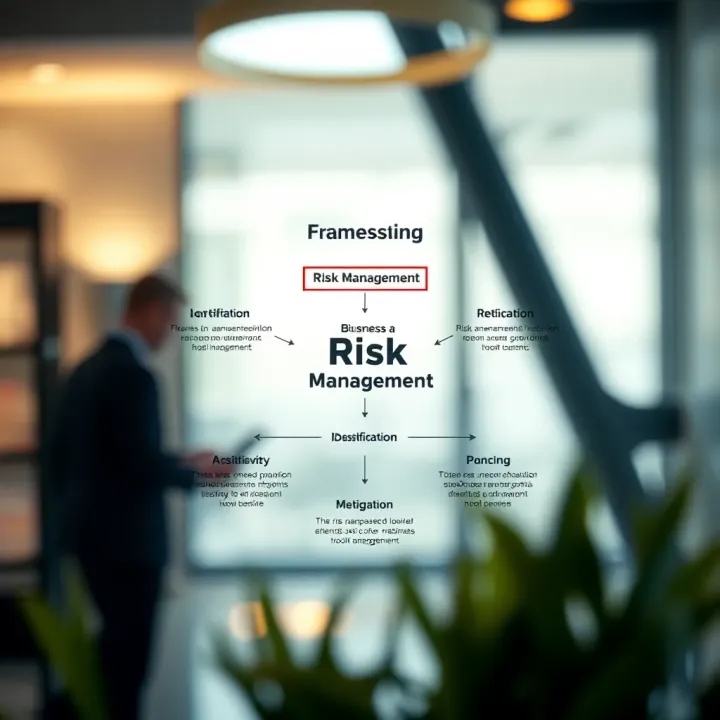
Explore why effective risk management is vital for South African businesses 🇿🇦. Learn how to navigate challenges and make smarter decisions for lasting success 📊.

Explore how risk management helps identify, assess, control, and monitor risks for smarter decisions and smoother business operations in South Africa 🇿🇦📊
Based on 5 reviews