
Understanding Forex Trading in South Africa
📈 Learn how to trade forex in South Africa safely and smartly. Understand currency moves, key influencers, and trading tips for local and global platforms.
Edited By
Charlotte Bennett
Forex trading has become quite popular among South African investors, but it still raises a lot of questions, especially about whether it’s legitimate or safe. Simply put, forex trading involves buying and selling currencies with the hope of making a profit from the shifting exchange rates. South Africa’s vibrant financial market and the ease of online platforms have made forex accessible, yet scepticism remains due to the prevalence of scams and unregulated operators.
Understanding how forex trading works in South Africa starts with knowing the regulatory environment. The Financial Sector Conduct Authority (FSCA) regulates forex brokers operating locally to ensure they meet licensing and compliance requirements. Brokers authorised by the FSCA offer a safer route, protecting traders against fraudulent activities and providing recourse in case things go sideways. However, many overseas brokers are accessible, and not all have proper licence to operate in South Africa — this can expose traders to unnecessary risk.
Not all forex brokers are created equal; a FSCA licence is a key assurance that your broker operates under South African law.
Forex trading carries significant risks, which shouldn’t be overlooked. The foreign exchange market is highly volatile, and currency prices can swing wildly depending on geopolitical events, economic data releases, and global market sentiment. South African traders who fail to understand these factors or rely solely on high leverage may suffer heavy losses.
Spotting scams in the forex space requires vigilance. Common red flags include promises of guaranteed profits, aggressive sales tactics, and unregulated brokers asking for large upfront deposits. Legitimate brokers provide transparent trading terms, educational resources, and clear client fund protection policies.
Here are practical tips for those considering forex trading in South Africa:
Verify the broker’s FSCA licence before investing any money.
Start with small amounts to understand the market without risking too much.
Avoid brokers promising unrealistic returns or pressuring quick decisions.
Use demo accounts to practice trading strategies without risking capital.
In the following sections, we’ll go deeper into how forex trading operates here, the risks specific to South African traders, and how you can protect yourself from scams. With the right approach and awareness, forex trading can be a legitimate way to diversify your investment portfolio, but careful steps are essential.
Grasping the basics of forex trading is essential for anyone interested in tapping into this market in South Africa. It helps you separate fact from fiction and prepares you for the real challenges and rewards involved.
Forex trading involves buying and selling currencies on the foreign exchange market, aiming to profit from changes in their values. It’s the biggest financial market globally, with daily turnover hitting trillions of dollars. For South Africans, it offers a chance to engage beyond traditional investment routes like shares or unit trusts.
Currency pairs form the backbone of forex trading. Instead of trading currencies individually, you trade pairs such as the US dollar against the South African rand (USD/ZAR). Movements in the exchange rate of the pair determine your profit or loss. Say you believe the rand will weaken against the dollar; you'd buy USD/ZAR, hoping to sell later at a higher rate.
Common strategies in forex trading involve technical analysis, fundamental analysis, or a mix of both. Technical traders focus on chart patterns and indicators, while fundamental traders consider economic data like interest rate decisions or political events. For instance, a trader might use the release of South Africa's inflation figures to decide whether to buy or sell the rand.
Accessibility is a big draw. Unlike the JSE, which trades during fixed hours, the forex market operates 24 hours a day, five days a week. This lets traders from Cape Town to Pretoria jump in any time that suits them, even outside traditional working hours.
The potential for profits appeals as well. With leverage—the option to control a larger position with a smaller amount of money—traders can amplify their gains. However, this cuts both ways, and losses can also be magnified. Understanding this balance is key to responsible trading.
Online trading platforms have made forex accessible in a way few other markets have. Platforms like IG, Plus500, and HotForex provide South African users with intuitive tools, real-time data, and mobile access. This digital ease draws many young traders who might not otherwise have ventured into investing.
While forex trading shows promise, knowing how the market functions and the risks involved puts you ahead. It’s not about quick wins but steady, informed participation.
In short, forex trading offers a flexible, potentially profitable way to engage with global finance. But success depends on understanding its mechanics and practising sound risk management strategies.
Understanding the legal landscape around forex trading in South Africa is critical before putting any money on the line. The market’s appeal is obvious—accessible, round-the-clock opportunities, and potential profits—but without clarity on legality and regulation, traders risk falling prey to scams or illegal operators. Knowing who sets the rules and how they enforce them helps you trade with confidence.
The Financial Sector Conduct Authority (FSCA) is the main watchdog for forex activities in South Africa. Its role is to protect investors and ensure that forex brokers and related financial services operate fairly and transparently. The FSCA monitors compliance with financial regulations, issues licences to authorised entities, and investigates complaints. For you as a trader, seeing an FSCA-registered broker is a sign you're dealing with a regulated and accountable party.
Forex brokers operating in SA must meet specific requirements set by the FSCA. These include holding sufficient capital, maintaining client funds separately from operational accounts, and meeting ongoing reporting standards. Brokers also need to follow strict rules about marketing, risk disclosure, and fair trading practices. This framework keeps brokers honest and discourages shady behaviour.
Legal trading centres on using authorised, registered brokers within the FSCA’s rules. Illegal activities include unlicensed brokers soliciting clients, offering unrealistic guaranteed returns, or operating offshore without FSCA oversight. Traders should steer clear of any entity promising “sure wins” or pressuring for quick deposits, as these are red flags indicating illegitimacy.
Several well-known brokers are authorised by the FSCA, including companies like IG, Plus500, and HotForex. These brokers have established reputations and meet South African regulatory standards, making them a safer choice for new and experienced traders alike.
To verify a broker’s licence, you can check the FSCA’s official register, which lists all authorised financial service providers. This simple step can save you from falling into scams. Always confirm the exact name and licence number, and be sceptical of brokers who hesitate or refuse to provide this information.
Always remember, trading through a regulated broker reduces risk considerably but does not eliminate it. Do your homework and treat forex trading like any serious financial decision.
By understanding the regulatory landscape and sticking to licensed brokers, South African traders can better navigate the forex market and avoid common pitfalls.
Understanding the risks involved in forex trading is not just a tick-box exercise—it’s essential for anyone serious about preserving capital and avoiding costly mistakes. Many South Africans are drawn to forex by stories of fast profits, but the reality is less straightforward. This section breaks down key challenges traders face, highlighting practical ways to navigate them.
Forex markets are known for their price swings, which can be sudden and significant. Currency values react to global events—from central bank decisions in the US to political shifts in Europe—often within seconds. For example, the rand might jump sharply against the euro after a surprise interest rate change by the European Central Bank. Such fluctuations can present opportunities but also risk wiping out gains if you’re caught on the wrong side.
The 24-hour nature of forex markets means prices never sleep, especially relevant for South African traders working during local hours. This can lead to overnight risks when events occur outside trading hours, underscoring the need for vigilance and tools like stop-loss orders.
Leverage allows traders to control a large position with a relatively small amount of capital. While this means potential profits can be magnified, it works just as easily in the opposite direction. For instance, with 100:1 leverage, a 1% adverse move in price can wipe out the entire investment. Brokers will make margin calls, asking traders to top up funds or liquidate positions to cover losses.
In South Africa, understanding margin is crucial since many new traders jump in without appreciating how quickly losses can mount. Managing leverage conservatively can prevent nasty surprises, as margin calls often happen when markets turn volatile.
No one can promise profit in forex trading. Yet, it’s common to see adverts claiming steady, risk-free returns. This is misleading—every trade carries an element of risk. The forex market’s unpredictability means that even the best strategies can lose money sometimes. Traders should beware of anyone guaranteeing consistent gains, especially those outside the FSCA’s regulated sphere.
Many fall into the trap of letting emotions drive decisions—panic selling after losses or greed pushing larger bets after wins. These reactions often lead to inconsistent results. For example, a trader might double their position after a losing streak, hoping to recover quickly but end up worse off.
Keeping a cool head and sticking to a pre-set trading plan helps avoid these emotional pitfalls. Discipline is often the difference between winning and losing traders.
Overtrading means entering too many trades in a short period, often driven by impatience or the illusion of constant opportunity. This can quickly erode profits due to transaction costs and poor decision-making.
South African traders sometimes struggle here, tempted to chase the market nonstop because of accessible online platforms. The better approach is patience, waiting for clear signals and quality setups rather than trading for trading’s sake.
Successful forex trading hinges on recognising risks and managing them sensibly. It’s less about hitting big wins overnight and more about steady, informed actions over time.
Knowing how to spot and avoid forex scams is vital for anyone considering trading in South Africa. The promise of fast profits attracts many, but the market also draws in shady operators. Protecting yourself helps keep your money safe and preserves peace of mind.
Unregulated brokers and offshore scams
One common scam involves unregistered brokers operating offshore without oversight from South Africa's Financial Sector Conduct Authority (FSCA). These entities often lure traders with flashy websites and guarantees, yet offer no real recourse if things go wrong. For example, some offshore platforms may block withdrawals or suddenly vanish, leaving clients stranded. South Africans must be cautious, particularly with brokers not authorised to operate locally.
Promised high returns with low risk
Another classic red flag is the promise of huge profits with little or no risk. Forex trading is inherently uncertain, and anybody claiming guaranteed returns should raise eyebrows. Some scammers use this to trap investors into putting down large deposits, only to later manipulate prices or stop payouts completely. Remember, sound trading requires understanding risks, so any pitch that downplays them is likely misleading.
Pressure tactics and false testimonials
Scammers often pair their offers with pressure tactics—insisting you act "now-now", or warning you’ll miss out on a rare opportunity. They'll also present fake testimonials or social media profiles praising impossibly high earnings. Such urgency and manufactured social proof aim to short-circuit your normal judgment. Taking a step back and verifying claims independently is always wise.
Checking FSCA registration
Always verify whether a forex broker is registered with the FSCA. The regulator maintains a publicly accessible register of authorised financial service providers. Trading through an FSCA-licensed broker means they meet minimum capital, compliance, and conduct standards. This doesn't eliminate risk but significantly reduces chances of fraud.
Verifying platform security
Protect your personal and financial information by ensuring your chosen trading platform employs strong online security. Look for secure website indicators like HTTPS encryption and two-factor authentication options. A robust platform also offers transparent terms and reliable customer service. If the platform feels sloppy or dodgy, better to steer clear.
Seeking independent advice
Before committing funds, get a second opinion from independent sources—not just the broker’s team. Talk to experienced traders, financial advisors, or check reputable South African trading communities online. These voices can help you spot inconsistencies and better understand the risks. It's especially helpful when you're new to forex.
Forex scams often rely on trust and urgency to bait victims. Taking time to research, confirm licences, and question bold promises can save you from costly mistakes down the road.
Being alert to these common scams and knowing exactly how to shield yourself puts you in a much stronger position when navigating forex trading in South Africa.
Starting forex trading on the right foot is vital, especially considering the risks and complexity involved. For South African traders, being responsible from the outset means choosing reliable brokers, setting clear goals, and managing risks smartly. These steps reduce the chances of nasty surprises, like falling victim to scams or running into severe losses.
You'll find that the South African Financial Sector Conduct Authority (FSCA) regulates brokers locally. Picking a broker authorised by the FSCA matters because it ensures they meet standards meant to protect traders. An unregulated broker might disappear with your money or offer unfair trading conditions. Beyond regulation, reputation comes down to user reviews, years in operation, and transparent business practices. For example, a broker like IG or Plus500 is well-known on the local scene, giving you that peace of mind.
Not all brokers charge the same fees or offer the same services. Some might have tighter spreads (the difference between buy and sell price), while others might charge commissions or inactivity fees. For instance, a broker could offer zero commission but have wider spreads, which eats into your profits. Also, consider the platform's usability, mobile functionality, and customer support. These might seem small but can significantly affect your trading experience, especially when you need quick responses during market moves.
It's common for new traders to dream of doubling their capital in weeks, but realistic goal-setting is crucial. Start by aiming for steady, manageable returns rather than chasing quick riches. For example, setting a goal to grow your account by 3% monthly is more sustainable and teaches discipline. Clear goals help avoid reckless trades born from frustration or greed.
A stop-loss order automatically closes a trade when it hits a certain loss level, protecting your capital from deeper hits. Consider it your safety net. Without this, a sudden drop in currency value can wipe out a significant chunk of your account unexpectedly. By using stop-losses, you can define and limit your risk per trade, which keeps losses within a tolerable range.
Most brokers provide demo accounts that let you trade with virtual money. This is gold, especially at the start. You get to familiarise yourself with the platform, try trading strategies, and understand market behaviour without risking a cent. For example, practising on a demo account during volatile events like South Africa’s GDP releases or US Federal Reserve announcements helps you learn market reactions safely.
Responsible forex trading boils down to preparation and cautious steps. Choosing the right broker, having a clear plan, and managing risks protect both your capital and confidence in this often unpredictable market.
By following these practical steps, South African traders can approach forex with more control and less guesswork, paving the way for smarter decisions and better outcomes.
📈 Learn how to trade forex in South Africa safely and smartly. Understand currency moves, key influencers, and trading tips for local and global platforms.
🤔 Is forex trading a scam or real? Get clear facts on how the market works, spot scams, and trade safely with tips tailored for South African investors.

💱 Discover how South Africans can benefit from forex trading with 24/7 market access, high liquidity, income diversity, and smart hedging strategies to grow wealth.
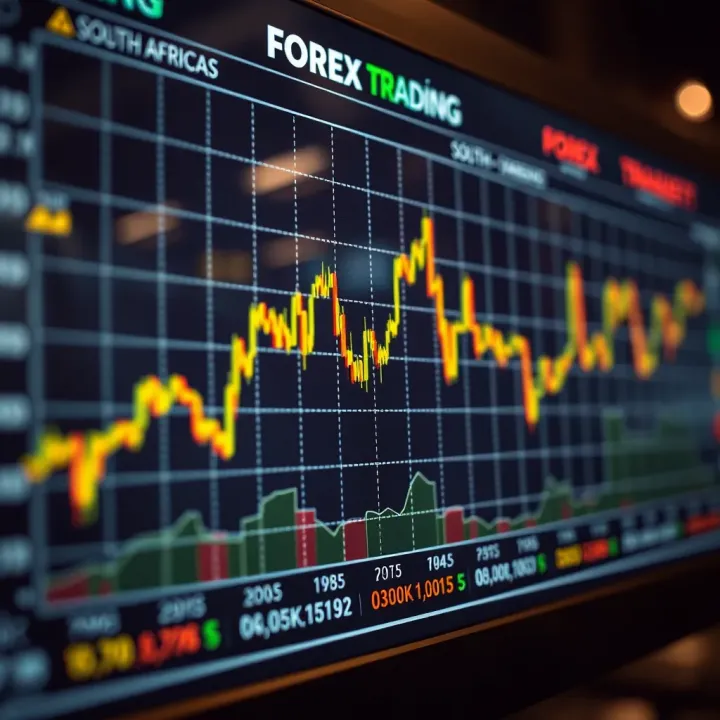
📈 Learn the essentials of forex trading in South Africa: get started safely, understand legal rules, grasp key strategies and manage risks with local insights. 🇿🇦
Based on 12 reviews