
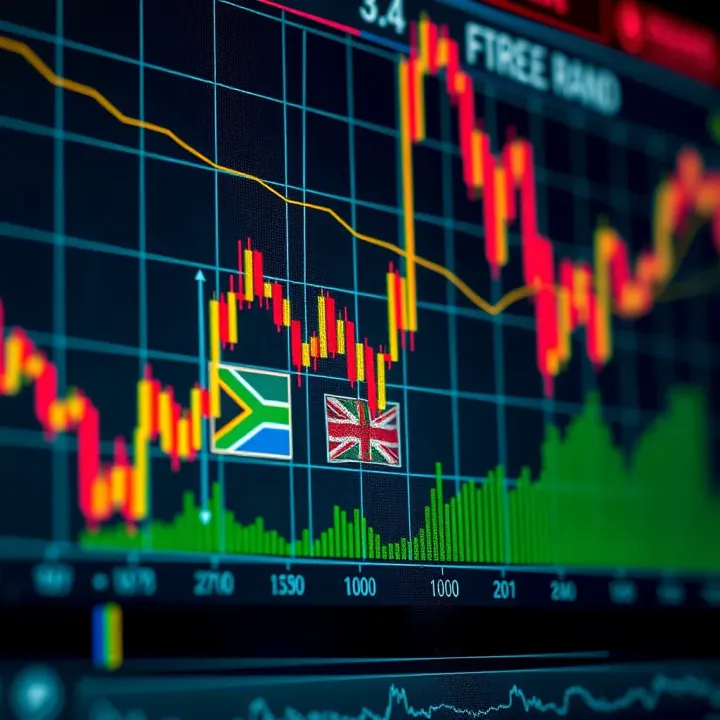
Fundamental Forex Trading Basics for South African Traders
📊 Explore key fundamental forex trading concepts tailored for South African traders: economic indicators, global events, and smart strategy tips for stronger currency moves.
Edited By
Thomas Reed
Forex trading has grown steadily in South Africa, attracting traders keen to tap into the global currency markets. Unlike the JSE or commodities markets, forex trading offers a combination of flexibility, liquidity, and round-the-clock access that fits well with busy schedules and diverse financial goals.
For South Africans, forex isn't just about speculation – it can be a practical way to diversify income streams beyond traditional investments. Whether you're a seasoned trader or a newcomer, understanding the tangible benefits of forex trading can help you decide if it suits your financial plans.

Unlike local equity markets that close by 5 pm, forex operates 24 hours a day, five days a week, cycling through major global financial hubs like London, New York, Tokyo, and Sydney. This means you can trade at any time that suits your lifestyle, even outside regular working hours or during Eskom's loadshedding times.
Another key advantage is liquidity. Currency pairs like the USD/ZAR or EUR/USD have millions of dollars traded every day, creating tight spreads and swift execution. This high liquidity ensures you can enter and exit positions quickly, which is crucial for taking advantage of rapid market movements.
Forex trading offers South Africans the flexibility to manage risk, hedge against currency fluctuations, and potentially earn supplemental income from movements in global markets.
Practical benefits include the ability to use leverage, which allows controlling a larger position with a smaller amount of capital. While leverage increases potential profits, it also raises the risk, so it's essential to approach it with caution.
In summary:
24/5 market access: Trade anytime between Sunday evening and Friday night SAST
High liquidity: Ensures efficient trading with smaller spreads
Income diversification: Adds a new asset class apart from stocks or property
Hedging opportunities: Protects against exchange rate risks, especially for exporters or travellers
Leverage options: Amplifies trading capacity, requiring solid risk management
These benefits have made forex trading a popular avenue for South Africans looking for accessible, flexible ways to participate in international finance. The following sections will explore these points with practical examples, helping you get a firm grasp of what forex trading can mean for your portfolio.
Forex trading opens doors to global markets 24 hours a day, five days a week, which is especially handy for South Africans balancing work and personal commitments. Unlike stock markets that close in the early evening, forex markets start on Sunday evening and run continuously until Friday night, thanks to the succession of trading sessions across continents. This means you can trade at any time that suits you, whether early in the morning before the workday or late at night after a braai and catching up with friends.
For South African traders, this round-the-clock availability means flexibility. Say you clock off work at 5 pm; you can still engage in forex trading without missing out. The ability to trade during Asian or US sessions means you’re not restricted to the JSE’s hours. It also allows you to react immediately to global economic news irrespective of South African business hours, which can be crucial when trading volatile currency pairs like USD/ZAR.
Time zones play a noteworthy role in crafting effective trading strategies. The overlap between London and New York sessions often brings higher market activity and tighter spreads, which can benefit traders looking for good entry and exit points. South African traders tend to focus on these periods between 3 pm and 10 pm SAST, when liquidity is strongest. Meanwhile, quieter periods might require a different approach, such as longer-term trades or scaling back to avoid unnecessary risk.
Starting in forex doesn't demand a fortune upfront. Most brokers allow accounts with deposits as low as R500 or less, making it accessible to many. Margin trading further means you can control larger positions while committing only a fraction of the total trade value. For example, with a 1% margin, R1,000 could control a trade worth R100,000. This accessibility appeals to beginner traders but requires careful money management to avoid large losses.
South Africa offers a range of easy-to-use online trading platforms, like MetaTrader 4, MetaTrader 5, and more localised platforms such as easyMarkets or IG. These platforms provide charting tools, demo accounts, and mobile apps, giving you flexibility to trade from your laptop or cellphone. The availability of such technology ensures you can monitor and execute trades even while on the go, an important feature considering the local daily commute or busy schedules.
Opening a forex account is quite straightforward for South Africans, particularly because many brokers comply with regulations such as the Financial Sector Conduct Authority (FSCA). This means brokers follow rules aimed at protecting clients, like segregated client funds and transparent pricing. The Know Your Customer (KYC) process requires submitting identification such as your South African ID book or passport and proof of residence. Usually, this process completes within a day or two, allowing you to start trading quickly.
Access to forex markets no longer depends on hefty capital or daytime availability. For South Africans, the flexibility and ease of entry make it a viable option for growing your financial portfolio.
Whether you want to trade part-time alongside your job or seriously pursue it, the forex market adapts to your rhythm with minimal barriers to get started.

Liquidity in the forex market refers to how easily currencies can be bought or sold without causing significant price changes. High liquidity means there's a large volume of buyers and sellers at any given time, allowing trades to happen smoothly and quickly. For South African traders, this is a key benefit because it ensures you won’t struggle to enter or exit positions even during volatile times, unlike in less liquid markets.
Compared to other financial markets like stocks or bonds, forex is known for its immense liquidity. For instance, the forex market sees daily trading volumes exceeding US$6 trillion globally, dwarfing those of the Johannesburg Stock Exchange (JSE). This vast participation limits delays or price gaps, making forex trading more reliable for fast decision-making.
Liquidity also plays a direct role in trading costs. When a market is highly liquid, spreads—the difference between buying and selling prices—are generally narrower. This means traders face lower costs to open and close positions, improving overall profitability. For example, in illiquid markets, you might see spreads widening dramatically during off-hours, but in forex, the constant activity keeps these expenses in check.
One of the major perks of high liquidity is better pricing and tighter spreads. Since many traders operate simultaneously, brokers must offer competitive rates. For South African traders using platforms like ForexTime (FXTM) or IG, this means you often get prices close to the interbank rate, without the inflated costs common in thinner markets.
High liquidity also makes it easier to enter and exit positions quickly. Imagine spotting a good trade on the EUR/ZAR pair during South African daylight—thanks to liquidity, you can execute your order immediately at the desired price, without slipping to a worse rate. This agility is vital for active traders, especially scalpers or day traders who rely on swift moves.
Lastly, the sheer volume in forex markets reduces the risk of price manipulation. In smaller, less liquid markets, a handful of large players can sway prices artificially. But in forex, with countless institutional investors, banks, and retail traders spanning the globe, it’s far tougher to influence prices unfairly. This means you’re more likely to see genuine market movements rather than distorted ones.
High liquidity in forex markets offers South African traders reliable pricing, reduced costs, and greater market fairness, making it a solid choice for both newcomers and experienced investors alike.
In sum, liquidity isn't just a technical term—it directly shapes your trading experience, costs, and potential gains. Understanding these advantages helps you make smarter choices and navigate the market with more confidence.
Forex trading presents a practical pathway for South Africans seeking additional income beyond traditional employment or investments. The market’s accessibility and high liquidity allow traders to pursue both short-term profits and longer-term gains, depending on their expertise and risk appetite.
The possibility of short and long-term gains in forex hinges on how actively you engage with the market. Short-term trading, such as day trading or scalping, involves capitalising on small price movements within the same day to generate regular returns. This suits those with the time and inclination to monitor markets closely. Meanwhile, long-term trading or position trading benefits those who prefer less daily stress and focus on broader economic trends, such as central bank policy or commodity prices affecting the rand.
Using forex as a complementary income source works well alongside other investments like shares or property. Currency movements often show different patterns compared to equities or real estate, providing a buffer when local markets struggle. Imagine you hold a diversified portfolio of JSE shares but spot an opportunity in USD/ZAR due to US Federal Reserve moves; trading forex can add an extra layer of potential profits and risk management.
Different trading styles cater to varying income objectives. A novice might start with swing trading, which captures medium-term price shifts over days or weeks, allowing more flexibility. More experienced traders might engage in day trading for steady income or combine automated trading bots for consistent execution. Each approach comes with distinct time requirements and risk profiles, so South African traders should align their style with available capital, lifestyle, and goals.
Currency exposure helps reduce risks inherently tied to local markets. For example, South African investors face risks from political changes, loadshedding, or commodity price swings. Holding foreign currencies or trading them via forex accounts provides a cushion against such localised shocks. In volatile times, this can smooth overall returns and protect purchasing power.
Forex interacts with local market investments by offering counterpart exposure that isn’t usually correlated. If the rand weakens due to domestic issues, positions in strong currencies like the euro or US dollar can appreciate in value. This negative correlation helps balance your portfolio and lessens overdependence on South African assets alone.
Balancing forex alongside other asset classes remains important, though. Concentrating too much in forex can increase exposure to leverage risks and currency volatility. It’s sensible to allocate a portion of your portfolio to forex trading while maintaining traditional investments like bonds, property, or retirement funds for long-term growth and stability. Diversification across asset classes ensures no single event causes disproportionate losses.
Many South Africans underestimate how forex can actively contribute to income and portfolio balance, but with careful strategy and education, it offers both practical and financial benefits.
In summary, forex trading opens possibilities for income generation and diversification, helping traders supplement earnings and manage risks linked to local economic factors. Whether you want to earn additional cash or simply lower overall portfolio risk, forex deserves a thoughtful spot in your financial plans.
Effective risk management is vital in forex trading, especially for South Africans exposed to currency swings. By using hedging strategies, traders and businesses can shield themselves from losses caused by fluctuating exchange rates. This section explores how risk management tools and hedging opportunities help protect investments and maintain financial stability.
Using forex contracts to hedge business currency risk plays an important role for companies dealing with foreign payments or receipts. For example, a South African importer expecting to pay a supplier in US dollars can enter into a forex contract to lock in today’s exchange rate. This prevents the R cost from unexpectedly rising if the rand weakens, helping businesses budget with confidence and avoid unnecessary losses. Similarly, exporters receiving foreign currency can hedge against drops in their expected rand income.
Examples relevant to South African importers and exporters include manufacturers relying on imported components or local exporters selling goods abroad. If a Johannesburg-based furniture maker imports timber priced in euros, they face the risk of the rand weakening before payment is due. Using a forward contract or options in the forex market, they can fix the rand price, avoiding unwelcome surprises. On the flip side, a KZN exporter shipping products to the UK can protect their earnings against a falling pound, ensuring more predictable revenue despite volatile markets.
Tools available for hedging in retail forex trading have expanded as technology improved. Retail traders in South Africa can now use instruments like forwards, futures, options, and CFDs (contracts for difference) to hedge or speculate. These tools allow traders to define their risk exposure and decide how much of their position to protect. While professional businesses tend to use forwards or futures to hedge specific transactions, retail traders often combine stop-loss orders with options to control their downside while remaining flexible.
Importance of managing downside risk cannot be overstated. Forex markets can move swiftly, and without limits, losses can spiral. Managing risk means planning for the worst while aiming for the best. South African traders, whether seasoned or beginners, must establish clear rules to protect their capital from large, unexpected declines. This proactive approach prevents emotional trading decisions that frequently lead to heavier losses.
Practical use of stop-loss orders is a common way to cap potential downsides. A stop-loss order automatically closes a trade once the price hits a preset level. For example, if you buy the EUR/ZAR at 19.40, you might place a stop-loss at 19.10 to limit your loss to 0.30 ZAR per euro. This method lets you step away without fearing runaway losses. The stop-loss also encourages discipline, prompting you to accept manageable losses and preserve funds for better opportunities.
Role of risk-reward ratio in forex trading helps traders evaluate whether a potential trade is worth the risk. Typically, a 1:2 or higher ratio is advised, meaning the expected profit should be at least twice the possible loss. By assessing risk-reward, South African traders avoid chasing small gains that don’t justify the risks or exposing themselves to trades with poor payoff potential. This balance improves long-term profitability and builds sensible trading habits.
Controlling risk through hedging and stop-loss controls turns forex from a high-risk gamble into a more calculated venture, especially valuable for South Africans navigating rand volatility.
Together, these risk management techniques support more confident trading decisions and help safeguard wealth amid the ups and downs of global currency markets.
Access to the right technology and education makes a significant difference when trading forex. South African traders benefit from a range of platforms and learning tools that improve efficiency and skill. These resources help manage trades better and keep traders updated on market movements.
South African traders commonly use platforms like MetaTrader 4 (MT4) and MetaTrader 5 (MT5), both of which are widely supported by local brokers such as IG South Africa and HotForex. These platforms provide easy access to major and minor currency pairs while offering real-time charts and order execution. Brokers often offer web-based portals and desktop applications, so you can trade whether you’re at your computer or on the go.
Trading tools also include automated features such as Expert Advisors (EAs) on MT4 and MT5, which can execute trades based on pre-set rules. These tools help reduce emotional trading decisions and allow you to seize trading opportunities around the clock.
Efficiency is boosted by features like one-click trading, customisable chart indicators, and news feeds integrated into platforms. These elements allow traders to react swiftly to economic data releases or geopolitical events, which is crucial in forex where timing can affect profits.
Mobile trading apps provide added flexibility especially for South Africans who are often on the move. Apps from brokers like AvaTrade and Plus500 enable users to monitor charts and place trades directly from their smartphones or tablets. This convenience means you’re rarely out of touch with the forex market, even during commutes or outside office hours.
Education remains vital in forex trading. South African traders can access a mix of free and paid courses offered through brokers or specialised providers like Forex School Online or Udemy. These courses cover fundamental concepts, technical analysis, and advanced trading strategies, catering to beginners and experienced traders alike.
Joining online communities offers peer support and practical insights. Popular forums such as the Forex Subreddit and the BabyPips community serve global traders, while local Facebook groups and WhatsApp chatrooms give South African traders contextual advice relevant to regulatory or tax considerations.
Continuous learning and consistent practice improve decision-making and adaptability. Many brokers provide demo accounts where you can test strategies without risking real money. This practice helps refine skills and builds confidence before entering live trades.
Staying updated and using the right tools turns trading from a guessing game into a disciplined strategy, making technology and education indispensable to South African forex traders.
In summary, the blend of robust trading platforms with educational programs and community support equips South Africans to trade forex effectively. These resources reduce complexity and foster a more professional approach to currency trading.
📊 Explore key fundamental forex trading concepts tailored for South African traders: economic indicators, global events, and smart strategy tips for stronger currency moves.
📈 Discover how Forex trading hours align with South African Standard Time, learn key factors affecting activity, and get tips to time trades smarter in SA.

📈 Learn how forex trading hours in South Africa align with global markets, key overlaps, liquidity peaks, and the impact of local holidays for smarter trades.
📈 Discover practical forex trading strategies, risk management tips, and analysis techniques tailored for South African traders to boost consistent success.
Based on 8 reviews