
Understanding Forex Trading in South Africa
📈 Learn how to trade forex in South Africa safely and smartly. Understand currency moves, key influencers, and trading tips for local and global platforms.
Edited By
Thomas Harding
The forex trading scene in South Africa is growing rapidly, thanks in part to the country's robust financial infrastructure and a growing interest among retail traders. But before jumping in, it helps to understand the landscape, especially the regulatory setup, major brokers, and what services you can expect.
South Africa’s forex sector is overseen by the Financial Sector Conduct Authority (FSCA). This body makes sure brokers play by the rules, protecting traders from scams and unfair practices. If you're picking a broker, double-check their FSCA license. Trading with an unregulated company could leave you exposed to serious risks.
Local and international brokers dominate here. Names like IG Markets, HotForex, and FXTM are pretty popular. These companies offer various account types, competitive spreads, and customer support tailored for South African clients. Each has a slightly different focus — for example, IG Markets is known for advanced trading tools, while FXTM offers flexible leverage options.
Most brokers provide access to major currency pairs such as USD/ZAR and EUR/ZAR. Along with forex, many offer CFDs on indices, commodities, and cryptocurrencies. Pay attention to the trading platform they use; MetaTrader 4 and 5 remain favorites for their reliability and ease of use.
Regulation: Always verify licensing with the FSCA.
Fees and Spreads: Low trading costs can make a big difference.
Customer Service: Responsive support can save you headaches.
Deposit and Withdrawal Options: Look for convenient local methods like EFT or credit cards.
Trading Tools: Useful charting, educational resources, and mobile apps matter.
Trading forex successfully in South Africa requires picking a broker that balances safety, cost, and effective tools. Don’t rush into opening an account; take your time to research.
Understanding these points helps you navigate the forex market safely and avoid common pitfalls. With the right partner, forex trading can become a practical part of your investment strategy in South Africa.
Trading foreign currencies, or forex, has become a popular way for South Africans to participate in global markets. Understanding forex trading here means grasping how currency exchange works, the growth of local markets, and what makes the environment unique for traders. This knowledge helps you make informed choices and manage risks effectively.
Basics of currency exchange: At its core, forex trading involves buying one currency while selling another simultaneously. Think of it like exchanging dollars for euros when traveling abroad, except it’s done electronically and in huge volumes. The goal is to profit from changes in exchange rates – for example, buying euros when they’re cheap and selling when they go up.
This process is practical for businesses dealing in imports or exports but also for speculators trying to profit. For instance, a South African exporter might want to lock in favorable exchange rates ahead of transactions to reduce uncertainty.
How the forex market operates globally: The forex market runs 24 hours a day, five days a week, since it connects financial centers worldwide—New York, London, Tokyo, and Sydney all take turns as the market opens and closes. This nonstop operation means South African traders can access the market anytime during their day or night, making it flexible for different schedules.
Forex trading happens over the counter (OTC), meaning transactions occur directly between parties, usually via online platforms or brokers rather than on a centralized exchange like the stock market. This setup offers high liquidity and tight spreads but also requires careful broker selection.
Popularity among retail traders: More South Africans are turning to forex trading as accessible technology and online platforms make it possible to trade with small amounts of capital. For example, a retail trader might start with just $100, using leverage to increase their buying power. This accessibility has drawn many individuals seeking alternative income streams or investment opportunities beyond traditional stocks or real estate.
However, this rise also brings risks – inexperienced traders might underestimate market volatility or fall for scams. That’s why understanding market basics and choosing regulated brokers is vital.
Role in South Africa’s financial sector: Forex trading contributes to South Africa’s financial ecosystem by providing liquidity and enabling businesses to manage currency risks. Big companies involved in mining or manufacturing often use forex markets to hedge against rand fluctuations which can impact their profitability.
The sector also attracts investment and fosters financial innovation. With the Johannesburg Stock Exchange (JSE) supporting related instruments like currency futures, the forex market complements other capital markets, providing broader options for investors and traders alike.
Getting a solid grip on how forex trading functions in South Africa helps you navigate this dynamic market, spot opportunities, and avoid common pitfalls associated with currency trading.
By understanding these key points, you’re better positioned to benefit from what forex trading offers without wandering into common traps.
Regulation plays a key role in the South African forex market, giving traders confidence and helping keep shady operators at bay. Brokers must follow rules set by a reputable body to legally serve South African clients. This protects your money and ensures fair trading conditions.
The FSCA is the main watchdog overseeing forex companies in South Africa. To get licensed, brokers must meet a set of strict requirements. For example, they need to show they have the capital to cover client trades and risk, maintain clear records, and operate transparently. These rules are designed to make sure they run their business honestly and protect client funds.
Once licensed, brokers undergo regular checks to ensure compliance. They also have to keep client funds separate from their own money, so your cash stays safe even if the company hits trouble. This kind of oversight prevents situations where brokers disappear with client deposits, something that has happened with unregulated outfits.
The FSCA also protects traders by enforcing rules on marketing and advertising claims. Brokers can't falsely promise unrealistic profits or hide risks. This lowers the chances you'll be misled by slick but unreliable brokers.
Before trusting a broker, always verify their FSCA license. You can typically find a license number on their website — then double-check it through FSCA's official listings. Legit brokers will happily provide this info because they have nothing to hide.
Here’s a simple checklist to spot a legitimate broker:
Confirm FSCA license details on official FSCA site
Check client fund protection measures, such as segregated accounts
Look for transparent fee structures and clear terms
Read reviews from verified South African traders
Avoid brokers without FSCA regulation, especially those promising huge returns with little risk. Many operate offshore and escape local laws, leaving you little recourse if things go south.
Scams often come dressed as flashy platforms or aggressive sales pitches. For example, some unregulated entities push high leverage or automated bots that promise easy money but instead drain your account. Always be skeptical of unsolicited offers via social media or spam emails.
Sticking with FSCA-licensed brokers isn't just a formality — it’s your best defense against fraud and unfair trading practices in South Africa's forex market.
In short, make sure your broker holds a valid FSCA license, understands and follows the rules, and treats your money with care. This foundation lets you focus on trading knowing the basics are solid.
Choosing a reliable forex trading company is a key step for traders in South Africa. The right broker not only provides a secure platform but also affects trading conditions, costs, and access to markets. Understanding the top companies available locally and internationally can help traders make better decisions tailored to their needs.
South African brokers regulated by the Financial Sector Conduct Authority (FSCA) offer a layer of protection and transparency. For example, companies like Blackstone Futures and IG South Africa have built solid reputations by adhering to strict licensing requirements, ensuring client funds are safeguarded and trades are executed fairly.
These firms typically provide user-friendly interfaces and advanced trading platforms like MetaTrader 4 (MT4) and proprietary systems tailored for the South African market. Blackstone Futures, for instance, offers competitive spreads and educational resources specifically designed for local traders. This local focus helps traders stay aligned with regulatory updates and market nuances distinctive to the region.
Global brokers such as Interactive Brokers, Forex.com, and XM have gained traction among South African traders due to their diverse offering and extensive market access. These brokers tend to support a wider range of currency pairs, commodities, and indices compared to most local firms.
The appeal lies in advanced trading tools, lower minimum deposits, and sometimes better leverage options. However, traders should weigh these benefits against factors like regulatory oversight—international brokers might be regulated in other countries, so South African traders must confirm compliance with FSCA standards or understand the risks involved.
Bottom line: While international brokers offer variety and innovation, local FSCA-regulated firms provide stronger legal protections and better alignment with South African market specifics.
Both local and global brokers play essential roles for traders with different priorities. Familiarity with these companies, their platforms, fees, and regulatory adherence enables South African traders to choose companies that fit their trading styles and risk tolerance.
Local FSCA firms: Best for enhanced security and localized support.
International brokers: Great for broader market access and advanced trading tools.
Knowing these options equips traders to navigate the forex market confidently and safely, making their trading journey more effective overall.
Picking the right forex brokerage matters because it directly affects your trading experience, costs, and safety. A good broker can help you access reliable platforms, better spreads, and responsive support, while a poor choice may lead to unnecessary fees or even fraud. For South African traders, this means looking beyond flashy marketing and focusing on solid factors like fees, technology, and trustworthiness.
Fees and spreads play a big role in your overall costs. Brokers typically charge in two ways: through spreads—the difference between buying and selling prices—and commissions per trade. For example, Pepperstone offers tight spreads starting from 0.0 pips on certain accounts, which can save frequent traders significant money. On the other hand, a broker with wider spreads adds hidden costs that can slowly eat away your profits. It’s smart to compare the actual trading costs, not just headline numbers.
Moving to trading platforms and tools, these form the core of your trading setup. MetaTrader 4 and 5 remain popular for their user-friendly interface and versatility, but newer platforms like cTrader also offer advanced charting and automated trading. For instance, FXTM provides MetaTrader platforms with added analysis tools, benefiting both beginners and pros. The platform should feel intuitive, stable, and compatible with your device—whether desktop, web, or mobile.
Next up is customer support options. When issues arise, timely help matters a lot. Brokers like IG and AvaTrade offer 24/5 support through chat, email, and phone, making it easier to resolve technical glitches or account questions quickly. Ideally, support should be available during South African trading hours with staff who understand local market nuances, avoiding the frustration of generic, automated replies.
The variety of accounts for different experience levels means you’re not forced into a one-size-fits-all deal. Some brokers provide demo accounts for practice, micro accounts for small-scale traders, and standard or VIP accounts for serious investors. For example, HotForex offers multiple account options ranging from basic to zero spread accounts, allowing you to pick one that suits your experience and budget.
Regarding minimum deposits and leverage options, accessibility is key. Some brokers let you start trading with as little as $50, which helps new traders test the waters without a big upfront cost. Leverage, the ability to control larger positions with smaller capital, can amplify gains but also losses. Regulated brokers in South Africa limit leverage to protect traders, but many still offer up to 1:30 for major currency pairs. Understanding these numbers helps you trade responsibly without exposing yourself to unexpected risk.
The bottom line is simple: choose a broker that balances cost, technology, support, and account options suited to your needs. This focus helps you trade smarter and safer in the fast-moving forex market.
Forex trading involves a set of risks unique to its fast-moving and leveraged nature. Awareness of these risks and how to manage them can mean the difference between steady profits and significant losses. For traders in South Africa, especially, understanding market behavior and adopting smart practices offers a solid foundation for safer investing.
Market volatility refers to how much and how quickly currency prices fluctuate in the forex market. These swings can happen due to economic data releases, geopolitical events, or sudden market sentiment changes. For example, when South Africa releases its quarterly GDP figures, the rand can experience sharp movements. These price changes create both opportunities and hazards. Traders can benefit from quick price jumps but also risk rapid losses if the market moves against their position.
Volatility can cause slippage, where orders execute at different prices than expected, leading to unexpected costs. It also tests traders’ emotions, often pushing them to make impulsive decisions. Overall, volatile markets demand stronger focus and disciplined strategies.
Effective risk management is about limiting exposure and protecting your capital. One common tactic is setting stop-loss orders, which automatically close a trade when the price moves unfavorably by a certain amount. This tool helps prevent losses from spiraling out of control during volatile spikes.
Another approach is position sizing: only risking a small, calculated percentage of your account on any single trade. For example, risking 1% to 2% of your trading capital per trade helps keep you in the game despite occasional losses. Diversifying currency pairs and avoiding bets on unpredictable news events also smooth out risk.
Working with brokers registered by the Financial Sector Conduct Authority (FSCA) is critical. FSCA-licensed firms must comply with strict rules designed to safeguard your funds and ensure transparent operations. For instance, they keep client money in segregated accounts, preventing it from being used for the broker's own purposes.
Choosing reputable, regulated brokers reduces the chances of fraud and gives you legal protection if disputes arise. Many global brokers appealing to South African traders also hold FSCA licenses or partner with local firms to meet regulatory standards.
Always verify the broker’s licensing status on the FSCA’s official registry before opening an account.
Leverage lets traders control large positions with a small amount of capital but using too much can wipe out your account quickly. South Africa’s regulatory environment caps leverage to prevent reckless exposure, but some offshore brokers may offer much higher levels. Resist the temptation to max out leverage for “easy” profits; it often leads to faster losses instead.
Scams in forex often involve promises of guaranteed returns or secret trading systems. Be skeptical of such claims and never deposit money with unverified brokers. Stick to clear, transparent trading conditions and regularly educate yourself to spot warning signs.
By managing leverage wisely and working with trustworthy brokers, South African traders can reduce their exposure to scams and unsafe trading practices.
📈 Learn how to trade forex in South Africa safely and smartly. Understand currency moves, key influencers, and trading tips for local and global platforms.

💱 Discover how South Africans can benefit from forex trading with 24/7 market access, high liquidity, income diversity, and smart hedging strategies to grow wealth.
📈 Learn the essentials of forex trading in South Africa: get started safely, understand legal rules, grasp key strategies and manage risks with local insights. 🇿🇦
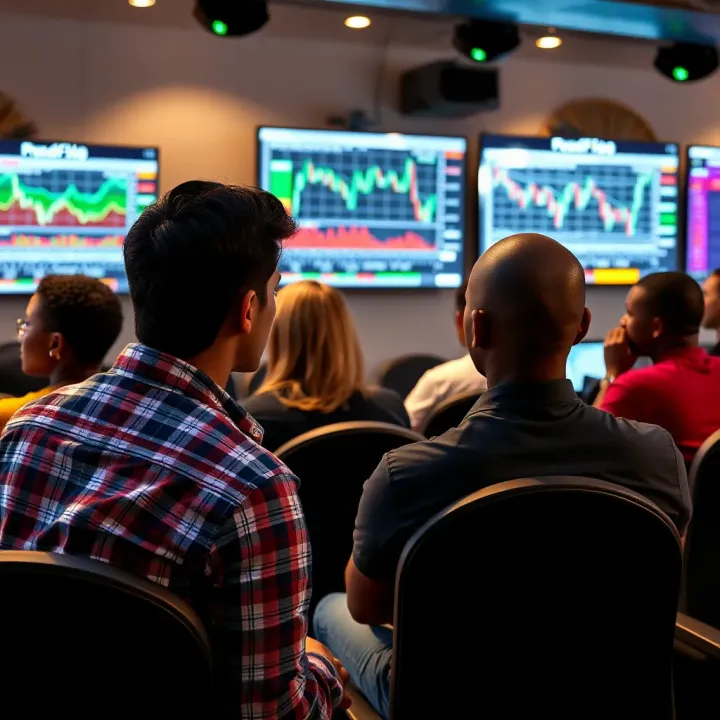
Discover how to choose the best forex trading seminars in South Africa 🇿🇦, learn key benefits, what to expect, and tips to boost your trading skills 📈.
Based on 6 reviews