
Forex Trading Basics for South African Beginners
📘 Learn forex trading basics with this practical guide for South African traders. Understand markets, strategies, local rules, and smart risk management.
Edited By
Charlotte Bennett
Forex trading is buying and selling currencies with the goal of making a profit from fluctuations in exchange rates. For South African traders, understanding the basics of the forex market is the first step to navigating this fast-moving financial space confidently.
The forex market operates 24 hours a day, five days a week, reflecting its global, decentralised nature. Unlike trading on the JSE, forex doesn’t have a central exchange but occurs over-the-counter via networks of banks, brokers, and traders.
Key players include central banks like the South African Reserve Bank (SARB), commercial banks, retail traders, and multinational corporations. Exchange rates depend on supply and demand influenced by factors such as interest rates set by SARB, political announcements, global economic data, and even sudden shocks like changes in commodity prices.
For South African traders, currency pairs involving the rand (ZAR) and major currencies like the US dollar (USD), euro (EUR), and pound sterling (GBP) are of particular interest due to their liquidity and volatility.
Starting out requires grasping terms like pip (the smallest unit of price movement), lot size, and leverage. While leverage can amplify gains, it equally raises risks—a reality many newcomers overlook. A common mistake is overtrading on high leverage without proper risk management, which often leads to heavy losses.
Practical trading also involves choosing the right broker — look for those regulated by the Financial Sector Conduct Authority (FSCA) to ensure your funds’ safety. Many South African brokers offer platforms tailored to local needs, including Rand funding and withdrawals.
In summary, forex trading is accessible but demands a clear understanding of market dynamics, strategic planning, and disciplined risk control. Beginning with sound knowledge and realistic expectations will help you avoid common pitfalls and build steady progress in this dynamic market.
Before diving into forex trading, it's essential to grasp how the forex market operates. This understanding lays the groundwork for making informed decisions and managing risks effectively. Knowing when markets are active, which currencies dominate trading, and how external factors affect prices gives you an edge over traders flying blind.
Forex trading involves buying one currency while selling another simultaneously. Unlike stock markets, forex has no central exchange; instead, it operates over-the-counter through global networks of banks, brokers, and financial institutions. For South African traders, this means access to the market 24 hours a day during the workweek, with opportunities to trade currencies like the South African rand (ZAR) against the US dollar (USD), euro (EUR), and others.
The forex market centres on a set of major currency pairs, which tend to have high liquidity and lower spreads. These include USD/ZAR, EUR/USD, GBP/USD, and USD/JPY. Each pair carries unique traits: for example, USD/ZAR often shows volatility due to local economic and political developments, while EUR/USD typically reflects broader global economic trends. Understanding these nuances helps spot good entry and exit points.
Forex trading flows through four main hubs: Sydney, Tokyo, London, and New York. Market hours overlap at certain points, creating higher liquidity and tighter spreads. For instance, the London and New York overlap between 3 pm and 7 pm SAST offers some of the best trading conditions. Conversely, trading during low liquidity periods can lead to wider spreads and unpredictable price swings. South African traders should plan their sessions around these timeframes to get the best value from their trades.
Getting familiar with forex market mechanics and characteristics equips you to trade smarter, not harder, reducing costly mistakes and improving consistency.
By knowing what to expect from currency pairs, market timings, and the nature of forex trading itself, you build a solid foundation for developing effective strategies tailored to your goals and risk appetite.
Before diving into forex trading, it’s vital to grasp some key concepts that form the backbone of how the market operates and influence your decisions. Understanding these fundamentals, like leverage, margin, pips, lots, spread, and the role of central banks and economic indicators, puts you in a better position to control risk and make smarter trades.
Leverage allows you to control a larger amount of currency with a smaller deposit, known as the margin. Think of it as a loan your broker gives you to increase your buying power. For example, if your broker offers 1:100 leverage, you can trade R10,000 worth of currency with just R100 in your account. However, this works both ways — while it can magnify profits, losses can quickly snowball, wiping out your capital faster than you might expect. That’s why understanding margin requirements and using leverage wisely is crucial. In South Africa, brokers generally offer varying leverage ratios, but local regulation encourages cautious use to protect traders.
A pip (percentage in point) is the smallest price movement in a currency pair, usually the fourth decimal place, like 0.0001 for USD/ZAR. Tracking pips helps you measure profits or losses precisely. Lots refer to the size of your trade. A standard lot equals 100,000 units of the base currency, but many brokers offer mini or micro lots to suit smaller accounts. The spread is the difference between the buying and selling price, basically the cost of opening a trade. For instance, if USD/ZAR has a bid of 18.25 and an ask of 18.30, the 0.05 difference is your spread. Lower spreads mean cheaper trades, which is important during frequent trading.
Central banks, like the South African Reserve Bank (SARB), have a big say in forex markets by influencing interest rates and money supply. When SARB raises or cuts rates, it often moves the rand’s value. Economic indicators – such as inflation data, GDP growth, unemployment figures, and the Consumer Price Index (CPI) – provide clues about economic health and influence trader sentiment. For instance, stronger-than-expected GDP growth could strengthen the rand, while rising inflation might push SARB to hike interest rates, affecting currency pairs involving ZAR.
Knowing how central banks act and reading economic data releases on the calendar can help you anticipate market moves and avoid unpleasant surprises.
By mastering these core concepts, South African forex traders can develop a solid foundation that improves decision-making and risk management in this fast-moving market.
Getting into forex trading without a solid plan is like setting off on a road trip without a map—you're likely to hit bumps or get lost. This section lays out the first crucial steps for South African traders keen to enter the forex market safely and effectively. Understanding how to choose a trustworthy broker, set up your trading account with the right platform, and build a sound trading strategy can make all the difference between quick losses and steady growth.
Finding a forex broker who operates under South African regulations is your first priority. Brokers registered with the Financial Sector Conduct Authority (FSCA) offer some protection and must comply with local rules. For example, firms like IG Markets and HotForex hold FSCA licences, providing added peace of mind. Avoid brokers promising unrealistic returns or those unreachable through local contact numbers. Look for features such as low spreads, transparent fees, and accessible customer support tailored to South African clients, including Rand (R) denominated accounts to avoid unnecessary currency conversion costs.
Once you pick a broker, setting up your trading account should be straightforward but thorough. Expect to submit identification in line with the Financial Intelligence Centre Act (FICA) and the Protection of Personal Information Act (POPIA). South African brokers typically accept scanned IDs or passports, proof of address, and possibly proof of income.
After account approval, it's time to choose your trading platform. MetaTrader 4 and MetaTrader 5 are popular choices; they're user-friendly and supported by most brokers. Alternatively, some platforms offer cutting-edge charting tools and automated trading options—features worth exploring if you like a hands-on approach. Always test with a demo account first to get comfy before risking real money.
Solid trading isn’t about guesswork or following hunches. It involves crafting a clear plan that outlines when to enter or exit trades, how much capital to risk on each trade, and the types of analysis you'll rely on—be it technical, fundamental or both. For instance, you might decide to focus on the USD/ZAR pair and trade only during the London and New York sessions for better liquidity.
Be realistic about your goals and prepare for losing streaks by setting loss limits and profit targets. Use tools like stop-loss orders to limit downside risk and maintain discipline to avoid impulsive decisions, especially after a few wins or losses. Remember, a strategy that works on paper might need tweaking in live markets—learning and adapting are part of the trader's life.
Starting your trading journey with the right broker, account setup, and a well-thought-out plan can save you headaches and protect your capital. Trading is a marathon, not a sprint.
These practical steps help South African traders avoid common pitfalls, stay compliant with local laws, and build a foundation for long-term success in forex trading.
Protecting your trading capital is the backbone of any sustainable forex trading approach. Without effective risk management, even well-planned strategies can fall flat once a losing streak hits. This isn't about avoiding losses altogether—losses are part of trading—but about controlling them so they don't wipe out your account. Especially for South African traders who deal with local market factors like exchange rate swings or loadshedding interruptions, managing risk becomes even more essential.
Stop-loss and take-profit orders act as safety nets in your trading journey. A stop-loss order automatically closes your position at a predetermined price to limit losses, while a take-profit order locks in gains once your price target is reached. For example, if you bought the USD/ZAR pair at R18.50 expecting a rise, you might set a stop-loss at R18.00 to prevent bigger losses if the market moves against you. Similarly, a take-profit at R19.00 ensures you secure your profit without constantly watching the markets. These tools help you stick to your plan and avoid emotional decisions during volatile swings.
Understanding how much of your capital to risk on each trade is crucial. Position sizing means deciding the amount of currency units to buy or sell based on how much risk you're willing to accept per trade, often expressed as a percentage of your total capital. Many experienced traders recommend risking no more than 1-2% of your account on a single trade to protect from heavy losses. Paired with this is the risk-reward ratio, which compares potential loss to potential profit. A common guideline is to aim for a minimum 1:2 ratio—willing to lose R100 to potentially gain R200—making sure your winners outweigh your losers in the long run.
One common trap is emotional trading—making decisions based on fear, greed, or frustration. Picking trades impulsively after a loss or chasing quick wins often leads to mounting losses. Similarly, overtrading, or taking too many trades in a short time, burns through your capital and focus. Both habits bypass your strategy and increase risk. Practising discipline means knowing when to step back, taking breaks from the screen, and sticking to your predefined rules. For instance, if you hit your daily loss limit—say R500—it’s wise to stop trading and review rather than trying to win it back immediately.
Successful forex trading is less about always winning and more about protecting your pocket when the market turns. Using stop-loss orders, calculating position sizes carefully, and keeping your emotions in check create a solid foundation for any trader.
By applying these risk management techniques consistently, South African traders can navigate the forex market with greater confidence, making sure their capital lasts long enough to benefit from opportunities rather than being wiped out by avoidable mistakes.
Trading forex comes with its share of hurdles, especially for South African traders navigating global markets from our unique economic backdrop. This section focuses on common pitfalls, helping you spot trouble early and take practical steps to avoid costly errors. Understanding these challenges supports steadier trading and guards your capital in a fast-moving environment.
Market volatility can hit without warning, causing rapid price swings that might unnerve even seasoned traders. For instance, during unexpected Eskom load-shedding announcements or geopolitical tensions, currency pairs like the USD/ZAR can swing wildly. Recognising volatility means knowing when to pull back or tighten your stop-loss orders to protect gains. One practical tip: avoid trading in volatile periods unless your strategy is built to handle sharp ups and downs, as this can drain your account quickly.
Using leverage amplifies both your potential profits and losses. South African brokers typically offer leverage up to 1:100 or more, tempting traders to bet beyond their means. Imagine opening a R10,000 position with leverage of 1:100; your market exposure is R1,000,000. While this might seem like a shortcut to big returns, a minor market move against you can wipe out your funds in a blink. Stick to conservative leverage levels aligned with your experience and risk tolerance to avoid spiralling losses.
Fraudulent schemes and unregulated brokers pose a real threat in South Africa’s growing forex scene. Be wary of brokers promising guaranteed returns or that dodge regulations set by the Financial Sector Conduct Authority (FSCA). Always check the broker’s FSCA registration before committing any funds. Additionally, steer clear of unsolicited offers on social media or WhatsApp – these often come from scams. Opt for well-known brokers with a transparent track record and solid client feedback.
Staying alert and informed is your best defence against these challenges. Proper risk management, cautious leverage use, and dealing only with regulated brokers create a safer trading foundation.
By recognising market volatility, avoiding excessive leverage, and steering clear of scams, South African traders can preserve their capital and approach forex markets with more confidence. These practices aren’t just good advice—they’re essential for anyone serious about trading sustainably.
📘 Learn forex trading basics with this practical guide for South African traders. Understand markets, strategies, local rules, and smart risk management.
Discover the best forex trading apps for South African traders 🇿🇦. Compare features, costs, security, and local regulations to trade smartly and safely 💹📱.
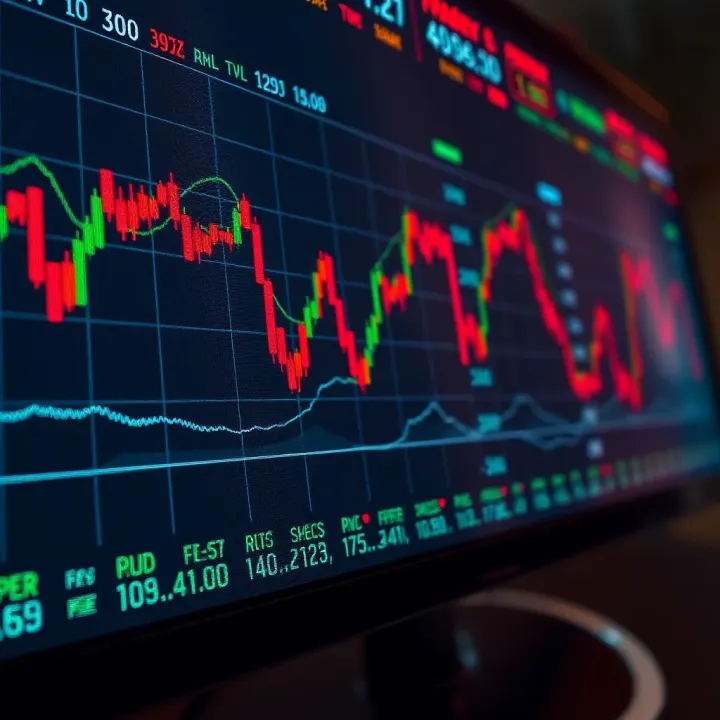
📉 Learn forex trading basics for South African traders, including rand factors, local rules, risk management, and practical tips to trade confidently in the global market.
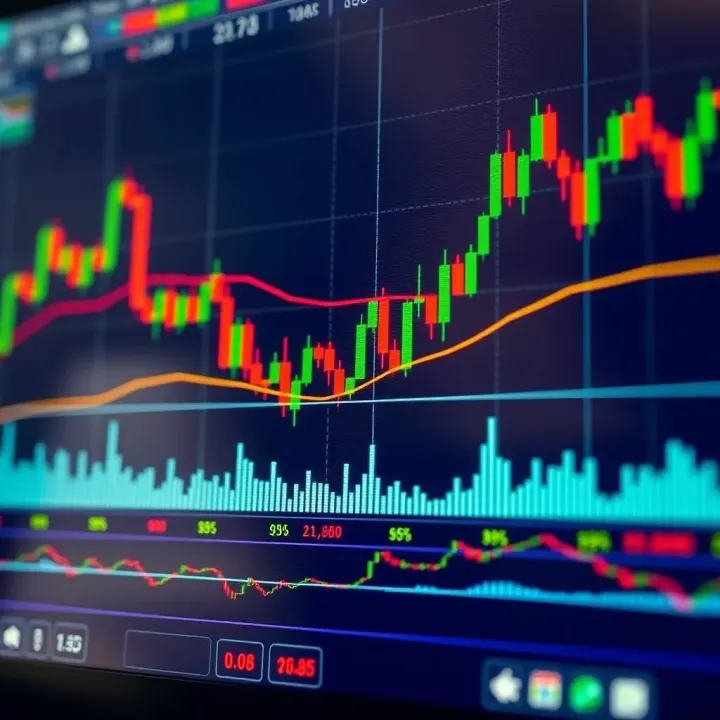
📈 Master forex trading in South Africa with our clear PDF guide! Learn key market concepts, safe start tips, practical analysis, risk management, and skill-building advice.
Based on 13 reviews