
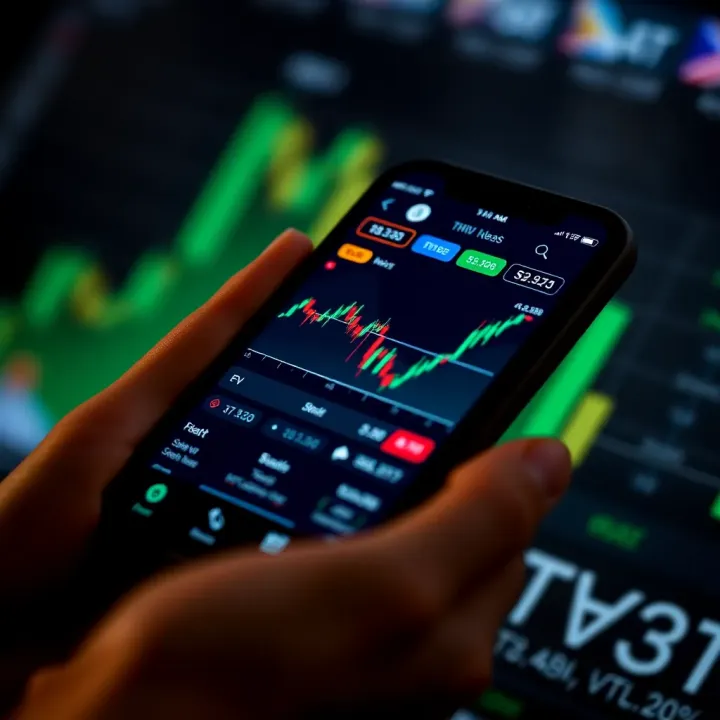
Forex Trading Apps for South African Traders
📱 Discover how forex trading apps work, what to look for, and tips for South African traders. Stay safe, understand risks, and navigate local regulations confidently.
Edited By
Laura Dixon
Trading forex has become more accessible than ever thanks to apps that put market access right in your pocket. For South African traders, choosing the right app means looking beyond flashy charts — you need to focus on local regulations, data costs, and usability tailored to your trading style.
South Africa’s forex market has unique characteristics. The South African Reserve Bank (SARB) regulates foreign exchange, and compliance with local rules is a must. Plus, with data prices still relatively high, efficient apps that don’t eat up your airtime are a winner.
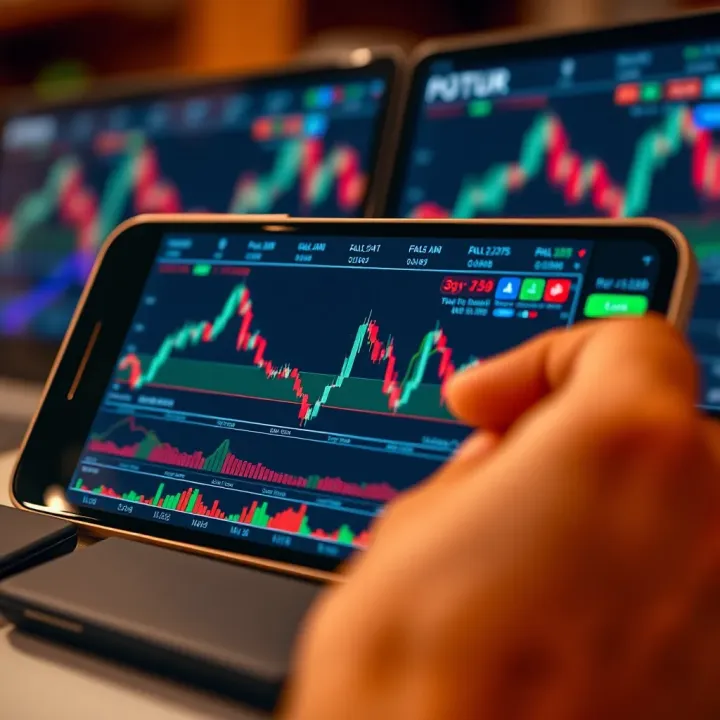
To trade confidently, your app needs not just good features but also strong security, fair fees, and reliable access to major currency pairs involving the rand (ZAR).
When picking an app, consider:
Ease of use: Is the interface intuitive? Even seasoned traders can benefit from a clean layout, while beginners might need simple tutorials.
Cost structure: Look closely at spreads, commissions, and withdrawal fees. Some apps offer commission-free trading but wider spreads that add to overall costs.
Range of instruments: Besides major pairs like USD/ZAR or EUR/ZAR, can you trade exotics or commodities within the same app?
Security: Does the app use encryption? Is it authorised by the Financial Sector Conduct Authority (FSCA) in South Africa?
Data usage: Apps that compress data or offer offline chart access help when you’re battling slow connections or want to save on costs.
Local players and international platforms with South African support are popular choices. For example, IG Markets combines local licence compliance with a powerful trading platform, while ForexTime (FXTM) offers competitive spreads suited to active traders.
This guide will help you navigate these considerations and shortlist apps that fit your needs. Whether you're looking to start with demo accounts or jump right into live trading, knowing how each app lines up with South African realities saves you time and money.
Choosing the right forex trading app can make a significant difference in your trading success and everyday convenience. A well-designed app should not only provide access to markets but also offer a smooth, intuitive experience that aligns with your trading style and needs. South African traders, in particular, face unique challenges like intermittent data connections and the need to comply with local regulations, so picking an app with the right features is crucial.
Ease of navigation: A forex app should feel like second nature when you open it. Finding trade options, reviewing charts, or placing orders needs to be quick and painless, especially when you're in the thick of price swings. Take for example a trader switching from desktop to mobile; if the interface clutters the screen or buries essential functions under several layers, chances are you'll miss important moves or get caught out.
Customisable charts and tools: Being able to tailor charts to your style of analysis matters a lot. Whether you rely on candlestick patterns, moving averages, or RSI indicators, your app should let you add, remove, or adjust these quickly. South African traders often need to adapt to volatile markets, such as Rand fluctuations, so having customisable tools helps spot actionable patterns faster.
Mobile-specific features: Some apps offer unique functions designed for mobile use, like push notifications for price alerts, swipe gestures to open and close trades, or offline mode for viewing charts without constant internet. These features enhance your flexibility, especially if you rely on mobile data where connectivity can be patchy.
Currency pairs available: Most forex apps should cover major pairs like USD/ZAR, EUR/USD, and GBP/USD. But it pays to check whether less common pairs you want to trade are included. For example, if you follow commodity-linked currencies like AUD/ZAR or ZAR/JPY, make sure your app lists them — without it, you might miss out on profitable moves related to global commodity prices.
Access to commodities and indices: Trading platforms that extend beyond forex to include commodities like gold, oil, or even local indices such as the JSE Top 40 provide extra diversification. Since commodities often impact currency moves, being able to switch between them easily can give you a useful edge.
Leveraging and margin options: Leverage lets you multiply your exposure but also comes with bigger risks. South African regulation limits leverage levels (often capped at 1:30 for retail clients), so your app should clearly show your leverage and margin requirements. Knowing this upfront helps you avoid overtrading and blowing your account.
Account protection measures: Forex trading exposes you to cyber risks like hacking and fraud attempts. Look for apps encrypting your data, using secure servers, and offering account alerts. For instance, receiving SMS or email notifications for suspicious login activities can save you a lot of hassle.
Compliance with South African authorities: Trading through brokers regulated by the Financial Sector Conduct Authority (FSCA) safeguards your investment and ensures fair dealing. Ensure the app is officially linked to a locally verified broker; otherwise, it might expose you to legal or financial vulnerabilities.
Two-factor authentication: This simple extra step requires you to validate logins from a second device or app, reducing chances of unauthorised access. Many South African banks and financial services use it, so look for it in your forex app as well.
Spread and commission structures: The spread is the difference between buying and selling prices, often the main cost of forex trading. A narrower spread means cheaper trades. Some apps also charge commissions per trade on top of spreads. For example, if one app offers spreads of 0.8 pips on USD/ZAR and another 1.5 pips but no commission, the total cost could tilt in favour of either depending on your trade volume.
Deposit and withdrawal fees: Check if your app charges fees to move your money in or out. Some platforms levy fixed or percentage charges on deposits or withdrawals, which can add up if you trade frequently or with smaller amounts.
Hidden charges to watch out for: These can include inactivity fees if you leave your account unused, overnight swap fees if you hold trades beyond the day, or currency conversion charges when moving between Rand and other currencies. Understanding these costs upfront keeps surprises at bay.
A trader once ignored small fees on deposits and withdrawals, only to find their account steadily drained by monthly inactivity charges while away on holiday. Such oversights can erode profits fast.

Choosing an app that balances usability, security, and cost helps you trade smarter in South Africa’s dynamic forex environment. Always test the app in demo mode before committing real money to get a feel for its features and hidden traps.
When it comes to forex trading in South Africa, picking an app that suits your trading style, budget, and needs can make a world of difference. The right platform should offer solid tools, reliability, local broker support, and compliance with regulations. Let’s look at some of the most popular forex trading apps among South African traders, highlighting their key features and what makes them stand out.
Features and tools: MetaTrader 4 (MT4) and MetaTrader 5 (MT5) have built a strong reputation worldwide, including here in South Africa. Both apps provide advanced charting tools, technical indicators, and support for automated trading via Expert Advisors. MT5 builds on MT4 with more timeframes and order types, making it suited for traders who want a bit more flexibility and analysis options.
Broker compatibility: These apps work with a large number of brokers, including many regulated in South Africa, offering traders the freedom to choose from various account types and leverage options. This wide broker compatibility ensures you can link your MT4 or MT5 app to a local broker like ThinkMarkets or global brokers that cater to South Africans.
Community support and resources: One of MT4 and MT5’s strengths lies in their active user communities. Forums, trading signal services, and custom script libraries are easily accessible, giving traders new and old practical resources to improve their skills. This network is particularly useful in South Africa, where local trading groups often share custom builds and settings for these platforms.
Local broker advantages: ThinkMarkets is a well-regarded local broker offering a dedicated mobile app that speaks to South African traders. You benefit from faster withdrawals in rand, responsive local customer service, and an understanding of the South African market’s specific needs.
Interface and charting tools: The ThinkMarkets app offers a clean, intuitive interface with customisable charts, allowing traders to monitor multiple currencies and commodities easily. Its mobile-first design means you get solid charting capabilities without feeling overwhelmed on smaller screens.
Customer support access: Having customer support available during South African trading hours is a big plus. The ThinkMarkets app includes direct chat and call functions, which can help with quick resolutions to platform or trading queries, essential when the market moves fast.
Range of markets: IG stands out by offering access to a broad range of markets beyond forex, including shares, indices, cryptocurrencies, and commodities. For South African traders wanting to diversify from forex alone, this app provides flexibility without needing multiple platforms.
Research and educational content: IG provides quality research reports, live webinars, and educational articles integrated into its app. This content helps traders sharpen their strategies and stay informed about global economic events impacting currencies.
Ease of use on mobile devices: The app is designed for seamless use on smartphones and tablets, with a straightforward trading interface, quick order execution, and easy navigation. It works well even on slower data connections common in some South African areas.
Simplicity for beginners: Plus500 is a no-nonsense app popular among new traders for its simple, clean interface. It strips back unnecessary complexity, focusing on ease of placing trades and monitoring positions.
Risk management features: The app builds in important risk control tools like guaranteed stop losses and margin alerts. These features are vital for South African traders who want solid protection against volatile market swings and unexpected losses.
Regulatory adherence: Plus500 operates under multiple regulators, including ones relevant to South Africa. This ensures a certain standard of security and transparency, giving traders peace of mind with their funds and trades.
Choosing an app that fits your local context, trading needs, and style is key. Testing demos on these platforms or starting with small trades can help you select the best fit in South Africa’s unique trading environment.
Picking the right forex trading app goes beyond just flashy features or a slick interface. It has to align with how you actually trade. Whether you’re jumping in for quick gains or looking to hold positions over time, your app should make things easier, not more complicated. Knowing what fits your style can save you time, avoid unnecessary costs, and improve your chances of success.
Short-term traders, like scalpers or day traders, need apps that offer real-time pricing, lightning-fast execution, and tight spreads. Imagine you’re one of those who likes to catch quick moves during a Gauteng morning session—your app must respond instantly and let you close trades on a dime. Conversely, long-term traders seek tools to analyse broader trends, track economic calendars, and hold trades over days or weeks without being bothered by constant notifications. For example, a forex trader in Cape Town focusing on macroeconomic trends will prefer an app with comprehensive charting and fundamental analysis tools rather than rapid-fire execution features.
Automation can save traders from hours glued to a screen, especially for those who can’t trade full-time but want to participate in the forex market. Apps offering automated trading systems or expert advisors (EAs) let you set predefined rules and let the software handle execution. This is useful if you trust tested algorithms or want to avoid emotional decisions. On the other hand, signal services send alerts when certain market conditions are met, giving you a heads-up to consider manual trades. These features can assist traders who want guidance but still prefer keeping decision power in their hands. However, be cautious and test these tools to make sure they suit your risk appetite and local market realities.
Some traders swear by technical analysis; others rely on fundamental data or a mix of both. The best forex app for you will support your preferred analysis style. For example, if you’re a technical analyst, look for apps with a variety of chart types, customisable indicators, and drawing tools. A Kisumu-based trader who focuses on economic releases might prefer an app that pushes notifications about Reserve Bank announcements or employment stats in real-time. Selecting an app that aligns with your analysis ensures you won’t waste time toggling between multiple platforms.
Local customer service can be a real lifesaver, especially when issues crop up outside regular hours. An app with South African-based support teams means you’re more likely to get timely help in your time zone and in familiar terms. For instance, traders dealing with complicated withdrawal requests or RICA-related account verification will appreciate support staff who understand the local procedures and regulations.
Even experienced traders might encounter new features or tools in an app. Those starting out definitely need robust educational resources. A forex app that offers comprehensive tutorials, demo accounts, and webinars adds real value. For example, a beginner in Durban learning about risk management could benefit from clear video guides embedded directly within the app rather than having to search elsewhere.
Some apps provide access to social trading networks where you can follow or copy trades from seasoned experts. This communal approach can be useful for insight and learning, although it’s not a guarantee of profits. It’s quite handy for South African traders who want to tap into local or regional trading communities for shared tips and market sentiment. Community features also help build confidence and keep you updated on market buzz, which might be harder to find in more isolated trading setups.
Finding an app that meshes with your trading style, needs, and support expectations is like putting together a puzzle. Take time to assess what suits you best, then make your move with confidence.
Trading forex through apps is convenient but also exposes you to risks if you don't play it safe. For South African traders, being cautious with security, costs, and legal obligations is not just smart — it's essential. Here are some practical tips focusing on how to protect your money and data, handle costs, and stay on the right side of the law.
Password security plays a huge role in keeping your account safe. Use strong, unique passwords combining letters, numbers, and symbols. Avoid predictable choices like birthdays or the word 'password'. Changing your password regularly and not reusing it across platforms adds another layer of defence. Remember, many hacks come from shared or leaked passwords, so a password manager can help you keep track securely.
Spotting phishing attempts is equally important. Fraudsters often send fake emails or SMS pretending to be your broker or bank, asking for login details or payment information. In South Africa, you might get messages about alleged FICA (Financial Intelligence Centre Act) verifications or promises of quick gains. Always check the sender's address and avoid clicking on suspicious links. When in doubt, go directly to the official app or website instead of responding to messages.
Secure network use matters too. Forex apps work best on stable internet, but public Wi-Fi at cafés or malls is a risk. These open networks invite hackers listening in on your data. Use your mobile data or a trusted VPN service to encrypt your connection when trading. If you must use a public network, avoid making deposits or withdrawals until you’re back on a secure line.
Monitoring spreads and slippage ensures you’re not losing more than you should. The spread is the difference between buying and selling price and can widen during volatile market periods or with less popular currency pairs. Slippage happens when your order executes at a different price than expected. Look for apps with transparent fees and real-time execution updates to avoid surprises.
Choosing appropriate leverage requires balancing risk and reward. Leverage lets you trade bigger volumes than you hold, but it can quickly magnify losses. South African traders should start conservatively — maybe 1:10 or less — until comfortable. Brokers regulated by South African authorities typically recommend lower leverage to protect traders.
Awareness of data and connectivity issues helps maintain smooth trading. Forex apps consume data, especially with live charts and notifications. South Africans face varying data costs and connectivity quality depending on location and provider. Plan your trading around reliable network times and keep an eye on data usage, especially if you’re on a limited prepaid bundle.
The Financial Sector Conduct Authority (FSCA) regulates forex brokers in South Africa, ensuring they follow fair practices. Always trade through FSCA-licensed platforms to avoid scams and enjoy consumer protection. Verifying whether a broker or app is registered with the FSCA is one of the first safety checks you should make.
Reporting forex income to SARS is a legal must. Any profits you make from forex trading must be declared in your annual tax return. SARS considers forex trading gains as taxable income, so keep detailed records of all trades, withdrawals, and deposits. Failure to report can lead to penalties or audits.
Staying updated on regulatory changes prevents surprises. Forex trading rules and tax laws can shift, often influenced by global financial trends or South African economic policy. Subscribe to updates from FSCA and SARS or consult a tax professional to keep your trading above board.
Forex trading is attractive but comes with its risks. Being smart about security, costs, and regulations keeps your experience safe and stress-free in the long run.
With these practical tips, you can trade forex on your mobile with more confidence and clarity, navigating the South African market thoughtfully and securely.
📱 Discover how forex trading apps work, what to look for, and tips for South African traders. Stay safe, understand risks, and navigate local regulations confidently.
📉 Learn forex trading basics for South African traders, including rand factors, local rules, risk management, and practical tips to trade confidently in the global market.
📈 Master forex trading in South Africa with our clear PDF guide! Learn key market concepts, safe start tips, practical analysis, risk management, and skill-building advice.
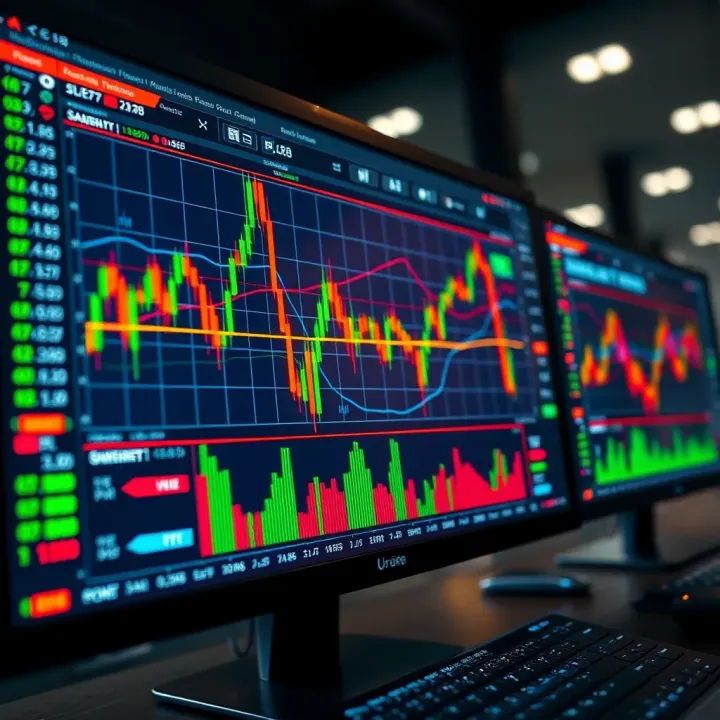
Looking for reliable forex trading software🇿🇦? Discover user-friendly platforms with local market support, automation tools, and fair fees for South African traders📉💻.
Based on 12 reviews