
Understanding Risk Management: 7 Practical Steps
Understand the seven steps of risk management with clear, practical examples to help South African individuals and businesses handle uncertainties effectively ⚖️📊
Edited By
Thomas Harding
Managing risk isn’t just ticking boxes on a checklist; it’s about spotting potential problems before they spiral into expensive delays or safety disasters. In the construction industry, where every project faces unique challenges—from unpredictable weather and labour shortages to regulatory hurdles and supply chain issues—a solid risk management plan is your blueprint for keeping projects on track.
This plan helps you identify hazards, assess their chances and impact, then come up with practical ways to deal with them. For example, if your Gauteng site often faces heavy rains, you might schedule earthworks in drier months or secure ground protection materials to prevent delays and costs from soggy terrain. Or, if importing specialised equipment gets stuck in customs, you arrange early shipment and factor alternative suppliers.
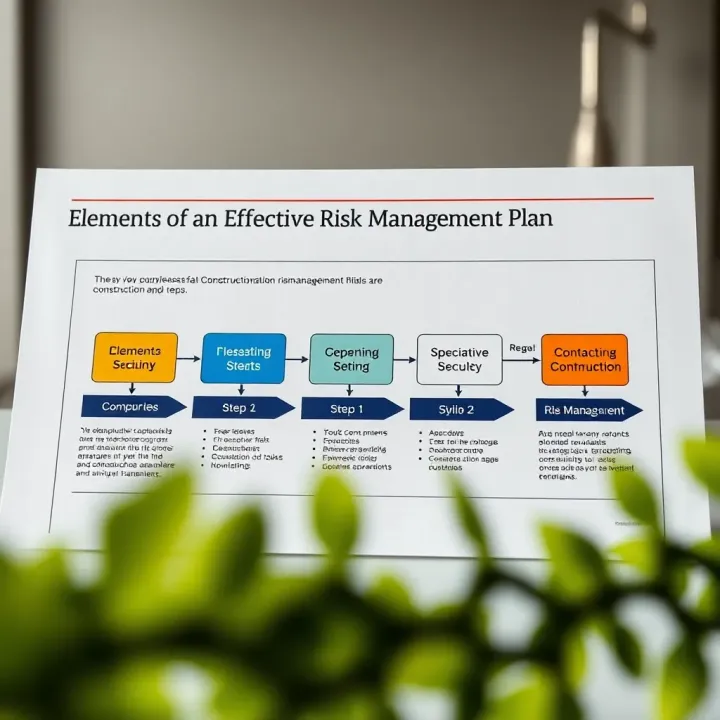
An effective plan isn’t about eliminating every risk—that’s impossible—but about understanding what you can expect and preparing smart responses. It builds in local considerations, like Eskom loadshedding stages that can disrupt power on site or municipal requirements that might slow approvals.
Solid risk management adds resilience. It helps you safeguard your budget and timeline, keeps workers safe, and preserves your reputation with clients and partners.
The key steps include:
Risk identification: Spotting hazards specific to your project’s location, scope, and timeline.
Risk assessment: Evaluating how severe and likely each risk is, backed by data or local experience.
Mitigation planning: Deciding on actions to reduce or manage risk impact, such as alternate suppliers, safety protocols, or insurance.
Implementation: Assigning responsibilities and resources to carry out your plan.
Monitoring and revision: Keeping an eye on risks throughout construction and adjusting the plan as new issues arise.
Taking the time to build this structure upfront isn't extra work—it's an investment that saves headaches later. When you prepare for the unexpected, you’re less likely to get caught off guard, helping your projects finish on schedule and within budget.
Managing risks properly is essential for any construction project to keep it on track and within budget. A solid risk management plan helps identify possible problems before they arise, allowing teams to react rather than just react to surprises. Consider a construction site in Gauteng where supply chain delays for steel caused weeks of downtime. Having spotted this risk early and planned alternatives would have saved time and money.
Construction projects involve many moving parts, often with tight deadlines and slim budget margins. Unexpected risks, such as delayed deliveries or sudden design changes, can quickly push timelines out or inflate costs. For example, a storm hitting the Western Cape might stop work for several days, adding costs for labour and equipment rental. A risk management plan flags such potential delays upfront so contingency plans and buffer budgets can be put in place.
Safety on site isn't just about avoiding injuries — it's about protecting lives and preventing costly legal consequences. Construction work is inherently risky with heavy machinery and hazardous materials involved. Proper risk management means identifying safety hazards early and training workers accordingly, like ensuring scaffolding complies with SANS standards, or enforcing PPE use. This not only reduces accidents but also improves morale and productivity.
A company's reputation hinges on delivering projects safely, on time, and within legal frameworks. Failing to meet regulatory requirements or having repeated incidents can damage standing with clients and regulators alike. For instance, non-compliance with South Africa's Occupational Health and Safety Act can lead to hefty fines and project shutdowns. Risk management outlines responsibilities to avoid these pitfalls, safeguarding reputation and future opportunities.
The first step is spotting all possible risks related to the project, from site conditions to financial factors. This could mean assessing flood-prone areas in KwaZulu-Natal or foreseeing labour disputes. Involving experienced team members who have handled similar projects locally helps uncover risks that might otherwise be missed.
Once risks are identified, understanding how likely they are and what impact they would have is key. This stage uses tools like risk matrices to rank issues from 'low impact/low probability' to 'high impact/high probability'. For example, an electricity load-shedding event could be high probability but medium impact if backup generators are ready, whereas a financial shortfall might be less likely but severe.
After analysis, practical responses to each risk are developed — whether accepting, avoiding, reducing, or transferring the risk. A supplier’s delay might be managed by keeping alternative vendors on speed dial, while risks of on-site injuries are mitigated through tighter safety protocols and training.
Risks aren’t static; they can evolve as the project moves forward. Continuous monitoring ensures new risks are added to the plan and existing ones are reassessed. Digital tools, like project management platforms common on South African sites, can track risk status in real time and prompt updates. Regular reviews keep the team alert and ready to act.
Effective construction risk management isn’t a set-and-forget exercise — it’s a dynamic process that can make the difference between a smooth project and costly headaches.
Understanding these aspects firmly sets the foundation, making sure every move in construction is calculated and prepared for, especially in the complex South African environment.
Spotting risks specific to construction is central to keeping projects on track and within budget. Construction sites come with a slew of hazards and uncertainties not found in other industries, so pinpointing these risks early gives you a better shot at avoiding costly disruptions or safety incidents. Whether it's unexpected supply delays or design errors, knowing what to watch for sharpens decision-making.
Site hazards and accidents often top the risk list. Slips, trips, or falls can stop work dead, affecting timelines and costing money. For instance, poorly maintained scaffolding or uncleared debris can lead to injuries or worse, triggering legal trouble and insurance claims. So safety protocols need to be realistic and strictly enforced from day one, not just tick-box exercises.
Design changes and errors are sneaky risks able to blow your budget out of the water. Imagine ordering materials based on initial blueprints only for the architect to later revise the layout due to regulation changes or client preferences. That sort of rework can cause chain reactions—delays, wastage, and contractual disputes. Staying on top of designs and having flexible plans helps mitigate this.
Supply chain delays have become commonplace in South Africa, especially with port congestion or fuel shortages. When critical supplies like cement or steel arrive late, entire work schedules shift. Projects can stall, forcing teams to idle or scramble for alternatives at short notice. Proactively liaising with suppliers and keeping some buffer stock can reduce the sting.
Financial uncertainties cover fluctuating costs and payment delays. From unexpected municipal fee hikes to withheld payments due to disputes, finances can get tight quickly. Cash flow problems often ripple through a project, forcing cutbacks or postponements. Clear contract terms, timely invoicing, and contingency funds help soften unforeseen hits.
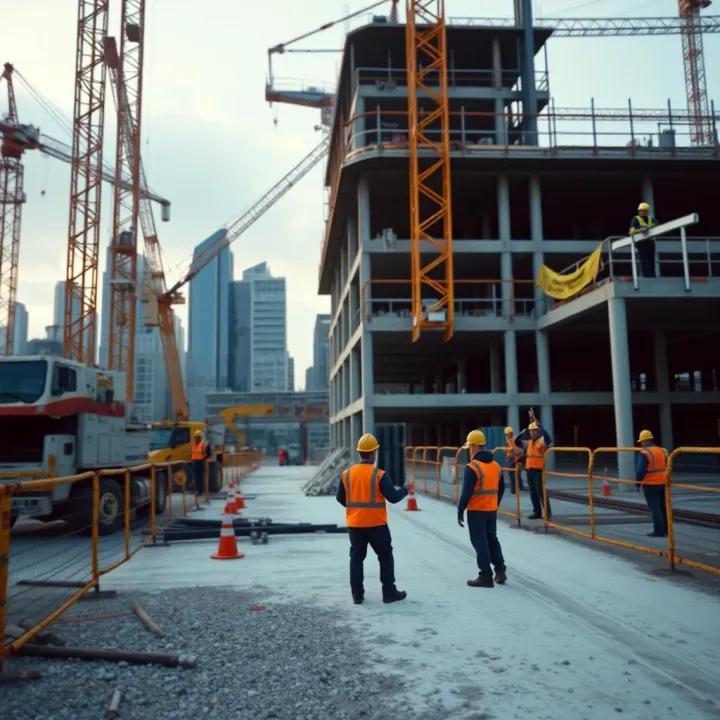
Environmental and weather challenges like sudden downpours or extreme heat impact site safety and progress. Gauteng’s sporadic storms or KwaZulu-Natal’s humidity spikes can force work stoppages or damage fragile materials. Keeping weather forecasts handy and having adaptable work plans go a long way.
Consulting with stakeholders means engaging everyone from clients and contractors to local councils early on. They often hold key insights into possible issues. For example, a neighbouring community might flag noise concerns that could restrict night work, impacting schedule. Open dialogue helps anticipate such hurdles before they snowball.
Site inspections offer a boots-on-the-ground view of emerging risks. Frequent walkabouts reveal slip hazards, improper storage, or overlooked damage. For instance, noticing loose wiring early can prevent electrocution incidents. These checks should be regular and systematic, not just rushed walkthroughs before audits.
Reviewing past project experiences gives you a head start by learning from history. Looking back at similar projects—whether your own or peers'—often uncovers patterns like supplier unreliability or seasonal weather risks. Recording these lessons helps avoid making the same mistakes twice and sharpens your risk radar.
Early risk identification in construction isn’t about predicting every twist but preparing flexibly for what’s likely in your specific environment.
Identifying specific risks with enough lead time means your team can handle disruptions calmly and efficiently instead of firefighting constant surprises. It’s the difference between finishing a project with a sense of relief and having regrets over what could’ve been avoided.
Assessing and prioritising risks is the backbone of any solid construction risk management plan. It means figuring out which risks could hit your project hardest and which ones are more likely to happen. Without this step, teams often waste time chasing minor issues while ignoring those that could really derail progress. In South Africa, where construction faces unique challenges like sudden weather changes and supply disruptions, knowing how and where to focus your attention can save both time and money.
There are two broad ways to size up risks: qualitative and quantitative assessments. Qualitative assessment relies on experience and judgement to classify risks as high, medium, or low for likelihood and impact. For example, a site situated near a known flood plain might be rated as ‘high risk’ qualitatively, based on past flooding incidents in the area. This approach is quick and useful when numerical data isn’t available.
Quantitative assessment, by contrast, involves crunching numbers to estimate probabilities and potential losses. You might calculate how often supply delays occur based on supplier records and assess the expected financial impact on the project budget. Though more data-heavy, this method offers a clearer picture for high-stakes decisions and insurance considerations.
Using the two approaches together helps balance speed with accuracy. Qualitative evaluation flags obvious risks early, while quantitative methods quantify the severity more precisely.
A risk matrix is a handy visual aid that cross-references likelihood against impact. Think of a simple grid where one axis shows the chances of a risk event occurring, and the other shows the scale of its effect on cost, time, or safety. By plotting each identified risk on this matrix, construction teams can quickly spot which risks demand urgent attention.
For instance, a risk with a high probability of causing serious injury or major delays would sit in the top-right corner of the matrix—flagged as the highest priority. Conversely, a risk that’s unlikely and minor might fall into a green zone, requiring minimal monitoring. This approach is common in South African projects adapting to loadshedding, where power outages are likely but can have varying impacts depending on contingency measures.
Prioritising risks generally means focusing on those with the biggest threat and highest likelihood. Construction managers in Cape Town might, for example, prioritise risks linked to heavy rains during winter — common and capable of halting work. On the other hand, a rare design flaw, while potentially costly, might be kept lower down the list if checks are in place.
This prioritisation ensures effort and resources target the issues that could cause the most harm, keeping projects on track. It’s a bit like fixing a pothole on a busy road before repainting lane markings on a quiet side street.
Balancing cost with risk reduction is crucial. Some risks can be practically eliminated but at a high expense, which might not always make sense financially. For example, installing elaborate waterproofing against rare flooding could double costs. Instead, designing a practical contingency budget alongside reasonable safeguards often proves smarter. The goal is to avoid overspending while still cushioning the project against realistic setbacks.
Correctly assessing and prioritising risks allows you to deploy limited resources where they matter most, improving both safety and the bottom line.
By carefully assessing likelihood and impact, using tools like risk matrices, and prioritising effectively, you stand a better chance of steering South African construction projects clear of expensive surprises.
Planning and applying risk mitigation strategies is essential in construction to prevent small problems from snowballing into costly delays or safety incidents. It’s not enough to just identify risks; the plan must include clear actions to manage them effectively. This stage translates risk assessments into practical steps that keep the project on track, protect workers, and safeguard budgets.
Avoiding risk means adjusting plans to eliminate hazards outright, rather than dealing with their consequences later. For instance, if a certain construction method poses high chances of structural failure, opting for an alternative approach or design avoids those risks altogether. Although it might increase upfront costs or require extra time, avoidance reduces the chance of accidents and rework, saving money over the long haul.
Reducing risk involves cutting down the probability or impact of a threat where avoidance isn't possible. This could include stricter safety measures, better equipment maintenance, or more frequent site inspections. For example, fitting scaffolding with guardrails and requiring mandatory helmet use drops injury rates. With risk reduction, it’s about minimising damage rather than ignoring the danger.
Some risks are best handled by transferring responsibility to another party. Insurance policies, like construction all-risk cover or public liability insurance, can cover financial losses from damage or injury. Contract terms can also shift risk—for instance, holding subcontractors liable for delays they cause. Transfer offers peace of mind but needs careful selection of insurers and clear contracts to avoid loopholes.
Sometimes, a risk is minor or unavoidable, making acceptance the practical choice. This means recognising the risk and budgeting or planning for its possible consequences. For example, accepting certain weather-related delays in a coastal area during rainy seasons is realistic. Acceptance doesn’t mean ignoring risk but managing expectations and preparing contingencies.
Establishing robust safety protocols and conducting regular training builds a safety culture that reduces accidents and downtime. Workers should understand hazard signs, emergency procedures, and proper use of equipment. Regular toolbox talks tailored to site conditions help reinforce safe behaviour. Well-trained staff can spot and respond to risks before they escalate.
Setting aside contingency funds cushions the blow when risks materialise unexpectedly. Typically, 5-10% of the total project budget serves as contingency for overruns, rework, or unplanned events. Proper contingency planning avoids scrambling for extra money mid-project and improves cash flow management.
Careful vetting ensures suppliers and subcontractors have the capacity, quality standards, and reliability to reduce risks linked to delays or shoddy work. Contracts should clearly define responsibilities, timelines, quality expectations, and penalty clauses. Strong supply chain controls help to avoid disruptions and cost overruns.
Active monitoring of weather, soil stability, and nearby environmental hazards allows proactive responses. For example, tracking rainfall forecasts can inform scheduling exterior concrete pours or earthworks to prevent washouts. This step is crucial in areas prone to sudden weather changes, like parts of the Western Cape, where heavy rain can halt progress.
Effective risk mitigation isn’t about ticking boxes but making thoughtful decisions driven by real site conditions, financial realities, and team readiness. Practical, proactive steps keep construction projects moving safely and smoothly in a tough, fast-changing environment.
Construction projects often face numerous uncertainties, so addressing legal and financial considerations is essential for managing risks effectively. Overlooking contracts, insurance, or budgeting can lead to costly disputes, project delays, or even personal liability for project stakeholders.
Clear contracts spell out who is responsible for what risk and ensure everyone understands their duties. For example, a principal contractor might be liable for ensuring site safety, while subcontractors are responsible for meeting technical specifications. Clarity in contracts prevents finger-pointing when issues arise, such as delays caused by late material deliveries or design errors. In South Africa, contracts often reference the JBCC or NEC standard forms, and knowing these inside out helps avoid grey areas.
Insurance acts as a financial safety net for construction risks that can’t be eliminated. Common policies include contractors’ all-risks insurance, which covers physical damage to structures and equipment, and public liability insurance protecting against third-party injury or property damage. For instance, if a supplier’s truck causes an accident on site, public liability insurance helps handle the claim. Choosing the right mix of insurance depends on the specific risks of your project and its location, especially in areas prone to weather extremes or theft.
Adding a contingency buffer to your project budget is a practical way to cushion unexpected costs. In South African projects, a buffer of about 5% to 10% is common but varies depending on project complexity and risk level. For example, if a roofing material price suddenly jumps due to import delays, the buffer covers the extra cost without stalling work. Not planning for such buffers can lead to cash flow pressure and compromised quality.
Having a clear procedure for handling insurance and warranty claims speeds up resolution and limits financial losses. This includes timely documentation of incidents, notifying insurers, and collaborating on investigations. Poor claims handling can delay settlements and escalate disputes, tying up valuable resources and harming relationships. Employing dedicated personnel or consultants specialising in claims can keep matters on track.
Adhering to South African construction laws and regulations protects projects from fines and legal challenges. This includes meeting Occupational Health and Safety Act requirements, environmental laws, and municipal building codes. Non-compliance can cause work stoppages or costly penalties. For example, failing to obtain proper environmental impact assessment (EIA) approvals may result in fines or forced halts. Regular audits and legal advice help ensure ongoing compliance.
Managing legal and financial risks isn’t just paperwork—it safeguards your project’s timelines, budget, and reputation throughout the build.
Effective risk management covers these elements to avoid nasty surprises on any construction site.
A risk management plan isn’t a set-and-forget document — it needs to be alive throughout your construction project. Construction sites are dynamic, with new risks emerging as work progresses, suppliers change, or environmental conditions shift. Keeping the plan active ensures you respond timely and avoid surprises that could derail progress or inflate costs.
Regular risk reviews and updates keep your construction risk plan relevant and grounded in real-world conditions. For example, if unexpected heavy rains cause delays or safety concerns on a site in Durban, your risk assessment should reflect this new issue immediately. Scheduling weekly or monthly risk meetings helps your team identify emerging risks early and update mitigation strategies accordingly. This ongoing review reduces blind spots and helps you to allocate resources efficiently, whether that means beefing up safety gear or reshuffling work schedules.
Using digital tools for tracking risks brings transparency and ease to the process, especially on larger projects spanning multiple sites. Platforms like Procore, PlanGrid, or local favourites such as BuildSoft help centralise risk logs, track incident reports, and record change requests. These tools provide real-time updates accessible to all stakeholders, from project managers to site workers. For South African sites facing frequent load shedding, digital tracking can flag schedule slippages and highlight supply chain snags caused by power failures, enabling faster reactions without waiting for weekly meetings.
Training and communication are vital for embedding a risk-aware culture. When all workers—and not just senior managers—understand the risks and their roles, they tend to spot and report hazards before they escalate. Regular toolbox talks or short training sessions on safety procedures, hazard recognition, or even the correct way to use personal protective equipment (PPE) can make a big difference. In Gauteng’s busy urban projects, where multiple contractors might share a site, clear communication prevents misunderstandings that lead to accidents or delays.
Encouraging reporting and feedback fosters an environment where risks are openly discussed and swiftly addressed. Use anonymous reporting channels if necessary to ensure workers feel safe raising concerns without fear of blame. For instance, a labourer spotting a loose crane cable should be able to inform supervisors directly or via a mobile app without bureaucratic hurdles. Prompt feedback loops keep the risk management plan practical, ensuring new issues are captured and responses aren’t left to guesswork.
A proactive, well-communicated approach to risk management cuts costly delays and safeguards everyone on site. Keeping your plan fresh and engaging your whole team is the best way to stay ahead of the unexpected.
By continuously monitoring and involving your team, your risk management plan becomes a practical tool — not just a paper exercise. In the ever-changing South African construction context, that can make all the difference.
Understand the seven steps of risk management with clear, practical examples to help South African individuals and businesses handle uncertainties effectively ⚖️📊
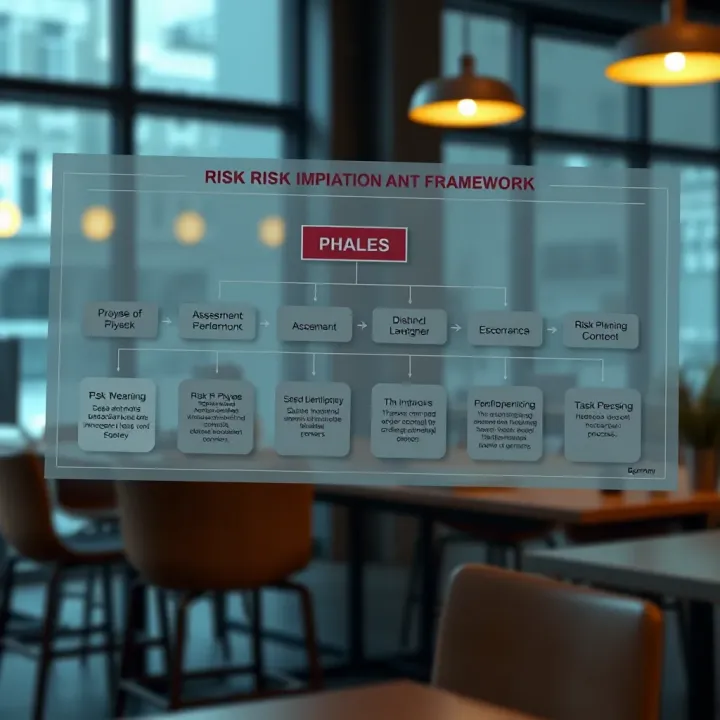
📋 Learn how to craft a solid risk management plan with key elements like risk ID, assessment, mitigation, and monitoring tailored for South African businesses.

✅ Discover how risk management in projects helps teams identify, assess, and mitigate risks, keeping costs in check and ensuring goals are met with confidence. 📊
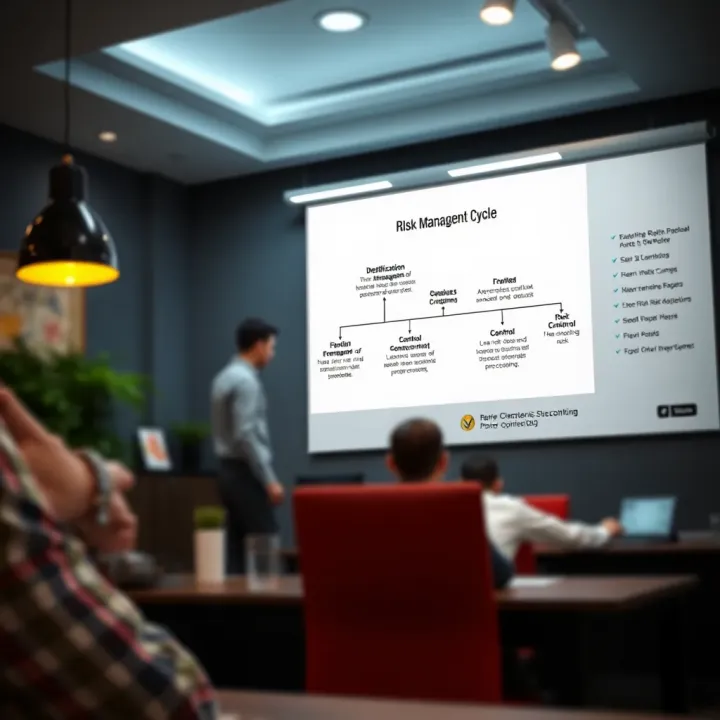
Explore how risk management helps identify, assess, control, and monitor risks for smarter decisions and smoother business operations in South Africa 🇿🇦📊
Based on 8 reviews