
Understanding Binary Options Trading in SA
📘 Learn binary options trading basics, risks, and practical tips tailored for South African traders. Plus, access helpful PDF guides for smart investing decisions.
Edited By
Charlotte Price
Binary options and forex trading are two popular ways to participate in the financial markets, but they operate quite differently. South African traders often find themselves weighing the pros and cons of each, especially as the local regulatory landscape evolves.
Binary options simplify trading by offering a straightforward yes-or-no proposition: will an asset’s price rise or fall by a certain expiry time? If you guess right, you receive a fixed payout; if not, you lose your stake. This fixed risk and potential reward make binary options attractive for those wanting clarity on potential loss upfront. However, the short expiry times and all-or-nothing nature mean the risks can pile up quickly, especially without a solid strategy.

On the other side, forex trading involves buying and selling currencies with the goal of profiting from exchange rate fluctuations. It offers more flexibility in trade duration, position sizing, and strategy complexity. For example, you might hold a position for hours, days, or even longer, adjusting as market conditions change. Forex traders can also use leverage, which magnifies both potential profits and risks.
For South African investors, the trading environment differs: forex trading is generally recognised and regulated by the Financial Sector Conduct Authority (FSCA), while binary options have faced restrictions due to concerns over fraudulent platforms and excessive risk.
Some key points to keep in mind:
Risk and reward: Binary options cap your profit or loss upfront; forex has variable outcomes.
Trading mechanics: Binary options depend on predicting direction within a fixed timeframe; forex allows for more nuanced strategies with variable time horizons.
Regulation: FSCA oversight is clear on forex brokers, while many binary options providers operate offshore, raising red flags.
Market exposure: Forex covers major and exotic currency pairs; binary options may target currencies, commodities, indices, or stocks.
Understanding these differences will help you decide which trading form suits your risk appetite, time commitment, and investment goals. Throughout this article, we'll break down how both work in practice, backed by examples relevant to South African traders.
This overview sets the stage for comparing trading styles, strategies, risks, and legal factors to make an informed choice in your investment journey.
Grasping the basics of binary options and forex trading is key for anyone looking to navigate these financial markets. For South African traders, this understanding helps in picking the right platform, managing risks, and aligning trading activities with personal financial goals. Both forms of trading offer unique opportunities, but they work differently, so knowing the fundamental distinctions supports smarter and safer participation.
Binary options are financial instruments that involve predicting whether an asset’s price will be above or below a specific level at a set time. Imagine placing a bet on whether the South African rand will strengthen against the US dollar by 3 pm today. If your prediction is correct, you receive a fixed payout; if not, you lose your initial stake.
The payout system in binary options is straightforward: a trader knows upfront exactly how much they stand to gain or lose. This “all-or-nothing” format means you either earn a predetermined return or lose your invested amount, making it easier to manage and understand risks but limiting potential profits compared to other trading types.
Typical expiry times in binary options can range from 60 seconds to several hours or days, giving traders flexibility depending on their strategy. Short-term expiry options suit fast-paced speculation but can be quite volatile. Longer expiry times allow for more considered trades, which might align better with traders who follow broader market trends rather than hourly fluctuations.
Forex trading involves buying and selling currencies in pairs, such as ZAR/USD or EUR/GBP, at fluctuating exchange rates. This market reflects global economic shifts, political events, and market sentiment, influencing how one currency moves relative to another. For instance, if you expect the rand to weaken against the euro due to local economic pressures, you’d sell ZAR/EUR to profit from this move.
Spot trading in forex refers to the immediate exchange of currencies at current market prices, while leverage lets traders control larger positions with smaller capital. In South Africa, leverage varies but commonly sits between 1:10 and 1:50, which can magnify both gains and losses, so knowing how to manage this is vital.
One of forex’s advantages is its 24-hour market spanning different time zones, from Asia to Europe to America. Traders in South Africa benefit from this extended access, allowing them to respond swiftly to global events. For example, political developments in the US overnight can impact forex prices before local markets open.
Understanding these core differences between binary options and forex trading lays the groundwork for making informed choices, balancing risk with reward while navigating the vibrant world of currency markets available to South Africans today.
Understanding how binary options and forex trading differ in their mechanics and risk profiles is vital for anyone stepping into either market. These distinctions influence not only the potential profits but how traders manage their capital and exposure.
Binary options' all-or-nothing payoff means you either win a fixed amount or lose your initial investment on a trade. Think of it like betting on a horse race where you predict the winner before the race starts. If you’re right, you get a set payout; if not, you lose your stake. For example, if you buy a binary option on the EUR/USD pair predicting it will rise in the next hour, you’ll either receive a return of, say, 80% if correct or forfeit your entire initial bet if wrong. This simplicity attracts traders who prefer clear risk and reward, but it also means no upside beyond the predetermined payout.
In contrast, forex trading features fluctuating profit and loss throughout the trade. When you buy a currency pair, like ZAR/USD, you’re exposed to varying price movements. You can close your position anytime to lock in profits or cut losses, unlike the fixed expiry of binary options. The more the price moves in your favour, the higher your potential gain, but losses can also increase proportionately. This dynamic offers flexibility and the chance to adjust your strategy as market conditions change.
Leverage impacts exposure significantly in forex. Brokers often allow traders to control large positions with a relatively small amount of capital, such as a 1:100 leverage, meaning R1,000 can control R100,000 worth of currency. While this magnifies profits, it also means losses can quickly exceed your initial deposit if the market moves against you. Binary options usually don't involve traditional leverage, making forex both attractive and riskier due to this amplified exposure.
One of the key appeals of binary options is predetermined risk. You know upfront exactly what you can lose on each trade, which simplifies money management. For instance, if you commit R500 on a binary trade, that is your maximum loss regardless of market swings. This fixed-risk nature can be comforting for novices or those with limited capital looking to avoid margin calls.
On the other hand, forex trading carries variable risk with margin calls. Because of leverage, if your losses approach your available margin, brokers may require you to add funds or they might close your position automatically to prevent further losses. This means your risk isn’t capped in the same straightforward way as binary options and could exceed your initial capital if not managed carefully.
Consequently, initial capital needs differ to start trading. Binary options typically require less money upfront since trades are smaller and risk is set per option. Forex trading often demands greater capital due to minimum margin requirements and the desire to avoid rapid margin calls. For example, a trader might begin binary options with just R1,000, but forex trading with leverage might require starting from R5,000 or more to comfortably manage positions and risks.
Navigating these differences is key to choosing the right trading path. These mechanics shape how you plan trades, manage money, and ultimately protect yourself from unexpected losses.
Understanding the regulatory landscape is key for any trader, especially in volatile markets like binary options and forex. Regulations provide a safety net, aiming to protect investors from fraud and malpractice. More than just red tape, these rules affect where and how you can trade, the transparency you get, and how your funds are handled.
Binary options trading sits on shaky ground in South Africa. The Financial Sector Conduct Authority (FSCA) has not approved any binary options platforms, effectively rendering many such operations illegal or unregulated locally. For South African traders, this means buying binary options through foreign, often unregulated brokers carries significant risks, including potential loss of funds without recourse.
The FSCA has issued multiple warnings cautioning South Africans about the risks linked to binary options. It highlights that many operators advertising these products are not licensed, with some engaging in scams or misleading practices. The authority advises traders to ensure brokers are FSCA-licensed before investing, a step that protects traders from deceptive schemes often associated with binary options.
Trading with unregulated binary options brokers often leads to problems such as withheld withdrawals, sudden platform closures, and lack of client fund protection. Many of these unscrupulous brokers showcase aggressive marketing tactics targeting unsuspecting traders. The absence of regulatory oversight means there's little chance of recovering lost capital or finding independent dispute resolution.
Forex trading in South Africa is more firmly regulated compared to binary options. Several brokers operate under FSCA approval, meaning they comply with local financial laws, provide transparent pricing, and maintain standards in client communication. Using FSCA-approved brokers adds a layer of trust and legal protection for South African traders.
A crucial safeguard in regulated forex trading is the requirement for brokers to keep client funds separate from their operational accounts. This segregation ensures that even if the broker faces financial difficulties, your money remains protected. For example, well-known FSCA-regulated brokers like IG or Plus500 follow strict rules to ring-fence client deposits.
Many South Africans access forex brokers regulated offshore, such as in the UK, Australia, or Cyprus. These international watchdogs often impose stringent rules around capital requirements and client protection. However, trading with foreign-regulated brokers presents nuances—for instance, legal recourse can become complicated if disputes arise. Hence, balancing global regulation standards with local oversight is vital for peace of mind.
When trading, always verify your broker’s regulatory status and understand the protections offered. This helps avoid costly surprises and contributes to a safer trading experience.
In sum, regulation shapes much of the trading environment’s safety and fairness. South Africans should prioritise brokers licensed by the FSCA or reputable foreign authorities to mitigate risks linked especially to borderline offerings like binary options.
Understanding trading strategies and their suitability is essential for any trader, especially when deciding between binary options and forex trading. Each approach has its own rhythm, risk level, and skill demands, which directly impact whether a trader can make consistent profits or not. Let's break down the specific strategies and who they work best for.
Short-term speculation is at the heart of binary options trading. Trades often last minutes or hours, which appeals to those seeking quick results. For example, a trader might predict if the rand-dollar exchange rate will rise or fall within 15 minutes. This fast pace suits those who want immediate outcomes, but it leaves little room for error or deep analysis.
Common technical analysis methods in binary options use chart patterns, support and resistance levels, and basic indicators like moving averages or RSI (Relative Strength Index). Since the expiry times are short, traders mostly rely on these quick signals rather than fundamental news. For instance, spotting a resistance bounce in the rand could trigger a put option bet.
Binary options are generally suitable for beginners due to their simplicity and predefined risk and reward. You either win a fixed payout or lose your stake. This all-or-nothing style can be easier to grasp than the complex margin and leverage of forex. However, beginners should be cautious about overtrading and understand that quick profits are not guaranteed.
In forex, traders often use a mix of fundamental and technical analysis. Fundamentals like South African Reserve Bank’s interest rate decisions or US economic data affect currency valuations over days or weeks. Meanwhile, technical analysis helps spot entry and exit points through chart patterns and indicators. For example, a trader might combine SARB rate hikes with a chart breakout on USD/ZAR to make a move.
Leverage use and risk management are key in forex. Traders can control larger positions with a small deposit, but this can magnify losses. Proper risk management, such as setting stop losses or limiting exposure to 1-2% of trading capital per trade, helps avoid blowouts. Unlike binary options, where risk is fixed upfront, forex risk can vary widely.
Forex trading supports both long-term and day trading styles. Some investors hold positions for weeks, basing decisions on economic cycles. Others prefer intraday trading, opening and closing trades within hours, capitalising on short-term volatility. For instance, a day trader might scalp small moves during Pretoria’s trading hours, while a long-term trader prefers to hold positions through SARB policy changes.
Assessing your risk tolerance is crucial. If losing your full stake in a single trade feels too stressful, forex with careful leverage and stop losses might suit better than binary options' fixed all-or-nothing risk.
Time commitment and learning curve also vary. Binary options require less time for analysis and quicker decisions, suitable if you can’t dedicate hours daily. Forex demands more study and monitoring to understand macroeconomics and chart signals properly.
Lastly, your financial goals and capital availability guide the choice. Forex trading requires larger capital due to margin rules but offers scalable positions, while binary options allow starting with smaller amounts but limit profit potential. If you’ve got R5,000 and want to try quick trades, binary options might be the entry point. For a trader aiming to build wealth over time with R50,000+, forex could be more suitable.
Choosing the right trading style boils down to knowing what fits your personality, resources, and objectives. There’s no one-size-fits-all, so getting hands-on experience and continuous learning is the best way to find your footing.
Trading binary options or forex from South Africa comes with unique challenges and opportunities. Knowing how to pick the right broker, managing costs, and handling local hurdles like loadshedding can make a big difference in your trading success. This section highlights key practical points that South African traders should keep in mind to navigate the markets safely and efficiently.
When choosing a broker, many South African traders face the choice between local firms regulated by the Financial Sector Conduct Authority (FSCA) and international brokers operating under foreign regulation. Local brokers often provide better protection of your funds, clearer recourse if things go wrong, and tailored support sensitive to local conditions like currency conversion or delays.
International brokers, meanwhile, may offer wider product ranges or lower costs but come with risks around regulation enforcement and fund security. It's worth checking whether the broker is FSCA-licensed or recognised by other reputable watchdogs to avoid unregulated platforms.
A broker’s trading platform should be straightforward, responsive, and reliable, especially given South Africa’s variable internet connectivity. Look for features like real-time charts, stop-loss orders, and quick execution speeds. Mobile compatibility is important too, since many traders use smartphones.
User-friendly interfaces lower the learning curve and reduce costly mistakes. Platforms like MT4 or MT5 remain popular for forex because of their solid tools and customisation options. For binary options, simplicity matters more; you want clear displays of expiry times and potential payouts.
Costs can quickly eat into your profits, so take note of the spreads (difference between buy and sell prices) and any commissions charged per trade. Binary options usually have fixed premiums, while forex spreads can widen during volatile times.
For example, South African traders often find spreads on major pairs like USD/ZAR wider during peak loadshedding hours due to unstable internet and less liquidity. Some brokers claim zero commissions but widen spreads instead, so always check the total cost to trade.
Binary options typically involve a fixed risk per trade, making costs predictable. Forex trading’s costs vary according to leverage, trade size, and market conditions. Additional costs like overnight swap fees and withdrawal charges can also apply, especially with international brokers.
Being aware of these ensures you can budget effectively and avoid surprises that hurt your bottom line.
Profits from both forex and binary options are generally subject to income tax if trading is frequent and seen as a business activity. Casual or one-off traders might be taxed under capital gains.
SARS expects taxpayers to declare earnings accurately. Whether you trade through a company or individually affects the tax rates and deductions available. Consulting a tax expert familiar with investment income is wise.
Keeping detailed records is crucial. This includes transaction histories, broker statements, and evidence of deposits and withdrawals. SARS may request proof of income sources and expenses.
Using digital tools or spreadsheets can help track trades and generate summaries when needed, making tax season less daunting.
Loadshedding disrupts power and internet, which can cut off your access to markets at crucial moments. Having a backup power solution like an inverter or portable battery helps avoid missing trades or forced losses.
Also, consider mobile data as a fallback to stay connected during evening outages. Make sure your trading platform supports quick order changes to respond fast.
Fraudulent schemes and fake brokers plague South Africa’s trading landscape, especially in binary options. Never trust brokers without FSCA approval or positive industry reputation.
Be cautious of promises of guaranteed returns or pressure to fund large accounts quickly. Joining trader forums and using FSCA warnings can help spot scams before you lose money.
Always verify your broker’s credentials and choose transparency over flashy marketing.
Markets change constantly. Continuous learning through webinars, reputable news sources like MyBroadband or BusinessTech, and practising on demo accounts builds skills and confidence.
Understanding global economic factors as well as local developments like currency fluctuations or interest rate changes sharpens your trading decisions.
In the end, practical preparation and vigilance matter just as much as strategy when trading from South Africa.
📘 Learn binary options trading basics, risks, and practical tips tailored for South African traders. Plus, access helpful PDF guides for smart investing decisions.
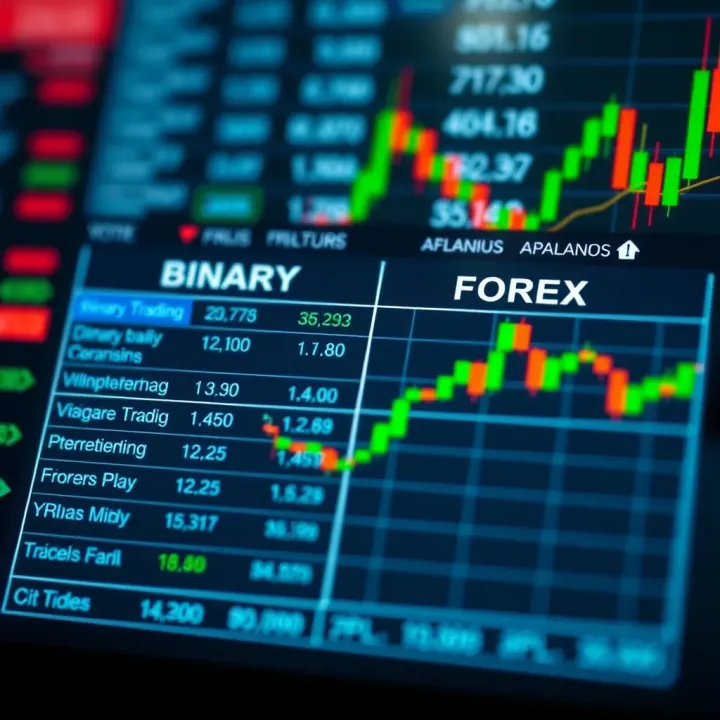
📊 Discover how binary and forex trading work, their risks, rewards, and key differences. Get practical tips tailored for South African traders to trade smartly.
Discover how South African traders can access free funds to trade binary options 💰. Learn about legit broker bonuses, risk tips, and safer trading strategies.
📈 Learn how to trade forex in South Africa safely and smartly. Understand currency moves, key influencers, and trading tips for local and global platforms.
Based on 5 reviews