
Understanding Binary Option Robots in South Africa
🤖 Learn how binary option robots trade automatically using algorithms. Discover their pros, risks, and what to check when considering them in South Africa's market.
Edited By
Liam Walker
Binary option robots have stirred up quite a buzz among traders in South Africa. These automated systems promise to take the grunt work off trading binary options, which are straightforward yes/no bets on whether an asset’s price will hit a certain level within a set time. But before diving in headfirst, it’s essential to understand how these bots really work, the legal environment surrounding them, and the risks involved.
At their core, binary option robots use algorithms to analyse market data and place trades automatically. They scan charts, identify patterns, and make split-second decisions based on predefined criteria. This can be handy if you want to trade but don’t have the time or expertise to follow markets continuously.
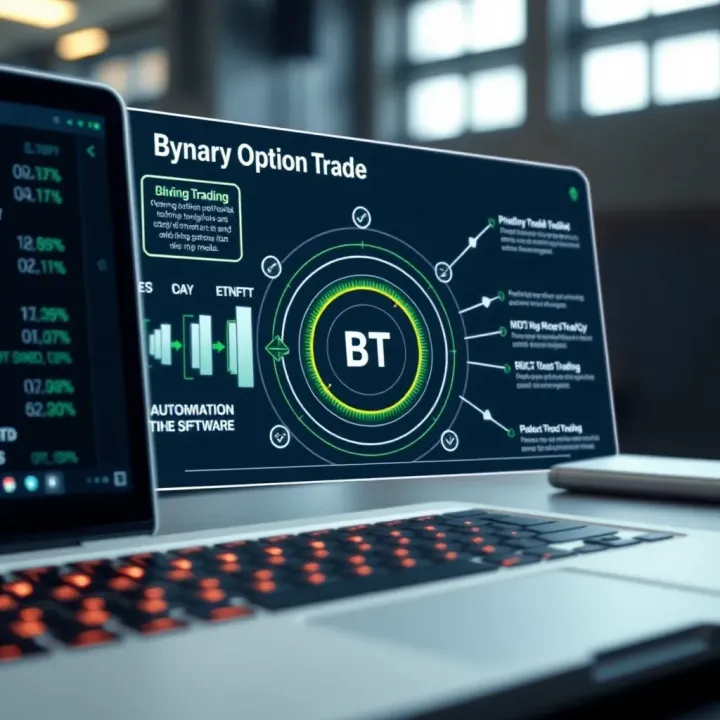
That said, South Africa’s Financial Sector Conduct Authority (FSCA) currently hasn’t fully embraced or regulated binary options trading. As a result, much of the binary options space remains a bit of a Wild West, with many platforms operating offshore and unregulated. It’s vital that local traders exercise caution and steer clear of platforms that don’t comply with FSCA guidelines or lack transparent licensing.
The risks linked to binary option robots are considerable. While they may appear to automate profits, many rely on aggressive strategies that can wipe out capital fast. Plus, market volatility, algorithmic flaws, or delays in execution can lead to unexpected losses. Remember, even the sharpest bots can’t predict every market twist or sudden news event.
Here are practical points to keep in mind if you’re thinking about using a binary option robot in SA:
Research the provider thoroughly: Verify licensing, user reviews, and company background.
Understand the trading strategy: Know how the robot selects trades and manages risk.
Start small: Test with minimal amounts before committing bigger sums.
Stay updated on regulations: FSCA updates may affect which platforms and tools are allowed.
Successful trading with binary option robots isn’t about setting and forgetting; it requires ongoing monitoring and readiness to step in when markets or tech don’t play fair.
In short, binary option robots can be appealing for their promise of hands-off trading, but South African traders need to stay sharp about legality, risks, and realistic expectations. Proceed with caution, and make sure your trading decisions are well-informed rather than swayed by hype.
For traders in South Africa looking to dip their toes into binary options, understanding how binary option robots work is fundamental. These automated systems promise to handle trading decisions on your behalf, often touted as time-savers and efficiency boosts. But relying solely on a robot without grasping its inner workings can be a costly mistake. Knowing the basics helps you use these tools more wisely, recognising their limits and potential risks.
A binary option robot is software designed to automatically execute trades on binary options markets based on set parameters. Simply put, it scans the market and makes buy or sell calls for you, removing the need to manually watch price movements. This can particularly appeal to South African traders who prefer less hands-on involvement or who trade alongside a day job.
The purpose of the robot is to automate trading strategies that might take a human much longer to conduct in real-time. For example, it can respond to sudden shifts in currency pairs like USD/ZAR within milliseconds, aiming to profit from short-term price moves. While it doesn’t guarantee wins, it may increase the speed and discipline of your trades.
Automation supports trading decisions by following programmed logic without emotion. Human traders often make inconsistent decisions under pressure, but robots stick to their predefined rules. For instance, a bot set to close trades when losses hit a certain level won’t hesitate or second-guess itself, potentially protecting your capital better than impulsive manual trading.
At the same time, automation enables simultaneous monitoring of multiple assets, something difficult for a person to match. A robot can check patterns across currencies, stocks, and commodities all at once, increasing chances of spotting profitable setups in the fast-moving binary options space.
Binary option robots operate through algorithm-driven trading strategies. These algorithms are coded instructions that analyse past and current market data to predict the direction of asset prices. They might use technical indicators like moving averages or RSI (Relative Strength Index) to signal when to enter or exit trades.
A practical example: a bot programmed with a strategy that buys when the RSI falls below 30 (indicating oversold conditions) and sells once it climbs above 70 (overbought) can quickly react to these signals around the clock. This can be handy during South African night hours when you might not be actively watching your trades.
User input and settings play a crucial role in bot performance. Traders need to configure parameters such as amount per trade, asset selection, expiry times, and risk levels. These inputs allow the robot to tailor its activities to your risk appetite and market focus. For instance, you might set the robot to trade only certain currency pairs or to avoid the more volatile commodities.
By adjusting settings, you keep control over the robot’s actions without micromanaging every trade. Consider it like giving a bakkie driver directions before a trip, then letting them handle the roads. Proper setup is important, however; if you tell the robot to trade too aggressively or with little capital, losses can mount quickly.
Fully understanding how a binary option robot works — from its algorithm to user controls — is key before trusting it with your money. It’s not just about flipping a switch and hoping for the best; clear knowledge helps you manage risks better and make informed choices.
This clarity empowers South African traders to make the most of what automation offers, while keeping a watchful eye on when to step in personally.

Understanding the legal and regulatory environment is vital when considering binary option robots in South Africa. It helps traders avoid pitfalls, ensures compliance, and protects investments against unscrupulous operators. The landscape shapes what is allowed, how services must operate, and which institutions oversee enforcement.
South Africa's financial markets fall under the oversight of the Financial Sector Conduct Authority (FSCA), which replaced the Financial Services Board (FSB). The FSCA regulates financial service providers to protect consumers, ensuring fair conduct and transparency. Binary options trading, due to its speculative and high-risk nature, is closely monitored.
However, the FSCA does not currently licences binary options as a regulated product in South Africa. That means many binary options platforms operate offshore and outside the direct reach of South African law. This limits the FSCA’s ability to enforce protections or guarantees for local traders against fraud or malpractice.
Currently, local brokers offering binary options either comply with general financial regulations or work through international licences. Traders should be wary of unlicensed operators or platforms promising guaranteed profits, as these often signal scams.
South African authorities frequently flag significant risks related to binary options trading, including misleading marketing practices, unregulated operators, and the high potential for losses. The FSCA and the South African Reserve Bank (SARB) warn consumers about platforms that do not adhere to local regulatory standards.
The FSCA has issued warnings and prohibited several unauthorised binary option companies from operating in South Africa to shield consumers from fraud.
To navigate these risks, South African traders should follow practical guidelines:
Verify FSCA licensing: Only use platforms or brokers registered or authorised by the FSCA.
Avoid offshore schemes: Without local regulation, traders have limited recourse if funds or data are compromised.
Understand the product: Binary options are highly speculative and not suitable for all investors. Know the risks before trading.
Monitor updates: Regulatory stances can change, so keeping an eye on FSCA announcements matters.
By sticking to these guidelines, South African traders can better protect their funds and avoid some common pitfalls associated with binary options robots.
Binary option robots promise automated trading convenience, but they come with significant risks South African traders need to understand. Being aware of these challenges helps manage expectations and prevent unexpected losses. The financial markets are unpredictable, and no robot perfectly predicts market moves. Beyond financial risks, technical and operational issues also come into play, affecting the reliability and safety of these tools.
Potential for losses: Binary option robots operate by predicting whether an asset's price will rise or fall within a short timeframe. However, the nature of binary options means that you either win a fixed return or lose your invested amount entirely. Even with well-designed algorithms, the chance of loss is real and sometimes substantial. For example, if a robot consistently bets on volatile shares listed on the JSE during unstable economic conditions, it can quickly erode your trading capital. Crucially, South African traders should treat these losses as a real possibility and avoid investing money they can’t afford to lose.
Market volatility impact: Financial markets regularly react to local and global news, economic data, or sudden events, causing price swings that can be hard for robots to handle effectively. For instance, unexpected changes in SARB’s interest rate decisions or shifts in commodity prices like platinum can trigger rapid market volatility. Many binary option robots rely on historical data and patterns, making them vulnerable when markets behave unpredictably. Hence, relying solely on automation without market awareness could amplify losses during volatile periods.
Software reliability: Not all binary option robots are created equal; some suffer from bugs, outdated algorithms, or limited market data integration. These issues can lead to missed trading opportunities or faulty signals. Suppose a robot runs on slow servers or faces high latency — trades may execute late, reducing chances of profit. South African traders must ensure the robot’s software comes from a reputable source and preferably offers ongoing updates and support.
Security concerns and scams: Sadly, the binary options space has attracted fraudulent operators promising unrealistic returns. Many scams can include fake platforms, withdrawal hurdles, or phishing attempts to steal personal and financial information. For example, a trader signing up with an unverified robot might find it impossible to withdraw their Rand earnings or discover hidden fees. It pays to scrutinise reviews, check for FSCA licensing, and never hand over banking details without due diligence.
When it comes to binary option robots, caution is your best mate — understand the risks and keep control of your investment to avoid falling foul of scams or unexpected losses.
By grasping both the financial and technical risks, South African traders can navigate the binary option robot market more safely and make better-informed decisions.
Choosing the right binary option robot is a key step for any South African trader considering automation in their trading strategy. A well-chosen robot can handle trades swiftly and according to pre-set rules, but a poor choice risks losses or wasted time. This section guides you through the concrete aspects that matter when assessing these tools so you can make informed decisions tailored to your trading goals.
A reliable binary option robot clearly explains the logic behind its trades. This means the developers or providers share how the robot analyses market signals, what algorithms it uses, and under which conditions it initiates a trade. For example, a robot may base decisions on RSI (Relative Strength Index) or moving averages applied to certain assets. When these details are communicated, it helps you understand what kind of market behaviour the robot expects and whether it fits your risk appetite.
Traders should be cautious of robots promising secret or proprietary algorithms without any explanation. Transparency reduces the chance of hidden pitfalls and lets you assess if the robot aligns with the South African market context, including local volatility and typical asset behaviours.
The experiences of other traders can offer valuable insights. Look for genuine user reviews from South African forums, financial social networks, or trusted trading communities. Reviews can reveal if a robot performs as advertised, how well the support team handles issues, and whether payouts are processed smoothly.
Beware of overly positive feedback that seems generic or fake; trustworthy robots tend to have a mix of experiences, including constructive criticism. A robot with a solid reputation is less likely to be a scam and more likely to maintain performance and security standards over time.
Trying a robot with a demo account is the most practical way to get a feel for its performance without risking real money. Many providers offer trial periods where simulated trades reflect real market conditions. For South African traders, using these demos can show how the robot responds to local assets like Sasol shares or currency pairs involving the rand.
Testing also uncovers ease of setup, user interface quality, and whether the reported returns match actual trading activity. Avoid jumping in with large sums before you’ve tried the robot hands-on.
No robot can guarantee steady profits without risk. It's important to accept that losses are part of trading, even when using automated tools. Robots function based on historical data and programmed rules; market shocks, sudden news, or Eskom-related disruptions can upend expected outcomes.
Set practical goals such as capital protection, consistent small gains, or risk diversification. Avoid promises of quick riches. Remember, a robot is a tool to assist your strategy—not a magic wand. Monitoring its performance regularly and adjusting your inputs as market conditions shift will improve your overall trading success.
Evaluating and choosing the right binary option robot means balancing transparency, user feedback, careful testing, and realistic expectations. This approach can help you avoid common pitfalls and make your trading journey in South Africa more secure and productive.
In South Africa's trading scene, practical advice is not just helpful — it can make or break your experience with binary option robots. These tools do offer automation, but knowing how to manage your investments and keeping an eye on market trends ensures you don’t get caught off guard. Let’s look at some hands-on tips tailored for local traders.
Effective risk management is the backbone of any successful trading strategy, especially when using binary option robots. Since automated systems trade on your behalf, it’s wise to set strict limits on how much capital can be exposed at any given time. For example, South African traders often start with no more than 1-2% of their total trade capital per position to avoid blowing their account on one bad trade. This approach reduces the chance of devastating losses during volatile periods like unexpected market news or spikes caused by global events.
Budgeting trade capital is equally important. Think of it like your monthly grocery budget — you don’t spend all your money on meat and forget the veg. Allocate a clear amount of Rand you’re comfortable to lose without impacting your daily expenses. Given South Africa’s variable data costs and electricity challenges like loadshedding, having a fixed trading budget helps keep your financial health in check. This also stops trading from feeling like gambling or a mad dash, turning it instead into a calculated, measured activity.
Even the most sophisticated binary option robot can’t replace human judgment. That’s why human oversight remains important; automated systems can misread sudden shifts in the market or get caught out by unexpected news affecting assets like the rand or commodity prices. Traders should regularly review robot performance and step in if things start looking dodgy. Think of your robot as a helpful assistant — but you’re the one calling the shots at the end.
Keeping up with market updates is another crucial habit. South African traders face unique challenges like fluctuating Eskom news, SARB monetary policy shifts, or changes in mining output affecting commodity prices. Staying informed via reliable local sources allows you to anticipate moves and adjust your robot’s settings or manual trades accordingly. You won’t always find robots programmed to factor in these nuances, so keeping your finger on the pulse gives you a proper edge.
Remember: Automation helps you trade more efficiently, but strategy and current knowledge keep you in control and protect your hard-earned money.
In short, mix disciplined money management with an active role in your trading. This balance makes binary option robots tools for growth, not traps to avoid. With the right approach, South African traders can navigate this space with greater confidence and responsibility.
🤖 Learn how binary option robots trade automatically using algorithms. Discover their pros, risks, and what to check when considering them in South Africa's market.
🤖 Explore how binary option robots work for South African traders, uncover their benefits and pitfalls, and learn how to spot scams before investing your Rands.

📈 Thinking of forex trading in South Africa? Learn how the market works, key players, risks, and practical tips to start confidently with this clear guide.

📘 Learn binary options trading basics, risks, and practical tips tailored for South African traders. Plus, access helpful PDF guides for smart investing decisions.
Based on 10 reviews