

Forex Trading Basics for South African Beginners
📈 Start forex trading with confidence! Learn how forex works, essential strategies, risk management, and South African tips from a trusted 2022 guide 🇿🇦💰
Edited By
Edward Clarke
Online forex trading courses have become a convenient way for South Africans to build skills and understand currency markets without leaving home. With a growing interest in forex, these courses offer a mix of theory and practical experience, crucial for navigating the complexities of global currency trading.
South Africa’s unique economic environment, fluctuating rand exchange rates, and exposure to international markets mean that local traders benefit greatly from courses tailored to these conditions. Whether you’re a beginner eager to grasp the basics or an experienced trader looking to sharpen strategies, knowing what to expect from these courses is key.
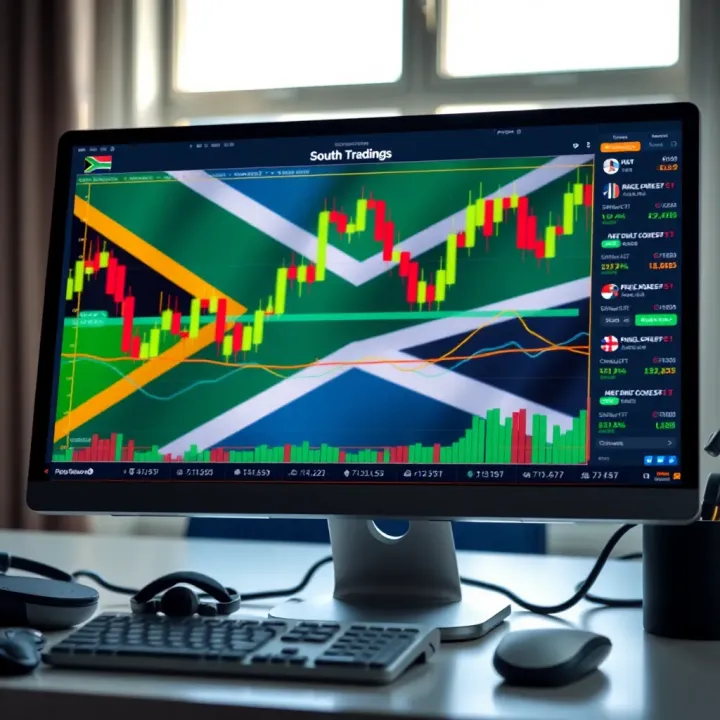
Choosing the right course matters. A good programme should balance clear explanations of forex fundamentals with hands-on practice in realistic settings.
Here are some factors to consider before signing up:
Regulation and credibility: Look for courses offered by providers regulated by recognised bodies such as the Financial Sector Conduct Authority (FSCA) or international equivalents. This helps safeguard your investment and ensures the content meets industry standards.
Content depth: Courses range from introductory lessons on currency pairs and leverage, to advanced modules on technical analysis and risk management. Pick one that matches your current knowledge and goals.
Practical components: Simulated trading environments and case studies allow you to put theory into practice without risking real money. This exposure to real-world scenarios boosts confidence and sharpen skills.
Support and community: Access to trainers for feedback, plus a network of fellow learners, can make a big difference when tackling complex topics.
Cost and flexibility: Compare fees and assess whether the course fits your schedule. Many reputable online courses offer self-paced options.
With these points in mind, you’re better equipped to navigate the online forex training landscape in South Africa. The next sections will break down course types, content highlights, and how to apply what you learn in actual trading situations.
Understanding what online forex trading courses offer is a solid first step for anyone aiming to trade currencies with confidence. These courses provide structured knowledge that’s often missing when you simply try to learn by trial and error on trading platforms. For South Africans, who face unique challenges like Rand volatility and local regulations, tailored online courses can bridge that gap effectively.
Most forex courses dive into the fundamentals: currency pairs, forex market operations, technical and fundamental analysis, risk management, and trading psychology. For example, a good course will explain how the moving average crossover strategy works or why interest rate decisions by the South African Reserve Bank influence the Rand’s strength or weakness. This foundation is crucial before you start trading with real money.
Beyond theory, these courses aim to sharpen your decision-making and analytical skills. They provide practical exercises on reading charts, using technical indicators like RSI (Relative Strength Index), and crafting trade plans. It’s one thing to know the concepts; it’s another to apply them under market pressure — courses often simulate real trading conditions through exercises.
Most courses introduce learners to popular trading platforms such as MetaTrader 4 or 5, widely used in South Africa, or cTrader. This includes navigating the interface, placing orders, setting stop-losses and take-profits, and understanding different order types. Knowing the ins and outs of these platforms reduces costly mistakes for beginners.
Beginners find these courses invaluable to build a strong foundation without losing money on guesswork. Meanwhile, experienced traders use advanced courses to fine-tune techniques, explore new strategies, or get familiar with updated platforms. For instance, a trader who’s been using MT4 might take a course on algorithmic trading or advanced charting techniques.
It helps to enter with clear goals. Are you after a side income or looking to become a full-time trader? Some courses are designed for casual traders with limited time, while others demand deeper commitment for professional growth. Managing expectations means understanding that trading isn’t a quick road to riches but requires steady learning and discipline.
Courses vary in length and intensity — some are quick overviews you can finish in a weekend; others span several weeks with daily assignments. South Africans juggling work and family might prefer self-paced courses allowing flexibility, whereas those ready to invest serious time could opt for live tutoring with scheduled classes. Picking a course aligned with your schedule and availability improves chances of actually completing it.
Taking an online forex trading course isn’t just about theory; it’s about building skills and confidence to navigate the live market responsibly and effectively.
Choosing the right forex trading course online depends on your learning style, budget, and goals. Understanding the main types available helps South African traders avoid wasting time and cash on options that don’t suit their needs.
Free forex courses often appear on platforms like YouTube, blogs, or broker websites. Their biggest draw is obviously no cost, which is handy if you’re just starting or testing the waters. They cover basics such as reading charts, understanding pips, and simple strategies. However, free courses can be limited in scope and depth, sometimes offering outdated or incomplete information. For example, a YouTube series might skip over risk management or complex order types, leaving gaps in your knowledge.

Paid programmes, on the other hand, tend to offer structured content with clear progression—from beginner concepts to advanced techniques. They often include interactive elements such as quizzes, downloadable materials, and access to mentor support. Brands like Forex School Online or Investopedia’s premium courses provide this kind of depth. Paying for a course can also mean access to up-to-date strategies tailored to current market conditions, which is quite useful considering how volatile the Rand can get.
Self-paced courses give you the flexibility to learn at your own rhythm, which suits people juggling full-time work or other commitments. You can pause, rewind or skip sections as you please. This approach also allows you to revisit challenging topics without pressure. For instance, platforms like Udemy offer self-paced forex courses that fit well for South Africans balancing work and study.
Live tutoring courses provide real-time interaction with instructors, creating opportunities for immediate questions and personalised guidance. This setup benefits learners who thrive on engagement and structured schedules. During sessions, you might discuss local market impacts or broker specifics relevant to South African regulations and trading nuisances. Additionally, live group classes can foster community learning, where you can hear from others facing similar challenges.
When picking between free or paid, self-paced or live, consider your current level, time, and the depth of knowledge you aim to achieve. Mixing self-study with occasional live sessions might work well for many.
By knowing these differences, South African traders can better navigate online forex courses, sharpening their skills efficiently and safely in a market known for its complexity and sudden moves.
Choosing a forex trading course that fits your needs is key to avoiding wasted time and money. Not every course suits every learner, especially in South Africa where market conditions and local broker options differ from global norms. It’s not just about the content but how it's delivered and whether the course prepares you for real-world trading.
Look beyond the surface topics when evaluating a course. A good forex course should cover a broad range of subjects — from basic concepts like currency pairs and pips to advanced strategies, risk management, and trading psychology. It should include current market dynamics relevant to South African traders, such as Rand volatility and its impact. Too shallow a course leaves gaps; too dense without proper pacing can overwhelm.
Theory is worthless without practice. Courses that offer hands-on exercises allow you to apply strategies and see how they play out in different market conditions. Case studies grounded in real events, like the 2015 Rand crash or recent geopolitical developments impacting the forex market, help deepen understanding. Practical workforces better than pages of text, especially when it comes to spotting entry and exit points in volatile markets.
Check who’s behind the course. Look for trainers with verifiable experience in forex trading, preferably with a background in South African markets or similar emerging economies. A course led by a seasoned trader who has weathered actual market ups and downs tends to offer insights textbooks can’t provide. Beware of courses taught solely by marketers or with vague instructor profiles.
It pays to track down reviews from people who completed the course. Look for success stories as well as honest criticism. Consistent praise about clear explanations, helpful support, or effective techniques indicates trustworthiness. If many students claim the course didn't deliver or was difficult to understand, be cautious. Forums and community groups can be useful for independent feedback.
Factor in both the price you pay initially and what support you get afterwards. Some affordable courses charge a one-time fee but offer limited post-course guidance. Others come with monthly subscriptions or membership for ongoing webinars and updated material. For beginners, having a mentor or community can be worth the extra cost, especially if it reduces costly mistakes in live trading.
Look carefully at the provider’s refund policy. Courses that offer a money-back guarantee for a limited period show confidence in their quality. This lets you test-drive the course risk-free but watch out for loopholes like requiring full completion or contacting support within an unrealistic timeframe. A fair refund policy gives you security when investing in your trading education.
Remember, the best forex course for you balances solid, relevant content with experienced trainers and fair pricing. Keep your goals, budget, and schedule in mind while checking these factors before you commit.
South African traders gain a real edge when they tailor their forex education to local market conditions and take full advantage of practical learning tools. Online forex courses provide the basics, but applying that knowledge to the rand’s unique behaviour and regulatory environment is key. This section breaks down how to get the most from your online forex training by focusing on the South African context and hands-on practice.
Impact of Rand volatility: The rand (ZAR) is known for its swings, often reacting sharply to local political events, global commodity prices, and shifts in emerging market sentiment. For traders, this means price movements can be sharper or more unpredictable than in some other currencies. Courses that highlight how macroeconomic factors affect the rand help learners interpret market signals better. For example, when gold prices jump, the rand often strengthens due to South Africa’s mining economy. Understanding these nuances can help you avoid common traps and make smarter trades.
Considering local brokers and regulations: South African traders should pick courses that discuss the Financial Sector Conduct Authority (FSCA) – the body regulating broking firms here. Knowing how to verify if a broker is FSCA-licensed protects you from scams and ensures your money is safer. Also, some courses explain local tax rules on forex profits, helping traders keep things above board with SARS. Courses involving well-known South African brokers like IG South Africa or EasyEquities make the learning more relatable and practical.
Testing skills without financial risk: Demo or practice accounts let learners experiment with trading strategies without risking real money. This is invaluable for testing concepts from courses, like stop-loss techniques or reading candlestick patterns. You can build confidence and spot errors early. For instance, you might simulate trading the USD/ZAR pair during a volatile period without losing a cent. It's like practising on the veld before setting out on a hunting trip.
Choosing reliable demo platforms: Not all demo accounts are created equal. Good platforms offer real-time data, user-friendly interfaces, and access to multiple currency pairs including ZAR crosses. When picking a demo platform, check it matches the course’s trading environment for consistency. Popular South African-friendly platforms with strong demo options include MetaTrader 4/5 and ThinkMarkets. Reliable demo accounts help you develop muscle memory for live trading, making the transition smoother and less stressful.
Using local examples and hands-on practice alongside online courses dramatically improves your chances of succeeding in South African forex trading. Education without application is like having a map but never leaving home.
Combining theory and practical experience keeps you grounded in the realities of the rand’s volatility and South Africa’s regulatory framework. This approach equips you well beyond the classroom, ready for real-world trading challenges.
Understanding regulation and safety is essential when joining an online forex trading course or selecting a broker. In South Africa, following the right rules and protecting yourself from scams can save you from serious financial headaches. Local oversight and guidelines help ensure the forex environment isn't just wild speculation but follows industry standards meant to protect traders.
The Financial Sector Conduct Authority (FSCA) is the official body regulating financial services, including forex brokers and trading platforms, in South Africa. Any broker providing forex trading services to local traders must register with the FSCA and comply with its rules. This includes maintaining minimum capital requirements, practising transparent trading, and safeguarding client funds separately from the broker’s operational capital. That means your money should not be mingled with the broker’s own cash but held in trust, reducing the risk of losing it if the broker folds.
Verifying if a broker is FSCA-registered should be one of your first steps before enrolling in any forex trading course that recommends a brokerage. The FSCA maintains an online register where you can quickly check a broker’s legitimacy. Using unregulated brokers is risky — they might vanish overnight with client deposits or offer manipulative trading conditions. For South African traders, dealing only with FSCA-approved brokers limits this risk and ensures some level of recourse if issues arise.
Unfortunately, the promise of easy money in forex lures many scammers. Warning signs include unrealistic claims like guaranteed profits, pressure to sign up quickly, or requests for large upfront payments without clear terms. Be careful if a course offers to open an account on your behalf or pushes unverified trading software or robots. These are usually red flags.
You’ll find credible forex trading courses offered by reputable platforms with transparent terms, experienced trainers, and solid user reviews. Look for courses affiliated with known South African brokers or well-established international providers who tailor their content for Mzansi traders. Community forums and websites like MyBroadband often share valuable feedback on courses and brokers — use them to vet providers before spending your rand.
Always cross-check the credentials of brokers and educators, and never rush into deals promising overnight forex success.
Choosing a well-regulated broker and a credible course protects your learning investment and builds a safer trading foundation tailored to South Africa’s unique market conditions.
In South Africa, finding the right forex trading platform and course provider can significantly impact your learning curve and trading success. With the mixed pool of local and international platforms available, understanding their offerings and support systems helps you choose services suited to the South African market and regulatory landscape.
Some established international providers like Forex.com, IG Group, and XM offer comprehensive forex trading courses accessible to South Africans. These platforms provide a broad range of educational materials, from beginner guides to advanced strategy tutorials. Since they cater to a global audience, their courses cover general concepts alongside insights into various market conditions which you can tailor to the Rand's unique moves.
On the other hand, local platforms such as ThinkMarkets, which operates with FSCA regulation, combine trading with tailored educational content suitable for South African users. ThinkMarkets not only offers courses but integrates real-market trading environment exposure, making it easier to practise what you learn. The blend of local regulation and user-centric support makes such platforms attractive for South African traders seeking both safety and relevance.
Platforms that support South African users directly often offer dedicated customer service teams fluent in local languages and familiar with issues like loadshedding affecting online access. These platforms might also accept ZAR deposits and provide payment options familiar to South African traders, such as EFT, Debit Orders, or even SnapScan. This localised support simplifies the onboarding process and builds trust, especially for beginners.
Community forums are a valuable addition to formal courses, offering a space where South African traders can exchange ideas, discuss market moves involving the rand, and share tips about local broker experiences. Forums related to platforms like MyBroadband's trading group or specialised Facebook groups can enrich your learning through real-time peer interaction and problem-solving.
Webinars and workshops, sometimes hosted by local experts or international trainers with South African experience, offer interactive and up-to-date insights into forex markets. These live events let you ask questions and adapt learning to your current challenges. For instance, webinars focusing on trading during rand volatility periods or navigating FSCA regulations provide specific, actionable knowledge.
Selecting platforms and supplementary resources tailored for South African traders improves both the quality and practicality of your forex education. It ensures you're learning within the right context and can apply lessons wisely to your real trading ventures.
Finding the right combination of platforms, courses, community, and hands-on support ultimately equips you to trade with greater confidence in Mzansi's dynamic forex environment.
📈 Start forex trading with confidence! Learn how forex works, essential strategies, risk management, and South African tips from a trusted 2022 guide 🇿🇦💰

🌍 Learn forex trading basics in South Africa 🇿🇦 with clear steps, key strategies, risk tips, and practical resources to start confidently and safely in 2021.

📚 Discover free online forex trading courses tailored for South Africans. Learn key concepts, find trusted platforms, and start trading confidently on local markets today!
🌍 Discover how to start online forex trading safely in South Africa. Learn market basics, choose brokers, handle risks & understand local economic impacts. 📊
Based on 5 reviews