
Choosing the Best Forex Trading App in South Africa
📈 Find the ideal forex trading app for South Africa! Compare features, costs, and security to match your trading needs with ease and confidence.
Edited By
Amelia Foster
Choosing the right forex trading app in South Africa boils down to a few key factors that directly impact your trading success and ease of use. With so many options out there, focusing on what really matters will save you from headaches and potentially costly mistakes.
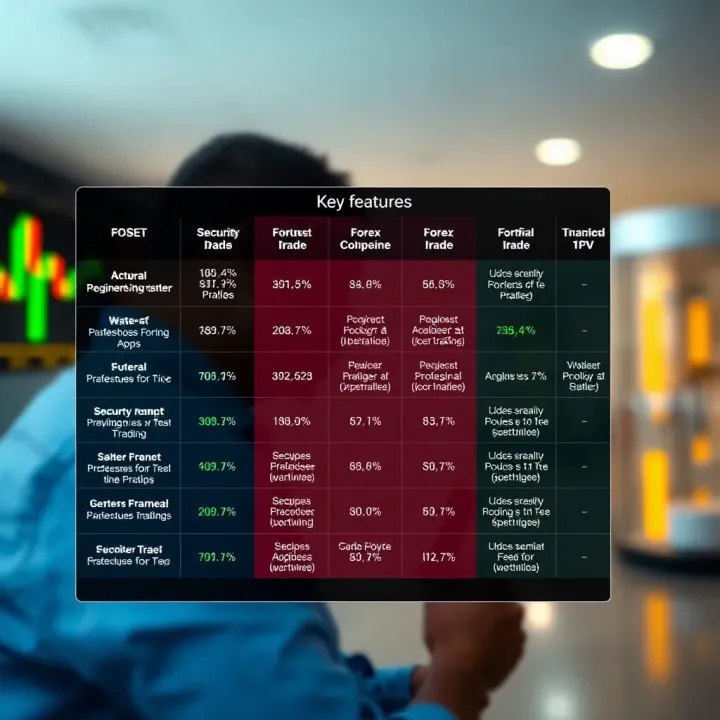
South African traders should first check that the app is regulated by the Financial Sector Conduct Authority (FSCA) or is backed by firms with solid reputations in the international market. Security features like two-factor authentication (2FA), end-to-end encryption, and secure login protocols are essential to protect your funds and data.
Whether you're a beginner or seasoned trader, the app should offer an intuitive interface without compromising functionality. Look for apps that balance simplicity with advanced tools such as charting, technical indicators, and customizable alerts. Apps like MetaTrader 4, MetaTrader 5, and cTrader have gained popularity for this balance.
Different apps have varying fee structures, including spreads, commissions, and withdrawal charges. Low-spread brokers like IG and AvaTrade often appeal to frequent traders, but always read the fine print. Some apps might appear cheap but charge hidden fees for deposits or inactivity.
South African traders should ensure their app offers the currencies they want to trade, especially the South African rand (ZAR) pairs. Platforms like Plus500 and FXTM provide a broad range of pairs, including exotic and emerging market currencies.
Reliable and accessible customer support can save you in critical moments. Apps with 24/7 live chat, local phone support, or active social media channels provide better assistance, especially when dealing with account or technical issues.
Choosing an app without research is like walking blind into busy traffic. Pay attention to regulation, fees, and usability to protect your money and enhance your trading.
Verify FSCA regulation or global equivalent
Check for robust security features like 2FA and encryption
Ensure app usability matches your skill level
Compare spreads, commissions, and withdrawal fees carefully
Look for a variety of currency pairs, including ZAR
Confirm availability of responsive customer service
Focusing on these core aspects puts you in control of your trading experience. Each factor has practical consequences—from safeguarding assets to maximizing profits and maintaining peace of mind while trading.
Choosing the right forex trading app in South Africa means focusing on core features that directly impact your trading efficiency and security. These features aren’t just checkboxes—they shape your daily trading experience and, ultimately, your success. Let’s break down the essentials.
Ease of navigation is crucial. No trader wants to fumble around the app trying to find basic functions like placing orders, checking balances, or reviewing market data. A clean layout with intuitive menus helps you react faster to market swings and reduces costly mistakes. For example, apps like MetaTrader 5 offer streamlined navigation, letting you switch between charts and trade executions within seconds.
Charting tools and technical indicators are the backbone for many traders. Access to line, bar, and candlestick charts, plus indicators like RSI or moving averages, allows you to analyze trends without switching platforms. Take the IG Trading app—its built-in indicators and drawing tools make spotting entry and exit points straightforward, which is handy when you're trading the volatile USD/ZAR pair.
Customization options let you tailor the app to fit your style. Being able to rearrange dashboards, set alerts for specific price levels, or choose your preferred chart colors makes prolonged screen time less tiring and more productive. ForexTime (FXTM) app, for instance, offers customizable watchlists and alert setups that help traders focus on their priorities.
Data protection protocols ensure your personal and financial information stays secure. Look for apps that encrypt your data both in transit and at rest—this keeps hackers at bay. South African traders should confirm the app uses SSL encryption, a common but essential standard, which companies like IG Trading provide.
Regulatory compliance in South Africa is another line of defense. The Financial Sector Conduct Authority (FSCA) governs forex brokers and apps here, helping limit the risk of scams. Confirm the app you choose works with FSCA-licensed brokers to trade confidently.
Two-factor authentication (2FA) adds another security layer beyond just a password. Enabling 2FA means that even if someone guesses your password, they can’t access your account without a second verification step, such as a text message code. This feature is standard on trustworthy platforms like MetaTrader 4 and FXTM, making unauthorized access far less likely.
Range of currency pairs matters because it impacts your flexibility. While major pairs like EUR/USD or GBP/USD are popular, local traders often watch the USD/ZAR pair closely. An app offering a wide selection, including exotic currencies, gives you more opportunities to diversify.
Availability of demo accounts is a must-have for testing strategies and getting comfortable with the app interface before risking real money. Demo accounts let you simulate trades in real-market conditions without the risk. Most leading platforms, including IG and FXTM, provide this functionality.
Leverage and margin policies impact your risk exposure. South Africa has regulatory limits, but apps vary in how they apply leverage. Knowing your app’s maximum leverage tells you how much you can borrow relative to your deposit—and helps you avoid overexposure. For example, some apps offer up to 1:30 leverage to retail clients but with clear margin call warnings.
Spreads and commissions are the main costs per trade. Spreads represent the difference between a currency pair’s buy and sell price. Lower spreads often matter most for scalpers or high-frequency traders. Commissions, if any, are additional flat fees per trade. IG, for example, offers tight spreads on major pairs but may charge commissions on certain account types.
Deposit and withdrawal fees affect how much you actually spend or get back when moving money. Some apps or brokers add fees, especially on international bank transfers or credit/debit cards. It’s wise to check these charges upfront to avoid surprises.
Hidden charges to watch for include inactivity fees, data feed costs, or conversion fees on deposits made in South African Rand. An app might seem cheap until these additional costs pile up. Check the fine print carefully, and don't hesitate to ask broker customer support for clarification.
Bottom line: Your choice should balance usability, security, available instruments, and fair pricing to fit your forex trading style and financial goals.
Choosing well means you’re less likely to get caught off guard, and more likely to trade with confidence and control.
Choosing the right forex trading app in South Africa means looking closely at the options that many locals trust. A thorough review of leading platforms gives you a clearer picture of what’s available, helping you pick one that suits your style, budget, and goals. Since trading apps differ in features, fees, usability, and security, a side-by-side look is invaluable.
MetaTrader 4 (MT4) and MetaTrader 5 (MT5) are huge names in forex trading worldwide, and South Africa is no exception. Many traders favor these platforms for their reliability and the vast amount of tools and community support available. Whether you're a beginner or pro, finding a broker that supports MT4 or MT5 is common and often a sign that you’re working with a well-established service.
MT4 is pretty straightforward, with great charting tools and automated strategy support through Expert Advisors. MT5 adds more asset classes like stocks and commodities, plus more advanced tools, but it’s a bit more complex. However, both platforms can feel dated compared to newer apps focused on mobile-first experiences. So if you need slick, modern interfaces, you might want to weigh that in.
One big plus is how many brokers support MT4 and MT5, including those regulated by South Africa's FSCA. This flexibility lets you shop around for brokers offering the best spreads, payment options, or customer service, all while sticking to familiar software. Just remember to verify your chosen broker’s credentials carefully before committing.
IG's platform is designed with forex traders in mind, packing tools like real-time charts, economic calendars, and built-in market analysis. It gives you access to more than just forex—think indices, commodities, and cryptocurrencies too. These features help traders react quickly to market changes.
Their mobile app scores high on speed and reliability, which matters when timing is everything. It’s well-rated for its clean design and smooth order execution. Traders on the move appreciate that IG keeps things straightforward without sacrificing advanced options.
IG generally ranks well in customer support, with responsive teams and multiple contact options, including chat and phone. For traders new to forex, having trustworthy support can make a big difference when questions or hiccups arise.
FXTM offers a range of account types catering to different levels—from simple micro accounts to ECN accounts for pros. This variety means you can start small and scale as your confidence grows. South African traders benefit from accounts that are tailored for local market conditions and regulatory compliance.
They shine on the education front, with webinars, video tutorials, and market insights available through their app. This is perfect if you want to boost your skills without jumping between platforms.
FXTM supports convenient deposit and withdrawal methods, including local bank transfers, credit cards, and popular e-wallets. The app helps ease the hassle often associated with funding forex accounts, ensuring your money moves fast and safely.
Choosing a forex app is not just about flashy features; understanding how these platforms perform in daily use and fit your needs will help you trade smarter and safer.
Picking the right forex trading app is all about matching the platform to your trading style, skills, and goals. No two traders are alike, so the right app for a seasoned investor might not suit a beginner just starting out. Focusing on your specific needs helps avoid unnecessary features that complicate trading or miss critical tools you rely on.
If you’re a beginner, simplicity should be your top priority. Apps like MetaTrader 4 offer straightforward interfaces and educational resources that help new traders get a grip on forex basics without feeling overwhelmed. Meanwhile, experienced traders often seek advanced charting tools and customizable interfaces to spot nuanced trends and execute precise orders quickly.
Risk tolerance plays an equally big role. Someone comfortable with volatile markets and large position sizes might favor apps offering higher leverage and tighter spreads, like the IG trading platform. On the other hand, conservative traders would benefit from platforms that encourage smaller trades and provide built-in risk management features, such as stop-loss and take-profit tools.
Using a demo account is like taking a car for a test drive before buying it. It gives you a real feel for how the app works—order placement, chart navigation, and trade execution—without risking your money. Demo accounts allow you to spot any clunky parts in the interface or slow order confirmations without suffering losses.
Also, demo trading lets you experiment with various strategies. If you want to try scalping during volatile U.S. session hours or practice swing trading over several days, a demo will show how well the app supports those tactics. For example, testing FXTM’s demo platform could reveal if their order types and charting tools fit your preferred style.
Good customer support is a lifesaver, especially when technical snags or account issues pop up. You want platforms available via chat, email, or phone that respond promptly during South African business hours, minimizing downtime for your trades.
Beyond support, educational content plays a big part in your growth as a trader. Apps that provide webinars, tutorials, and market analysis can boost your skills significantly. ForexTime (FXTM) excels here by offering a wealth of resources right in its app, helping traders learn without jumping to outside sites.
The bottom line is, the right forex trading app fits your goals and style, works smoothly without surprises, and offers solid support to keep you on track. Testing and evaluating are your best bets before committing real funds.
When trading forex in South Africa, understanding the regulatory environment isn’t just a nice-to-have; it’s a must. The framework in place helps protect traders from shady practices and ensures that brokers operate with transparency. Without solid regulation, you risk falling victim to scams or losing your hard-earned money over unethical conduct. This is why knowing who regulates forex brokers and how they safeguard your interests can make a huge difference.
The FSCA is the watchdog overseeing financial markets, including forex brokers, in South Africa. Any broker operating locally or targeting South African clients should have FSCA authorization. This means they must meet strict requirements on capital adequacy, reporting, and client fund segregation. Without FSCA licensing, a broker may not have proper oversight, which increases risk for retail traders.
For example, when you trade through an FSCA-licensed broker, your funds are typically kept separate from the company’s operating money. This separation helps in protecting your cash even if the broker runs into financial trouble. It also means you're dealing with entities committed to following local rules, which adds a layer of trust to your trading experience.
Besides licensing, the FSCA enforces ongoing compliance. Brokers must submit regular reports and undergo audits. This steady supervision helps catch issues early before they impact traders, so you’re less likely to encounter unfair or manipulative practices.
The FSCA’s role extends to protecting everyday traders by mandating transparency in how brokers operate. For instance, brokers have to clearly disclose fees, risk warnings, and provide real-time market data accuracy. These rules help you make informed decisions without hidden surprises.
Moreover, the FSCA offers a dispute resolution mechanism. If you believe a broker has engaged in misconduct, you can raise complaints with the authority. This official recourse is valuable if you face unfair terms or withdrawal delays—two common friction points in forex trading.
Remember, genuine protection stems from trading with FSCA-regulated brokers, not ones making empty promises or operating offshore without oversight.
Because forex attracts many newcomers, scams often creep into the picture. Recognizing warning signs can save you from falling into traps. Common red flags include promised guaranteed returns, aggressive cold calls, and brokers who resist providing verifiable information. If a platform pressures you to deposit quickly or lacks clear terms, be suspicious.
A practical move is to verify broker credentials yourself. Check the FSCA's public register to confirm a broker’s license status instead of taking claims at face value. Many scammers pretend to be licensed by displaying fake registration numbers or certificates. A quick FSCA check can cut through this noise.
Additionally, search for reviews and reports from known trader communities and forums based in South Africa. These give real-world feedback about broker behavior beyond glossy advertisements.
In short, stay vigilant, insist on transparency, and always confirm licensing before funding any account. Your safety depends on avoiding shady setups and sticking with well-established, regulated brokers.
By keeping a clear eye on the regulatory environment and understanding the FSCA’s role along with how to spot scams, you’ll navigate South Africa’s forex trading scene more confidently and securely.
Trading forex through mobile apps can be convenient and flexible, but success depends on more than just picking the right platform. Practical tips help traders navigate the fast-moving market, reduce avoidable losses, and sharpen decision-making on the go. From managing risk to staying updated with market events, these pointers are vital to achieving consistent results on mobile devices.
Stop-loss orders are a trader’s safety net. They automatically close a trade when the currency hits a certain price, preventing bigger losses than planned. For example, if you buy EUR/USD at 1.1200, setting a stop loss at 1.1150 limits your loss to 50 pips if the market moves against you. Without this tool, losses can spiral quickly, especially on volatile currency pairs. Using stop losses on mobile apps is straightforward and essential to protect your capital, especially when you can’t monitor the market constantly.
Leverage might look tempting because it can amplify profits, but it also increases potential losses sharply. If your forex app offers 1:100 leverage, a small 1% market movement could wipe out your entire deposit. To keep risk in check, use modest leverage ratios that match your risk tolerance and experience. For instance, 1:10 or less keeps trades more manageable. Over-leveraging on mobile apps can be risky since sudden market swings happen quickly, and mobile traders might miss timely exit points.
Global forex markets react instantly to news. Many top trading apps incorporate real-time news feeds, letting you get updates without switching apps. For example, News section in MetaTrader or IG’s app provides breaking economic reports, political developments, and central bank announcements. Paying attention to these updates helps you anticipate sharp price moves or confirm trade signals, giving you an edge, especially when trading on short time frames.
Forex prices tie closely to economic indicators like U.S. Nonfarm Payrolls, South African GDP figures, and interest rate decisions. A trader tracking these indicators through app calendars and alerts knows when volatility spikes are expected. For example, if the U.S. Fed hints at a rate hike, the dollar might strengthen quickly. Knowing this upfront allows mobile traders to prepare or avoid risky positions during big announcements.
Keeping an eye on your trading record is critical. Many apps provide detailed history and analytics, helping you track wins, losses, and average returns. Suppose you notice that most losses come from certain currency pairs or times of day; you can adjust accordingly. Regular review uncovers patterns you might overlook and stops bad habits from eating into your account.
Markets aren’t static. What worked in a trending market could fail in range-bound conditions. Successful mobile traders adjust their strategy based on whether volatility is high or low, or if economic trends shift. For instance, you might narrow your stop losses during calm periods or focus on breakout trades during volatile sessions. Using your app to monitor these changes in real-time helps keep your trading plan agile.
Bottom line, mobile forex trading demands careful risk control, staying informed with live news, and continuously refining your strategy. These practical steps make trading more disciplined and increase your chances of long-term success.
📈 Find the ideal forex trading app for South Africa! Compare features, costs, and security to match your trading needs with ease and confidence.
Find the best forex trading app for South Africa 🇿🇦 with key safety tips, local features, and popular choices. Start trading on your mobile device confidently today 📱💹
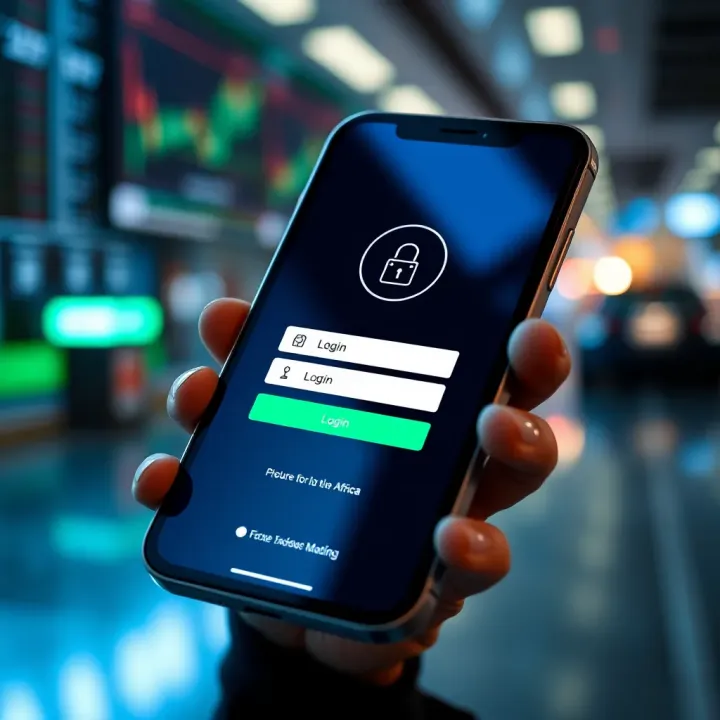
📱 Learn how to download and safely use a forex trading app in South Africa. Step-by-step tips, local regulations, and key features for smarter trading with Rands.
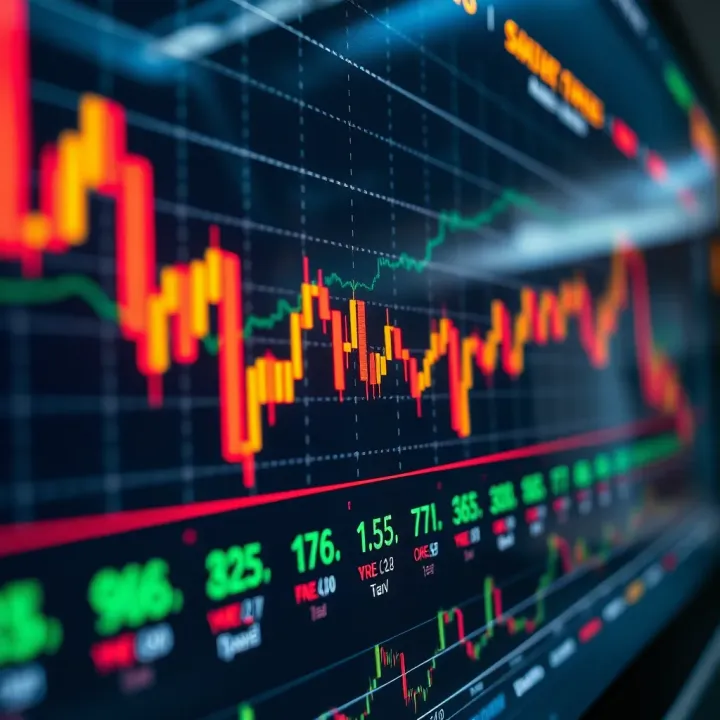
📈 Learn how to trade forex in South Africa safely and smartly. Understand currency moves, key influencers, and trading tips for local and global platforms.
Based on 14 reviews