
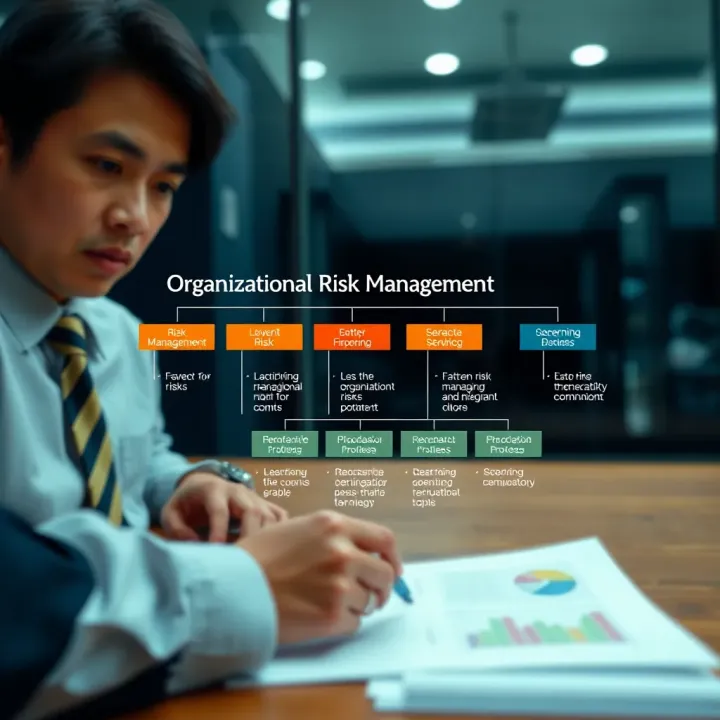
Understanding the Risk Management Process
Learn to manage risks effectively by identifying, assessing, planning, and monitoring them. Stay in control and reduce potential pitfalls with clear strategies ✅📊
Edited By
Liam Walker
Risk management might sound like a fancy corporate buzzword, but it’s really just about being prepared for things that could throw your business off course. For traders, investors, entrepreneurs, and analysts alike, understanding how to spot risks, figure out what they mean, and handle them smartly is vital. Especially here in South Africa, where the economic terrain can be as unpredictable as a spring storm.
This article aims to unravel the basics of risk management and show you practical ways to apply them to your day-to-day decisions. We'll cover what risk means in different contexts, how to size it up, and how to keep yourself from getting blindsided. From spotting market risks to handling compliance and regulatory hurdles, you’ll get a clearer picture of what’s at play.
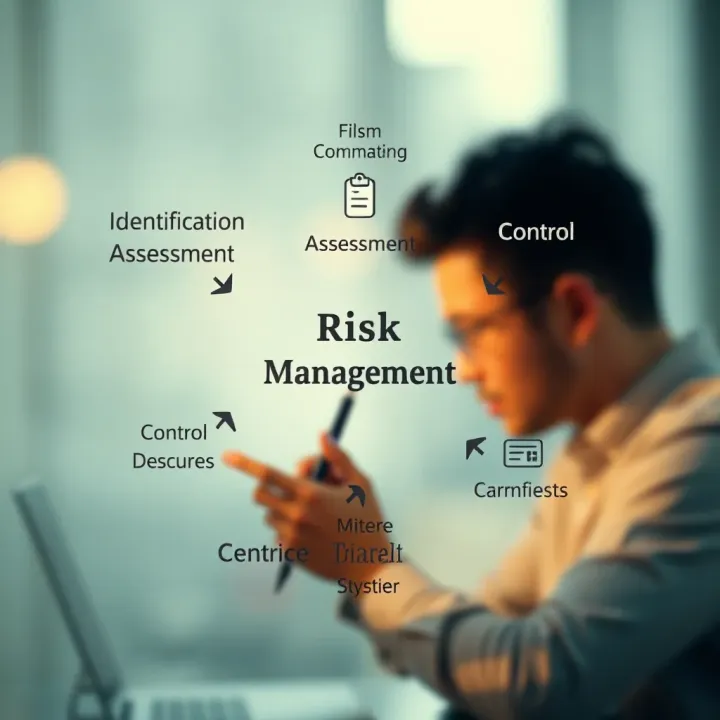
By the end, you should feel a bit more confident steering through the uncertainties that come with running a business or managing investments. Risk isn’t something to dread; when understood right, it can be turned into an advantage. So let’s get into the nuts and bolts and see how managing risks well can protect your bottom line and help you make smarter, quicker decisions.
Understanding the basics of risk management is the first step toward protecting any business or investment. It’s not just about avoiding trouble but about making smart, informed decisions. Whether you're an investor eyeing the stock market or an entrepreneur launching a startup, grasping these fundamentals helps you anticipate challenges and plan accordingly.
Risk, at its core, is the chance that something will happen to either help or hurt your goals. Think of it like walking into a thunderstorm without an umbrella—you may get soaked, or maybe it’ll just pass quickly. In business, risk involves uncertainties that can affect revenues, operations, or reputation.
For example, for a small retailer in Johannesburg, risk might mean fluctuating currency rates affecting import costs, or electrical outages disrupting daily trade. Recognizing risks means identifying what could go wrong before it actually does.
The purpose here is to control those uncertainties in a way that reduces harm and spot opportunities. Risk management isn’t about eliminating risk (that’s impossible), but managing it smartly to support your business goals.
Goals typically include protecting assets, ensuring continuous operation, and complying with legal requirements. For instance, a financial brokerage in Cape Town might put risk controls in place to protect client data and maintain trading integrity under the regulations of the Financial Sector Conduct Authority (FSCA).
No business is too small to be shaken by unexpected setbacks. Managing risks effectively helps safeguard tangible assets like equipment and inventory, as well as intangible ones like brand reputation. Losing trust can be much costlier than losing physical goods.
Consider how a food processing company could face contamination risks. Managing these risks with proper hygiene checks and supplier audits can prevent recalls that would damage their name and bottom line.
Good risk management provides a clearer picture of potential pitfalls when making strategic moves. It’s like having a GPS that not only shows the fastest route but also warns you about road closures and accidents ahead.
For traders, knowing the risks tied to certain markets or products can shape investment strategies. Entrepreneurs can decide whether to enter a market based on political or economic uncertainties flagged by a solid risk assessment.
Managing risks isn't just a defensive posture. It’s about enhancing confidence in your decisions and improving your chances to succeed.
By understanding these fundamentals, you lay the groundwork for building resilience and agility in any business environment, especially in the dynamic South African market where uncertainties are part and parcel of daily operations.
Understanding the various categories of risks within an organisation is fundamental to managing them effectively. Each type of risk impacts different parts of a business and requires tailored approaches. For traders, investors, brokers, and entrepreneurs in South Africa, recognising these categories helps in prioritising risks, allocating resources wisely, and making informed decisions.
Operational risk pops up in the day-to-day activities of a business—from production hiccups to service delivery snags and supply chain breakdowns. For instance, if a car manufacturer’s assembly line halts due to faulty machinery, the financial repercussions ripple through sales and customer trust. Similarly, a catering business might face operational risks if deliveries arrive late or food safety standards slip. These risks show how fragile the gears of daily operations can be and why businesses need strong controls and backup plans.
Financial risks cover credit risk, market risk, and liquidity risk—each with its own flavour of trouble. Credit risk hits when clients or partners fail to pay as agreed, leaving cash flow strained. Market risk, on the other hand, involves changes in market prices or interest rates that can tank investment values or raise borrowing costs. Liquidity risk is all about making sure the business can meet short-term financial demands without selling assets at a loss. For instance, a retail company heavily dependent on bank loans might stumble if interest rates rise unexpectedly.
Trying to keep up with laws, regulations, and contractual obligations is no small task, especially in South Africa’s complex regulatory environment. Failing this can lead to hefty fines, legal battles, and reputational damage. A mining company, for example, needs to strictly follow environmental laws and labour regulations to avoid penalties. These risks remind businesses to stay sharp on legal requirements, as ignorance rarely excuses non-compliance.
Strategic risks revolve around shifts in the market, competition, or customer behaviour. Imagine a tech startup betting on a product that suddenly becomes outdated due to a competitor’s breakthrough innovation. Or a fashion retailer missing the boat on changing consumer preferences towards sustainable clothing. These risks require businesses to keep their fingers on the pulse and adapt strategies swiftly.
Environmental and social risks are growing in importance, especially with increasing awareness around climate change and corporate responsibility. An agricultural firm might face drought risks impacting crop yields, while social expectations might pressure a company to support community projects or improve labour practices. Ignoring these factors doesn’t just risk the environment or society—it can also backfire on the business itself through boycotts or stricter regulations.
By breaking down risks into these clear categories, organisations can tackle issues more effectively and avoid being caught off guard. Each category demands attention, so businesses should develop specific strategies for identifying, assessing, and managing the risks they face.
This structured approach ensures risk management is practical and grounded in the realities South African businesses face every day.
Identifying risks early on is like spotting potholes on a road before driving over them. It prevents sudden jolts that could disrupt your business. Risk Identification Techniques help you uncover threats that might not be obvious at first glance but have the potential to derail your plans if left unchecked. Think of this step as the foundation of your entire risk management process; without it, you're essentially guessing what challenges you might face.
Spotting risks is especially important for traders, investors, brokers, and entrepreneurs who operate in fast-moving environments. Missing a hidden risk—like a supplier’s financial woes or upcoming regulations—can turn a promising venture into a costly mistake. By applying structured techniques to identify risks, businesses can dodge surprises and make smarter decisions.
Data collection methods such as interviews, surveys, and document reviews are the bread and butter of risk identification. These methods gather firsthand information straight from the people who know the daily ins and outs of operations. For example, interviewing a supply chain manager might reveal potential delays from a specific supplier, while surveying staff can uncover overlooked operational hiccups.
Document reviews are equally crucial. Go through contracts, past incident reports, and compliance records to spot obligations or risks slipping under the radar. In South Africa, understanding local regulatory requirements—such as those from SARS or the Financial Sector Conduct Authority—means digging into official documents to catch hidden compliance risks.
By combining these data sources, businesses gather a fuller picture of where things might go awry. This approach is not guesswork but a deliberate method to capture real-world concerns backed up by evidence.
Practical tools like checklists, flowcharts, and brainstorming sessions sharpen the risk identification process by making it more organised and comprehensive.
Checklists serve as simple guides to ensure no common risks are missed. For example, a checklist for financial risk might include points like credit risk, foreign exchange exposure, and liquidity concerns. Entrepreneurs can use these lists to tick off potential problem areas quickly.
Flowcharts visually map out processes to spot where failures may happen. Let's say in a manufacturing setup, a flowchart of the production line could highlight critical control points where delays or defects might crop up.
Brainstorming sessions invite diverse team members to pool their insights. In these meetings, no idea is too far-fetched, and someone might raise a strategic risk others hadn’t considered—perhaps a new competitor entering the local market or shifts in consumer behaviour due to economic changes.
These tools keep the identification phase structured without losing flexibility. They encourage teams to think broadly and systematically, turning vague worries into clearly defined risks to tackle.
Effective risk identification is half the battle won. It ensures your team isn’t flying blind and sets the stage for solid analysis and management down the line.
Assessing and analysing risks form the backbone of effective risk management. Without a clear understanding of which risks could impact an organisation and to what extent, efforts to manage those risks can be aimless and costly. For traders, investors, brokers, and entrepreneurs, this step helps separate minor annoyances from serious threats that can disrupt business goals or drain resources.
The importance of this section lies in turning vague concerns into measurable factors. By assessing risks, you clarify their likelihood and potential impact, which informs where to allocate time, money, and expertise. For example, a Johannesburg-based logistics firm might assess the risk of vehicle breakdowns causing delivery delays. Analysing this risk involves estimating how often such breakdowns happen and what financial losses result from late deliveries, thus guiding decisions on fleet upgrades or maintenance schedules.
Moving beyond simple identification, thoughtful analysis reveals not only if a risk is present but how it behaves under different conditions. This depth is vital for tailoring specific and effective mitigation strategies rather than spreading resources too thinly.
Qualitative analysis revolves around risk ranking and impact assessment, tools that are approachable and practical, especially when dealing with uncertainties that can't easily be put into numbers. This approach involves categorising risks based on their severity and the urgency of response required, which can be plotted in a risk matrix, for instance.
The process commonly starts by gathering insights from team discussions or expert interviews, allowing subjective but informed judgements on what could go wrong and how bad it might be. For instance, a small South African tech start-up might rank cybersecurity breaches as high-impact but low-likelihood risks based on their current systems and threat landscape.

This ranking helps prioritise which risks need immediate attention or monitoring and which ones are less pressing. It keeps teams focused on bigger threats without getting bogged down by every possible minor issue.
Quantitative assessment digs deeper by using numerical data and statistical models to estimate the probability of risks occurring and their expected impacts. This method suits risks with more predictable patterns or where historical data is available.
An investor looking at fluctuating currencies might use probability models to forecast exchange rate movements and their impact on investment returns. Tools such as Monte Carlo simulations or fault tree analysis provide ways to visualize different outcomes and their chances, helping investors make informed decisions based on data rather than guesswork.
Probability modelling adds a layer of precision that assists in pricing risk or deciding how much capital to reserve against possible losses.
Once risks are quantified, weighing the costs of mitigating those risks against the benefits is the logical next step. This doesn’t just mean tallying expenses but evaluating if the risk reduction justifies the investment.
For example, a retail chain considering installing advanced fire suppression systems would compare the upfront installation and maintenance costs with the potential savings in avoided fire damage and business interruption. This analysis helps ensure resources are spent efficiently, avoiding overinvestment in low-impact risks or underinvestment in serious threats.
Integrating both qualitative and quantitative methods delivers a balanced picture — giving a clear view on which risks deserve attention and how to address them effectively.
In summary, assessing and analysing risks isn't just about ticking boxes; it’s about making informed, strategic decisions. For South African businesses operating in a dynamic and sometimes unpredictable economy, these practices guide smarter, safer choices that can protect investments and build resilience against future uncertainties.
In the world of trading, investing, and entrepreneurship, knowing which risk to tackle first can make the difference between sinking and sailing. Risk prioritisation and decision-making help you sort out threats by how much they could impact your goals and how fast you need to act. Instead of juggling all risks equally, you figure out the ones warranting immediate attention and the ones that can wait or be monitored. This step prevents wasting resources on insignificant threats and ensures you're always ready for the big stuff.
For example, a small-scale investor might face risks like market volatility, liquidity crunch, or regulatory changes. Prioritising which risk hits hardest and when can save money and stress. Someone running a startup might put cybersecurity threats higher on the list during growth phases but shift focus to supply chain risks during expansion. Effective decision-making builds on this prioritisation, guiding whether to dodge, reduce, transfer, or just shrug off the risk based on their severity and urgency.
Before deciding how to handle a risk, it’s essential to get a clear picture of how likely the risk is to happen and what damage it would cause. These two factors — likelihood and consequences — form the backbone of any solid risk prioritisation.
Likelihood means estimating the probability of the event happening. For instance, a broker might assess the chance of a regulatory change affecting certain stocks as high during election years.
Consequences look at the fallout if the risk becomes reality, such as financial loss, operational delay, or reputational damage.
Combining these helps businesses decide if they need to brace for impact right away or keep an eye from the sidelines. A high-probability, high-impact risk demands urgent attention, like a tech startup facing imminent data breach threats. Meanwhile, a low-probability, low-impact risk, say a minor service interruption, might get deferred or accepted.
Using tools like risk matrices or even simple scorecards can clarify these judgments, making prioritisation less guesswork, more strategy. The key takeaway: don’t just look at one side of the coin; weigh both the odds and the stakes to get a balanced view.
"Failing to prioritise risks is like trying to put out all fires with one bucket — it doesn’t end well."
Once risks are prioritised by severity and urgency, the next step is figuring out how to respond. There are four main moves:
Avoid: Sometimes the best move is to steer clear altogether. If a certain investment carries a volatile, unpredictable risk that could wipe you out, avoiding that route might save you headaches.
Mitigate: If avoidance isn’t possible, try to reduce the risk. For example, setting stop-loss orders in a trading portfolio can lessen the blow from sudden market drops.
Transfer: Passing the risk on, often through insurance or outsourcing. Entrepreneurs might transfer some liability by hiring specialists rather than handling certain risky functions in-house.
Accept: At times, it’s better to accept the risk — especially if the cost to avoid or mitigate is greater than the potential loss. Small fluctuations in market prices are often accepted by seasoned investors as part of the game.
Choosing the right response requires weighing practicality, cost, and your risk appetite. For instance, a broker might accept minor regulatory changes but mitigate market risk through diversification. Similarly, a South African business might transfer political risk by using export credit insurance.
In essence, risk responses should align with your overall business strategy and financial goals. It’s a balancing act — be nimble, but don’t throw caution to the wind.
By understanding how to prioritise risks and pick the best response, traders, investors, brokers, and entrepreneurs can safeguard their assets and keep pushing forward confidently, even when the waters get choppy.
Developing risk mitigation strategies is a critical phase in effective risk management, where the focus shifts from mere identification and assessment of risks to actively reducing their impact or likelihood. For traders, investors, brokers, and entrepreneurs in South Africa’s complex business environment, having solid strategies in place means the difference between weathering a storm and being blindsided by it. These strategies help organisations not only protect their assets but also ensure operational continuity under pressure.
A well-crafted risk mitigation plan considers both the immediate threats and the potential ripple effects. For example, in a mining operation, risk mitigation might involve machinery upgrades to reduce failures and stricter health and safety controls to avoid accidents, both of which prevent costly downtime and legal issues.
Risk reduction involves practical steps aimed at lowering the chance a risk will happen or minimizing the damage if it does. One of the most effective ways to do this is through process improvements and controls implementation.
When businesses tighten up workflows, streamline procedures, and introduce stronger checks and balances, risks get choked off early. Consider a local financial services firm that updates its client intake procedures to include enhanced identity verification—this simple control reduces the risk of fraud and regulatory penalties significantly.
Process improvements might include automating parts of supply chain management to reduce human error or introducing regular safety drills within a construction company. The idea is to embed risk controls directly into day-to-day operations, making risk management part of the company’s DNA rather than an afterthought.
No matter how tight your controls, some risks will still find their way through. That’s why contingency planning and preparedness are essential. This means getting ready for unexpected events so that when trouble hits, the business can respond quickly and limit damage.
A strong contingency plan for a South African tech startup might include backups of critical data, emergency communication protocols, and trained personnel ready to take over key roles if someone falls ill or leaves suddenly. This readiness isn't just about responding—it’s about bouncing back with as little disruption as possible.
Preparedness also calls for clear roles, well-established emergency procedures, and regular rehearsal of these plans. For instance, a retailer vulnerable to civil unrest might work with local security experts to develop evacuation or lockdown protocols.
Remember, effective mitigation is not just about dodging the bullet. It’s about having a plan that keeps your business upright when the unexpected happens, protecting what you’ve built and ensuring you can keep trading or operating.
Together, risk reduction and contingency planning form a sturdy shield. Both demand attention to detail and foresight but reward businesses with resilience and confidence in managing the uncertainties inherent in any market.
Risk monitoring and review form the backbone of any effective risk management system. Without keeping an eye on risks and constantly re-evaluating them, businesses might be flying blind, especially in fast-changing environments like South Africa's financial markets or manufacturing sectors. This ongoing vigilance ensures that the risk controls put in place don’t just gather dust but actually perform as intended. It’s about catching those early warning signs that something might be slipping through the cracks before it morphs into a full-blown problem.
By regularly reviewing risks, organisations can spot shifts in the risk profile triggered by new external factors—like regulatory changes from bodies such as the South African Reserve Bank or sudden political unrest—or internal developments such as new product launches or staff turnover. The benefits are practical; it reduces surprises, cuts losses, and fine-tunes the decision-making process. The goal is to maintain a live pulse on risks and adapt promptly, rather than reacting after damage is done.
Continuous risk tracking means consistently monitoring risks and the effectiveness of the controls designed to manage them. This isn’t a once-off checklist but an active process integrated into daily operations. For example, a mining company might use sensor technology to monitor equipment failures (a key operational risk), instantly alerting supervisors if risk limits are breached.
This process involves setting clear metrics and KPIs to assess risk status. Regular audits and real-time dashboards can show where controls are working or falling short. When stored data flags a control’s inefficiency, it’s time to reassess or strengthen it. Continuous tracking allows companies to catch emerging risks that were previously unknown or underestimated, and to validate whether risk responses remain adequate over time.
In essence, this step keeps businesses from assuming that risk mitigation is a "set-and-forget" deal. Instead, it’s about constantly asking, “Are we safe? Are the controls holding as expected? What has changed?”
No risk management plan is set in stone. Adapting to new information and changing conditions is essential for the plan’s relevance. Take the case of a South African financial services firm: shifts in global markets or domestic regulations can swiftly render existing risk controls outdated.
Updating plans means reviewing risk assessments regularly, especially after notable risk events or when new insights emerge. This might include incorporating lessons learned from incidents, adjusting risk appetite, or even throwing out outdated protocols. For instance, after cyberattacks on local banks, updating IT risk strategies to cover new threat vectors becomes a priority.
Practical steps include scheduled reviews, stakeholder input, and flexibility in processes. Organisations should weave this adaptive mindset into their culture, so updates are not seen as extra work but as a natural, ongoing part of managing risks effectively.
Consistent review and adaptation of risk management plans help prevent complacency and boost resilience, especially in volatile environments.
Integrating these processes ensures risk management stays dynamic and aligned with real-world conditions, protecting organisations from unexpected setbacks and enhancing confidence among investors, regulators, and other stakeholders.
Technology has become a key player in managing risks effectively across South African businesses, especially as operational landscapes get more complex. Its relevance isn’t just about fancy tools; rather, it’s about practical solutions that help spot, assess, and respond to risks faster and with greater accuracy. For traders, investors, brokers, and entrepreneurs, technology means moving beyond guesswork to data-driven decisions that actually protect assets and reputation.
Modern tech bridges gaps in risk management by turning heaps of raw data into actionable insights while automating tasks that used to drain time and resources. It makes keeping an eye on risks a continuous process, which is crucial when market conditions shift in the blink of an eye or regulatory demands change abruptly. But technology isn’t a silver bullet — it needs to be integrated thoughtfully, focusing on user needs and clear objectives.
Risk management information systems (RMIS) and dashboards are at the heart of tracking and controlling risk exposure in real time. These software platforms consolidate data from various sources — like financial records, market trends, and compliance reports — into one place. This centralized approach allows decision-makers to see the full picture without juggling multiple spreadsheets or emails.
Take a look at how large South African banks use RMIS. They run dashboards that flag unusual transaction patterns, helping them nip potential fraud or money laundering in the bud. Dashboards often feature visual representations such as heat maps and trend lines, making it intuitive to spot which risks are escalating.
The real value lies in the ability to customise alerts and reporting workflows based on the risk appetite of the business. For an entrepreneur, this means setting up low-level warnings for operational hiccups and high-level alerts for market volatility or regulatory shifts. By having a clear, real-time view, companies can act decisively, avoiding costly surprises.
Predictive analytics takes risk management to another level by not just looking at what has happened, but forecasting what could happen. Analysing historical data and current trends, predictive models help anticipate risks like credit defaults, supply chain disruptions, or sudden market downturns.
South African investment firms now use these analytics tools to evaluate the likelihood of loan defaults based on variables such as economic conditions, client histories, and regional risks. This foresight allows lenders to adjust interest rates or tighten qualification criteria ahead of time to limit losses.
Automation ties into this by triggering alerts automatically when certain risk thresholds are crossed. Imagine a system that monitors stock prices and sends instant notifications if a key asset drops below a set value, enabling brokers to respond right away. Automation also frees up human resources from repetitive tasks — like regular compliance checks or report generation — so they can focus on strategy and judgement.
In short, technology isn’t just making risk management faster but smarter by combining human insights with machine precision.
For South African businesses, especially those navigating regulatory challenges and a fluctuating economic climate, investing in these tech tools isn’t optional anymore. It's about making sure risks get flagged before they spiral out of control, ultimately safeguarding the company’s future.
Risk management in South Africa carries unique significance due to the country’s complex socio-economic and regulatory landscape. For traders, investors, and entrepreneurs, understanding this environment can be the difference between thriving and struggling. The importance here isn’t just a matter of ticking compliance boxes; it’s about navigating a terrain shaped by fluctuating economic conditions, political changes, and stringent regulatory demands.
South African businesses often face risks that aren’t as common elsewhere—such as sudden policy shifts or socio-political unrest—that can affect markets overnight. Being proactive with risk strategies tailored to local conditions helps businesses stay afloat and capitalize on opportunities without blindsiding surprises. For example, mining firms frequently adjust their risk management plans to account for labor strikes or changes in environmental regulations imposed by the Department of Mineral Resources.
One of the cornerstones of risk management in South Africa is keeping pace with regulations set by authorities like the South African Revenue Service (SARS) and the Financial Sector Conduct Authority (FSCA). These bodies enforce rules covering everything from tax compliance to financial conduct, and missing deadlines or misunderstandings can lead to hefty fines or reputational damage.
Understanding and embedding these requirements into your risk management plan means more than just paperwork. It’s about building reliable systems to ensure your business doesn’t fall foul of policies. For instance, traders must ensure transactions comply with the Financial Intelligence Centre Act (FICA) to prevent fraud and money laundering. A practical approach is setting up automated alert systems for filing deadlines or conducting regular internal audits to spot compliance gaps early.
Staying ahead of regulatory changes is not optional—it’s essential for sustainable business operations in South Africa.
South Africa’s socio-economic challenges and political climate make risk management especially tricky. High unemployment, crime rates, and uneven access to resources can all disrupt operations or affect market confidence. Political factors like policy uncertainty around land reform or shifts in government leadership also add layers of risk.
Businesses might mitigate these risks by diversifying supply chains to reduce dependency on areas prone to disruption or investing in community engagement programs that build goodwill and provide early warning of local issues. A retailer, for example, may collaborate with local security firms and community groups to safeguard physical stores and staff.
These national factors underscore why a one-size-fits-all risk management approach doesn’t cut it here. Companies operating in South Africa need customised frameworks that reflect the realities on the ground. By aligning risk strategies with these national considerations, businesses can improve resilience and adapt better to changes.
Integrating risk management into corporate governance is essential for fostering a resilient and accountable business environment, especially in South African markets where economic and political challenges often create unpredictable risks. Good governance means embedding risk management at the highest levels so that potential threats are not just tracked but actively managed in line with the organisation’s goals.
The practical advantage is straightforward: when boards take an active role in risk oversight, companies are better prepared for sudden market shifts or compliance complexities. For example, a mining company facing fluctuating commodity prices alongside tightening environmental regulations will benefit from a governance structure where risk considerations shape strategic decisions consistently. This integration helps avoid surprises that can disrupt operations or damage reputation.
One of the board's core duties is to set the organisation’s risk appetite—the level of risk it is willing to tolerate in pursuit of business objectives. Defining this appetite clearly guides management in decision-making without unnecessarily stifling innovation. For instance, a financial services firm may accept higher credit risk in emerging markets to grow revenue but set strict limits on operational risk to prevent fraud.
In addition, boards must establish robust monitoring frameworks that include regular risk reporting, key risk indicators, and escalation processes. This enables early detection of emerging issues and ensures timely action. A practical measure could be monthly dashboards showing compliance gaps or credit exposure levels, helping directors maintain a clear picture without drowning in data.
Regularly review the risk appetite statement to reflect changing conditions.
Ensure risk management policies align with overall corporate strategy.
Use external audits or risk committees to get objective assessments.
Transparent reporting of risk information to stakeholders is a hallmark of good corporate governance. This doesn't just mean compliance with regulations but involves sharing meaningful, understandable insights about risks and how they are being managed. Doing so builds trust with investors, regulators, and customers alike.
Effective communication involves:
Clear, jargon-free reports that identify major risks and management responses.
Disclosure of material incidents with explanations on corrective steps.
Regular updates through annual reports or dedicated risk briefings.
Consider a listed South African retailer facing supply chain risks due to strikes. Openly informing shareholders about disruptions, the mitigation plans, and expected impact fosters confidence and reduces speculation.
Transparency in risk reporting is not only about ticking boxes; it strengthens relationships and supports informed decision-making across the business ecosystem.
By integrating risk management into governance structures, companies don’t just protect themselves—they create a foundation for sustainable growth and trust in South Africa's competitive business landscape.
Understanding how to learn from risk events and incidents is key for any trader, investor, or business leader looking to safeguard their interests and improve future decision-making. When things go sideways—whether a trade slips, a supply chain hiccups, or market conditions suddenly shift—there’s often a wealth of insight hidden in those challenges. Rather than sweeping these under the rug, the smartest players take a good, hard look at what went wrong and why.
This process helps organisations avoid repeating mistakes, strengthens their risk systems, and makes them more resilient against future problems. In South Africa’s dynamic business environment, where economic and political factors can be unpredictable, learning from risks becomes even more crucial. Through consistent analysis and improvement, companies ensure their risk management frameworks evolve alongside changing conditions.
Post-event analysis focuses on investigating the root causes and failures behind a risk event. This is not just a tick-box exercise; it requires digging deep to understand how and why the incident occurred. For example, if a broker experienced unexpected losses during a volatile market day, the analysis would look beyond the surface – examining decision points, information flow, and operational gaps.
Key steps include collecting evidence, interviewing involved parties, and mapping out the sequence leading to the event. This uncovering of causes uncovers hidden vulnerabilities that weren’t obvious before. Importantly, this kind of analysis isn’t about pinning blame but about finding opportunities to improve. When properly done, it reveals weak spots in processes, training gaps, or even flawed assumptions.
In practice, investing in a structured post-event review can save organisations from falling into the same traps. For example, a South African mining company faced repeated equipment failures. Their investigation revealed that maintenance schedules didn’t account for the harsh local conditions, prompting a revision that significantly cut downtime.
Effective post-event analysis is the groundwork that turns setbacks into setbacks into valuable lessons.
Once the causes and failures are clear, the next step involves applying these lessons to strengthen the risk management system. This means updating procedures, reinforcing controls, and adjusting the risk appetite where needed. It also calls for enhancing training so teams can better spot and react to warning signs sooner.
For instance, a fintech startup might find during review that rapid scaling exposed them to cyber risks they hadn’t anticipated. Acting on this, they could invest in better encryption and employee cybersecurity training, reducing their vulnerability. Continuous improvement keeps risk management alive and responsive, rather than a static document.
Additionally, this step encourages a culture where learning from incidents is routine and encouraged, not feared or ignored. Sharing lessons across departments or even with stakeholders helps create a proactive stance on risk across the board.
Practical actions to improve risk practices include:
Revising risk registers and controls based on new insights
Developing or updating emergency response plans
Enhancing staff education on new or evolving risks
Implementing technology solutions to monitor risk indicators
For South African businesses dealing with local economic shifts and regulatory changes, this continuous refinement is essential. It means staying one step ahead, rather than reacting after the fact.
Learn to manage risks effectively by identifying, assessing, planning, and monitoring them. Stay in control and reduce potential pitfalls with clear strategies ✅📊
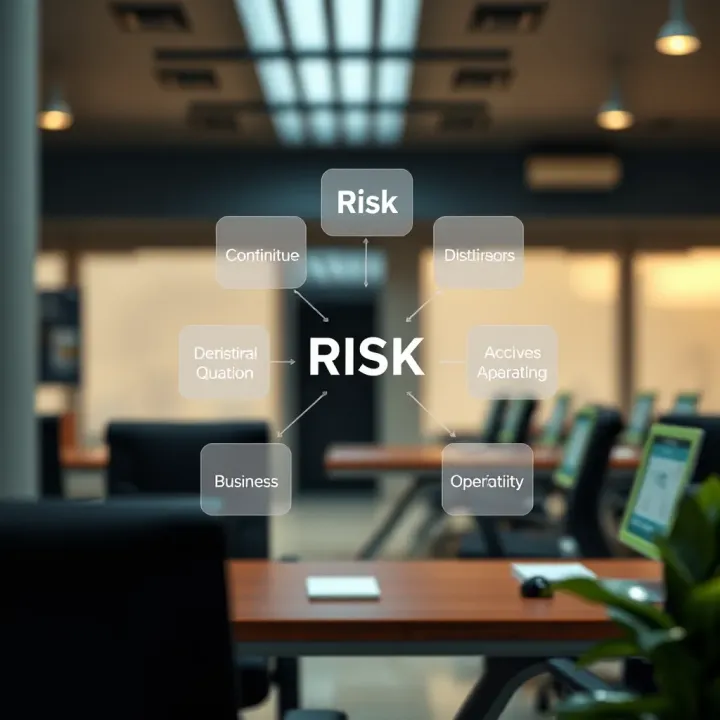
Explore how risk management helps identify, assess, control, and monitor risks for smarter decisions and smoother business operations in South Africa 🇿🇦📊
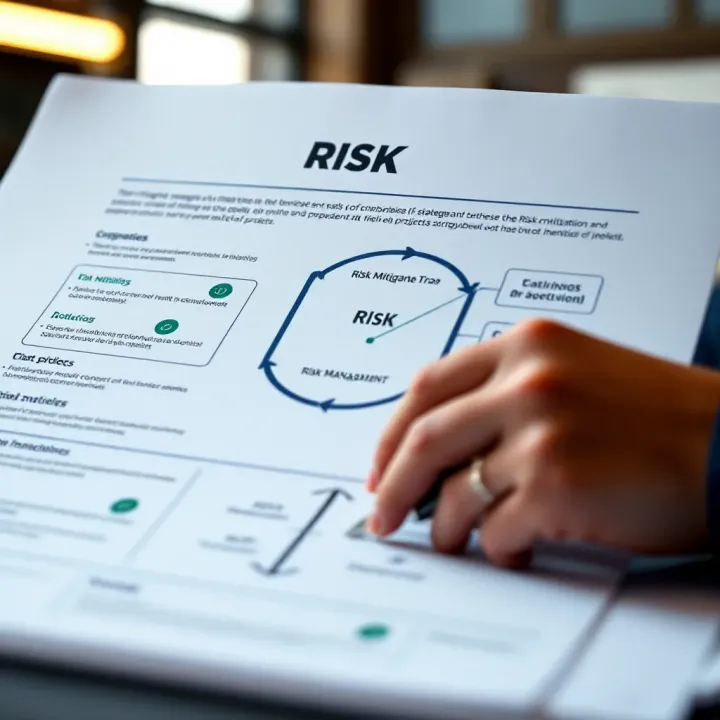
📋 Learn how to craft a solid risk management plan with key elements like risk ID, assessment, mitigation, and monitoring tailored for South African businesses.
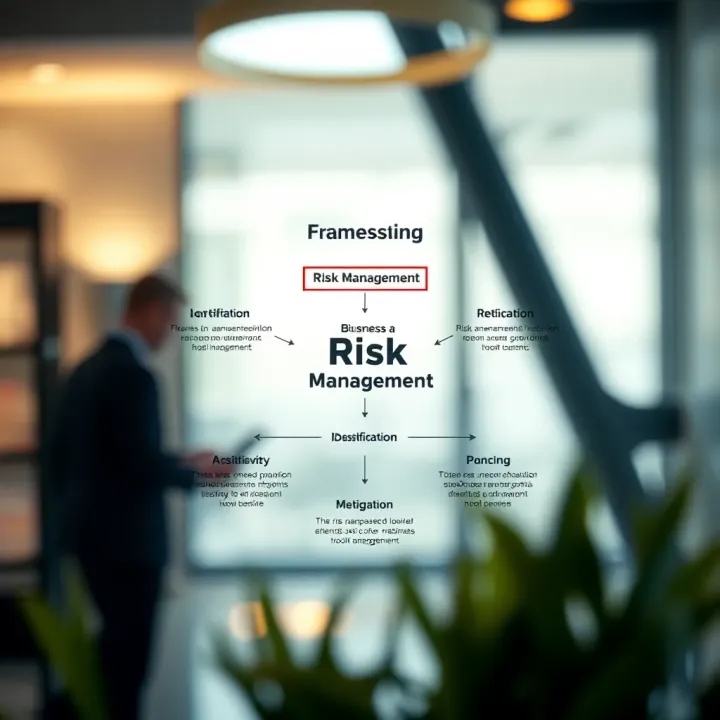
Explore why effective risk management is vital for South African businesses 🇿🇦. Learn how to navigate challenges and make smarter decisions for lasting success 📊.
Based on 14 reviews