

Understanding Forex Trading Demos: A Practical Guide
🚀 Learn how forex trading demos let you practise without risk, pick the right broker, avoid common mistakes, and prepare confidently for live trading in South Africa 🇿🇦
Edited By
James Harper
Demo accounts provide a risk-free way to get familiar with forex trading without using real money. Especially for new traders in South Africa, this setup helps build confidence and understanding before facing the ups and downs of live markets.
Forex demo accounts work by simulating real trading environments. They use virtual funds so you can place trades and experience market movements just like in actual trading. The biggest advantage is that you can experiment with different strategies without risking any of your hard-earned Rand.
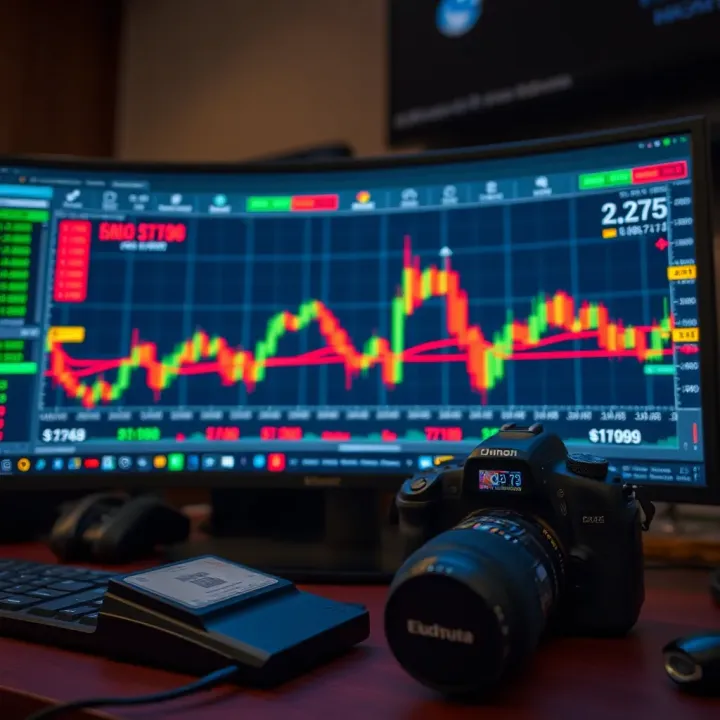
South African brokers such as IG, ThinkMarkets, and EasyEquities typically offer demo accounts. These platforms replicate their live trading conditions, so you get a realistic feel for spreads, order execution, and market data. For instance, you can test how the Rand behaves against the US dollar during local market hours.
Using a demo account is like practising to drive in an empty parking lot before hitting busy Johannesburg streets. It helps you learn the controls safely.
However, demo accounts aren't perfect stand-ins for live trading. Because you’re not risking real money, it’s easy to become relaxed and take risks you wouldn’t in a live account. Also, some brokers may temporarily adjust pricing or execution speeds to encourage real account sign-ups.
To make the most of a demo account:
Treat it seriously; set goals and limits as if it was real money.
Track your trades and review what worked or failed.
Experiment with different currency pairs popular in South Africa, like USD/ZAR or EUR/ZAR.
Use the demo phase to understand how economic news, such as SARB interest rate changes, impact forex rates.
In summary, demo accounts offer a practical foundation for traders to sharpen their skills without financial exposure. For South Africans, this is especially useful given the volatility of the Rand and local market factors like Eskom load-shedding impacting trading hours. Once comfortable, transitioning to a live account with a small fund allows for real-world experience while minimising risk.
A forex demo account is essentially a practice trading account that allows you to simulate buying and selling currencies without using real money. For someone stepping into the forex market, it’s a safe way to get familiar with how trading works, test strategies, and navigate the trading platform without risking your hard-earned cash. Think of it as driving lessons before handing over the keys to a bakkie.
These accounts come with virtual funds, so if you try your hand at trading the US Dollar against the South African Rand without success, there’s no real loss. This practicality appeals to traders everywhere but is specifically handy for South Africans who want to understand how the rand reacts within the forex market before putting R on the line.
A demo account mirrors the live forex trading environment but uses simulated money. It gives traders a playground to sharpen their skills with real-time price quotes, charts, and tools that brokers offer. Demo accounts are key in letting new traders get their feet wet, while even experienced traders use them to trial new strategies risk-free.
They also reveal the mechanics behind order placement, stop losses, and take profits, which might baffle beginners at first. For example, a trader trying to grasp how to use a trailing stop loss on the MT4 platform can practice extensively on a demo account without worrying about slipping up.
Demo accounts replicate live market prices and trading conditions as closely as possible, often including live spreads and pip values. This realism means that South African traders can experience how currency pairs like EUR/ZAR or USD/ZAR move during sessions when both JSE and international markets are open.
That said, demo accounts don't always capture the emotional stress or the exact quirks of live trading, such as slippage during volatile periods or delayed order execution. Nevertheless, they provide a strong approximation that’s invaluable for practice.
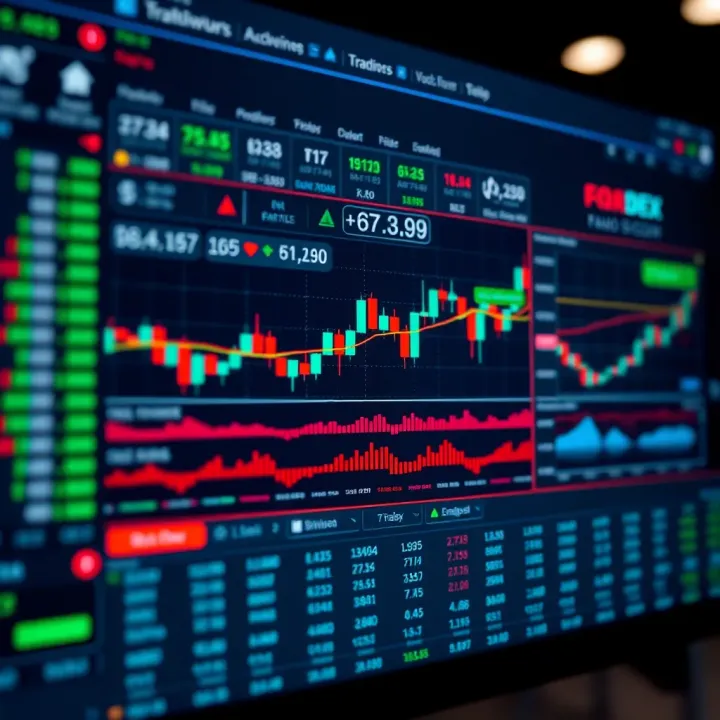
Most brokers offer standard demo accounts free of charge. These come preloaded with a fixed amount of virtual money—often ranging from R100,000 equivalent upwards—and mirror their real account platforms. This setup helps traders get acquainted with the broker’s interface and trading tools without distractions.
For instance, a South African trader using FNB’s forex platform can explore all features and place trades in a demo environment identical to the live setting.
Some brokers provide demo accounts tailored to particular trading styles or experience levels. This includes adjustable starting capital, customised leverage settings, or specific asset selections.
If you’re a serious scalper hoping to test your approach on smaller timeframe charts during Rand trading hours, customised demo accounts might let you tweak settings accordingly, offering a more targeted practice experience.
While some demo accounts remain active indefinitely, others have time limits ranging from a week to 30 days. These limits motivate users to sharpen their skills quickly, mimicking the pressure of real trading decisions.
Additionally, certain brokers attach restrictions like limited market access or fewer order types on demo accounts. Understanding these limits ensures traders don’t get caught out expecting features from demo versions that won't appear in the live environment.
Using a demo account wisely means knowing both its capabilities and its boundaries. For South African traders starting out or experimenting with strategies, it’s the best tool to gain experience without the anxiety of risking R and underperforming on live markets.
By grasping what forex demo accounts offer, traders can take confident steps toward live trading with a clear sense of what awaits them.
Demo accounts serve as a vital stepping stone for anyone interested in forex trading. They offer a risk-free environment where new and experienced traders alike can sharpen their skills without the pressure of losing real money. For South African traders facing volatile markets and the challenges of loadshedding interruptions, these accounts provide a crash course in navigating the complexities of forex trading at their own pace.
Familiarising with trading platforms is often overlooked but essential. Each forex broker provides its own platform, such as MetaTrader 4 or 5, or proprietary systems developed locally or internationally. Using a demo account lets you get comfortable with the platform’s interface, including chart tools, indicators, and placing orders. For example, you can take time to understand where to find your open trades, monitor margin levels, or set stop-loss and take-profit orders. It’s like learning to drive in an empty parking lot before hitting the busy Johannesburg roads.
Experimenting with different strategies is another big benefit. Since no real money is at risk, you can try out various tactics—from scalping small profits during volatile sessions to swing trading over days or weeks. Imagine buying USD/ZAR during higher volatility periods and see how your simulated trades respond to market news or moving averages. This hands-on practice helps you find an approach that fits your trading style without pressure.
Practising order execution is critical because speed and accuracy matter when trading forex. On a demo account, you get to learn how to quickly enter and exit trades, set different order types like market or limit orders, and manage multiple positions simultaneously. For South African traders, this also means being prepared for sudden market moves triggered by local events or economic data releases without the stress of real losses.
Understanding market dynamics goes beyond charts and numbers. Demo trading allows you to experience how forex markets react to global news, central bank announcements, or even unexpected political developments. Over time, you’ll notice patterns such as increased volatility during London or New York sessions. This helps you build intuition for when to trade or sit out and preserve capital. Having this insight before investing real Rand can make all the difference between sustainable profits and frustrating losses.
Using a demo account isn’t just about avoiding losses—it's about gaining the experience and confidence needed to trade better and smarter in actual market conditions.
In short, demo trading offers a solid foundation in both technical use of trading platforms and the subtle art of reading forex markets. South African traders benefit by practising without risking their hard-earned cash, especially given the additional challenges of local market conditions and infrastructure hiccups.
Forex demo accounts offer a valuable way to practise trading without risking real money, but they come with some notable limitations. It’s essential to understand these drawbacks to avoid pitfalls when transitioning to live trading or forming an inaccurate view of the market.
Lack of emotional pressure
Demo accounts remove the stress and anxiety that come with real money at stake. When trading with virtual cash, you might find yourself taking risks or testing strategies you wouldn’t normally try. In real trading, the emotional impact of losing actual funds can lead to hesitation or rash decisions — something that demo conditions just can’t replicate.
This absence of emotional drive means traders may not develop the discipline needed to stick to a plan when the market moves against them. For example, a trader might double position sizes during demo trading just to see what happens, but in live markets, fear and greed have a very real influence on such decisions.
Potential discrepancy in execution speed
Execution speed on demo accounts tends to differ from live accounts, mostly because brokers often give demo traders a more forgiving environment. Real trades might face delays due to market volatility, liquidity constraints, or network issues. Demo platforms often execute orders instantly or near-instantly, which creates a misleading expectation around trade entries and exits.
A South African trader using a demo account in Gauteng might experience quicker order fills during quiet market hours but face slower or partial fills during volatile times like major economic announcements when trading live. Being caught off-guard by these differences can affect profit and loss outcomes unexpectedly.
Spread and slippage realism
Spreads—the difference between buy and sell prices—are often narrower and simplified in demo accounts. Plus, slippage where the price moves before your order executes might be missing or downplayed. This makes the conditions more forgiving than in actual trading.
Live spreads widen during periods of low liquidity, or due to sudden market moves. For example, traders in South Africa could notice wider spreads when the New York or London markets close. Slippage can take a chunk out of profits or worsen losses unexpectedly. Demo accounts rarely simulate this, so users may underestimate transaction costs.
Risk of unrealistic expectations
When traders rack up wins on a demo account, it’s easy to get overconfident. These results might not consider emotional pressures, execution delays, or real transaction costs. The risk here is walking into live markets expecting the same smooth sailing and getting a shock instead.
For example, a beginner trader practising on a demo with ideal spreads and no slippage may feel ready to trade with R10,000 live. But when the market dips and spreads widen, they may panic and abandon strategy too soon. This gap between expectation and reality can lead to early losses.
Ignoring money management discipline
Without real money on the line, many demo users neglect risk controls such as stop losses and position sizing. This overconfidence can breed bad habits. In live trading, ignoring money management quickly eats into capital and leads to unsustainable trading.
A local trader might increase lot sizes or ignore stop-loss limits in demo mode to chase bigger gains, only to find out the hard way on a live account that these behaviours result in significant losses. Developing strict money management practices is key to surviving and thriving in the real forex market.
Demo accounts are a great starting point but don’t fool yourself—they don’t fully simulate the nuances of live trading. Understanding their limitations will help you make the shift with your eyes wide open.
Using a forex demo account effectively takes more than just clicking through trades. It requires setting up conditions that mirror real trading environments as closely as possible and preparing yourself mentally for the shift to live trading. These practical tips help you avoid the common pitfall of demo trading under unrealistic settings—which can lead to overconfidence or underestimating risks when real money is on the line.
Using realistic lot sizes and leverage is vital for gaining a true sense of your risk exposure. For example, if you eventually plan to trade with micro lots (1,000 units of currency) and leverage of 1:100, practising with standard lots (100,000 units) and 1:500 leverage can give a false impression of your potential losses and gains. Such discrepancies may make a strategy appear more profitable or less risky than it actually is. When you stick to the lot sizes and leverage that match your planned live trades, you get practical experience managing your margin and risk.
Trading during active market hours also matters greatly. Forex market activity fluctuates, with pairs like EUR/USD or GBP/USD moving more during the London and New York sessions. Testing your strategies or practising entries when the market is quiet—say, during off-peak hours—might give skewed results due to lower volatility and spreads. By trading in hours when liquidity and volatility match your intended live trading times, you gain insight into realistic spread costs, order execution times, and market behaviour.
Gradually increasing real funds is a sane approach to shifting from demo to live. Instead of going all-in with a sizeable amount, start with a small portion of your intended capital. For instance, if you plan to trade with R50,000, open your live account with R5,000 to feel the nerves and discipline that come with real money. This stepwise approach lets you acclimatise to live conditions without risking too much upfront.
Acknowledging emotional factors is crucial, as demo accounts remove the sting of actual loss. Real money heightens emotions like fear and greed, which can cloud judgement. Accepting that emotions will influence decisions encourages traders to develop coping strategies such as setting stop-loss orders, sticking strictly to money management rules, or taking breaks after big wins or losses. Practising mindfulness about these emotional aspects is part of preparing properly for the live forex world.
The bottom line: Treat your demo account like a real trading environment. By running trades in realistic market conditions, using suitable lot sizes, and preparing emotionally, you build a stronger foundation for successful live trading.
🚀 Learn how forex trading demos let you practise without risk, pick the right broker, avoid common mistakes, and prepare confidently for live trading in South Africa 🇿🇦

📉 Learn how forex trading operates and why it matters, including key players, common strategies, and risks — all explained plainly for South African newcomers 🌍
📈 Learn how to spot and use forex trading patterns to predict market moves. This guide offers practical tips, risk tools, and trusted PDFs for South African traders.

📈 Learn how to trade forex in South Africa safely and smartly. Understand currency moves, key influencers, and trading tips for local and global platforms.
Based on 8 reviews