
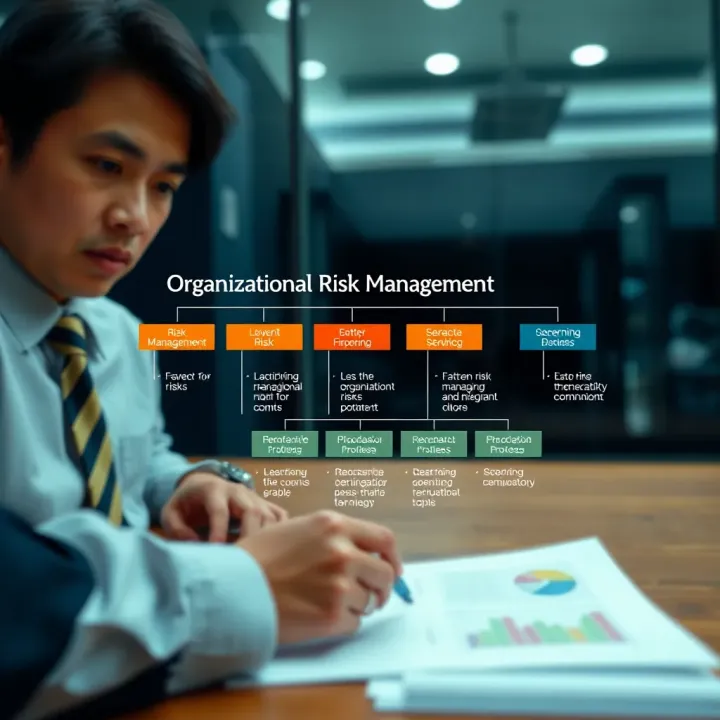
Understanding the Risk Management Process
Learn to manage risks effectively by identifying, assessing, planning, and monitoring them. Stay in control and reduce potential pitfalls with clear strategies ✅📊
Edited By
Thomas Knight
Risk management is about identifying, assessing, and controlling threats that could disrupt businesses, investments, or broader economic systems. In South Africa's dynamic market environment, ranging from volatility in commodities to regulatory shifts, this discipline offers practical tools to navigate uncertainty.
Pursuing a degree in risk management equips you with knowledge to anticipate risks in sectors like finance, insurance, and manufacturing. It’s not just theory; you’ll study real-world case studies reflecting South African conditions such as the impact of loadshedding on supply chains or currency fluctuations affecting importers.
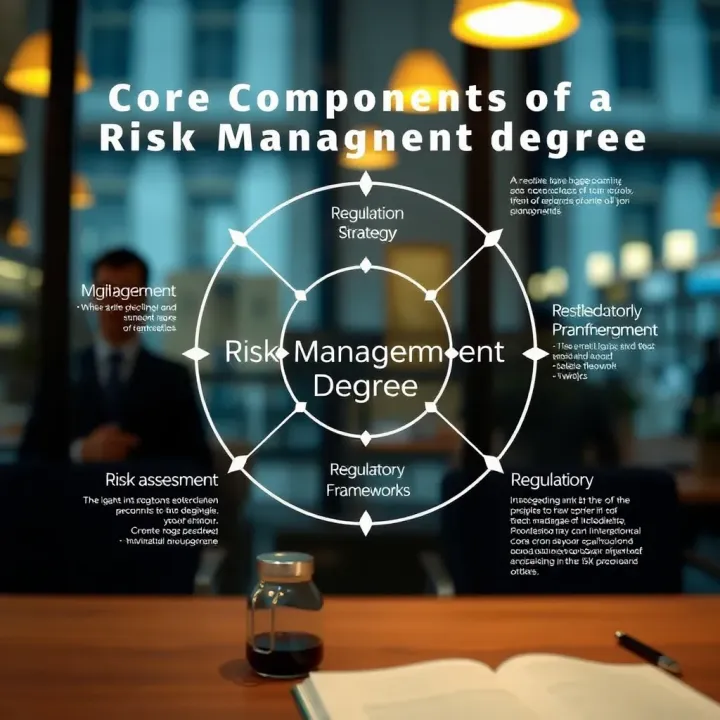
The programmes usually blend finance, law, economics, and statistics. For example, you might learn about Enterprise Risk Management (ERM) frameworks alongside local legislation like the Financial Sector Regulation Act and how these influence compliance requirements.
Understanding risk management also means developing analytical skills to quantify exposure and design mitigation strategies—skills prized by banks, audit firms, and corporate enterprises.
Risk management doesn’t just protect a company; it gives a competitive edge by allowing smarter, risk-aware decision-making.
Whether you’re an investor watching exchange rate shifts or a broker assessing insurance exposures, a solid grounding in risk principles is valuable. It's no surprise major universities and technical colleges offer specialised qualifications, often aligned with professional bodies like the Institute of Risk Management South Africa (IRMSA).
South Africa’s unique landscape, including its mixed economy and evolving policy environment, ensures the risk management field remains relevant locally and internationally. Graduates find roles in risk analysis, compliance, credit control, and even emerging areas like cyber risk.
In short, a degree in risk management teaches more than managing threats—it’s about understanding opportunities and turning uncertainty into informed action. This specialised skill set meets the needs of sectors essential to South Africa’s growth, making it a smart choice for those wanting to work in high-stakes environments.
A degree in risk management serves as the foundation for understanding how businesses identify, assess, and respond to various risks. These risks can affect financial stability, operational efficiency, and long-term strategic goals. With South Africa’s fluctuating economy and regulatory landscape, grasping the core elements of risk management helps professionals mitigate uncertainty and make informed decisions.
Risk assessment and analysis techniques equip students with methods to systematically identify potential hazards and evaluate their impact. For example, learning about quantitative risk models allows graduates to estimate probable losses from currency fluctuations, which is particularly relevant in sectors exposed to rand volatility. Practical application includes conducting scenario analyses for businesses to prepare contingency plans.
Financial risk and insurance principles cover topics such as credit risk, market risk, and how insurance mechanisms transfer risk exposure. Understanding these principles is critical for those working in banking or insurance to price products correctly and manage portfolios effectively. For instance, assessing the risk of default on a loan portfolio relies heavily on solid financial risk knowledge.
Operational and strategic risk management focuses on internal processes and long-term positioning. Students explore how organisations can reduce risks related to supply chain disruptions or reputational damage. In practice, this means developing strategies to cope with disruptions like loadshedding or shifts in consumer demand, ensuring continuity.
Legal and regulatory frameworks in South Africa introduce the local laws that influence risk management practices. These include the Financial Sector Conduct Authority’s (FSCA) regulations, the Protection of Personal Information Act (POPIA), and aspects of the Companies Act. Familiarity with these rules ensures risk managers comply with legal standards, avoiding penalties and safeguarding stakeholder trust.
Data analysis and decision-making teach students to turn raw data into actionable insights. Using statistical techniques, they can identify trends such as increasing default rates or fraud patterns. This skill is crucial when banks or investment firms must decide whether to extend credit or adjust risk limits.
Use of risk management software tools involves hands-on experience with platforms like Palisade’s @RISK or SAS Risk Management. Competence in these tools speeds up complex calculations and scenario testing, allowing professionals to offer timely advice that responds to rapid market changes.
Communication and reporting skills ensure risk professionals articulate findings clearly to stakeholders, from board members to frontline employees. Clear reporting is vital during crises, like sudden market downturns, where decisions depend on concise, reliable information.
Ethical considerations and corporate governance are embedded throughout the curriculum to highlight integrity and accountability. Given South Africa’s history of corporate scandals, this focus guides graduates to uphold transparency and ethical standards, fostering trust within organisations and the broader market.
Understanding the curriculum behind a risk management degree offers insight into how qualified professionals can protect organisations from unpredictable challenges while navigating South Africa’s unique business environment effectively.
Selecting the right institution and programme is a critical step when pursuing a degree in risk management. This choice influences not only the quality of your education but also your career prospects in South Africa's competitive market. It’s essential to look beyond just the course content and focus on accreditation, reputation, delivery modes, and the practicalities of study.
A degree recognised by the South African Qualifications Authority (SAQA) ensures the qualification meets national standards and is officially recognised for employment and further study. Without SAQA accreditation, graduates may struggle to have their qualifications accepted by employers or professional bodies, limiting career growth opportunities.
Professional body approvals, such as those from the Institute of Risk Management South Africa (IRMSA), add an extra layer of credibility. IRMSA-endorsed programmes align with industry standards and offer access to a network of professionals, workshops, and seminars. This connection is invaluable for practical insights, mentorship, and industry updates.
University reputation also plays a role, especially among recruiters. Established institutions with strong risk management faculties often have better ties with employers, internships, and bursary options. For example, the University of Johannesburg and the University of Pretoria have well-regarded risk management departments, which many employers respect.
Deciding between full-time and part-time study depends largely on your current commitments. Full-time study offers faster completion but requires dedicating most of your time to learning. Part-time options are ideal if you’re working or managing other responsibilities, though your studies will take longer.
Online and distance learning programmes provide flexibility, especially for those outside major cities or balancing work and family. Many South African universities, like Unisa, offer robust online platforms, but it’s important to consider the level of support, access to resources, and opportunities for practical engagement these programmes provide.
Most risk management degrees take three years to complete full-time, with part-time options stretching over five or more years. The workload typically includes lectures, assignments, projects, and exams, requiring good time management to balance study with daily demands.
Choosing an accredited programme with industry recognition and a delivery mode suited to your lifestyle can set the foundation for a successful career in risk management.
A degree in risk management opens doors across various sectors, each offering distinct roles that call for specific skills and expertise. For traders, investors, brokers, analysts, and entrepreneurs, understanding these career paths clarifies where their knowledge of risk can create real impact and tangible outcomes.
Financial services and banking hold a significant share of risk management roles. Here, professionals assess market volatility, credit risk, and liquidity challenges. For example, a risk manager in a retail bank might identify early warning signs of loan defaults during economic downturns, helping the bank adjust its lending strategies promptly. South Africa's fluctuating interest rates and currency values make this role especially critical.
Within insurance and assurance industries, risk graduates are essential in designing policies and assessing claims. They calculate premiums based on various risks, including natural disasters or economic shifts. For instance, insurers dealing with farm insurance must evaluate drought risks or livestock diseases, which directly affect coverage plans and pricing.
Corporate and governance roles require risk managers to embed risk awareness into company strategies. These professionals work in sectors ranging from mining to manufacturing, ensuring that operational risks, such as safety incidents or supply chain failures, are mitigated. A risk manager at a Johannesburg mining company might implement protocols to reduce exposure to equipment malfunction or regulatory fines.
Roles in government and public sector risk management focus on safeguarding public resources and policy implementation. Officials manage risks linked to service delivery, infrastructure projects, or compliance with environmental laws. For instance, a risk officer in a provincial department might identify potential budget shortfalls due to loadshedding disruptions, proposing contingencies to maintain essential services.
A risk analyst examines data to identify potential threats and opportunities for organisations. This role involves analysing market trends, financial reports, and operational processes to suggest risk-reducing actions. For example, a risk analyst in a Johannesburg hedge fund might monitor exchange rate fluctuations that affect investment portfolios.
Compliance officers ensure companies follow laws and regulations relevant to their industries. In South African banks, compliance officers play a key role in adhering to the Financial Intelligence Centre Act (FICA), helping institutions avoid heavy penalties.
Internal auditors review internal controls and processes to detect inefficiencies or fraud risks. For instance, an auditor at a manufacturing firm might assess adherence to Occupational Health and Safety standards, flagging areas that expose the company to legal actions.
At a higher level, an enterprise risk manager oversees the organisation's overall risk strategy, coordinating efforts to manage financial, operational, and reputational risks. A risk manager at a retail group may develop frameworks to respond to supply chain shocks or cyber threats, balancing risk appetite with business goals.
Careers in risk management require a sharp eye for detail and strategic thinking, especially within South Africa’s complex economic and regulatory environment. Getting to grips with these roles can set you apart in this evolving field.
Success in risk management depends on a mix of technical expertise and personal qualities. These skills ensure that professionals can assess risks accurately and make sound decisions under various conditions. The ability to interpret complex data and communicate findings clearly often separates effective risk managers from the rest.
Understanding financial statements: Risk managers regularly work with financial data, making the ability to interpret financial statements crucial. This skill helps identify areas where a company may be vulnerable, such as cash flow issues or rising debt levels. For example, spotting inconsistencies in balance sheets or income statements can alert a risk analyst to potential fraud or operational risks that require attention.
Statistical and quantitative skills: Being comfortable with numbers and statistics allows risk managers to analyse probability and impact of various scenarios. Quantitative skills support tasks such as calculating Value at Risk (VaR) or running simulations to predict losses. Without sound statistical knowledge, it’s easy to misjudge the likelihood of adverse events, leading to poor risk mitigation strategies.
Proficiency in risk management software: Modern risk management relies heavily on digital tools. Familiarity with platforms like RiskWatch, Resolver, or proprietary software that South African companies use saves time and increases accuracy. Practical use of these tools enables real-time monitoring and reporting, improving responsiveness—especially needed in sectors sensitive to rapid market changes like banking or insurance.
Attention to detail: A risk manager’s job often involves sifting through heaps of data and documents. Missing a small but critical detail—like a clause in a contract or a subtle market trend—can lead to costly oversights. For instance, ignoring a slight fluctuation in currency exchange rates could affect import-export businesses exposed to foreign currency risk.
Strong communication and interpersonal skills: Conveying complex risk information understandably is key. Risk managers must often explain findings to non-experts, such as company executives or stakeholders. Clear communication also helps in negotiating risk responses with different departments or regulators, making collaboration smoother and more effective.
Problem-solving mindset: Risks frequently emerge unexpectedly, requiring quick thinking and creative solutions. Instead of dwelling on problems, successful risk managers explore alternatives and contingency plans. For instance, during Eskom’s loadshedding, businesses with foresight devised backup power strategies, demonstrating adaptability born from good problem-solving skills.
Ability to work under pressure: Managing risks can be stressful, especially during crises where decisions need to be made swiftly. Being able to stay calm and focused despite tight deadlines or high stakes helps avoid mistakes. In the fast-paced environment of financial trading or compliance during regulatory audits, keeping a cool head is indispensable.
Skills in both technical analysis and personal interaction shape effective risk managers. Whether dissecting a financial report or negotiating risk policies, a balanced skill set ensures robust risk oversight aligned with business goals.
Before committing to a degree in risk management, it is wise to weigh several practical factors. This helps ensure the degree aligns with your career ambitions and that the investment of time and money pays off. Especially in South Africa’s shifting economic and regulatory landscape, having a clear picture of the job market and your own resources matters a lot.
Understanding job market trends is key for anyone planning a career in risk management. In South Africa, sectors like banking, insurance, and government are steadily hiring risk professionals to navigate complex regulatory demands and economic uncertainties. For example, the rise of fintech companies means risk analysts who grasp both finance and technology stand a better chance of landing roles. However, it’s important to keep an eye on emerging fields such as cyber risk, as these may shape future prospects.
Economic ups and downs strongly influence risk management roles. When the economy contracts, companies tighten budgets but still need to manage credit and operational risks carefully. Changes like new Financial Sector Conduct Authority (FSCA) regulations often trigger demand for compliance officers and internal auditors. In periods of growth, risk management may expand into strategic areas, providing more career options beyond traditional roles.
Looking locally versus internationally, South African graduates face varying opportunities. While global firms in London or Dubai offer attractive packages, not everyone can relocate. Yet, many multinational companies with offices in Johannesburg or Cape Town seek skilled risk managers, providing chances to work on international projects without leaving home. Knowing this can guide your choice of programme and specialisation.
Tuition for a risk management degree in South Africa can range widely, from about R30,000 per year at smaller universities to over R60,000 at well-known institutions. Funding options like NSFAS loans, bursaries from companies in finance or insurance, or part-time work help ease this burden. Planning your finances early makes the journey less stressful.
Balancing studies while working is tough but common. Many programmes offer part-time or online study modes specifically for working adults. For example, some learners attend classes in the evening or weekends, allowing them to gain practical experience simultaneously. It’s crucial to manage your schedule realistically to avoid burnout.
Finally, the return on investment depends on your career path and effort. A degree in risk management usually opens doors to well-paying roles, but climbing the ladder demands continuous learning and networking. Those who specialise in high-demand areas like enterprise risk management or regulatory compliance tend to see quicker salary growth. Remember, the degree is a starting point – practical experience and professional registrations (such as with the Institute of Risk Management South Africa) add true value.
Choosing to study risk management is not just about getting a qualification – it’s about matching your career goals with market realities and your personal resources to make the hard work worthwhile.
Learn to manage risks effectively by identifying, assessing, planning, and monitoring them. Stay in control and reduce potential pitfalls with clear strategies ✅📊

Understand the seven steps of risk management with clear, practical examples to help South African individuals and businesses handle uncertainties effectively ⚖️📊
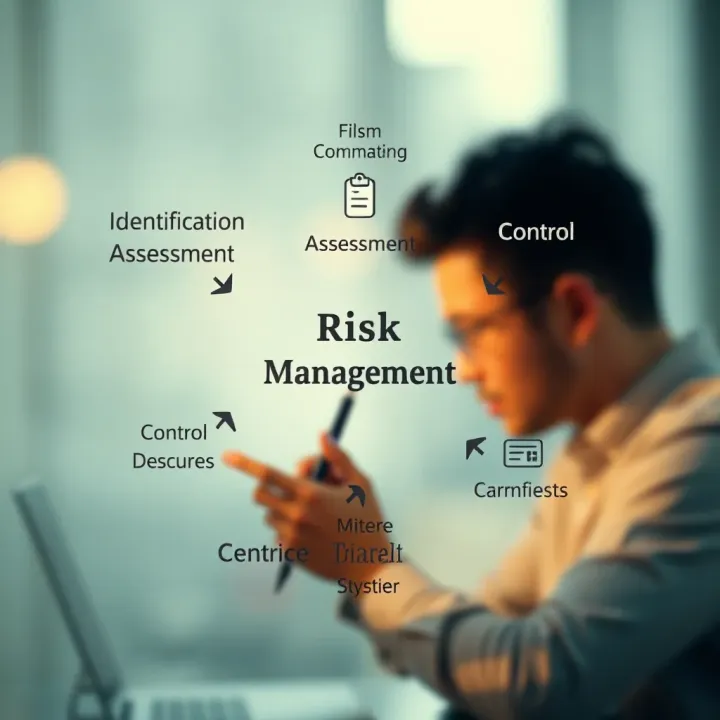
🔍 Explore how risk management protects South African businesses by identifying, assessing & handling risks to guide smart decisions & compliance.

📚 Explore the BCom Risk Management degree in South Africa: key subjects, career options, entry criteria, and practical advice for a future in managing organisational risks effectively.
Based on 12 reviews