

Fraud and Risk Management Strategies in South Africa
🔍 Explore practical strategies for fraud and risk management in South Africa. Learn about fraud types, risk assessment, prevention, tech, and regulations to protect your business.
Edited By
Emily Clarke
The Bachelor of Commerce in Risk Management (BCom Risk Management) is a practical degree tailored for students who want to master the art of spotting and handling risks in business environments. In South Africa's dynamic market, where factors like economic shifts, regulatory changes, and supply chain disruptions frequently impact organisations, this qualification is especially relevant.
This degree equips you with tools to analyse financial risks, operational challenges, and compliance issues – all crucial for making sound decisions. Whether it’s a local bank navigating fluctuating interest rates, a mining company managing environmental risks, or a logistics firm dealing with transport uncertainties, the skills gained here come in handy everywhere.

Studying BCom Risk Management means diving into subjects like risk assessment techniques, insurance principles, corporate governance, and financial modelling. You’ll also gain hands-on experience through case studies and real-world projects that mimic South African market conditions. Plus, many universities offer options for part-time or distance learning, making it accessible if you’re balancing work or other commitments.
South Africa’s growing regulatory landscape and economic volatility make risk-savvy professionals vital across industries, from finance to manufacturing.
Entry usually requires a National Senior Certificate with good performance in mathematics and English, or an equivalent qualification recognised by the institution. Academic standards can vary, so check specific requirements with each university.
Career-wise, the degree can open doors to roles such as risk analyst, compliance officer, insurance underwriter, or internal auditor. Many graduates also find opportunities in consulting firms and financial institutions. With South African businesses increasingly focused on governance and risk management, demand for these skills is steady.
In essence, the BCom Risk Management gives you a solid foundation to understand and tackle risks so organisations can thrive despite uncertainty. It’s a strategic qualification for future professionals who want to shape safer, more resilient business practices in Mzansi and beyond.
The Bachelor of Commerce (BCom) in Risk Management is tailored to equip students with essential skills to identify, evaluate, and manage risks that businesses and organisations face today. It’s more than theory—the degree teaches practical tools and frameworks that empower graduates to help companies steer clear of avoidable setbacks or respond swiftly when challenges emerge. Whether it’s managing financial uncertainties, environmental threats, or compliance issues, this qualification forms a solid foundation for decision-making in volatile environments common across South Africa.
Risk management involves recognising potential threats to a business and figuring out how to minimise their impact. Think of it as having early warning radar that spots trouble before it becomes a full-blown crisis. This can range from market fluctuations affecting cash flow to operational failures or legal issues. The degree trains students to implement systematic approaches to assess and prioritise risks, ensuring that organisations can protect their assets and reputation.
In the South African setting, risk management safeguards not only businesses but also their employees, clients, and the broader community. For instance, mining companies need to manage health and safety risks to protect workers, while banks must prevent fraud and cyber threats. Good risk management supports business sustainability, economic growth, and protects jobs, especially important as many local companies navigate challenges like load-shedding and regulatory demands.
The BCom Risk Management degree typically covers modules such as Risk Analysis and Evaluation, Insurance, Financial Management, Corporate Governance, and Compliance. Students also tackle topics like Business Ethics and Quantitative Methods, which are crucial for balanced decision-making. These subjects aim to blend analytical skills with ethical judgment, preparing graduates for varied roles where both numbers and integrity count equally.
This degree usually takes three years to complete when studied full-time. Many South African universities offer part-time and distance learning options to accommodate working students or those in remote areas. This flexibility is valuable for entrepreneurs or professionals wanting to upskill without stepping away from their jobs. Institutions like the University of Pretoria, University of South Africa (UNISA), and North-West University provide these study formats tailored to local needs.
Risk management skills aren’t just for specialists; they’re essential tools for anyone invested in sustaining business success and community well-being in a changing South African economy.
Risk management holds a particularly important place in South Africa’s business environment due to the unique mixture of economic, political, and social factors at play. Companies here face a landscape that demands constant vigilance to safeguard operations and maintain competitiveness. Without a clear grasp of these risks, businesses risk costly disruptions or compliance pitfalls.
South African firms are regularly dealing with economic fluctuations influenced by global trends and internal challenges such as currency volatility and unemployment. For instance, the rand can swing sharply, affecting import prices and profits—something local retailers and manufacturers track closely. Political uncertainty, including policy changes and unstable governance, can impact investor confidence and regulatory frameworks. Businesses must anticipate shifts like changes in tax policy or public sector wage negotiations, which can increase operational costs.
Operational risks include anything from supply chain hiccups to power outages during Eskom loadshedding. A manufacturing plant in Gauteng, for example, might face production delays if power is cut unexpectedly, raising costs and risking client contracts. Environmental factors, such as droughts or floods, also play a significant role. Agriculture businesses in the Western Cape often have to manage water restrictions, which directly affect crop yields and profitability.
South African enterprises operate under a tight regulatory umbrella that demands strict adherence to laws and industry standards. Compliance ensures that companies avoid legal penalties and reputational damage. This extends from financial reporting standards to health and safety regulations in the mining sector. Risk managers often coordinate efforts to keep their organisations ahead of regulatory changes and audit readiness.

Specific legislation like the Protection of Personal Information Act (POPIA) safeguards customer data and requires businesses to implement robust information security measures. Non-compliance here can lead to hefty fines and loss of customer trust, especially in sectors like finance and retail. The Financial Intelligence Centre Act (FICA) targets anti-money laundering efforts, demanding thorough client verification and reporting suspicious activities. These acts are indispensable parts of a risk manager’s toolkit in South Africa, ensuring that the company stays on the right side of the law while protecting its interests.
Understanding and managing these local risks and regulatory demands is not just a compliance matter but a core business strategy in South Africa’s complex environment.
By learning to navigate these challenges through a BCom Risk Management degree, students prepare themselves to make informed decisions that support business resilience and compliance in the South African context.
Understanding the admission criteria and study formats is key for anyone considering the BCom Risk Management degree in South Africa. These factors influence not just the start of your academic journey but also how well the programme fits your lifestyle and career goals.
To enter a BCom Risk Management degree, you’ll typically need a National Senior Certificate (NSC) or an equivalent matric qualification, with a minimum Bachelor’s pass. Most universities require a clean pass in English since communication skills play a major role in risk management. Additionally, Mathematics or Mathematical Literacy is often a must-have, with some institutions preferring Mathematics to prepare you for quantitative modules like statistics and economics.
For example, the University of Pretoria requires a minimum APS (Admission Points Score) of around 27 with specific marks in Mathematics, while the University of South Africa (UNISA) often accepts Mathematical Literacy. It’s wise to check each institution’s specific requirements as they differ slightly, and meeting these makes admission straightforward.
South African universities generally recognise prior learning to ensure experienced individuals who lack a traditional matric can still enter the programme. If you have relevant work experience or completed diplomas or other post-school qualifications, you might qualify through Recognition of Prior Learning (RPL). This pathway helps mature students or industry professionals get a formal qualification without starting from scratch.
RPL assessments typically involve submitting a portfolio of your experience and sometimes writing exams or attending interviews. This option is practical for those who took alternative routes in education or employees wanting to formalise their skills in risk management.
South Africa offers flexible learning modes to suit different lifestyles and commitments. Full-time study is suitable if you want to complete your degree in the shortest time—usually three years. This choice works well if you’re coming straight from school or can dedicate your weekdays to classes.
On the other hand, part-time and distance learning options have grown, especially with universities like UNISA and NWU (North-West University) leading in online delivery. These formats let you study while working, which is ideal for entrepreneurs, analysts, or brokers managing busy schedules. Distance learning often combines online lectures, downloadable content, and occasional contact sessions, giving you control over when and where you study.
Takealot and Vodacom 5G connectivity have made accessing learning materials on mobile devices easier, helping students keep up even during loadshedding. Before choosing, consider your career demands, tech access, and time availability—each study option offers trade-offs between pace, flexibility, and costs.
When you understand the admission requirements and available study routes, you set yourself up for a smoother academic ride and sharper career readiness in risk management.
A BCom Risk Management degree arms students with practical skills that prove valuable across various sectors. The focus is largely on analytical thinking, communication, and ethical judgement. These skills don’t just prepare you for spotting hazards but also for making solid decisions and engaging effectively with stakeholders in the South African business environment.
One of the core skills developed is risk assessment techniques. This involves identifying potential risks, analysing their impact and likelihood, and prioritising them for mitigation. For instance, a mining company in Mpumalanga might use these techniques to evaluate operational risks like equipment failure or environmental hazards.
Students learn to apply qualitative and quantitative methods—such as SWOT analysis or Monte Carlo simulations—to understand complex risk scenarios. This skill is invaluable when you’re asked to provide a clear risk profile that guides company strategy or compliance efforts.
Decision-making under uncertainty is another critical facet of the degree. It teaches students how to make informed choices even when all variables aren’t clear, a daily reality in South Africa’s fluctuating markets or politically sensitive contexts.
For example, an investor considering entry into the renewable energy sector must weigh uncertainties like government policy shifts and supply chain delays. The training builds confidence to assess probabilities, weigh consequences, and choose the best course—even when the full picture is hazy.
Effective communication is vital for risk managers, who must present findings and recommendations clearly to different audiences. This degree hones your ability to produce comprehensive reports and deliver presentations that make complex risk data accessible.
Practical cases could include reporting risk assessments to a BEE board or advising community stakeholders about environmental impact risks during a project’s planning stage. Understanding how to tailor your message is key to securing buy-in and managing expectations.
Ethics and corporate governance form a backbone in risk management studies. South African companies increasingly face scrutiny over transparency and responsible leadership, especially in light of recent corporate scandals.
Students explore frameworks for ethical decision-making and compliance with governance codes, learning to spot conflicts of interest and promote accountability. For example, a risk manager at a financial institution would need to ensure adherence to the Protection of Personal Information Act (POPIA) and FICA when handling sensitive client data.
Risk management isn't only about spotting threats; it's also about building trust and guiding organisations through uncertainties with integrity.
In short, these skills prepare students not only to assess and manage risks but also to communicate risks responsibly and act ethically in dynamic business environments across South Africa.
Graduating with a BCom in Risk Management opens up a range of career opportunities across various sectors. This degree equips you with the tools to analyse, identify, and mitigate risks that businesses regularly face. For traders, investors, brokers, entrepreneurs, and analysts, understanding these career options shows how you can apply your education practically and make a meaningful impact.
A common role for graduates is that of a Risk Analyst. These professionals assess financial and operational risks within an organisation. For example, a risk analyst working at a Johannesburg-based investment firm might evaluate market fluctuations impacting share portfolios, helping the firm minimise losses during volatile periods. Their day-to-day work blends data analysis with economic insight, crucial for making sound business decisions.
Compliance Officers are another important group. They ensure organisations follow financial regulations and industry standards, such as those set by the Financial Sector Conduct Authority (FSCA) or legislation like the Financial Intelligence Centre Act (FICA). A compliance officer at a bank in Cape Town might monitor transactions to spot possible money laundering, protecting both the institution and customers from regulatory penalties.
Then there are Auditors, who examine financial records and controls thoroughly. They play a vital role in verifying the accuracy of a company’s financial statements and checking for internal weaknesses. For instance, an auditor at a mining company in the Northern Cape will review safety compliance and environmental risk controls alongside financial audits, highlighting gaps that could cost the company dearly.
Several South African industries actively hire risk management graduates. The Financial Services sector, including banks, insurance companies, and asset managers, regularly recruits analysts and compliance officers to manage credit risk, fraud detection, and regulatory compliance. These roles are highly relevant given South Africa’s dynamic financial markets and evolving regulatory landscape.
The Mining Sector also employs risk management skills extensively. Mines face environmental hazards, volatile commodity prices, and safety risks. A risk management graduate working in this field might coordinate safety protocols or assess risks linked to load shedding affecting mining operations. Mining companies need these roles to meet health and safety regulations and to protect their operations from unpredictable external factors.
Meanwhile, Manufacturing firms depend on risk professionals to oversee supply chain risks, quality control, and regulatory adherence. In a Port Elizabeth car manufacturing plant, for instance, risk management helps identify bottlenecks and potential labour disruptions that could halt production.
Finally, Government Departments and public sector agencies require risk management experts for ensuring compliance, managing public resources efficiently, and overseeing projects with tight budgets and timelines. Managing risks in this space can mean the difference between successful service delivery and costly failures, which is critical given the country’s ongoing infrastructure challenges.
A BCom Risk Management degree offers practical, employable skills across industries critical to South Africa’s economy. Knowing which career paths suit your strengths helps you choose wisely and build a future-proof career.
When pursuing a BCom Risk Management degree, paying attention to practical aspects and future opportunities can make a real difference. This isn’t just about ticking academic boxes; it's about gearing up for the real world. For traders, investors, brokers, and analysts, understanding how theory translates into daily business risks and how your career might evolve is key.
Internships play a vital role in preparing you for the complexities of risk management in South Africa’s unique business environment. For example, working with a financial services firm in Johannesburg or a mining company in the Northern Cape provides insight into industry-specific risks like currency volatility or operational safety hazards. This hands-on experience sharpens your ability to identify and assess risks beyond textbooks, giving you a solid footing when you enter the job market.
Beyond industry exposure, internships help build your professional network. Employers often prefer candidates who have already demonstrated their capability in a workplace setting. So, if you land an internship at a company like Sanlam or Sasol, it could open doors for future roles.
One challenge risk management students face is connecting classroom concepts with practical application. For instance, you might study risk assessment models in your modules, but seeing how these models help businesses respond to Eskom loadshedding or regulatory changes brings the lessons to life. Case studies, simulations, and project work often bridge this gap, but nothing replaces real work experience that tests your problem-solving skills under pressure.
By tackling real-life scenarios during work experience, you'll understand how different risks intertwine—political, economic, environmental—and develop sharper decision-making skills. This also trains you to communicate risks effectively to stakeholders, a critical skill in any advisory or management role.
After completing your BCom, further study can sharpen your expertise and make you more competitive. A postgraduate diploma or honours degree in risk management or related fields like financial risk or compliance could take you deeper into specialised areas. For example, a risk management honours degree might explore quantitative analysis or advanced actuarial techniques, valuable in sectors like insurance or investment banking.
Some professionals use postgraduate qualifications to transition into emerging fields such as cyber risk or environmental risk management, which are gaining momentum in South Africa. These qualifications also position you well for leadership roles or consultancy work, where advanced knowledge is expected.
The Institute of Risk Management South Africa (IRMSA) is critical for anyone serious about a career in risk management. It offers continuous professional development, networking opportunities, and industry recognition. Joining IRMSA shows employers that you're committed to maintaining industry standards and staying current with local and global risk trends.
IRMSA’s professional registration and certification can boost your credibility, especially when bidding for contracts or applying for senior roles. It also provides access to workshops and seminars, helping you stay updated on legislation changes, such as POPIA or the latest compliance requirements. In an evolving risk landscape, this ongoing engagement can separate you from the pack.
Practical work experience, ongoing learning, and professional registration aren’t just boxes to tick—they’re key steps to building a strong, sustainable career in risk management within South Africa’s dynamic market.
🔍 Explore practical strategies for fraud and risk management in South Africa. Learn about fraud types, risk assessment, prevention, tech, and regulations to protect your business.
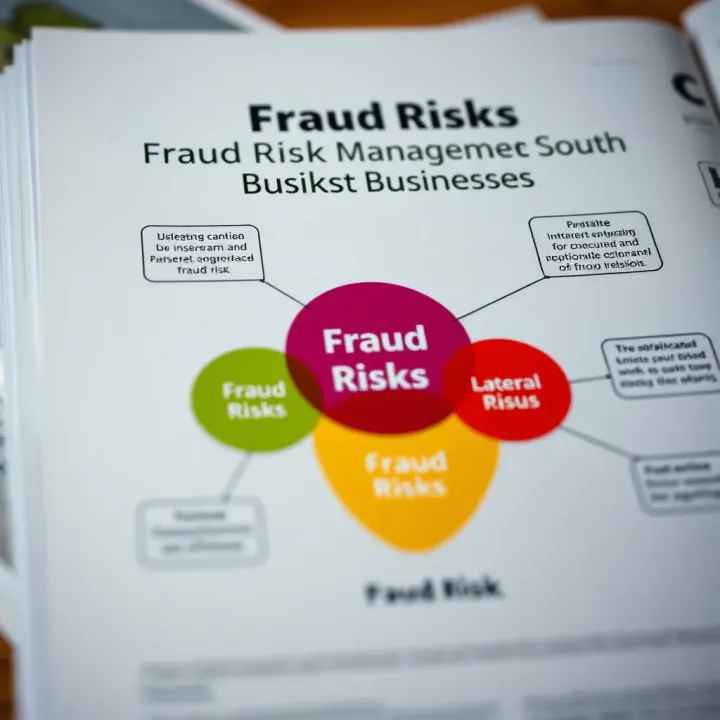
Protect your South African business with smart fraud risk management. Learn to spot fraud types, strengthen controls, and boost employee vigilance 🛡️📊

Explore risk management study options in South Africa 🎓. Discover institutions, courses, practical skills, admission tips & career paths in the field.

Explore how risk management helps identify, assess, control, and monitor risks for smarter decisions and smoother business operations in South Africa 🇿🇦📊
Based on 7 reviews