

Understanding Bearish Candlestick Patterns
📉 Learn how to spot bearish candlestick patterns showing potential drops in SA markets. Master common formations and sharpen your trading strategy for R gains.
Edited By
Isla Morgan
Candlestick patterns have become one of the most trusted tools in the trading toolkit, used by traders, investors, and analysts to make sense of market movements. Unlike plain line charts, candlestick charts show the open, high, low, and close prices for a given timeframe, offering a richer snapshot of market psychology. This makes it easier to spot potential price reversals, continuations, or indecision.
A single candlestick consists of a body and wicks (or shadows). The body displays the difference between the opening and closing prices, while the wicks show the extremes for the period. When the closing price is higher than the opening, the candle often appears hollow or green (bullish), and when lower, filled or red (bearish).
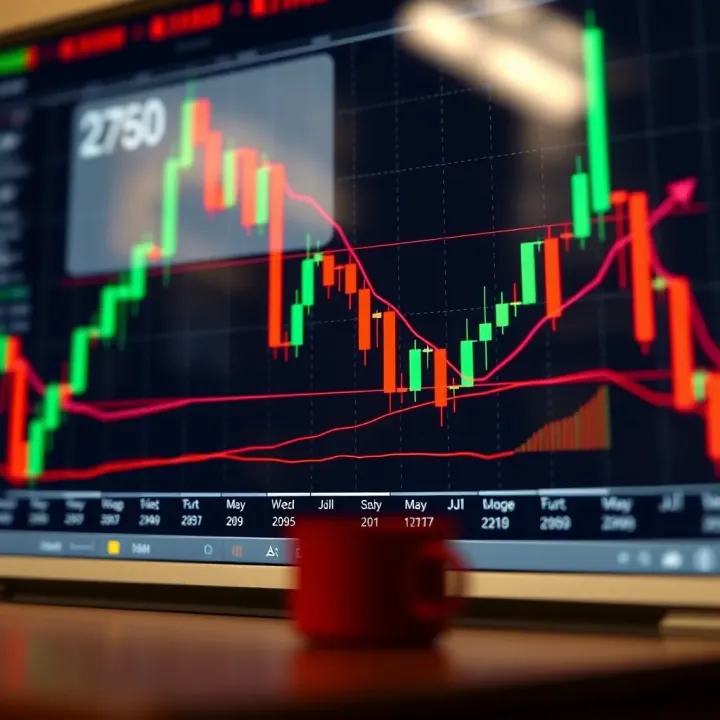
Recognising these patterns is a skill that can help you anticipate market behaviour. For example, the hammer candlestick is a classic signal of a potential bullish reversal after a downtrend. Picture a share price dropping sharply but closing near the open, leaving a small body with a long lower wick — suggesting buyers stepped in late to push prices up. This might prompt you to consider entering a long position.
On the flip side, the shooting star pattern emerges during an uptrend, where prices spike higher but close near the open with a long upper wick. This can indicate selling pressure and a possible downshift ahead.
Understanding these signals isn’t about predicting the future with certainty but about reading probabilities based on market sentiment visible in the candle formations.
To get the most from candlestick patterns, combine them with other technical indicators like volume, moving averages, or support and resistance levels. For instance, a bullish engulfing pattern confirmed by rising trade volume near a strong support level offers higher conviction.
In South African markets, where factors like Eskom loadshedding or geopolitical news can trigger sudden moves, candlestick patterns offer a fast way to interpret price action amid volatility.
Keep in mind, learning these patterns takes practice. Start by observing daily charts of popular JSE shares like Naspers or Sasol, watching how patterns unfold over time. This hands-on approach will build your confidence in spotting opportunities and risks as they come.
By mastering candlestick patterns, you tap into a straightforward yet potent method to help make informed trading decisions.
Candlestick charts are fundamental tools in trading, designed to give a quick yet detailed snapshot of price action within a defined timeframe. They help traders and investors understand market sentiment by visually depicting price movements in a way that’s easier on the eye than naked numbers. For someone eager to spot potential trend changes or confirm momentum, grasping the basics of these charts is indispensable.
Each candlestick summarises the price behaviour during a specific interval, such as 5 minutes, 1 hour, or a day. This condensed view shows whether buyers or sellers dominated the session, which is crucial for making timely trading decisions. Say you’re watching a daily chart of a JSE-listed stock like Sasol – each candlestick tells a story of how price moved during that day, enabling you to recognise patterns that hint at what might come next.
The four key prices that define a candlestick are the open, close, high, and low within the chosen period. The ‘open’ price marks where trading started, while the ‘close’ shows where it ended. The ‘high’ and ‘low’ pinpoint the extremes reached during that time. For instance, if Standard Bank opened at R140 and closed at R145 on a given day, but touched a low of R138 and a high of R146, these figures form the frame of that day’s candle. Spotting discrepancies between these prices can reveal volatility or indecision, which may be valuable insights.
The body represents the range between the opening and closing prices. A long body means there was a decisive move, showing either strong buying or selling pressure. A short body suggests indecision or sideways movement. If a shop like Takealot sees a stock’s daily candlestick with a long bullish body, it means buyers pushed prices up considerably by day-end, signalling momentum.
The wicks, or shadows, extend from the top and bottom of the body to the highest and lowest prices of the period. They reveal intraday volatility and areas where price tested but didn’t hold. A long upper wick might indicate that sellers resisted higher prices, pushing the price down before close. Conversely, a long lower wick shows buyers stepping in to support prices. For example, during Eskom-related uncertainties, a share might show long lower wicks as buyers find value at dip prices, hinting at possible rebounds.
Colours quickly communicate market direction. Traditionally, a green or white candle signals a close higher than the open (bullish), while a red or black candle shows a close lower than the open (bearish). This immediate visual cue helps traders gauge momentum without crunching numbers. In a practical sense, if a MTN share’s candle is red on heavy volume, it suggests bears dominated, possibly warning of further declines.
Understanding these basic elements turns raw market data into actionable insights, making candlestick charts a vital tool for traders wanting to read the market's mood clearly and swiftly.
Single candlestick patterns offer quick insight into market sentiment and potential price shifts. They're especially useful for traders who need to make swift decisions without waiting for complex formations. By recognising these patterns, you can identify moments when buyers or sellers hesitate, or when the tide might turn. This helps with timing entries and exits more effectively.

A Doji candle forms when the opening and closing prices are nearly the same, resulting in a very small or non-existent body. Picture a cross, plus sign, or inverted cross on your chart. The candlestick looks like it has long wicks but little real 'body'. This shape signals a tug of war between buyers and sellers where neither side gained clear control during that trading period.
When you spot a Doji, especially after a strong uptrend or downtrend, it means the market’s unsure — indecision prevails. For instance, after a prolonged price rise, a Doji suggests buyers are losing steam and sellers may step in soon. Likewise, after a price drop, it could hint sellers are tired. However, a Doji alone isn’t a cue to act; you’ll want to watch for confirmation in the next candles or other indicators, otherwise, it could just be short-term hesitation.
Both the Hammer and Hanging Man have small bodies near the top of the candlestick with long lower wicks. Imagine a line with a little square on top. The long lower tail shows that prices dropped sharply during the period but recovered before the close. This visual tells you the market tested lower prices but bounced back.
A Hammer typically appears after a downtrend and hints that the selling pressure might be weakening — buyers are stepping up. It's a potential bullish reversal signal. On the flip side, a Hanging Man forms after an uptrend and warns that sellers may be gaining strength, possibly signalling a bearish reversal ahead. In both cases, look for confirmation from the following candles or volume; otherwise, these signals can mislead.
These two patterns flip the script. A Shooting Star has a small body near the bottom with a long upper wick and appears at the top of an uptrend, indicating a rejection of higher prices. It’s often seen as a bearish warning. The Inverted Hammer, though similar in shape, shows up after a downtrend and suggests buyers tried to push prices higher but couldn’t close strongly, marking a possible bullish reversal.
Imagine a stock climbing steadily, then a Shooting Star forms as it spikes but closes near the low. This hints that bulls ran out of steam, and sellers might take over soon. Conversely, an Inverted Hammer appearing after a fall on a local share like Sasol could suggest the beginning of recovery, provided subsequent candles support the move. In either case, pairing these patterns with indicators like volume or RSI helps confirm their reliability.
Remember, single candlestick patterns give early warning signs but rarely tell the full story alone. Combine them with broader analysis for better trading decisions.
Multiple candlestick patterns give traders a clearer picture of potential trend shifts than single candles alone. They reveal the tug-of-war between buyers and sellers over a few consecutive sessions, providing richer clues about the market’s likely direction. By watching how candles interact, you can better time entries and exits, improving your chances of success.
A bullish engulfing pattern appears when a small red candle is followed by a larger green candle that completely covers the previous body. This indicates buyers have taken control, often signalling a reversal from a downtrend. For example, if Naspers shares have been falling over several days and suddenly a bullish engulfing pattern forms on decent volume, it may be an early sign that the price will rise.
In contrast, a bearish engulfing pattern occurs when a small green candle is succeeded by a larger red candle engulfing it entirely. This shows sellers overwhelming buyers, often marking a potential downtrend. If Sasol stock had been on an upward run but then produces a bearish engulfing candle pattern, traders might prepare for a correction or sell-off.
In real trading, these patterns don’t guarantee moves, but paired with other signals like volume spikes or support levels, they become actionable tools. For instance, spotting a bullish engulfing pattern near a key support line on the JSE often encourages buyers to step in.
The morning star forms over three sessions and signals bullish reversal. It starts with a long red candle, followed by a short candle that gaps down, reflecting indecision, then a strong green candle closing well into the first candle’s body. This progression shows selling pressure fading and buyers gaining momentum. Such a pattern could emerge after a prolonged downturn in the rand-dollar exchange rate, hinting at a potential turnaround.
Conversely, the evening star indicates bearish reversal. It begins with a large green candle, followed by a small indecisive candle that gaps up, and ends with a strong red candle penetrating the previous green body. This suggests buyers losing steam and sellers pushing prices down. Investors might watch this pattern in mining stocks after a rally to avoid getting caught in the next drop.
The three white soldiers pattern features three consecutive long green candles, each closing higher than the previous one with little to no shadows. This pattern signals sustained buying strength and a robust move upward. It often appears after a period of consolidation or decline, like when MTN shares consistently climb after a bearish phase.
On the flip side, three black crows consist of three successive long red candles closing lower with small wicks, reflecting steady selling pressure. This formation points to a reversal from bullish to bearish sentiment. For example, discovering this pattern in a retail stock like Woolworths after a strong rally might suggest a shift in market mood.
Remember, multiple candlestick patterns work best when combined with volume analysis and other indicators. No pattern is foolproof, but recognising these signs early can help you anticipate changes and manage risk more effectively.
By blending these patterns with your broader market knowledge and confirmation tools, you gain practical insights for making informed trading decisions on the JSE and beyond.
Candlestick patterns can reveal a lot about market sentiment, but using them effectively means combining them with other tools and managing risks properly. They’re not standalone signals; rather, they fit into a broader trading strategy where confirmation and caution are key. Understanding how to interpret these patterns in context and manage your risk helps avoid costly mistakes.
The role of volume is critical in confirming candlestick patterns. For example, a bullish engulfing pattern appearing on low volume might not carry the same weight as the same pattern backed by a sharp increase in trading activity. Volume shows how much interest there is behind a move. If a reversal pattern like a hammer forms but the volume is thin, it could mean the signal lacks conviction and might fail.
Using moving averages adds another layer of certainty. A candlestick pattern that aligns with a moving average support or resistance level tends to be more reliable. For instance, spotting a bullish pattern near the 50-day moving average can suggest added strength because traders often watch these averages to make decisions. When price bounces off a key moving average with a confirming candlestick pattern, that’s often a nod to a genuine trend change.
Relative strength index (RSI) helps measure whether an asset is overbought or oversold. When combined with candlestick patterns, RSI can offer useful clues. Say you see a doji signalling indecision at a price peak, and the RSI is above 70 (suggesting overbought conditions), it may hint at an upcoming pullback. Conversely, a bullish pattern forming while RSI dips under 30 highlights a potential rebound, giving you more confidence in acting on the candle signal.
False signals and how to avoid them are a common challenge for traders relying on candlestick patterns. Not every pattern results in a meaningful price move; market noise can create misleading shapes on charts. To reduce the risk of chasing false signals, use additional confirmation like volume spikes, trendlines, or support and resistance levels. Also, consider the broader market trend—patterns that go against strong trends tend to fail more often.
Setting stop-loss levels is an essential practice alongside candlestick trading. It protects your capital when the market moves against your position and stops emotions from taking over. For example, if you enter a trade based on a bullish engulfing candle, placing a stop-loss just below the engulfing candle’s low provides a clear exit point if things go pear-shaped. This way, you know exactly how much you stand to lose and avoid the temptation to hold onto a losing trade hoping it’ll turn around.
Using candlestick patterns wisely means reading them as part of a bigger picture, combining them with volume, moving averages, and RSI, and always protecting yourself through good risk management.
Integrating these practical approaches can help you make better trading decisions, reducing guesswork and improving your chances of spotting real opportunities in the market.
In trading, recognising common mistakes when interpreting candlestick patterns can save you significant losses. These pitfalls often stem from relying too heavily on patterns alone or overlooking important confirmation signals like volume. Understanding how to avoid these errors helps you make smarter, more reliable trading decisions.
Candlestick patterns are just one piece of the puzzle. For example, spotting a hammer pattern in isolation might suggest a potential reversal, but if broader market sentiment or economic data points strongly to a continued downtrend, that signal loses weight. In South Africa's often volatile markets—say during sharp rand fluctuations due to political events—context matters a lot more than a single candlestick shape.
Always take a step back and examine the bigger picture. Look at overall market trends, sector performance, or macroeconomic factors alongside your chart analysis. This prevents jumping into trades based purely on one pattern that may signal a false move. Relying solely on candlestick patterns without this wider perspective often leads to missed opportunities or unnecessary losses.
It's easy to mistake unrelated price action for a specific pattern. For instance, traders sometimes confuse a doji in a consolidating market with indecision signalling a reversal, while it might just be normal price fluctuation. Misreading patterns can cause ill-timed entries and exits.
A practical approach is to wait for confirmation. If you see a bearish engulfing pattern, for example, check if the next candle follows the expected direction before acting. Patterns that appear on low-volume days or irregular trading sessions might be less reliable, especially in local shares or smaller-cap stocks with limited liquidity.
Volume acts as the strength behind any price movement. Imagine a bullish engulfing candle forming with high trading volume on the JSE – this signals genuine buyer interest and a stronger likelihood of continued upward movement. Conversely, if the same pattern appears with weak volume, it might just be a momentary blip.
Ignoring volume often means ignoring the market's conviction. Without this key context, patterns lose much of their predictive power. South African traders familiar with Eskom-related news know how volume spikes can accompany sharp market responses, providing clearer signals than the price action alone.
Candlestick patterns work best when paired with other technical indicators. Moving averages can show you if a trend is truly shifting, while RSI (Relative Strength Index) can alert you to overbought or oversold conditions that photos potential reversals.
For instance, seeing a morning star pattern supported by a crossover of the 50-day moving average and an RSI bouncing off the 30 level offers a layered confirmation, making the trade signal much stronger. Combining these tools helps filter out false signals, reducing the chance of mistakes caused by relying on a single method.
Successful traders know that chart patterns are helpful but never the sole basis for decisions. Taking volume, support from other indicators, and broader market context onboard is what makes trading with candlesticks a dependable strategy.
📉 Learn how to spot bearish candlestick patterns showing potential drops in SA markets. Master common formations and sharpen your trading strategy for R gains.

📉 Learn to spot hammer candlestick patterns, their role in market reversals, and practical trading tips for South African markets. Avoid common pitfalls! 🔍
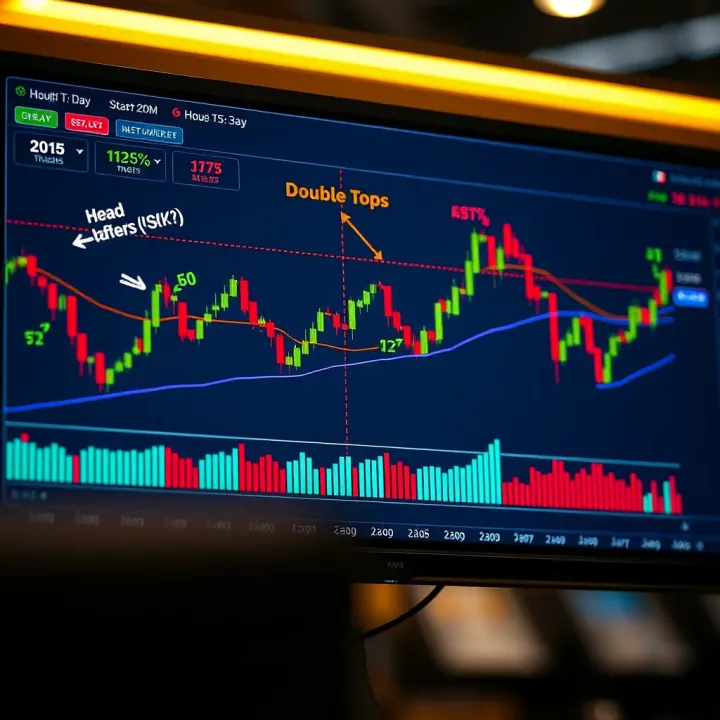
📈 Learn key chart patterns for smart trading decisions in SA. This practical PDF guide offers clear tips on spotting trends and interpreting local market moves.

📈 Learn high profit candlestick patterns to boost your trading skills! Practical tips, common mistakes, & PDF resources for South African traders.
Based on 5 reviews