
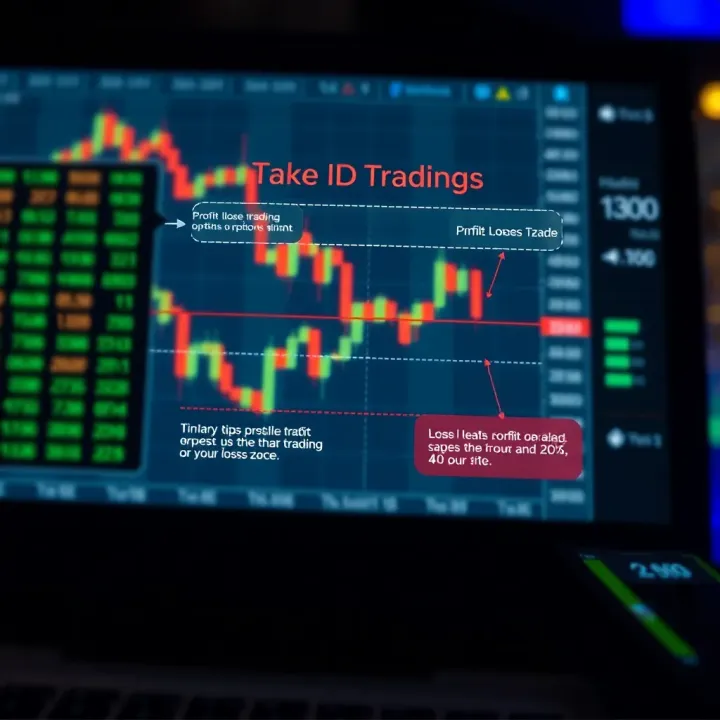
Binary Options Trading: A Beginner's Guide
📈 Learn binary options trading basics tailored for South Africans. Understand how it works, risks involved, steps to start, and avoid common pitfalls confidently.
Edited By
Liam Walker
Binary options trading has become a popular way for many South Africans to engage with financial markets, thanks largely to its straightforward approach. Instead of buying or selling assets at changing prices, you simply predict whether the price of an asset—like gold, stocks, or even the rand-dollar exchange rate—will be above or below a certain point at a specific time.
Unlike traditional trading, binary options offer fixed payouts or losses, making the process easier to understand but no less risky. For example, if you buy a binary option predicting the rand will strengthen against the US dollar by the end of the day, you either earn a fixed return if correct or lose your initial stake if wrong.

Keep in mind: while the simplicity of binary options is appealing, the risk of losing your entire investment is high. Treat it like a calculated gamble, not a guaranteed way to grow your money.
Limited investment window: Binary options usually expire within minutes to hours, unlike shares or ETFs that you can hold indefinitely.
Fixed risk and reward: You know upfront how much you stand to gain or lose.
No ownership of assets: You're only speculating on price movements, not owning the underlying asset.
South Africa's financial sector is tightly regulated by the Financial Sector Conduct Authority (FSCA), but many binary options platforms operate offshore without regulation here. This raises the chances of scams or unfair practices. Always check for FSCA licensing before investing.
Look for guides and PDFs from reputable local financial education platforms or brokers registered with the FSCA.
Avoid platforms promising guaranteed returns or unusually high payouts.
Use resources that explain the risks alongside the mechanics of binary options.
Practical use of these resources can help you make informed decisions and avoid falling into common traps. Understanding the basics and risks upfront is key before putting any money into binary options.
Next, we will explore the core mechanics and the types of binary options popular among South African traders.
Understanding the basics of binary options trading is essential before putting real money on the line. This foundation clarifies what you’re getting into and helps manage expectations. Think of it like learning the rules before a braai—if you don’t know what wood or charcoal does what, your fire won’t be ideal. In trading, knowing the instruments, payouts, and risks can save you from costly mistakes.
Definition and main principles
Binary options are financial contracts which pay out a fixed amount or nothing at all, depending on whether a prediction about an underlying asset’s price is correct at expiry. For example, if you predict the price of gold will be above R1,000 per ounce in one hour, and it is, you receive a predetermined payout; if it’s not, you lose your stake. The main principle here is a simple yes/no, win/lose proposition, unlike traditional trading that depends on price differences.
The appeal lies in the simplicity and clear outcomes, making it accessible even for traders who don’t want to get bogged down in complex charts. However, that simplicity comes with its own set of risks, which traders should understand fully.
How binary options differ from other financial instruments
Unlike shares, forex, or commodities where you profit or lose based on the extent of price movement, binary options offer a fixed return. If your prediction holds true, you get a set winning; if not, you lose your initial stake. This all-or-nothing approach means gains and losses are capped from the outset.
For example, if a stock moves 5% in your favour trading shares, you might gain 5% or more depending on leverage. But with binary options, your payout is fixed even if the price significantly surpasses your prediction. This limits both reward and risk, making binary options less flexible but more predictable in terms of potential outcomes.
Cash-or-nothing options
This type pays a fixed cash amount when your option expires in the money, otherwise, you get nothing. To put it simply, it’s like betting on a football match where you either win your stake multiplied by odds or you lose your stake. For instance, if the payout is R1,000 for a R500 stake, you get R1,000 if your prediction is right, or lose R500 if it’s wrong.
This straightforward approach appeals to traders who want simple, clear returns without worrying about the underlying asset’s actual price.
Asset-or-nothing options
With this, instead of cash, the payout is the underlying asset itself at expiry. Say you buy an asset-or-nothing option on a share priced at R200; if your prediction is correct, you receive that share; if wrong, you get nothing. This can be useful if you wish to acquire the asset without buying it outright via traditional methods.
However, this type carries more complexity and involves owning the asset, which might require further knowledge on management or sale.
Common expiry times and assets
Binary options come with varying expiry times, often ranging from as short as 30 seconds to daily or weekly expiries. Shorter expiry options suit those keen on quick trades, whereas longer expiries allow for more analysis. For example, a trader might opt for a 5-minute expiry on a forex pair like USD/ZAR if they want fast results.
Assets available commonly include forex pairs, indices like the JSE Top 40, commodities such as gold or oil, and sometimes equities. South African traders often focus on forex and commodities because of global access and familiar markets.
Knowing these expiry choices and asset types helps you tailor your trading style and risk tolerance effectively.
Understanding the risks and rewards of binary options is vital before venturing into this type of trading. Since binary options offer an all-or-nothing payout, the potential for quick profits comes with a matching level of risk. You need to be clear-headed about what you can gain and what you might lose.

Binary options payouts are usually fixed, meaning you know upfront how much you stand to earn or lose. For example, if you invest R1,000 in a call option predicting that the price of gold will rise, and the payout rate is 80%, you’ll earn R800 profit if your prediction is right — totalling R1,800 returned. However, if your forecast is wrong, you lose your full stake of R1,000. This simple structure means traders don’t have to worry about complicated calculations but must keep in mind that losing the full investment is quite common.
Payouts typically range from 60% to 90%, depending on the broker and asset. While an 80% return looks attractive, remember that a losing trade costs you your whole stake, so you need to win more than half your trades just to break even. For instance, winning five trades and losing five with an 80% payout results in an overall loss. This risk-reward balance makes binary options more comparable to a game of chance than traditional investing.
Binary options’ all-or-nothing style means every trade carries a significant risk of total loss. Many traders underestimate how fast losses can pile up, especially during volatile markets. It’s easy to get caught in a mindset of trying to recover losses by increasing stakes — a dangerous cycle that can wipe out your trading capital quickly. Managing risk with small stakes and strict limits is essential.
The binary options space has seen many platforms promising guaranteed returns or offering “too good to be true” bonuses to lure traders. These often turn out to be scams, especially on smaller or unregulated sites. Look out for platforms that ask for additional money before payout, refuse withdrawals, or lack transparency. Always check for regulation by the FSCA (Financial Sector Conduct Authority) and user reviews before trusting any platform with your funds.
Be wary of quick profits promises and always prioritise your safety by trading with regulated brokers and using verified resources.
In summary, the risks and rewards of binary options go hand in hand. While the fixed payouts may look appealing, the high chance of total loss means you must approach trading cautiously, employing sensible risk management and choosing trustworthy platforms.
Access to reliable PDF guides is crucial for anyone interested in binary options trading, especially in South Africa where understanding the local context is key. Good PDFs can give you a solid foundation, explain technical concepts in plain terms, and offer practical examples that make navigating binary options easier. They help avoid common mistakes and improve decision-making by providing trusted, vetted information you can revisit anytime offline.
Author credibility and source verification are essential when choosing PDF resources. Look for guides authored by recognised financial experts or organisations with a track record in trading education. For example, a PDF published by a respected South African trading academy or a licensed financial adviser carries much more weight than something from an anonymous online forum. Always check if the author or publisher is mentioned clearly, their experience detailed, and whether they cite trustworthy sources like financial regulatory bodies.
Equally important is content relevance for South African traders. Many binary options resources are generic or focused on markets like the US or Europe. As trading conditions, regulations, and risk factors can differ widely here, you need materials reflecting our local environment. This includes awareness of the Financial Sector Conduct Authority's (FSCA) stance, the specific risks given our economic climate, and examples using Rand and local assets. Otherwise, the advice might be misleading or inapplicable.
Official financial websites such as those run by the FSCA or South African government finance departments are one of the best places to start. They may not publish exhaustive binary options guides but often provide basic educational PDFs and alerts about trading risks. These documents are reliably accurate and up to date, reflecting current laws and official warnings about unregulated brokers or scams.
For more detailed trading strategies and technical know-how, turn to reputable trading education platforms. South African sites like Investopedia South Africa or online brokerages with local licences sometimes offer free or paid PDF downloads. These often include step-by-step guides, charts, and risk management tips tailored for beginners and intermediate traders. Always verify the platform’s legitimacy before downloading, especially if they request personal details or payment.
Getting your hands on trustworthy PDF guides isn’t just about gathering knowledge — it’s about protecting your money and making informed decisions in a market that can be tricky, especially for newcomers.
By choosing verified sources that address local needs, you balance learning with safety. That should always be your priority when working with any financial instrument, binary options included.
Having a clear strategy is key when you’re dealing with binary options. Since these trades usually have fixed payouts and limited durations, knowing how to approach them can make a real difference to your results. This section breaks down practical ways to get started and how to manage risks effectively.
Setting realistic goals helps you stay grounded and avoid emotional decisions. For example, rather than aiming to double your R5,000 investment in a week—a very risky and unlikely outcome—it’s smarter to target smaller, consistent wins, say 2-3% per trade. This way, you build your skill and confidence steadily without exposing yourself to reckless losses.
It’s also useful to keep a trading journal to track your progress and understand what works for you. If you notice repeated losses on certain asset types or expiry times, adjust your goals accordingly. Realistic aims reduce stress and help you maintain a clear head.
Trends give you clues about which way an asset’s price might move in your chosen expiry time. For instance, if you see the price of a JSE-listed share steadily climbing over an hour, a call option predicting a price rise at expiry might be a safer bet.
Basic techniques like watching moving averages or recent highs and lows can signal these trends. While binary options trading is often short-term, recognising the general direction helps you avoid random guesswork. Traders often overlook this, jumping in without checking if the market’s momentum suits their trade.
Although binary options don’t offer stop-loss orders like traditional trading, you can manage risk by setting strict limits on daily or weekly losses before you stop trading. For example, decide you won’t lose more than R1,000 in a day. Once you hit that, you step away to avoid chasing losses.
This discipline prevents small setbacks from escalating. Some trading platforms also allow you to cap individual trade amounts, so you aren’t tempted to stake large sums on risky bets. Effective limits protect your bankroll and keep you in the game longer.
It’s tempting to throw large sums at trades you feel 'almost sure' about, but this can be a quick route to losing everything. Common advice suggests risking only 1-2% of your total budget on any single trade. So, with R10,000 to trade, avoid placing more than R200 on one option.
Spread your investments over several trades and timeframes. This approach balances the load and gives you better chances of steady returns without wiping out your capital quickly. Overinvestment often leads to rash decisions, especially after a few losses, so keeping it small and consistent helps maintain control.
Remember: The aim isn’t just to win every trade, but to make smart choices that protect your money while growing it gradually.
By combining realistic goals with solid market analysis and proper risk control, you’ll have a much better footing in the often fast-paced world of binary options trading.
Understanding the legal framework around binary options trading in South Africa is essential for anyone looking to enter or operate in this market. The laws and regulations not only protect traders but also set the boundaries for brokers and platforms offering these financial products. Since binary options have attracted both legitimate interest and scams, knowing the current regulatory status helps traders avoid costly mistakes and legal complications.
The FSCA is the main regulatory body overseeing financial markets in South Africa, including securities and derivatives trading. For a time, binary options fell under its watchful eye, requiring platforms to meet certain standards to operate legally. However, the FSCA has taken a firm stance due to widespread abuses in the sector. Knowing who or what is regulated by the FSCA can save you from dealing with platforms that operate outside the law.
Traders should check if the binary options broker they want to use is authorised by the FSCA. This means the broker has met minimum financial and ethical standards and is subject to oversight. Non-regulated entities often operate from overseas and may not honour payouts or safeguard your funds. The FSCA’s public register lists authorised financial services providers (FSPs), serving as a reliable reference.
In recent years, the FSCA imposed bans and restrictions on retail binary options trading because many South Africans lost money to dishonest schemes posing as brokers. In 2017, binary options were classified as high-risk, and platforms were warned to comply with regulatory requirements or face penalties.
Following this, the FSCA announced a ban on financial products that mimic binary options but lack proper regulation. This effectively shut down many binary options operations targeting retail traders locally. The ban aims to shield consumers from scams, forcing traders to seek alternatives or trade only through regulated platforms. Awareness of these restrictions helps traders stay clear of illegal schemes and avoid potential financial loss and legal trouble.
The key to legal protection is trading only with FSCA-authorised brokers. These brokers comply with South African laws designed to protect investors, including holding client funds separately and reporting suspicious transactions.
Beyond choosing the right broker, it’s wise to keep records of all transactions and communications. This documentation can support any complaints or legal actions in case a dispute arises. Understand your rights and the protections that apply, especially in case of failed payments or suspected fraud.
If you encounter platforms that promise unrealistic returns, request upfront payments without clear terms, or operate without FSCA registration, report them immediately. The FSCA has dedicated channels for reporting suspected financial scams or misconduct.
Acting quickly benefits not only you but the wider trading community. Prompt reporting can lead to investigations, enforcement actions, and warning others. Always remain vigilant and err on the side of caution when dealing with unknown or unregulated brokers.
Staying informed about the legal and regulatory environment around binary options trading is your best defence against financial loss and fraud. Always verify a broker’s credentials, keep thorough records, and report suspicious activity without delay.
By following these guidelines and understanding South Africa’s regulatory landscape, you can better navigate the binary options market, minimise risks, and trade with greater confidence.
📈 Learn binary options trading basics tailored for South Africans. Understand how it works, risks involved, steps to start, and avoid common pitfalls confidently.

📘 Learn binary options trading basics, risks, and practical tips tailored for South African traders. Plus, access helpful PDF guides for smart investing decisions.

📘 Discover top free binary options trading books for South African traders. Learn basics, evaluate resources, and boost your skills without spending a cent!
Explore how YouMoney Binary works, its benefits & risks 💰🔍 A clear guide to help South Africans understand this financial model better and make smart choices.
Based on 10 reviews