
Forex Trading for Beginners: Start Smart Today
🔍 Curious about forex trading? Learn the essentials, spotting reliable brokers, managing risk, and mastering platforms to kickstart your trading journey with confidence in South Africa.
Edited By
Sophia Reed
Trading forex in South Africa requires more than just a basic grasp of currency pairs and market hours. This practical guide is centred on a downloadable PDF that breaks down key forex trading concepts with a local angle. Whether you're a seasoned trader or just starting, having well-organised notes can make a big difference in your decision-making.
South African traders face unique factors such as the rand's volatility, the impacts of Eskom loadshedding, and the influence of global events on emerging markets. Good forex notes will explain these alongside general principles like technical and fundamental analysis, helping you make informed trades.

Clear explanations of market basics, including major and minor currency pairs relevant to SA traders, such as USD/ZAR
Chart reading techniques like candlestick patterns and trend analysis, supported by local case studies
Risk management strategies tailored to manage the rand's swings and market liquidity
Practical steps for setting up trading accounts with brokers who understand South African regulations and FICA (Financial Intelligence Centre Act) requirements
Keeping your trading notes simple yet detailed is the best way to stay on top of fast-moving markets and avoid costly mistakes.
This guide steers clear of jargon-heavy language, aiming instead to give you actionable insights that fit real-world conditions. So, if you want a handy resource that combines solid trading principles with South African context, these notes are a smart starting point.
Grasping the basics of forex trading is the cornerstone for any trader wanting to navigate the markets confidently. Forex, or foreign exchange, involves buying one currency while selling another simultaneously. This dual operation means understanding how currencies relate to each other and the market dynamics is vital for making informed decisions. For South African traders, getting a handle on fundamentals prevents costly mistakes and builds a solid foundation for more advanced strategies.
The forex market is a global network of banks, brokers, and traders where currencies are exchanged continuously. Unlike the JSE, forex trading isn’t tied to a central exchange but happens over-the-counter (OTC), meaning trades happen electronically across different time zones. This decentralisation allows the market to operate 24 hours a day from Monday morning in Asia to Friday evening in New York.
Major players include commercial banks, central banks, hedge funds, and retail traders. For example, when the South African Reserve Bank (SARB) adjusts the repo rate, it can influence the Rand (ZAR) value relative to other currencies, shifting trading demand.
Currency pairs are quoted as the value of one currency against another. The major pairs always feature the United States Dollar (USD) due to its global reserve currency status. For South Africans, pairs like USD/ZAR (the Rand against the US Dollar), EUR/USD, GBP/USD, and USD/JPY are crucial because they represent the most liquidity and lowest spreads.
Trading USD/ZAR can be quite volatile, especially when local factors like Eskom loadshedding or political developments affect the Rand. Understanding which pairs align with your trading style helps avoid unnecessary risks. For example, if you prefer less volatile trades, major pairs excluding emerging market currencies might be a safer choice.
Forex trading runs almost non-stop, but liquidity and volatility vary with market sessions. South Africa follows South Africa Standard Time (SAST, UTC+2), placing its daytime trading close to the European session and overlapping partially with the US session.
The key sessions are:
Asian session: 12 am to 9 am SAST
European session: 8 am to 5 pm SAST
US session: 1 pm to 10 pm SAST
For South African traders, the European and US sessions offer the most opportunities as they coincide with business hours in major financial hubs, leading to higher trading volumes. Knowing these times helps you plan your trades to catch the best liquidity and avoid the sluggish, unpredictable moves typical of off-peak hours.
Mastering forex jargon clears the fog around trading and speeds up learning. Knowing terms like exchange rate, spread, pips, and lots keeps you grounded in real market conditions.
The exchange rate tells you how much of one currency you need to buy another. For instance, if USD/ZAR is quoted at 18.50, it means one US Dollar costs R18.50.
The spread represents the difference between the buy (ask) and sell (bid) price. It's essentially the cost of trading, and tighter spreads mean less overhead, which is why you might prefer pairs like EUR/USD for lower costs.
A pip, or percentage in point, is the smallest price move in a currency pair, typically 0.0001 for most pairs. It helps measure profit or loss. Lots are standardised trade sizes, usually 100,000 units of the base currency. But many brokers offer mini or micro lots allowing smaller positions, so you can manage risk better, especially when starting out.
Leverage lets you control a larger position with a smaller deposit, called margin. For example, a 1:100 leverage means you can trade R100,000 worth of currency by putting down R1,000.
While it boosts potential profits, it also magnifies losses. So, for South African traders new to forex, low or moderate leverage is safer. Imagine using high leverage during Eskom load-shedding hours when attention drops—losses could mount quickly. Managing margin closely prevents unexpected liquidation of your trades.
Understanding orders helps you control exactly when and how trades execute. A market order buys or sells immediately at the current price, suitable when you want fast execution.

Limit orders, on the other hand, set your trade to trigger at a certain price, useful if you expect the currency to move to a specific level before entering or exiting.
Stop orders protect you from heavy losses by closing a trade once a price threshold is hit. For instance, placing a stop-loss below a recent low safeguards your capital if the market turns against you.
Knowing the basics of forex operations and terminology arms you with practical tools. This knowledge helps South African traders tune into market rhythms, manage risks, and set realistic trading goals from the start.
Finding trustworthy forex trading notes in PDF format can make a real difference for South African traders. Having clear, accessible material helps you stay informed and sharp while navigating the volatile currency markets. Reliable sources also ensure you’re not misled by outdated or incorrect information, which can cost you dearly.
Local trading platforms and educational resources often provide tailored content that reflects the South African market’s specifics. Platforms like EasyEquities and local brokers regulated by the Financial Sector Conduct Authority (FSCA) sometimes offer educational PDFs that cover basics as well as advanced topics aligned with local conditions. These resources incorporate insights about the rand's behaviour, SARB’s influence, and factors such as loadshedding that can affect trading.
Apart from brokers, community initiatives like local trading groups and forums often share notes or guides that can be downloaded. These notes tend to focus on practical tips adapted for South African traders, making them highly relevant for beginners and seasoned traders alike.
Global providers offering downloadable PDFs also remain a valuable source, especially for broader forex concepts and strategies. Names like BabyPips, Investopedia, or Forex.com offer free downloadable material ranging from technical analysis guides to risk management tips. While global PDFs provide solid foundational knowledge, South African traders should cross-check such information with local market factors to ensure applicability.
Using these international sources alongside local content offers a well-rounded picture but be wary of information that ignores the rand’s quirks or regional economic events.
Verifying the credibility of forex notes is a step many skip but should never ignore. Reliable notes typically come from regulated brokers, well-known educators, or established financial websites with a clear track record. Cross-reference author credentials and read reviews where possible. If you stumble on random PDFs shared through forums or social media without clear source attribution, be cautious; misinformation can hurt your trading.
Look for material dated within the past 12 months, since forex markets evolve quickly. Also, trustworthy PDFs often cite their data sources and explain strategies with examples rather than vague assertions.
Evaluating content depth and clarity is crucial. Opt for notes that go beyond jargon and offer straightforward explanations paired with real examples. For instance, a PDF that illustrates how a news event impacted the rand in a past trading week will be more useful than one loaded with technical terms but no practical context.
Clear layouts and step-by-step guides help retain information better, especially if you intend to revisit the notes while trading.
Checking for up-to-date market information matters because forex can turn on a dime. PDFs should reflect current trends, SARB’s interest rate decisions, or new regulatory changes affecting trading platforms. Avoid guides relying on outdated data or pre-pandemic examples that don't align with today's market dynamics.
Formats and accessibility on mobile and desktop also impact usefulness. Many South Africans rely on mobiles for their trading and learning. A PDF that reads well on a smartphone, with clickable contents and zoom-friendly text, is more practical than bulky files that load slowly or display oddly.
Some platforms even offer interactive PDFs or accompanying videos, adding value. Always check if the notes you want to download are compatible with your devices or apps.
Reliable forex trading notes PDFs bridge the gap between knowledge and action, especially when tailored for South African conditions. Choose wisely, keep them handy, and make the most of your trading edge.
Forex trading notes are only as useful as the strategies they cover. Core strategies form the backbone of effective decision-making and help traders manage risks while spotting opportunities. For South African traders, understanding these strategies is key to making sense of market movements influenced by local factors such as the rand’s volatility and regional economic news.
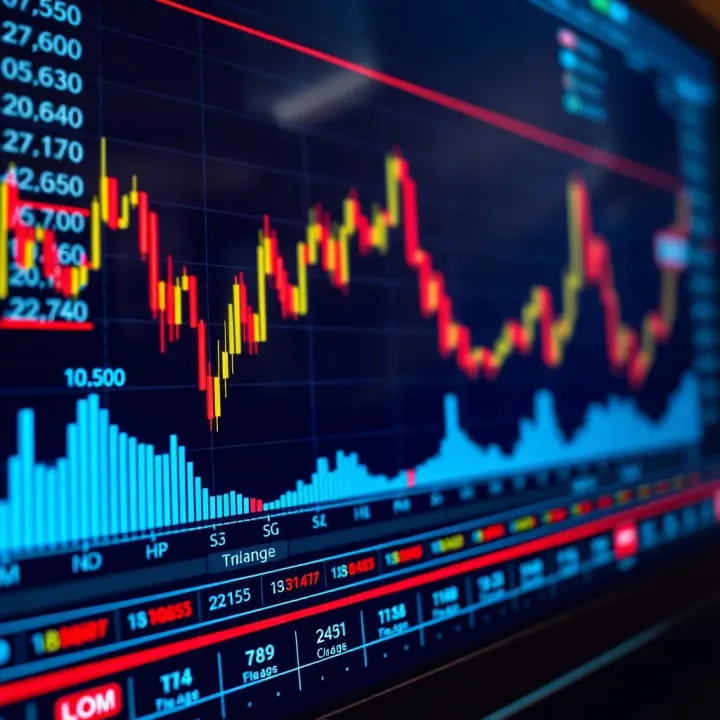
Reading price charts and candlestick patterns is the first building block of technical analysis. These charts visualise currency price movements over time, allowing traders to identify trends and reversals. Candlestick patterns like the hammer, engulfing, or doji provide clues about buyer or seller strength, helping you decide when to enter or exit trades. For instance, spotting a bullish engulfing pattern on the USD/ZAR chart after a downtrend might signal a potential turnaround.
Common indicators and how to use them streamline analysis by highlighting momentum, volatility, and trend strength. Indicators like the Moving Average Convergence Divergence (MACD), Relative Strength Index (RSI), and Bollinger Bands are widely used to confirm chart signals or warn of potential reversals. A South African trader might use RSI to avoid entering overbought markets during periods of rand weakness caused by global risk-off sentiments.
Setting entry and exit points means planning where you’ll enter a trade and, importantly, when to get out to protect profits or limit losses. Technical analysis helps identify these points using support and resistance levels or indicator signals. For example, setting a take-profit just below a known resistance level on the rand against the euro could help lock in gains before a likely price pullback.
Understanding economic indicators is vital as these reports impact currency values. Key data such as South Africa’s consumer price index (CPI), GDP growth rates, or unemployment figures often move the rand. Traders who check these indicators know when to expect volatility and can adjust strategies accordingly.
Impact of geopolitical events like elections, trade disputes, or unexpected political announcements also affect currency sentiment. For instance, during times of political uncertainty in South Africa, the rand may weaken, giving forex traders an opportunity or warning depending on their position.
How news releases affect currency values is tied to traders’ perceptions about economic health and risks. Sudden shifts caused by announcements, such as SARB’s repo rate decisions, can lead to sharp rand moves. Forex notes that include guidance on news calendars help you stay ahead of such events, reducing surprise losses.
Setting stop-loss and take-profit levels is about protecting your capital. Stop-loss orders close a trade automatically if the price hits a certain level, preventing further loss. Take-profit locks in gains at a pre-set target. For example, if you buy USD/ZAR expecting rand weakness, setting a stop-loss 2% below your entry price helps you avoid big losses if the market suddenly moves against you.
Position sizing for capital preservation means deciding how much to risk on each trade relative to your total capital. Using a small percentage per trade (commonly 1-2%) helps prevent one bad trade from wiping out your account. This applies directly in the South African context where currency swings can be abrupt.
Managing emotions and sticking to plans is often the hardest but most crucial part of trading. Emotional decisions lead to chasing losses or exiting winners too soon. Keeping clear notes on your strategy and progress reinforces discipline. Remember, consistent execution matters more than chasing quick wins.
Well-crafted forex trading notes with detailed strategy explanations give you a map to navigate volatile markets – essential for South African traders facing both local and international uncertainties.
Using a Forex trading notes PDF effectively can make a real difference in developing your trading skills, especially for South African traders working through the particular ups and downs of our local market. These notes serve as practical reminders and reference points to keep your knowledge sharp and your strategies on track.
Going over your notes consistently helps embed essential concepts. Forex markets never stand still — economic data, rand volatility, and global events constantly shift the landscape. By regularly revisiting your trading notes, you ensure your strategies stay relevant, and that you stay in tune with fresh developments. For example, a trader might review notes weekly to confirm understanding of price action signals or revise risk management rules.
Demo accounts offer a zero-risk space to test and iterate on strategies from your notes. Practising what you read helps bridge theory and real trading. This is crucial for South African traders who might face unique conditions like loadshedding interruptions or rand swings. For instance, if your notes suggest a particular entry signal, try applying it in demo without risking actual capital. Over time, this builds confidence and hones decision-making.
Monitoring your trading results alongside your notes reveals where you're doing well or struggling. Keep a trading journal or spreadsheet to log trades, noting which strategies worked and where you missed the mark. This feedback loop highlights gaps in understanding or application, so you can update your notes accordingly. Perhaps you notice stop-loss settings aren’t preventing losses effectively — reflecting on this can guide improvements.
Learning from live discussions or recorded sessions deepens your grasp beyond static notes. South African trading communities and webinars often share insights specific to local challenges such as managing trades around SARB announcements or Eskom loadshedding schedules. Podcasts hosted by local traders provide context and practical tips not always found in PDFs.
Incorporating South African economic indicators, rand currency trends, and global commodities impacting the rand helps make your analysis more grounded. Forex notes paired with local data sources sharpen your edge by aligning strategies with actual market behaviour. For instance, tracking the SARB interest rate decisions alongside your technical notes can better prepare you for currency moves.
Partnering with FSCA-regulated brokers and accredited training offers structure and security for your learning journey. These platforms often provide tailored educational materials and support to help build skills safely. For South African traders, knowing your broker follows regulations guards against scams and ensures compliance with laws such as FICA (Financial Intelligence Centre Act).
Consistently combining your forex trading notes with practical exercises and South African market insights brings the whole learning process together, helping you grow from theoretical understanding to confident execution.
Keeping up with changes in the forex market is essential for any trader, especially in South Africa where local factors can shift the playing field rapidly. Staying informed helps you spot opportunities early, avoid pitfalls, and adjust your moves to fit the current environment. This isn’t just about reading charts but understanding the broader economic and political context that influences currency values.
Reliable forex and economic news come from a range of trusted sources. For South African traders, platforms like Bloomberg, Reuters, and local outlets such as Business Day and Fin24 offer timely updates. Following the South African Reserve Bank (SARB) announcements and reports is crucial since their monetary policy decisions directly affect the rand’s strength and volatility.
Locally, the impact of loadshedding on the economy can’t be ignored. Frequent power outages disrupt business activities, industrial output, and investor sentiment. This often leads to rand weakness as confidence dips. Awareness of schedules and Eskom’s updates can help traders anticipate market reactions. For example, a Stage 6 loadshedding announcement might cause the rand to soften quickly as investors factor in potential economic slowdown.
SARB policies hold significant sway over forex trading decisions. Interest rate changes, inflation targets, and interventions to stabilise the currency can all shift market trends overnight. A recent rate hike, for instance, could strengthen the rand by attracting foreign investment, while a rate cut might do the opposite. Watching how these moves affect not just the rand but other emerging market currencies can give you an edge.
Recognising when a market trend starts or ends is key to managing risk and capturing profits. Trends indicate the general direction of currency prices — up, down, or sideways — while reversals suggest a change in momentum. Using tools like moving averages or the Relative Strength Index (RSI) can help you spot these shifts early. For instance, if the rand has been steadily falling but shows signs of stabilising and then rising volumes, it might be time to reconsider your position.
Volatility fluctuates with news events, economic data releases, or local developments. Adjusting strategies to volatility means tightening stops when the market is choppy or widening them during calmer periods to avoid getting stopped out unnecessarily. During major SARB announcements or geopolitical tensions, expect bigger price swings and plan your trades accordingly.
Lastly, keeping your forex notes updated with fresh insights is crucial. Markets evolve, so what worked last year may be less effective now. Regularly incorporate new data, technical patterns, and economic developments into your notes. This habit helps solidify learning and keeps your trading approach relevant, which is especially important amid South Africa’s unique economic landscape.
Staying informed isn't just a good idea—it's how you stay ahead when the market doesn’t stick to a script. Being aware keeps your strategies sharp and your risk under control.
By maintaining an active watch on these factors, you give yourself a better chance to succeed in the ever-changing world of forex trading.
🔍 Curious about forex trading? Learn the essentials, spotting reliable brokers, managing risk, and mastering platforms to kickstart your trading journey with confidence in South Africa.

📅 Discover how the forex trading calendar affects currency movements, key sessions & economic events, plus tips for South African traders to plan and trade smarter.

🌍 Discover essential tips for trading forex in the UK—broker selection, regulations, tax guidance and how Brexit reshapes the market landscape. Trade smarter today!
🌍 Learn forex trading basics, market operation, strategies, and risk management. Perfect for beginners in South Africa and worldwide ready to trade confidently!
Based on 13 reviews