
Basics of Forex Trading for Beginners
🌍 Learn forex trading basics, market operation, strategies, and risk management. Perfect for beginners in South Africa and worldwide ready to trade confidently!
Edited By
Charlotte Price
The forex trading calendar is a handy tool that lists important dates and times influencing currency markets. Traders use it to spot when key events or trading sessions take place, helping them plan entries and exits more sharply. For South African traders, understanding this calendar is more than ticking off dates—it’s about anticipating market moves that can make or break a trade.
The forex market never sleeps. It operates 24 hours a day, five days a week across different global centres. The trading calendar highlights these sessions—like Tokyo, London, and New York—each with its active hours and distinct character. Knowing when each session runs gives you insight into volatility and liquidity levels. For example, the overlap between London and New York sessions often leads to bigger price swings.

Beyond open hours, economic indicators and central bank announcements are critical fixtures on the calendar. These include the US Non-Farm Payrolls report, South Africa’s consumer inflation data, or interest rate decisions by the SARB (South African Reserve Bank). Such events can trigger sudden currency fluctuations. Traders watch for these, understanding that a surprise in data can cause a currency like the rand to jump or slide, especially if it contradicts market expectations.
By following the forex trading calendar, you can line up your trades to avoid unexpected shocks or benefit from periods of high market activity.
Key points to focus on when using the calendar:
Economic events: GDP growth figures, inflation rates, employment stats, and trade balances.
Central bank meetings: Decisions on interest rates and monetary policy statements.
Market holidays: Days certain markets close, affecting liquidity.
Trading sessions: Timing overlaps for potential volatility spikes.
Getting familiar with your local time zone relative to these events is vital. South African traders should convert event times accurately from GMT or SAST to avoid missing important announcements.
In short, the forex trading calendar is your strategic map. It helps you time the market smarter, grasp potential volatility ahead, and manage risk effectively. Over time, tracking these events alongside market moves can sharpen your trading skills and confidence.
Understanding how the forex trading calendar influences market activity is vital for trading success. It helps traders spot when the market tends to swing, settle, or become unpredictable. This knowledge isn’t just academic—it cuts down on guessing and helps you pick the right moment to open or close trades. For example, knowing when major financial centres are active can signal when volatility might surge.
Forex operates around the clock because it's a decentralised market spread over different time zones. Key trading hubs include Tokyo, London, and New York, each opening and closing at different times. This global setup means that while one market winds down, another ramps up, creating continuous opportunities. For instance, a trader in Johannesburg can catch the tail end of the European session before the US session starts.
Currency prices fluctuate based on market activity, which varies by time and region. Some periods have low liquidity and limited price movement, while others burst with rapid changes. Timing your trades allows you to avoid sluggish periods and capitalise on bursts of activity. For example, traders often avoid the middle of the night when Asian markets slow but prepare for moves during the London open.
A forex trading calendar outlines key market hours and economic events that tend to stir price action. It includes scheduled releases like interest rate decisions, GDP reports, and employment data. Using this calendar, traders can plan their strategies around predictable spikes in volatility or quieter moments to manage risk better. Think of it as your forecast, helping you decide when to sit tight or take action.
The Asian session kicks off the 24-hour forex cycle, with Tokyo and Sydney as the main players. This period tends to be quieter, except when major economic data from Japan, Australia, or China drops. Traders focusing on pairs like USD/JPY or AUD/USD watch this window closely. For South African traders, it's often a quieter time, good for observation rather than active trading.
The London session is the behemoth of forex trading due to the city's status as a global financial hub. Liquidity surges and volatility peaks as banks, hedge funds, and institutions wake up. Currency pairs involving the euro and British pound typically see sharp moves here. The London opening at 09:00 GMT often triggers notable price swings, so it’s a prime time for South African traders to engage actively.
The New York session overlaps with London for several hours, creating some of the most volatile trading periods. As the US dollar plays a central role in forex, moves during this time impact a wide range of currency pairs. Important US economic reports, like non-farm payrolls, often release mid-session, jolting markets. For a trader in Johannesburg, this session corresponds with late afternoon into early evening, matching well with a typical workday ending.
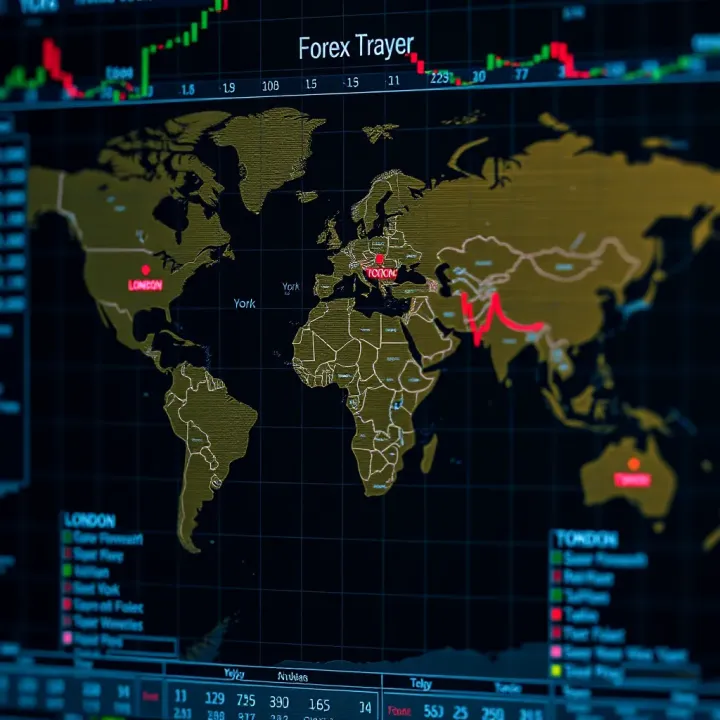
Overlap periods between sessions, especially London/New York and Sydney/Tokyo, see a spike in volume and volatility. More participants lead to dynamic price changes, which can bring profit opportunities but also risk. For example, the London/New York overlap from 13:00 to 17:00 GMT is renowned for increased activity. South African traders should watch these windows closely but ensure solid risk management given the unpredictability.
Timing trades around these sessions and overlap periods can be the difference between hitting targets and getting caught on the wrong side of the market.
In short, understanding the forex calendar’s flow helps you trade smarter, not harder, by aligning your activity with when the market is most responsive. This means better entries, exits, and managing risk effectively within South Africa’s local trading practicalities.
Economic events play a significant role in shaping forex market movements. These events provide traders with concrete data that often drives currency volatility, and understanding when to expect these reports is essential. For instance, knowing when a central bank will announce interest rate changes or when a major economy releases its inflation data can prepare you to anticipate market shifts rather than be caught by surprise.
Interest rate decisions shape the cost of borrowing and are arguably the most watched driver of currency strength. When a central bank adjusts rates, it influences everything from consumer spending to foreign investment flows. For example, if the US Federal Reserve raises rates, the US dollar often strengthens as higher yields attract capital. Forex traders monitor these announcements closely to position themselves ahead of potential swings.
Inflation reports measure how fast prices are rising in an economy, signalling purchasing power and potential policy actions. In South Africa, the Consumer Price Index (CPI) data release can lead to sharp rand movements. When inflation spikes above the target, traders may expect a SARB rate hike, supporting the rand. Conversely, low inflation might hint at rate cuts or cautious monetary policy.
Employment data offers insight into the health of a labour market and consumer strength. For example, the US non-farm payrolls report is notoriously volatile, often triggering brisk moves in USD pairs. In South Africa, unemployment stats are watched for their social and economic implications, impacting investor sentiment towards the rand and related assets.
GDP releases reveal the overall economic growth or contraction, reflecting business activity levels. A strong GDP figure involves better prospects for a currency, as it suggests a robust economy. Traders track quarterly GDP reports from major economies and South Africa alike, using these to gauge trends and adjust positions accordingly.
The South African Reserve Bank (SARB) announcements on interest rates and monetary policy set the tone for rand traders. SARB has a history of adjusting rates to balance inflation and growth, so its statements often cause rand volatility. Traders in Mzansi keep a close eye on these gatherings, particularly when global economic pressures or local issues like loadshedding threaten stability.
GDP and inflation figures in South Africa provide a snapshot of economic health. If GDP shrinks or inflation unexpectedly rises, the rand tends to react quickly, as investors reassess risks. For example, GDP contraction might dampen investor confidence, causing rand sell-offs, while steady inflation figures can support the SARB’s hawkish stance.
Reports on labour and mining sector updates matter because these sectors are key to South Africa’s economy. Labour unrest or strikes in mining often disrupt supply chains and export earnings, resulting in rand swings. For instance, a prolonged mining strike can reduce export volumes, pressuring the currency downward.
Political events influencing the rand, such as cabinet reshuffles or policy announcements, often trigger market jitters. In SADC and the broader region, political stability is closely linked to investor confidence. A sudden political change can lead to increased rand volatility, which traders need to factor into their risk management plans.
Effective forex trading hinges not just on understanding market hours but also on recognising when economic events will stir the pot. By tracking key indicators and local developments, you can better anticipate moves and tailor your trading strategy to the market’s rhythm.
This practical awareness allows South African traders to navigate both global and local economic releases confidently, minimising risks and seizing opportunities when they arise.
Planning your trades around the forex trading calendar provides a strategic edge that goes beyond guesswork. By understanding when markets open and close, and knowing when key economic events take place, you can position yourself better to catch favourable price movements and avoid unnecessary risks. Especially for South African traders dealing with the rand (ZAR), syncing your trades with market hours and economic updates can make a noticeable difference in outcomes.
Forex is open 24 hours, but not all hours are created equal. Major market sessions—like London or New York—usually offer higher liquidity and tighter spreads. For instance, trading the rand during the London session often brings more activity since it overlaps with South Africa’s working hours. Choosing these times means you can enter and exit trades more efficiently without being caught in wide price swings or thin markets.
Markets tend to be quieter during the Asian session or late on Fridays when major players wind down. During these times, price movements can be sluggish, making it tough to catch meaningful trends. Conversely, during overlap periods, such as when London and New York sessions run together, increased trading volume can lead to rapid price changes. Knowing when these quiet and busy periods fall on your calendar helps you decide whether to trade actively or sit out and avoid potential whipsaws.
South African traders face unique challenges like loadshedding that can disrupt internet connectivity and power supply. Planning trades around your local schedule and setting alerts for market openings or major releases can help buffer against unexpected blackouts. Using mobile data backups or even solar-powered chargers can keep you connected during those crucial moments. It’s a good idea to avoid placing trades last-minute during known load-shedding periods to prevent being stuck without access to your trading platform.
News like SARB interest rate decisions or US non-farm payroll figures often cause sharp, unpredictable moves. It’s best to check the forex calendar ahead and decide on your game plan—whether you close positions beforehand or widen stop-losses to manage risk. For example, the rand can react strongly to South African inflation reports, so knowing that release date means you won't be caught on the wrong foot.
Several online platforms offer real-time forex calendars, complete with event impact levels, countdowns, and alerts. Apps like MyBroadband or global tools like Investing.com can notify you about upcoming economic indicators or central bank speeches. Selecting a tool that syncs to South African time (SAST) helps you stay organised without having to convert time zones in your head.
When big news hits, volatility spikes and spreads widen, meaning trades can trigger stop-losses unexpectedly. Using the calendar to anticipate these moments allows you to scale back trade size or even pause trading briefly. Setting clear stop-loss and take-profit levels customised for high-volatility ensures you protect your capital while still being able to catch good opportunities.
Using the forex trading calendar isn’t just about marking dates—it's about integrating that knowledge into your daily routine to trade smarter, safer, and with more confidence. Whether you’re working around local challenges like loadshedding or gearing up for critical economic releases, the calendar is an essential tool in your trading arsenal.
Understanding how to integrate the forex trading calendar with South African realities gives traders an edge. It’s not just about knowing when big banks or economic centres open; it’s also about adapting to local factors such as the behaviour of the rand (ZAR), technology access, and practical challenges like loadshedding. This approach helps you spot the best trading windows, anticipate volatility, and manage risk better.
The rand is known for its higher volatility compared to currencies like the US dollar or euro. This is partly because South Africa’s economy is closely linked to commodity prices and local political developments. For example, mining sector updates or SARB (South African Reserve Bank) policy announcements can cause sharp moves. This volatility means that trading ZAR pairs can offer more opportunities but also more risk. It’s vital to understand the typical spikes around key events and during specific trading sessions.
Rand trading tends to be liveliest during overlapping trading hours of the London and New York sessions. This is between 2 pm and 6 pm SAST when both international markets operate concurrently. Liquidity improves, spreads tighten, and price movement becomes more predictable. However, early morning sessions can see less activity, sometimes causing erratic moves better avoided. Knowing these hours helps you plan trades without chasing unpredictable gaps.
Events far beyond South Africa’s borders often impact the rand. For instance, US Federal Reserve interest rate decisions or European economic reports can sway ZAR pairs as global investors adjust their exposure to emerging markets. By monitoring these international happenings via your forex trading calendar, you can anticipate when the rand might react. This way, you avoid surprises triggered by news outside local context but critical to ZAR.
South African traders benefit most from platforms that update economic calendars in real time and cater to local time zones. Websites like Investing.com or the economic calendar tools on broker platforms such as IG Markets or Standard Bank’s trading app provide accurate schedules. Choosing reliable services reduces the risk of missing important announcements that impact your trades.
Data prices and internet stability can affect how promptly South African traders access calendar updates. While major centres have good fibre connections, rural areas or smaller towns rely on mobile data, which may be limited or costly. Traders should consider lightweight apps or periodic checking strategies to manage data costs without losing critical information.
Modern trading relies heavily on combining mobile and desktop setups. Many traders keep an eye on the economic calendar via mobile apps during daily commutes but switch to desktop platforms for in-depth analysis. Apps with push notifications for calendar updates help you react quickly, especially in volatile periods. This dual approach balances convenience with detailed market insight.
Adapting the forex trading calendar to South Africa’s unique market and technological conditions helps traders make smarter decisions and manage risks in a way that suits local realities.
🌍 Learn forex trading basics, market operation, strategies, and risk management. Perfect for beginners in South Africa and worldwide ready to trade confidently!

📈 Explore forex trading in Johannesburg with insights on regulations, tools, and strategies for South African traders. Boost your skills and trade smart!

📊 Explore different forex trading systems, strategies, automation tools, and risk management tips. Stay informed and make smarter trades in the forex market!
📈 Understand forex trading signals, how they guide currency buy/sell decisions, their types, reliability, and practical tips to enhance your trading success.
Based on 8 reviews