

Key Functions of Risk Management Explained
Explore how risk management helps identify, assess, control, and monitor risks for smarter decisions and smoother business operations in South Africa 🇿🇦📊
Edited By
Emily Hart
Financial risk management certification offers a solid way for South African professionals to sharpen their skills in identifying, assessing, and managing financial risks. Whether you're a trader, investor, broker, analyst, or business owner, this qualification can provide practical tools tailored to both global standards and local market conditions.
These programmes cover key areas like market risk, credit risk, operational risk, and regulatory compliance—topics essential in South Africa’s dynamic financial landscape. For example, understanding how currency fluctuations between the Rand and the US dollar affect investments or how to navigate credit risk in the retail sector amid economic shifts can directly benefit your decision-making.

Local recognition matters. Certifications from international bodies like the Global Association of Risk Professionals (GARP) or the Professional Risk Managers' International Association (PRMIA) are widely respected here, but it’s equally important to consider how well these align with South African regulatory frameworks, including the Financial Sector Conduct Authority’s (FSCA) requirements.
A financial risk certification is not just a document; it’s a practical step towards mastering risk in real South African markets where factors like loadshedding, exchange volatility, and regulatory changes play a daily role.
Cost-wise, typically, you might expect to invest between R15,000 and R40,000, depending on the provider and whether you choose online or in-person learning. Preparation demands commitment, often involving comprehensive study of risk models, statistical methods, and case studies relevant to South African contexts.
Lastly, the payoff usually goes beyond just the certificate. Many use it to boost their CVs, negotiate better salaries, or step into more strategic roles within banks, asset managers, or corporate finance teams. Given the country’s economic ups and downs, being equipped to manage financial risk is a career boost that pays off.
Overall, a financial risk management certification provides both practical knowledge and credibility, helping you navigate South African financial markets with confidence and foresight.
Financial risk management certification plays a key role for professionals navigating South Africa’s complex economic and financial environment. With local challenges like market volatility, fluctuating exchange rates, and regulatory shifts, understanding this certification helps traders, investors, brokers, analysts, and entrepreneurs grasp how to spot, assess, and mitigate financial risks effectively. The certification sets a clear benchmark of skills, helping you stand out in a competitive job market while improving practical decision-making.
Financial risk management certification formally recognises expertise in identifying and handling the various risks that can affect financial performance. This includes learning to quantify risks, implement control measures, and comply with South African regulatory frameworks such as the Financial Sector Conduct Authority (FSCA) guidelines. For example, a certified risk manager working at an investment firm will be guided by these frameworks to manage credit risk in loan portfolios, reducing potential losses.
The purpose is not just to tick boxes but to equip professionals with the knowledge and tools to safeguard their organisations from financial shocks. Certification shows your commitment to industry best practices and ongoing learning, which employers value highly. It often serves as a passport to roles that require a deep understanding of risk, such as portfolio management, treasury functions, or compliance.
Financial risk management is about anticipating trouble before it hits, not just reacting once problems arise.
The certification covers several vital areas that build your capacity to handle real-world risks. These core skills include:
Risk Identification and Measurement: Learning how to spot different types of risk (market, credit, operational) and measure their potential impact using models tailored to South African markets.
Quantitative Techniques: Applying statistical methods and software to analyse data, forecast scenarios, and stress-test financial positions.
Regulatory Knowledge: Understanding local compliance rules and how they affect risk policies — for example, the Protection of Personal Information Act (POPIA) impacts operational risk management.
Risk Mitigation Strategies: Developing practical steps to minimise risk, such as diversification, hedging with derivatives, or setting risk limits.
Communication Skills: Presenting risk assessment results clearly to stakeholders, including non-specialists.
A practical case might involve an analyst using value-at-risk (VaR) techniques to evaluate an equities portfolio's exposure during uncertain volatile sessions on the JSE. Mastering these competencies allows professionals to tailor risk management frameworks to their company’s needs—whether it’s a bank, asset manager, or a corporate treasury function.
Understanding these elements prepares you to take on financial risks confidently, anticipate potential pitfalls, and add real value in your role. This foundational knowledge is the stepping stone to more advanced certifications and career opportunities within South Africa’s growing finance sector.
Understanding the main financial risks is a key part of any risk management certification. These risks shape the decisions traders, investors, brokers, analysts, and entrepreneurs make daily. Grasping how to identify and respond to these threats adds real value to your role and safeguards businesses against avoidable losses.
Market risk involves potential losses from shifts in market prices such as shares, interest rates, or foreign exchange rates. For example, a Gauteng-based investment firm holding Rand-denominated stocks can face sudden turmoil when Rand weakens sharply against the dollar due to global events. Certification teaches you how to measure these risks, often using tools like Value at Risk (VaR), and how to diversify portfolios to cushion volatility.
Credit risk, on the other hand, deals with the failure of borrowers to meet their obligations. Picture a retailer extending significant credit to suppliers but running into cash flow trouble during loadshedding periods—this risk needs managing through credit assessments and limits. Learning to assess creditworthiness and use instruments such as credit ratings or collateral effectively is a practical skill covered extensively in certification.
Operational risk stems from internal failures—whether system glitches, human errors, or fraud. Think of a financial services company in Cape Town facing a cyber-attack disrupting their trading platform, or power outages causing delays in execution. These real-world instances highlight why containment plans and strong control environments are part of certification curricula.
Liquidity risk relates to the ease or difficulty of converting assets to cash without losses. During times of market stress, even usually liquid assets might become hard to sell, forcing businesses into unfavourable prices. Risk certification teaches methods for liquidity forecasting and stress testing to prepare for such crunch moments.
South Africa’s financial sector operates under a strict framework, from the Financial Sector Conduct Authority (FSCA) to the South African Reserve Bank. Non-compliance exposes companies to severe penalties and reputational damage. Certification covers how to stay on the right side of laws like the Financial Intelligence Centre Act (FICA), Prevention of Organised Crime Act (POCA), and banking regulations.
For example, understanding how changes in exchange control regulations affect cross-border transactions is crucial for multinational traders. Mastering these policies means you can advise your company with confidence and avoid costly oversights.
Financial risk management certification equips professionals to not only identify these risks but also apply practical tools to anticipate and mitigate them in the complex South African market.
Being well-versed in these risk types creates a strong foundation for making informed decisions, reducing surprises, and building resilience in your career and business. From the Johannesburg Stock Exchange (JSE) market swings to managing credit exposures during tough economic cycles, this knowledge turns challenges into manageable tasks.
Having the right certification does more than just boost your CV; it signals to employers and clients that you’re serious about managing financial risk professionally. The reputation and recognition of a certification often hinge on the accrediting body and how widely it’s accepted. For South African professionals, selecting certifications and providers respected both locally and internationally is key to opening doors in various finance sectors — from investment firms in Sandton to risk management roles in JSE-listed companies.
The FRM certification, offered by the Global Association of Risk Professionals (GARP), is one of the most recognised qualifications for risk professionals worldwide, including South Africa. It’s especially respected in roles dealing with market, credit, and operational risks, making it a solid choice if you want to work with banks, asset managers, or insurance companies operating locally and overseas. The exam covers practical skills like quantitative analysis and risk modelling, which help professionals make better-informed decisions under volatility — quite relevant given how variables like rand fluctuations and loadshedding can impact financial markets here.
Passing the FRM exams signals that you can identify, assess, and manage various financial risks effectively. South African firms increasingly favour this qualification to benchmark their risk teams, especially as regulatory demands gain complexity with frameworks like Basel III and twin peaks regulation. It’s not uncommon to see FRM holders advancing quickly in compliance, treasury, and risk analytics roles.
The PRM, awarded by the Professional Risk Managers’ International Association (PRMIA), offers an equally thorough approach but leans more towards integrating risk management into strategic decision-making and corporate governance. It appeals particularly to those looking at a broader risk viewpoint, including operational risk and enterprise risk management across different sectors.
PRM’s framework aligns well with South Africa’s evolving business landscape, where organisations seek professionals who understand not just financial risk but also how it fits into overall business resilience. Its modular exams let candidates specialise or pace their studies to balance work commitments, which suits many busy risk managers here.
Holders of the PRM designation are often found in roles that connect risk with business objectives, for instance, as senior analysts or risk consultants advising companies on navigating economic uncertainty and regulatory compliance.
South Africa has customised training providers that prepare candidates for these global certifications while factoring in local nuances. Institutions in Johannesburg, Cape Town, and Durban offer courses tailored to risk management certification — blending international theory with South African economic context, like managing risks amid fluctuating commodity prices or addressing credit risk in township economies.
Some centres also collaborate with universities, providing recognised credits or offering additional networking opportunities with risk professionals in the country. This helps learners not only gain certification but also build connections that prove invaluable when scouting job options in Mzansi’s financial or corporate sectors.
Choosing the right certification and provider can make a real difference — ensuring that your qualification stays relevant and recognised both in boardrooms here and abroad.
Achieving a financial risk management certification offers tangible advantages tailored to the realities of South Africa’s financial sector. It equips professionals with skills and recognition that directly influence career paths and workplace effectiveness.
In South Africa’s competitive finance market, holding a recognised certification like the FRM or PRM can set you apart. Employers value these credentials when hiring for roles in banks, asset management firms, insurers, and even governmental bodies. For example, a certified risk manager might be preferred over others for positions analysing credit risk amid high non-performing loans in the local banking sector. This certification often leads to salary improvements or faster promotions because it signals specialised knowledge and commitment.
Furthermore, with Eskom-related uncertainties affecting market and credit risk, professionals who can anticipate and mitigate these risks become invaluable. The demand for such experts is growing, especially in Johannesburg and Cape Town financial hubs.
Certification programmes concentrate on practical risk assessment tools, including quantitative methods and scenario analysis, which sharpen decision-making. For instance, a trader well-versed in operational risk can better adjust strategies during volatile periods, such as sudden rand fluctuations or unexpected regulatory changes.
Having a structured approach to risk not only reduces the likelihood of costly errors but fosters confidence in managing portfolios or advising clients. South African professionals can apply these skills when navigating sector-specific risks, like mining volatility or currency exposure, helping safeguard investments and company resources.
Clients and employers often view certification as a seal of trust. A professional with recognised risk credentials demonstrates that they follow industry standards and ethical practices, a significant differentiator in South Africa’s financial environment where compliance with the Financial Sector Conduct Authority (FSCA) and other bodies is critical.
Being certified reassures stakeholders you understand both global best practices and local market nuances. This boosts your professional reputation, making it easier to build relationships, negotiate deals, or secure advisory mandates.
In a landscape shaped by economic shifts and regulatory demands, a financial risk certification is more than a paper qualification—it’s a visible commitment to mastering complex, real-world challenges.
Getting ready for a financial risk management certification is more than just signing up and showing up on exam day. It’s about knowing the prerequisites, finding the right study materials, and keeping your knowledge fresh with continuous learning. Being well-prepared helps you avoid surprises and sets you up for success, especially in South Africa where the financial landscape can be quite dynamic.
Most recognised financial risk management programmes require candidates to have a solid educational background and some work experience. For example, the Financial Risk Manager (FRM) certification usually expects a degree in finance, economics, or a related field — but it also accepts candidates with substantial professional experience. Some local providers might have slightly different requirements, so checking with your chosen institution is key.
Having a few years’ experience in trading, investment analysis, or risk management gives you a real edge. It’s one thing to study theory, but being familiar with South African market conditions, regulatory changes by the FSCA (Financial Sector Conduct Authority), or even the impact of Eskom load shedding on liquidity risk adds practical flavour to your learning.
Preparation materials vary widely. Providers like the Global Association of Risk Professionals (GARP) for FRM and the Professional Risk Managers' International Association (PRMIA) for PRM offer comprehensive study guides, practice questions, and online courses. South African training centres often supplement these with local context workshops.
Exams are typically split into parts covering quantitative analysis, market risk, credit risk, operational risk, and risk management practices. The FRM exam, for instance, is split into two parts taken at different times, with a mix of multiple-choice and problem-solving questions. The structure rewards those who understand concepts clearly, not just those who memorise.
Creating a study schedule that fits around your work and family commitments is crucial. Some candidates find weekend classes or evening sessions helpful, while others prefer self-study with online support forums.
Certification isn’t a once-off mark on your CV — it requires continuous learning. Most programmes expect certified professionals to engage in Continuing Professional Development (CPD). This might mean attending workshops, webinars, or completing refresher modules.
In South Africa, CPD helps professionals stay sharp on local developments, such as changes in the JSE regulations, shifts in interest rates by the SA Reserve Bank (SARB), or evolving compliance standards related to POPIA (Protection of Personal Information Act). Plus, CPD keeps your certification valid and demonstrates your commitment to maintaining high standards.
Staying current isn’t just about ticking boxes; it’s about ensuring your risk management skills reflect the latest realities both globally and here at home.
In short, preparing for your financial risk management certification means checking entry requirements carefully, choosing study resources that blend global knowledge with South African realities, and committing to ongoing learning that keeps you a step ahead in your career.
Explore how risk management helps identify, assess, control, and monitor risks for smarter decisions and smoother business operations in South Africa 🇿🇦📊

🔍 Explore diverse risk management frameworks to identify, assess, and reduce business risks effectively. Learn how to align with governance for strong protection.
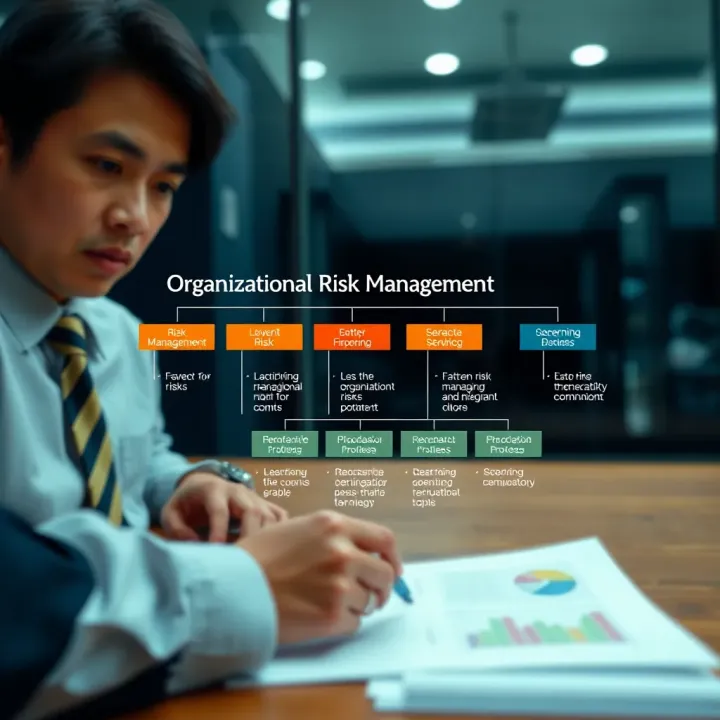
Learn to manage risks effectively by identifying, assessing, planning, and monitoring them. Stay in control and reduce potential pitfalls with clear strategies ✅📊
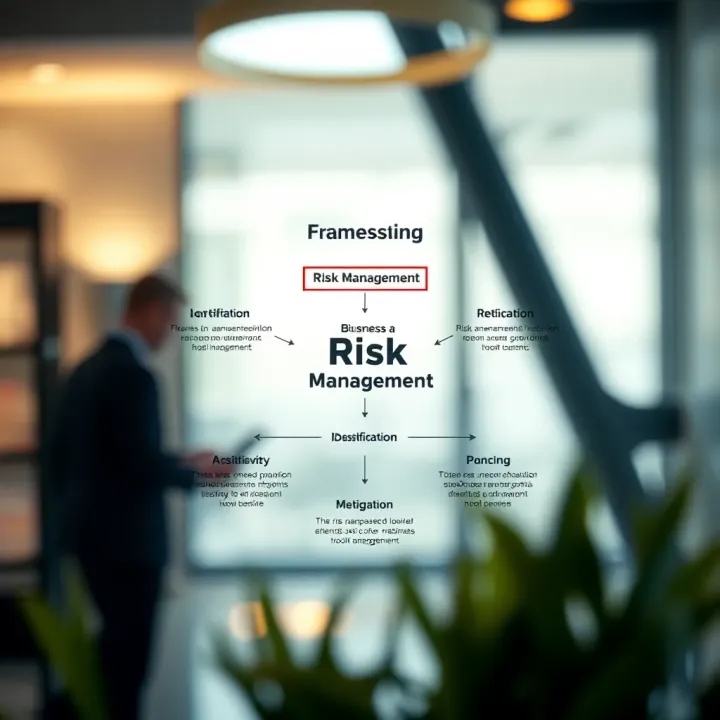
Explore why effective risk management is vital for South African businesses 🇿🇦. Learn how to navigate challenges and make smarter decisions for lasting success 📊.
Based on 6 reviews