
Choosing the Right Free Forex Trading App in South Africa
Explore the best free Forex trading apps in South Africa🇿🇦. Compare features, security, and costs💰 to find your ideal trading companion📱.
Edited By
Isabella Greene
When hunting for the best forex trading app in South Africa, understanding the local market context helps you avoid pitfalls and make smart choices. The South African forex scene blends global influences with specific rules that keep your trading safer.

The Financial Sector Conduct Authority (FSCA) is the watchdog overseeing forex trading in South Africa. Using an FSCA-regulated app means your money and data have legal protection. Apps without this oversight might offer flashy features but carry higher risks.
A solid forex app should offer:
Real-time price feeds: Currency prices can change fast, so instant updates prevent costly delays.
User-friendly interface: Even veteran traders prefer clean layouts over clutter that slow down decision-making.
Order types and execution speed: Support for market, limit, and stop orders helps you manage risks effectively.
Technical analysis tools: Charts, indicators, and drawing tools enable smarter entries and exits.
Local payment options: Look for apps that accept South African banks or popular digital wallets to make deposits and withdrawals easier.
Mobile apps are often a target for hackers. The top forex apps use two-factor authentication (2FA), encryption, and secure servers. Before trusting any app, check if it regularly updates security features and has positive customer reviews about safety.
Mobile trading puts the market in your pocket, but sometimes less is more. Apps that allow setting price alerts, customizable dashboards, and one-click trade execution help you act swiftly without getting overwhelmed.
Remember: No app can guarantee profits. The goal is to have a tool that supports your strategy, offers solid protection, and fits your trading style.
Choosing the right forex trading app means balancing safety, usability, and features. South African traders benefit from sticking to FSCA-regulated platforms with proven track records and native payment methods. That way, you’re not just trading currencies—you’re trading with confidence on your phone.
Forex trading has become a popular way for South Africans to engage with global financial markets right from their smartphones. Getting a clear picture of how forex trading works locally helps traders avoid costly mistakes. It’s not just about picking a good app but understanding the basics of currency trading, plus the rules and protections in place.
Forex trading means buying one currency while selling another simultaneously. You’re basically betting on the rise or fall of exchange rates between currency pairs like USD/ZAR (U.S. Dollar to South African Rand) or EUR/USD (Euro to U.S. Dollar). Unlike stocks, forex trades run 24 hours during the week across different time zones – that’s a big draw for active traders.
In practice, if you think the rand will weaken against the dollar, you’d buy USD/ZAR expecting to sell it later at a profit. However, forex is risky, and fluctuations can be lightning-fast. Knowing your market fundamentals and economic events, like South Africa’s GDP reports or Federal Reserve announcements, can give you an edge.
The FSCA regulates financial markets and services in South Africa, including forex trading. Its job is to make sure brokers and trading platforms operate honestly and transparently. If a forex app is registered with FSCA, it means it’s been vetted for compliance with local laws and client protection standards.
The FSCA doesn’t eliminate risk but helps reduce fraud and scams. For example, unauthorized operators often promise unrealistic returns, then vanish with clients’ money. Checking for FSCA licensing protects you from such pitfalls and ensures your funds are held separately from the broker’s assets.
Regulation shapes how forex apps operate in South Africa. Licensed brokers must follow strict rules on transparency, like clearly showing fees and risks. They’re also required to provide negative balance protection, meaning you can’t lose more than your deposited funds.
Because of these rules, regulated apps tend to offer fairer trading conditions and stronger data security. Unregulated apps might be tempting due to flashy features or bonuses, but the lack of oversight makes them riskier. So, when choosing a forex app, looking for FSCA regulation should be a top priority.
Always confirm a broker’s FSCA license by searching the official FSCA register before funding your trading account.
Understanding the local trading environment and legal framework sets the foundation for smart forex trading in South Africa. It’s the first checkpoint before exploring app features, cost structures, and usability in your search for the ideal trading platform.
Choosing the right forex trading app isn’t just about picking the flashiest interface or the one with the fanciest ads. In South Africa’s fast-moving forex scene, certain features can make a world of difference to your trading success. These features shape how easily you can trade, how fast your trades execute, and how protected your investments are.
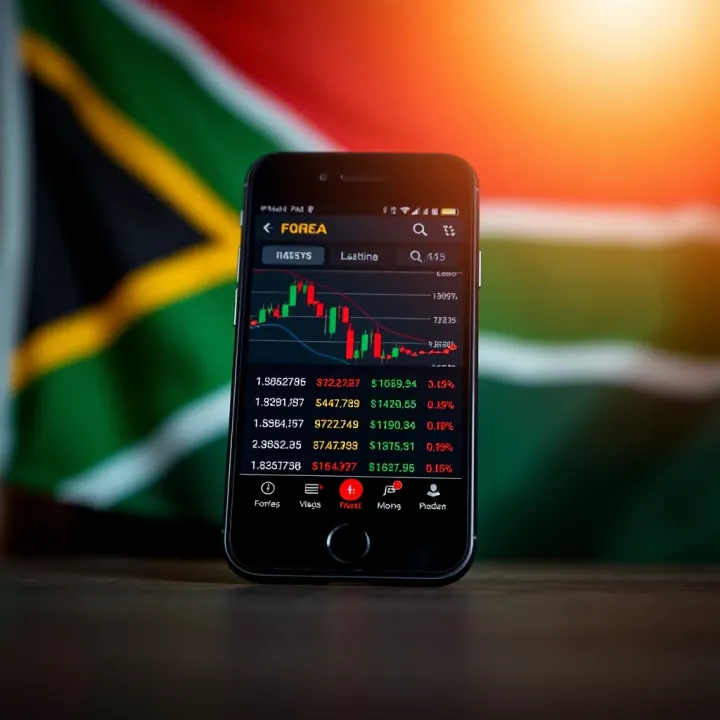
A clean, straightforward user interface is critical. It’s easy to get overwhelmed with charts and numbers, so an app should organize information clearly and let you place trades without jumping through hoops. For example, ThinkTrader offers customizable dashboards that let you highlight your favorite currency pairs right up front. If you’re new to forex, look for apps with simple layouts and clear navigation to avoid costly mistakes made in a confusing environment.
Speed can be the difference between a profitable trade and a missed opportunity. The best apps respond quickly to your commands, executing trades nearly instantly. Plus, having smart order types like stop-loss, take-profit, and limit orders built-in allows you to manage risk better and lock in profits without babysitting the market all day. IG Trading, for instance, prides itself on low-latency execution, which is a big plus when markets jitter.
Forex trading isn’t just about major pairs like EUR/USD or USD/ZAR. Some apps offer access to exotic pairs and cross-currency options that might fit specialized strategies. Also, check if the app allows trading outside regular hours or access to other markets like commodities or indices, giving you flexibility to diversify.
Strong charting tools are a must-have. They should offer multiple chart types, plenty of technical indicators, and drawing tools. A trader using MetaTrader 4 or 5, for example, can analyze price movements with advanced indicators like Fibonacci retracements or Bollinger Bands directly within the app. Access to these tools helps you spot trends and timing better.
Trading apps must protect your personal info and funds. Features like two-factor authentication, encryption of data, and secure payment gateways aren’t optional. South African traders should ensure the app complies with local regulations and uses globally recognized security standards. MetaTrader apps, for example, encrypt data between your device and the server, reducing risks of interception.
Responsive customer support can save your skin during stressful trading moments. Look for apps providing live chat, email, or phone support operating during South African market hours. Additionally, resources like tutorials, webinars, and news feeds integrated into the app, as Plus500 does, help traders sharpen their skills and stay informed about market-moving events.
The bottom line is: a good forex app combines speed, ease, security, and support. These key features shape how confidently and efficiently you can navigate the forex markets right from your phone or tablet.
By zeroing in on these features, traders in South Africa can pick platforms that best suit their trading style and goals, avoiding common pitfalls and making the most of their investment opportunities.
For traders in South Africa, picking the right forex trading app can make or break your experience. These apps act as your gateway to the forex market, offering access to trading pairs, market news, order execution, and analysis tools all in one place. Choosing an app that aligns with your trading style, budget, and security expectations is essential. By examining popular platforms locally, you get a clearer picture of what's reliable and competitive.
MetaTrader 4 (MT4) and MetaTrader 5 (MT5) remain industry staples for forex traders. MT4 is renowned for its simplicity and high customizability, making it ideal for beginners and experienced traders alike. Its wide range of technical indicators and automated trading capabilities lets users backtest strategies and run Expert Advisors. MT5 builds on this foundation by adding more asset classes like stocks and futures, along with economic calendars and depth-of-market data — handy tools for traders wanting a broader scope.
In South Africa, many brokers support MT4/MT5, offering access to a wide array of currency pairs and competitive spreads. These apps also benefit from strong community support for custom scripts and indicators which can enhance your trading edge.
IG Trading stands out as a veteran in online trading with a solid reputation for regulation and transparency. Their mobile app offers tight integration with their desktop platform, ensuring continuity in your trading workflow. South African users benefit from a vast selection of forex pairs, along with CFDs on commodities, indices, and cryptocurrencies.
One feature that sets IG apart is its educational content and market analysis, helping traders keep pace with global events. Their pricing model includes competitive spreads, and the app's intuitive layout makes executing trades straightforward for both new and seasoned traders.
ThinkTrader is gaining traction for its rich charting tools and user-friendly experience designed for more active or technical traders. The app supports advanced order types, multiple chart views, and real-time news, which are vital for making timely decisions. It also provides access to over 1,000 instruments, including a broad mix of currency pairs.
The platform’s social trading feature enables users to follow and copy top traders, which can be practical if you want to observe or mimic expert strategies while honing your skills.
Plus500 caters to traders who prefer a straightforward, no-frills approach. Its app is streamlined with clear navigation, focusing on essential functions without overwhelming users. They offer a wide selection of forex pairs and CFDs, with no commissions — revenues come from spreads.
For South African traders looking to trade on margin, Plus500 provides customizable leverage options. The platform also includes risk management tools like stop loss and guaranteed stop orders, helping protect capital in volatile markets.
Fees vary widely between apps, primarily through spreads and commissions. MetaTrader platforms depend on the broker's pricing, with some offering commission-free accounts charging slightly wider spreads, while others charge tight spreads plus a small commission per trade. IG Trading tends to offer tighter spreads with low commission fees.
ThinkTrader and Plus500 typically use wider spreads, but Plus500 advertises commission-free trading. It’s worth comparing how overnight financing fees and inactivity charges apply to each app — these smaller costs add up over time.
Smooth execution and app stability are non-negotiable. MetaTrader apps are known for their reliable execution and non-crashing interfaces — important when markets move fast. IG Trading’s app runs well across both iOS and Android, with quick order placement and reliable chart responsiveness.
ThinkTrader’s resource-heavy charts sometimes lag on older phones, so make sure your device can handle it. Plus500 emphasizes simplicity, generally performing well even on lower-end smartphones.
When choosing a forex app, weigh fees against performance and ease of use. A platform that fits your trading style and runs smoothly on your phone will keep you competitive in the market.
Bottom line, take advantage of demo accounts each app offers. Testing firsthand helps you spot quirks before risking real money.
Security should be at the forefront when choosing a forex trading app in South Africa. With rising digital threats and scams, understanding how to protect your funds and personal data can save you from costly mistakes. A solid app not only safeguards your money but also offers you peace of mind while trading.
Forex scams mainly target inexperienced traders by promising guaranteed returns or insider tips. One common trick is fake apps that mimic legitimate platforms but steal your login information. Another is phishing emails pretending to be from your broker, asking for passwords or payment details. Traders often fall for Ponzi schemes disguised as forex investments, where early returns are paid using new investors’ money.
To spot scams, be wary of offers that sound too good to be true, like promises of doubling your money overnight. If an app pressures you to trade large amounts quickly or asks for upfront fees without clear explanations, that's a red flag. Remember, no app or trader can guarantee profits in the forex market.
Before downloading, check if the forex trading app is authorized by South Africa’s Financial Sector Conduct Authority (FSCA). Legitimate apps will clearly display their licensing details and provide links to verify their status on the FSCA website. You can also check online reviews and forex forums for any warning signs from other users.
Installing an app from trusted sources like Google Play Store or Apple App Store reduces risks but doesn’t guarantee authenticity. Cross-checking the app developer’s name and rating helps confirm you’re using the right platform. Also, apps backed by well-known brokers like IG or MetaTrader are generally more reliable.
Use strong, unique passwords for your trading account and enable two-factor authentication (2FA) when available. 2FA adds an extra layer by requiring a second verification step, such as a code sent to your phone. Avoid sharing your login credentials or financial information over email or messaging apps.
Be cautious about linking trading apps to your bank or payment platforms. Use payment methods that offer buyer protection, like credit cards or reputable e-wallets such as PayPal. Regularly update your app and device software to patch security vulnerabilities.
Bottom line: Trading safely in forex depends not just on skills and market knowledge but also on how well you guard your personal data and pick trusted platforms. Taking time to verify licensing, recognize scams, and secure your accounts can protect your investments and make your trading experience smoother.
By staying alert, you’ll avoid common pitfalls and focus on what really matters—smart trading.
Trading forex through mobile apps is convenient, but it demands discipline and smart strategies to avoid unnecessary losses. Understanding how to use these apps effectively can make all the difference between consistent success and frustrating setbacks.
Demo accounts let you trade with virtual money, giving you a risk-free way to get familiar with the app’s interface and tools. For example, if you’re trying out MetaTrader 5, practising on its demo platform helps you understand order types without real financial exposure. This hands-on experience builds confidence and prevents costly mistakes when you switch to live trading.
Risk management is key to long-term survival in forex trading. Using app features like stop-loss and take-profit orders helps you maintain control over losses and lock in gains. Suppose you limit your risk per trade to 1% of your trading capital; this discipline prevents a string of bad trades from wiping out your account. Always set daily or weekly loss limits too—these boundaries keep emotions from steering your decisions when markets get choppy.
Forex markets react fast to global events. Many trading apps integrate news feeds or alerts for economic releases, but it pays to supplement with reliable third-party resources like Bloomberg or Reuters. Let’s say the US Federal Reserve announces an interest rate hike; being alerted immediately allows you to adjust your trades accordingly. Keeping current reduces surprises and helps you exploit market moves rather than falling victim to them.
Success rarely happens by accident. Making a habit of analyzing key currency pairs at certain times—say, before the London or New York sessions—and reviewing your trades daily creates a rhythm. This routine fuels disciplined decision-making and spotlights areas for improvement. For instance, reviewing your week's trades every Friday can highlight recurring mistakes and develop your skills systematically.
Bottom line: using forex trading apps wisely goes beyond picking the right platform. Practising with demo tools, managing your risk carefully, staying informed, and having a steady routine all add up to smarter trading with less stress.
Explore the best free Forex trading apps in South Africa🇿🇦. Compare features, security, and costs💰 to find your ideal trading companion📱.
Discover the best trading apps in South Africa 🇿🇦 Learn about fees, security, features & support to pick the right platform for your investing style 📱
📱 Find out how to pick and install secure forex trading apps using APK files, plus tips tailored for South African traders navigating local market conditions confidently.
📈 Learn how to trade forex in South Africa safely and smartly. Understand currency moves, key influencers, and trading tips for local and global platforms.
Based on 13 reviews