

How to Convert Words into Binary Code
Learn how to convert words into binary step-by-step 🧑💻, explore encoding standards, practical tools, and programming tips for clear binary conversion.
Edited By
Isabella Moore
Binary analyzers are essential tools for anyone who deals with raw binary data, especially in fields like software development, cybersecurity, and digital forensics. They help make sense of data that can otherwise look like unintelligible code. In South Africa, where cybersecurity threats and software innovation are on the rise, understanding how binary analyzers work and their practical uses is vital.
At its core, a binary analyzer examines binary files—these could be executables, firmware, or encrypted data packets—and breaks them down to reveal their structure, content, and sometimes behaviour. This process enables developers and security experts to identify vulnerabilities, detect malicious code, or recover lost information.
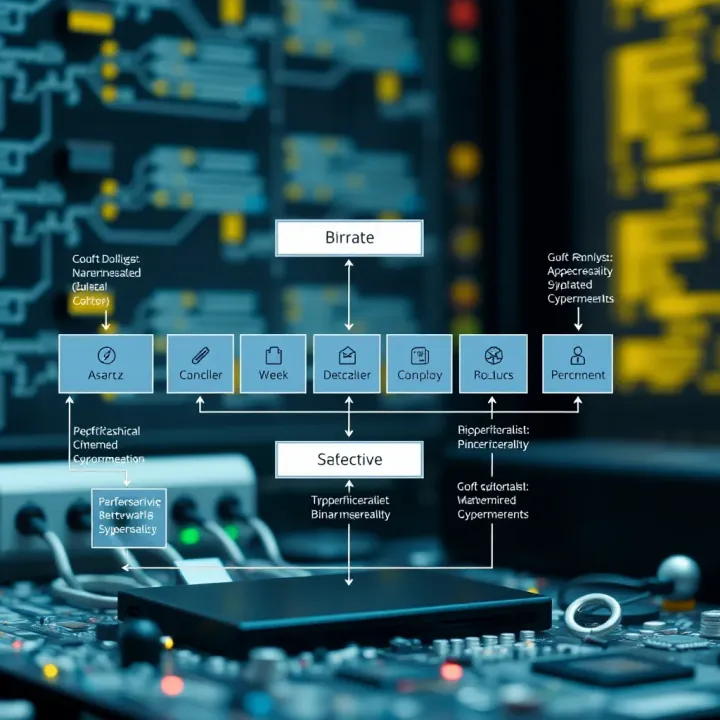
In a world where cyberattacks and data breaches are frequent, using binary analyzers has become as crucial as having antivirus software on your system.
Binary analyzers parse the data at different levels. Some focus on static analysis, inspecting files without running them, which is useful for spotting suspicious patterns or confirming file integrity. Others perform dynamic analysis, observing how the binary behaves during execution, helpful for understanding malicious software or debugging complex applications.
Cybersecurity: Security professionals use binary analyzers to hunt down malware hidden in suspicious files or network traffic. For instance, investigating a ransomware attack often starts by analysing the binary code of the infected software.
Software Development: Developers rely on these tools to debug compiled code when source files are unavailable or to verify third-party libraries for security and compliance.
Data Forensics: Law enforcement and forensic experts analyse binary data from confiscated devices to uncover evidence, decode encrypted files, or trace illegal activities.
Consider a South African fintech startup developing a mobile app. They might use binary analysis tools to ensure their app's security by scanning third-party modules integrated into their software, thus preventing breaches and maintaining user trust.
Understanding binary analyzers equips you to handle complex digital data with confidence and protects your digital assets in an ever-challenging landscape.
Binary analyzers are specialised tools designed to examine binary files, which are the low-level code that computers and applications actually run. Understanding these binaries matters because software developers, cybersecurity experts, and data forensic investigators rely on these tools to interpret raw machine code, identify anomalies, or troubleshoot issues that can’t be spotted in the source code alone.
Understanding binary data structure is fundamental for anyone working with software that runs on a computer or device. Binaries are compiled files—often executables or libraries—that contain machine instructions and data. Internally, these files have a complex structure including sections like headers, code segments, and data segments. Recognising how these pieces fit together helps analysts dissect how a program functions, how it interacts with the system, and whether it behaves as intended.
This understanding is practical because it enables one to read beyond the surface, such as spotting corrupt files causing software crashes or examining compatibility issues from mismatched instruction sets. For example, a developer in JHB might find their application runs fine on a Windows server but stutters on a Linux server due to subtle differences in binary formats.
The purpose of analysing binaries centres on revealing how the software operates under the hood. Since binaries are the final “assembled” form of software, examining them provides insights lost in higher-level source code, which might not be available or reliable. In South Africa’s cybersecurity space, organisations often analyse suspicious binaries to detect malware signatures or understand how a piece of malicious software exploits vulnerabilities.
On the developer side, binary analysis helps ensure software runs as expected after compilation, or assists in optimising performance by identifying bottlenecks at the machine code level. Practical scenarios include checking embedded systems firmware or mobile apps where source code access is limited.
Software debugging and optimisation rely heavily on binary analysis, especially when source code debugging falls short. For instance, a fintech startup in Cape Town might face a situation where their app crashes only on certain devices. Binary analyzers help by letting developers walk through compiled instructions to trace memory leaks or unexpected behaviour.
Also, when developers optimise software for speed or lower power consumption, binary analysis can reveal inefficient instructions or dead code that compilers might miss. Given South Africa’s challenges with power reliability, optimising for efficiency isn’t just sound engineering — it’s practically beneficial.
Malware detection and reverse engineering form another key reason to use binary analyzers. Cybersecurity teams must unpack and decode malicious binaries to understand what damage they could inflict. By scrutinising the executable’s structure and behaviour, experts can identify command and control sequences or hidden payloads.
Consider a scenario where a ransomware strain targets South African businesses causing encrypted data loss. Analysts use binary analysis to dissect the ransomware’s mechanics and develop countermeasures before widespread damage occurs.
Binary analyzers are essential tools bridging the gap between abstract software code and the actual behaviour of programs on real systems. They provide a clear window into how software operates, helping developers troubleshoot, optimise and safeguard digital environments effectively.
This section sets the groundwork for understanding the why and what of binary analysis — crucial for anyone involved with technology today, whether in development, security, or forensics.
Binary analyzers come in different types, each serving a unique purpose. Knowing which type to use depends on the task at hand—be it securing software, rooting out malware, or simply improving a program’s performance. The main types include static, dynamic, and hybrid analyzers. Each offers distinct insights by examining binary data in different ways.

Static binary analyzers inspect code without running it. This means they parse the machine code directly to understand its structure, flow, and possible issues, all without executing the program itself. This is especially handy when testing software where running the code might be risky or impractical, such as analysing malware samples that could harm your system if activated.
One of the big advantages here is speed and safety. Since static analysis doesn’t require launching the code, it can be done quickly and repeatedly, often integrated into development pipelines to catch bugs early. Common static analysis tools include IDA Pro and Radare2, which offer disassembly and pattern recognition. These tools can flag risky functions or suspicious code fragments, making them favourites among developers and security experts alike.
Dynamic binary analyzers monitor a program while it runs, tracking its behaviour in real time. This approach reveals how the binary actually behaves under different conditions, which static analysis can sometimes miss. For instance, certain bugs or security flaws might only show up during specific operations or inputs. Dynamic analysis tools like Valgrind or DynamoRIO help trace memory usage, detect leaks, and identify runtime errors.
Typical use cases include debugging tricky software issues where the code crashes only under certain circumstances, or detecting malicious activity concealed during program execution. In cybersecurity, watching how a suspected malware interacts with the system when executed can reveal critical clues about its functions and intentions.
Combining the strengths of both static and dynamic methods, hybrid analysis provides a fuller picture. It often starts with static analysis to map out the binary’s structure, followed by dynamic analysis to test specific code paths during execution. This pairing allows analysts to pinpoint vulnerabilities not evident from either method alone.
While hybrid approaches boost accuracy, they can also demand more resources and expertise. They’re well suited to complex projects, like assessing new software builds or deeply investigating malware families. The main trade-off lies in balancing thoroughness against time and computing costs. For instance, hybrid analysis might be essential in sectors like finance or telecommunications where security stakes are high, but less critical for smaller, less sensitive applications.
Choosing the right binary analyzer hinges on your specific needs—knowing the landscape of available tools helps you make smarter decisions to protect and improve your software efficiently.
When selecting a binary analyser, understanding its core features is essential. These features determine how efficiently a tool can translate, interpret, and interact with complex binary data — vital for developers, cybersecurity experts, and forensic analysts alike. Let's look at some of the primary capabilities these analysers tend to offer and why they matter.
Binary files are compiled machine code, which humans can't easily understand. Disassembly tools convert these binary instructions into assembly language, revealing the low-level operations occurring inside the program. Decompilation takes this a step further by reconstructing higher-level source code approximations, such as C or C++, from the assembly. This translation is incredibly useful when the original source code isn't available, like when reviewing firmware from South African industrial equipment or analysing proprietary software.
Despite their usefulness, disassemblers and decompilers aren't perfect. Some instructions can be ambiguous or optimised in ways that obscure original intentions. For instance, certain compiler optimisations may inline code or reorder instructions, making the decompiled output harder to follow or error-prone. Analysts should thus treat the results as approximations and supplement them with other analysis techniques to avoid misinterpretation.
Understanding how a program moves between instructions is key to spotting vulnerabilities or bugs. Control Flow Analysis charts the likely paths a program’s execution might take, including loops, conditional branches, and function calls. This feature is invaluable when debugging complex South African enterprise software or tracking anomalous behaviours in malware samples.
Data Flow Analysis tracks how variables and memory locations change over time within the binary. This allows analysts to detect unexpected or malicious data manipulation. For example, in cybersecurity, it helps reveal if sensitive data is inadvertently leaked or maliciously exploited, supporting better defensive strategies against threats targeting South African organisations.
Effective binary analysers often integrate smoothly with well-known development environments and security frameworks. Compatibility with platforms like Visual Studio or JetBrains tools, and collaboration with security solutions such as VirusTotal or open-source IDS systems, enhances workflows and reduces switching time. This is especially beneficial for local businesses that might rely on a mix of global and regional tools.
Automation capabilities in binary analysers help save time by running recurring scans or analyses without manual input. Comprehensive reporting options allow users to generate clear, actionable summaries suitable for stakeholders who may not be deeply technical. This proves handy for South African firms needing to demonstrate compliance or audit trails during inspections or incident reviews.
Choosing a binary analyser with strong core features, tailored to your specific environment and challenges, makes all the difference in uncovering insights and protecting digital assets effectively.
Binary analyzers serve key roles in several practical fields, notably software development, cybersecurity, and data forensics. These tools help dissect compiled programs and unknown binaries to reveal hidden insights, mistakes, or malicious traits that might otherwise go unnoticed.
Finding bugs and inefficiencies is vital when creating or maintaining software. Developers use binary analyzers to spot flaws such as memory leaks or faulty logic that only emerge at the binary level, which might elude source code reviews. For example, in South African fintech startups, this can prevent costly outages or security lapses in trading platforms where seconds count.
Apart from uncovering issues, these tools can trace code paths that are rarely executed, enabling teams to identify dead code or redundant operations. Such insights allow developers to streamline their programmes, improving speed and reducing resources — crucial in environments with limited computing power.
Ensuring compatibility across environments proves another practical edge of binary analysis. South Africa’s tech scene often sees software deployed across diverse hardware and operating systems. Binary analyzers verify whether programs will run smoothly on different machines or if they depend on particular system libraries.
This approach helps avoid nasty surprises post-deployment, such as a banking application misbehaving on older Windows machines or certain Linux distributions popular in local data centres. It also assists in porting legacy systems to new platforms, which many organisations face as they upgrade infrastructure.
In the realm of identifying malware signatures, binary analyzers are indispensable. They dissect suspicious files to detect malicious patterns hidden inside executable code. South African cybersecurity teams rely on such analysis to protect banks, government services, and telecoms from emerging malware that might slip past traditional antivirus filters.
Binary analysis allows experts to recognise the behaviour and structures typical of ransomware or spyware, even if obfuscated. This proactive detection helps organisations dodge data breaches and severe operational disruptions.
Tracing suspicious activity in binaries focuses on understanding unexpected or harmful actions embedded in code. Investigators track back unusual instructions or data modifications that indicate sabotage or unauthorised access.
For instance, a company’s security team might analyse firmware binaries on network gear to hunt for backdoors installed by cybercriminals. This method has helped several South African firms uncover insider threats or advanced persistent threats that standard monitoring missed.
Recovering hidden information often requires digging beneath the surface of binaries. Forensic analysts may extract embedded documents, passwords, or encryption keys concealed within executables or data files.
In South Africa, law enforcement and fraud investigators use these techniques when probing cybercrime cases or financial scams. Recovering traces left in binaries can be a game-changer in building solid evidence trails.
Finally, analysing compromised systems involves studying the binaries found on affected computers to understand how an attack unfolded. This underpins incident response efforts, helping teams plug security holes and prevent reoccurrences.
Binary analyzers reveal how malware interacted with system files or altered configurations, providing a clear picture of the breach’s footprint. This insight is crucial for firms trying to recover operations quickly while strengthening their cybersecurity posture.
Binary analyzers stand out as practical, versatile tools that sharpen the edge of development teams and security professionals alike, especially within South Africa’s complex digital landscape.
By mastering these applications, you can improve software reliability, fight cyber threats, and uncover hidden digital truths efficiently and effectively.
Binary analysis carries its fair share of hurdles, so understanding the key challenges and adopting best practices can save time and resources. In sectors like cybersecurity or software development, stumbling blocks like obfuscation or hefty resource needs can be tough to tackle without solid strategies.
Obfuscated or encrypted binaries are designed to make analysis tricky, often seen in malware trying to hide its real intent. Obfuscation scrambles code flow or disguises instructions, while encryption locks the binary's contents behind cryptographic layers. For practical use, say a cybersecurity analyst in Johannesburg is investigating a suspicious application; encountering these protections means the usual binary analyzer might struggle to make sense of the code, requiring more advanced, resource-heavy tools or manual reverse engineering to reveal hidden functionality.
Besides that, resource demands and complexity can make binary analysis a serious effort. Large binaries might require demanding processing power and memory, slowing down or even halting the analysis. For instance, a developer working with complex industrial control system software may find that their laptop isn’t up to the task, causing delays or forcing reliance on cloud resources. Complex binaries with numerous interconnected modules add to the challenge, requiring experience and robust tools to trace execution paths correctly.
Staying up to date with tools and techniques matters because threats and software evolve rapidly. Analysts and developers in Cape Town or Durban benefit from regularly refreshing their skillsets—be it through workshops, online courses, or following updates on platforms like MyBroadband. Keeping pace with the latest features in tools such as IDA Pro or Radare2 ensures you’re not caught off-guard by new types of obfuscation or binary packing.
Equally vital is respecting privacy and legal boundaries. Binary analysis often touches sensitive data or proprietary software, making compliance with South African laws like the Protection of Personal Information Act (POPIA) essential. Ethical analysts avoid unauthorised reverse engineering or data exposure, especially in forensics or threat assessment. For example, when analysing malware samples or reviewing compromised systems, obtaining proper permissions and securing sensitive information protects both investigators and organisations from legal issues.
Challenges in binary analysis are real, but a mindful approach combining the right tools and strong ethics turns complexity into clear, actionable insights.
Learn how to convert words into binary step-by-step 🧑💻, explore encoding standards, practical tools, and programming tips for clear binary conversion.
Learn how to convert hexadecimal numbers to binary efficiently 🧮. Understand fundamentals, manual and programming methods, plus real-world uses in computing and electronics.

Learn how to convert decimal fractions to binary with clear steps, tips, and examples! Perfect for students and tech enthusiasts in South Africa 🧮💻

Explore the history and impact of the gender binary, cultural influences, and how diverse identities are reshaping society's view on gender 🌍👥🏳️🌈
Based on 5 reviews