
Forex Trading Guide for South African Beginners
📈 Thinking of forex trading in South Africa? Learn how the market works, key players, risks, and practical tips to start confidently with this clear guide.
Edited By
Chloe Richards
Forex trading, or foreign exchange trading, is buying and selling currencies to capitalise on price changes. For South Africans, it offers an accessible way to engage with global markets, thanks to the digital platforms available today. But before diving in, it’s key to understand what you’re dealing with — the basics of how forex works, local regulations, and how to choose a reliable broker.
Unlike the JSE or local property markets, forex operates 24 hours a day, five days a week. This opens opportunities to trade anytime, but it also means the market moves fast. You’ll mostly trade currency pairs, such as USD/ZAR or EUR/USD, where profit hinges on predicting whether one currency will rise or fall against the other.
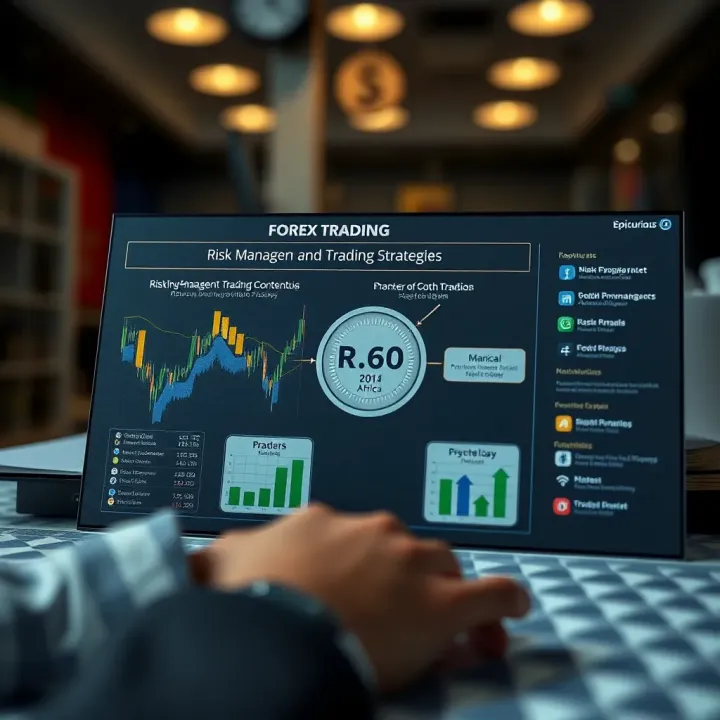
When looking for a broker, South African traders should consider those regulated by the Financial Sector Conduct Authority (FSCA). This watchdog ensures brokers meet standards and comply with laws that protect traders’ funds and trading practices. Beware of offshore platforms without local licence, as they often lack proper oversight.
Risk management is essential. Given forex can be highly volatile, many traders use stop-loss orders to limit losses. Practising with demo accounts before using real money is also a wise move to grasp market dynamics and strategy.
Starting small is smart — consider using a modest amount like R1,000 to test your approach. Watching how currency pairs react during major news events, for example, the SARB’s repo rate announcement, offers practical trading insights.
Staying disciplined, informed, and patient forms the cornerstone of successful forex trading, especially in South Africa’s unique economic environment.
The following sections will walk you through how to pick the right broker, craft risk controls, and develop strategies tuned to your goals and South African market conditions. This guide aims to help you make confident, informed trades without being overwhelmed.
Getting a good grip on how forex trading operates is the bedrock for anyone looking to step into this market, especially in South Africa where local nuances matter. This section drills down into what forex trading really is, how currency pairs function, and the rhythm of market hours and liquidity - all practical bits that help you decide when, what, and how to trade.
Forex trading involves buying one currency while selling another simultaneously. It’s the world’s largest financial market by volume, and trading here means you’re speculating on currency price movements. For instance, you might buy the US dollar expecting it to strengthen against the rand. If your prediction is right, you profit from the change. Importantly, forex trading happens over-the-counter (OTC), meaning it’s not run through a central exchange but rather across a network of banks and brokers.
Currencies are traded in pairs, like ZAR/USD or EUR/USD. Major pairs always include the US dollar and are among the most liquid and widely traded, like USD/EUR or USD/JPY. Minor pairs don’t involve the US dollar but feature other major currencies, such as EUR/GBP or AUD/CAD. Then there are exotic pairs that combine a major currency with that of an emerging or smaller economy, like USD/ZAR or GBP/TRY. These exotic pairs tend to be less liquid and more volatile, which could mean higher risk but also potentially bigger rewards if you navigate them wisely.
Understanding these categories helps you decide where to focus. For example, if you’re new to forex, it’s usually better to start with majors or minors because spreads (the difference between buying and selling prices) tend to be tighter and trading is more stable.
Every currency pair lists a base currency first and a quote currency second. The base currency is what you’re buying or selling, and the quote currency tells you the value of the base currency in terms of itself. Take the pair USD/ZAR: the USD is the base, and the ZAR is the quote. If USD/ZAR is 17.50, it means one US dollar costs R17.50. If the pair rises to 18.00, the rand is weakening; if it falls to 17.00, the rand is strengthening.
This understanding is essential. When you buy USD/ZAR, you’re buying dollars and selling rands; when you sell USD/ZAR, you’re selling dollars and buying rands.
Forex is open 24 hours a day during weekdays because it operates across global time zones, starting in Sydney and ending in New York. Liquidity peaks during overlaps of major trading sessions, like when London and New York markets run together, creating more trading opportunities and sometimes better pricing. For South Africans, being aware that the peak trading hours typically align with our afternoon and evening can help plan your trading calendar more effectively.
Liquidity affects spreads and volatility – higher liquidity often means tighter spreads, making trades less costly. Low liquidity periods can see sudden price swings, so you may want to avoid trading then.
Knowing when the market moves most and how currency pairs behave equips you to make smarter calls and avoid being caught off guard by sudden swings. This foundation sets you up for managing risks, picking brokers, and developing strategies later on.
Starting out in forex trading in South Africa requires careful planning, especially with the local market nuances and regulatory environment. Knowing how to pick a broker, understanding account options, and getting familiar with funding methods are essential steps before you place your first trade. These basics not only protect your capital but also boost your chances of trading successfully.
South African traders face a choice between locally regulated brokers and international ones. Locally regulated brokers, overseen by the Financial Sector Conduct Authority (FSCA), offer greater peace of mind through regulatory safeguards and dispute resolution support within South Africa. For instance, using a broker with FSCA oversight means your money is held in segregated accounts, reducing risk in case of broker insolvency.
On the other hand, international brokers often provide access to a wider range of currency pairs, lower spreads, or higher leverage. However, these brokers may not adhere to local rules, which can complicate recourse if issues arise. Traders should weigh the benefits of broader offerings against potential regulatory risks and the inconvenience of dealing with foreign authorities.
Spotting a reliable trading platform is equally crucial. Key factors to check include platform stability, user interface, and available tools like charting, technical indicators, and order types. Popular platforms such as MetaTrader 4 and 5 are widely used for their reliability and compatibility with most brokers. South African traders should also verify the platform's support for local payment methods and how well customer service addresses queries — both vital when things don’t go as planned.
Forex brokers typically offer different account types, mainly split into prepaid and postpaid accounts. A prepaid account involves depositing funds before trading, limiting risk to the capital you put in. Meanwhile, postpaid accounts might allow margin trading where you trade with borrowed funds. While this can increase profits, it also heightens risk, so understanding your appetite for risk is key.
Funding your trading account smoothly makes a big difference. In South Africa, popular deposit and withdrawal methods include EFT (Electronic Funds Transfer), credit/debit cards, and newer digital wallets like PayFast. EFT is common but can be slower, often taking one to two business days. Digital wallets offer quicker transactions but may have higher fees. Ensure your chosen broker supports methods convenient for you and transparent about withdrawal times to avoid unwelcome surprises.
Fees, spreads, and leverage directly impact your potential earnings and losses. Brokers typically charge a spread—the difference between the buy and sell price—that can vary widely. Lower spreads reduce trading costs but check if the broker adds commissions elsewhere. Leverage lets you control a bigger position with less capital, but it also magnifies losses. South African regulators cap leverage typically at 1:100 or lower for retail clients to protect traders.
Start by choosing brokers with clear fee structures and manageable leverage. Understanding these details upfront helps you avoid hidden costs and risky exposures.
Taking the first steps in forex trading with this foundation sets you up for a smoother experience as you venture deeper into strategy and risk management.
Having a solid grasp of forex trading strategies is essential for South African traders aiming to navigate the currency market confidently. Strategies shape how you enter, manage, and exit trades with an eye on maximising profits while managing risk. Whether you’re eyeing the ZAR/USD pair or exploring major crosses, knowing these techniques can steady your hand and sharpen your decisions.
Technical analysis relies on charts and technical indicators to make sense of price movements. Charts display historical price data visually, often through candlesticks revealing the open, high, low, and close for a time period. Indicators, such as Moving Averages and the Relative Strength Index (RSI), process this data to help you spot patterns and potential reversals.
For example, a 50-day Moving Average crossing above the 200-day Moving Average might signal an uptrend starting—traders might consider going long. These tools are handy, especially when South African economic news is quiet but price action keeps moving.
Detecting trends means identifying whether a currency pair is heading upwards, downwards, or sideways over a span. Patterns like head and shoulders, double tops, or flags signal possible trend continuations or reversals. Recognising these can prevent costly mistakes.
Imagine the ZAR weakening through a series of lower lows and lower highs—spotting this early can help you avoid buying into the dip or set up a short trade. Combining trend recognition with volume indicators adds another layer of confidence when planning trades.
Economic numbers like GDP growth, unemployment rates, and manufacturing output heavily influence currencies. A stronger-than-expected GDP print in South Africa tends to boost the rand, drawing investors in.
Traders keep an eye on stats such as the mining output from regions like the Northern Cape or inflation data from Stats SA, as these impact SARB's interest rate decisions and thus forex prices.
SARB’s monetary policy statements and repo rate decisions cause immediate market moves. For example, a surprise rate hike to tame inflation can strengthen the rand sharply within hours.
Keeping tabs on monthly SARB statements and Governor speeches helps traders anticipate policy direction, allowing timely trades either ahead of or shortly after announcements.
Staying updated on SARB updates and major economic releases is a must for anyone serious about trading the ZAR.
Forex trading styles vary by time commitment and risk appetite. Scalping involves quick trades lasting seconds to minutes, suited to those who can monitor markets live. Day trading typically closes all positions by day-end, reducing overnight risk. Swing trading holds positions for days or weeks to catch medium-term trends, while position trading involves long-term holds based on fundamental strength.
South African traders juggling full-time jobs often prefer swing or position trading to avoid staring at charts all day. Novices may start with day trading to build skills quickly, but scalping demands a lot of focus and fast execution, which isn’t for everyone.
Choosing a style depends on your schedule, risk tolerance, and personality—there’s no one-size-fits-all. Testing your preferred style using demo accounts is a smart first step.
Mastering these strategies and techniques equips you with the tools to trade forex systematically rather than guessing. Combined with sound risk management, they stand you in good stead amid volatile market conditions, like Eskom-induced risk events or global shocks affecting the rand.
Managing risks and safeguarding your trading capital are essential to long-term success in forex trading. The forex market can be unpredictable, with sharp currency swings caused by economic announcements, geopolitical tensions, or shifts in global markets. Without proper risk management, even a promising strategy can suffer heavy blows. South African traders, in particular, should consider factors like local market volatility and the impact of the rand's fluctuations on trading capital.
Leverage lets traders control larger positions than their actual account balance, magnifying both gains and losses. For instance, using 100:1 leverage means you can trade R100,000 with only R1,000 in your account. While this might look attractive, the downside is that a small price move against you can wipe out your capital quickly.
In the South African context, where rand volatility can spike due to external events like commodity price changes or SARB policy shifts, high leverage can be especially risky. It’s not uncommon for traders to get caught off guard during heavy rand sell-offs. Therefore, only use leverage levels you fully understand and can afford to lose. Conservative leverage settings often help protect your capital from sudden swings.
Setting stop-loss orders means you decide in advance the maximum loss you’re willing to tolerate on a trade. For example, if you buy USD/ZAR at 18.50, you might place a stop-loss at 18.30 to limit losses to about R2,000 on a standard lot. This prevents emotions from clouding judgement when the market moves against you.
Similarly, take-profit orders lock in your target gains. If you anticipate the pair to rise to 18.80, setting a take-profit limits risk of missing your chance if the market reverses. These tools help automate exits and discipline, especially useful during South Africa’s overnight market gaps or unexpected news.
Position sizing decides how much of your capital to risk per trade. Many experienced traders risk 1% or less of their total trading account on any single trade. So, if your trading flat holds R50,000, risking R500 per trade means a stop-loss must be set accordingly.
Capital allocation also involves diversifying trades rather than putting all your eggs in one basket. Spreading risk across different currency pairs, including both major and minor ones, reduces the chance that a sudden rand depreciation or SARB announcement disrupts your entire portfolio. Smart sizing helps keep losses manageable and the account afloat during tougher phases.
Fear and greed are powerful emotions that often push traders into poor decisions. For example, the thrill of a winning streak may encourage overtrading, while fear of losses might cause early exits or hesitation to enter good trades. Being aware of these emotions and sticking to a pre-planned strategy can prevent costly mistakes.
South African traders may face added pressure from the volatile rand or local economic uncertainty, which can amplify emotional responses. Practising mindfulness, keeping a trading journal, or discussing trades in local communities can help manage emotional ups and downs.
Success in forex often comes down to patience and strict discipline. This means waiting for clear trade setups rather than forcing trades, and following through with your risk management rules without second-guessing.
Experienced traders know that not every day presents ideal opportunities. So, sitting on the sidelines and accepting periods of inactivity is just as important as doing the trades themselves. In time, this patient approach helps build steady, sustainable profits while protecting your capital from unnecessary risks.
Protecting your capital isn’t about avoiding losses entirely, but managing them so you remain in the game long enough to capitalise on good opportunities. Taking a responsible, measured approach to risk is the cornerstone of effective forex trading.
Navigating the forex market requires more than just theory — practical tools and reliable resources make all the difference. South African traders face unique conditions, from navigating SARB regulations to dealing with the rand’s volatility. Having access to demo accounts, economic calendars, official updates, and strong trading communities can boost your confidence and edge.
Starting with a demo account allows you to trade without risking actual money. It’s like learning to drive in an empty parking lot before hitting busy roads. Demo accounts simulate real market conditions, enabling you to test strategies, understand platform features, and get comfortable with order types. Most brokers serving South Africans, like EasyEquities or FXTM, offer these free accounts. This practice lets you build skill and discipline without the pressure, which is vital before committing real cash.
Economic calendars track scheduled events such as interest rate announcements, inflation reports, and employment data. These releases often cause sharp market moves. For a South African trader, keeping an eye on both local dates — like SARB’s repo rate decisions — and international events, for example US Federal Reserve statements or Eurozone GDP figures, is essential. This insight helps you anticipate volatility and plan trades, avoiding unexpected surprises.
The South African Reserve Bank’s announcements have a direct impact on the rand’s value. When SARB adjusts the repo rate, it influences borrowing costs and currency strength. Watching SARB's statements and press conferences closely is a smart move. Likewise, major global updates — say from the Federal Reserve or Bank of England — can cause ripple effects affecting emergent markets like South Africa. Staying informed on these helps you make timely decisions and manage risk properly.
No trader is an island. South African forex communities provide valuable peer support, shared experiences, and real-time discussion on platforms like Discord, Telegram, or local forums. Participating in webinars hosted by brokers or independent experts can sharpen your skills and keep you updated on local market nuances, such as impacts of loadshedding on trading behaviour or currency flows during festive seasons. These groups are also a great place to ask questions, clear doubts, and find mentorship. Being part of a community builds your trading confidence and keeps you grounded in practical realities.
Practising with demo accounts, monitoring economic events closely, and engaging with local traders will help you trade smarter and manage risks better in the dynamic forex environment South Africa offers.
Use these tools and resources pragmatically; they’re not just extras but essentials for every South African dipping toes or diving deeper into forex trading.
📈 Thinking of forex trading in South Africa? Learn how the market works, key players, risks, and practical tips to start confidently with this clear guide.
🌍 Discover how to start online forex trading safely in South Africa. Learn market basics, choose brokers, handle risks & understand local economic impacts. 📊

Discover what a Forex trading seminar in South Africa offers 📈, how to pick the best one, and practical tips to boost your trading skills afterward 💡.
🌍 Explore free forex trading in South Africa! Learn how to start without money, use demo accounts, pick brokers, and trade smartly with no upfront cost.
Based on 9 reviews