

Understanding Forex Trading for Beginners in South Africa
🌍 Discover how forex trading works, key strategies, and risks in the South African market. Learn to trade currencies wisely and stay informed. 💹
Edited By
Emily Carter
Margin in forex trading often confuses many newcomers, and sometimes even experienced traders mix it up with leverage or think of it purely as a fee. But it’s much more than that. Essentially, margin is your ticket to participating in the market beyond your cash balance — it’s a form of security deposit that allows you to control larger positions than your account size would normally permit.
Understanding margin isn’t just academic: it’s vital for managing risk properly and avoiding unpleasant surprises like margin calls or forced liquidations. When you’re trading currencies in South Africa, where the market operates 24/5 and involves rapid fluctuations, knowing how margin works can mean the difference between steady growth and heavy losses.
In this article, we’ll break down what margin truly means in forex trading, clarify common misconceptions, and explain how it relates to leverage. We’ll also tackle crucial concepts like margin requirements and margin calls, using examples relevant in the South African context to help you trade smarter. Ultimately, the goal is to help you navigate the forex market safely with well-informed margin use.
Margin is often at the heart of forex trading, especially for those looking to make bigger moves with smaller amounts of money. It’s not just some technical jargon; understanding margin helps traders avoid nasty surprises and manage their risks better. Basically, margin is the amount of money a trader needs to put up as collateral to open a position. It’s what makes leveraged trading possible — allowing you to control a larger trade while putting down a fraction of the actual trade value.
Imagine you’re eyeing the EUR/ZAR pair, but you only have about R1,000 to trade. The margin requirement lets you control a bigger position size without needing the full amount upfront. Knowing how margin works isn’t just useful, it’s essential if you want to trade responsibly and maybe even turn a decent profit.
Margin is like a security deposit for your trades. When you want to open a position, your broker asks for a certain amount of margin to cover potential losses. It’s not a fee or cost — you get it back when you close the trade, provided you don’t lose. This margin is a small chunk of the total trade value, enabling you to control bigger amounts with less cash. For example, if your broker requires 2% margin, to open a R100,000 position, you’ll need only R2,000 on hand.
People sometimes mix margin up with the deposit you start your trading account with. Your deposit is simply your own money sitting in the account — it’s like the money you bring to the table. Margin is held temporarily to support your open trades. So, while your deposit forms the basis of your trading balance, margin is a portion of it set aside to keep trades running safely. If you have R10,000 deposited and open a trade requiring R1,000 margin, you’ll have R9,000 free to open other positions or cover losses.
Margin acts as the gatekeeper for executing trades. Brokers won’t let you open a position without enough margin because it’s their way to manage lending risks to traders. It ensures that you hold enough skin in the game to cover those trades if the market moves against you. Without margin, you couldn’t leverage your trading capital, which means fewer opportunities to profit. But remember — margin requirements also prevent reckless trading by limiting how large your positions can be relative to your balance.
Margin is the backdoor to leverage, letting traders amplify their market exposure without piling up a fortune. If you think R5,000 trading capital is small, margin can let you control forex trades worth much more. Say you’re using 50:1 leverage, common with brokers like IG Markets or HotForex — your R5,000 margin controls a R250,000 position. That’s the magic and risk of forex: gain bigger returns or lose more than your initial outlay.
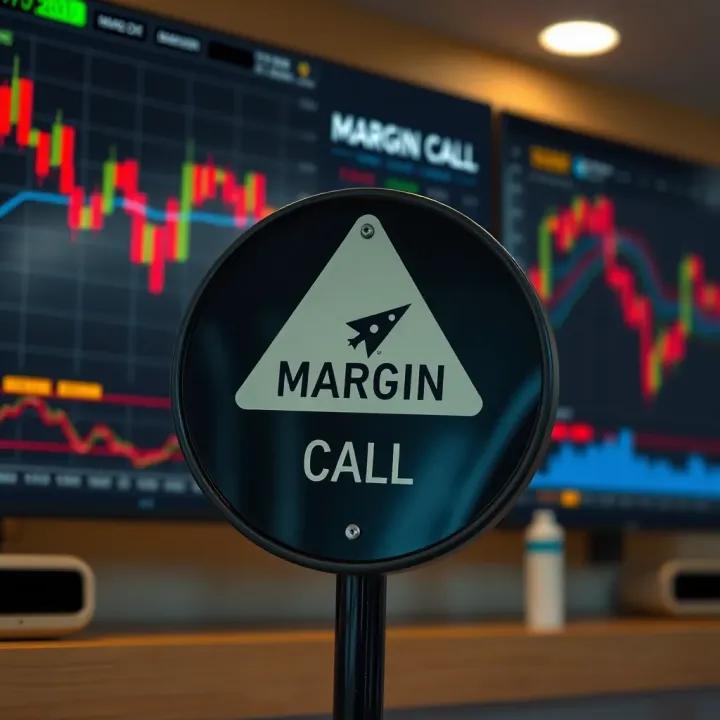
You can’t open or keep a trade without meeting margin requirements. Brokers monitor your account’s margin level constantly, and if losses dip your available margin below the threshold, they’ll issue a margin call. That means you need to top up your account or close some positions to avoid automatic liquidation. It keeps both sides protected — preventing traders from getting into debt and stopping brokers from taking unwanted risks.
Margin is the safety net that keeps trading honest — it allows big opportunities but keeps the playground fair.
Because there’s leverage involved, margin turns small market moves into bigger impacts on your equity. If the market swings your way, those profits can grow fast relative to your margin. However, the flip side is that losses can escalate just as quickly, eating into your deposit much faster than you might expect. This means managing your margin wisely isn’t optional but necessary if you want to stay in the game longer.
In short, margin lies at the core of forex trading mechanics — it makes bigger trades accessible but demands respect for risk. Traders in South Africa, particularly, benefit from grasping how margin works so they can make informed choices, stay compliant with brokers like Standard Bank or FXTM, and navigate the market with a clearer head. Understanding margin is the first step toward trading smarter, not harder.
Understanding how margin works is key for anyone stepping into forex trading. It's not just about knowing you need some money to trade; it's about grasping how much money you're putting up to control larger amounts in the market. Margin lets you trade bigger positions than your actual cash by borrowing from your broker, but it also means you need to be cautious to avoid big losses.
Margin requirements vary significantly depending on the broker and the regulatory environment. Usually, you'll see margin requirements between 1% and 5%, meaning you need to have 1-5% of the total trade value in your account to open a position. For example, if a broker demands 2% margin, and you want to trade $100,000 worth of EUR/USD, you need $2,000 in your account as margin. Brokers like IG or Plus500 might have slightly different policies based on client type or region. This upfront margin is what backs your trade and helps your broker manage risk.
Not all currency pairs have the same margin requirements. Major pairs like EUR/USD or USD/JPY usually have lower margins because they’re more liquid and less volatile. However, exotic pairs, such as USD/ZAR or USD/TRY, often require higher margins due to their unpredictable price swings. For instance, trading USD/ZAR might need a margin of 5% or more, compared to just 1% for EUR/USD. This difference helps protect your account from sudden and severe market moves often seen in exotic currency pairs.
Your available margin limits the trade size you can open. Think of margin like a deposit for a rental: the bigger the deposit, the bigger the property you can access. If you have $5,000 in margin and your broker requires 1%, you could open a trade worth up to $500,000. But if margin rises to 4%, your maximum trade size drops to $125,000. This balance affects your ability to control positions and should guide your strategy — overestimating your margin can lead to forced sell-offs if your account falls below maintenance levels.
Leverage multiplies your buying power. Using margin, you can control a large position with a relatively small amount of capital. For example, if your leverage is 100:1, every $1 in your account allows you to trade $100 in the market. This means gains can be huge, but so can losses. Like a double-edged sword, leverage makes successful trades feel like hitting the jackpot and losing trades like getting stuck in a deep hole.
Leverage and margin are two sides of the same coin. You can calculate leverage as the inverse of margin requirement. For instance, a 1% margin corresponds to 100:1 leverage (100 divided by 1). Similarly, a 5% margin means 20:1 leverage. Here's a simple formula:
Leverage = 1 / Margin Requirement
If your broker requires 2% margin, leverage is 50:1. Knowing this calculation helps you understand exactly how much muscle your money has in the market, making your decision more informed.

#### Risks associated with high leverage
While high leverage can be attractive because of the potential returns, it also comes with big risks. If the market moves against you, losses are magnified just like profits. For instance, with 100:1 leverage, a 1% adverse move wipes out your entire margin and might even put you in debt if safeguards aren’t in place. Many South African brokers and regulators cap leverage to protect traders, and it's wise to approach high leverage with caution. Using stop losses and managing trade sizes are essential to avoiding nasty surprises.

> Remember, margin and leverage aren’t tools to make quick money—they’re mechanisms that require respect and understanding. Treat leverage as a powerful engine that needs careful handling, not as a free ride.

Understanding how margin works and its relationship with leverage helps you trade smarter, protect your capital better, and size your trades according to your real risk appetite. Always keep an eye on your margin level and know your broker’s specific rules—knowing these details can make a big difference in your trading journey.

## Managing Margin Effectively

Managing margin in forex trading isn’t just some boring housekeeping task—it’s actually the backbone of keeping your trading account afloat. If you don’t get a handle on your margin, you might find yourself staring at a margin call before you know it, which can wipe out your account faster than you’d expect. In practical terms, managing margin carefully helps you control risk while keeping enough equity to hold your trades open.

Think of margin as the fuel your trade engine runs on. Without enough fuel, the engine sputters. Keeping a good buffer means you won't get chucked out by your broker when the market waves get choppy. This section will break down what happens during margin calls and how you can dodge those risky waters with smart tactics.

### What Happens During a Margin Call

**Trigger points for margin calls** typically come up when your account balance falls below the required maintenance margin. For example, if your broker requires a 30% maintenance margin and your equity dips below that threshold due to losses, you’ll get a margin call. It’s basically the broker shouting, "Hey, top up your funds, or we have to close some trades!" This threshold can vary between brokers and accounts, so it’s vital to know what your own broker demands.

**Broker actions during margin calls** usually involve either notifying you to add funds or automatically closing your weakest positions to free up margin. For instance, if your USD/ZAR position is bleeding money and margin levels fall too low, your broker might close that trade to prevent further losses. Some brokers send multiple warnings, while others act immediately. So, don't ignore any alerts—they're not just suggestions, they’re urgent calls to action.

**How traders should respond** when faced with a margin call boils down to three things: first, top up your account to meet the margin requirements; second, consider closing some positions to reduce exposure; and third, review your risk management strategy to avoid getting there again. If you panic and impulsively add money without thinking, you might just throw good cash after bad. Instead, pause and decide if holding a losing position is worth it.

### Strategies to Avoid Margin Calls

**Maintaining adequate account balance** is your first line of defense. This means you should keep a cushion—an extra percentage of funds above the minimum margin—to absorb market swings. For South African traders, especially those trading volatile pairs like USD/ZAR or EUR/ZAR, it’s smart to maintain at least 20% more than required margin in your account.

**Using stop loss orders** can save you from nasty surprise losses that rapidly drain your margin. For example, if you set a stop loss at a certain price point that limits losses to 2-3% of your account balance, you lock in your exposure. This way, even if the market moves swiftly against you, you won’t lose enough to trigger a margin call right away.

**Regularly monitoring open positions** is crucial in a constantly changing market. Leaving trades unattended is like leaving your door wide open in a bad neighborhood. Checking your positions daily (or even multiple times a day if the market is active) allows you to make adjustments—like scaling back losing trades or taking profits—before the margin situation becomes urgent.

> Staying on top of your margin isn’t just about watching numbers; it’s about acting smartly as markets shift. Think of it as tending your garden—you’ll avoid weeds (margin calls) by regular care and a bit of planning.

By managing your margin actively through these practical steps, you create a safety net that not only helps protect your funds but also lets you trade more confidently in the forex jungle.


## Margin Trading Risks and Considerations

Trading on margin in forex can boost potential returns but it's also a double-edged sword. Knowing the risks tied to margin usage and the specific policies your broker enforces is crucial, especially in a market as volatile as forex can be. Understanding these elements helps traders in South Africa make informed decisions and avoid unpleasant surprises.

### Potential for Amplified Losses

One of the biggest pitfalls with margin trading is that it doesn’t just magnify profits—it also magnifies losses. If a trade moves against you, losses stack up quickly, often exceeding your initial deposit if you’re not careful. For example, using 50:1 leverage means that a 2% move against your position can wipe out your entire account balance. This is why some traders joke that it’s easy to make money fast but just as easy to lose it overnight.

> Remember, margin trading turns small market moves into big financial swings.

To manage this risk, risk management strategies become non-negotiable. Employing stop-loss orders and limiting position sizes relative to your account balance can help keep losses under control. Think of it as setting a safety net before walking a tightrope. Without these measures, the risk of blowing up your account grows sharply.

### Broker-specific Margin Policies

Every broker has its own margin rules that can impact your trading. These rules cover how much margin you need to maintain, when margin calls happen, and how quickly a broker can close positions if your account falls below minimums. In South Africa, brokers licensed by bodies like the FSCA usually offer clearer policies, but it’s still vital to read the fine print.

Knowing your broker’s margin requirements helps you avoid nasty surprises. For instance, if your broker demands a higher maintenance margin, you’ll need to keep more funds in your account or risk automatic position closures. This can affect how many positions you open at once or how big those trades can be.

Broker margin policies also influence trade execution speed and position holding. When margin requirements tighten suddenly due to market events or broker policy changes, trades might be liquidated faster than you expect. This can leave you stuck with losses before you’ve had a chance to react. Transparency from your broker about such policies is a must to plan trades effectively and manage your risks properly.

In summary, staying on top of your broker’s margin rules and the potential for amplified losses is part and parcel of responsible forex trading. It’s not just about knowing the numbers but understanding how those details affect your day-to-day trading decisions and risk exposure.

## Applying Margin Knowledge in South Africa

Understanding how margin works in forex trading is vital for South African traders because the local regulatory environment and market conditions shape unique challenges and opportunities. Knowing the specifics of margin in the South African context helps traders avoid misunderstandings, manage risks better, and make informed decisions about their trades.

For example, South African traders face different margin requirements compared to other markets due to regulations set by the Financial Sector Conduct Authority (FSCA). This means local forex brokers might have tighter or more transparent margin rules. On a practical level, if you know your broker’s margin policies inside out, you can tailor your trading size and leverage responsibly, avoiding nasty margin calls that wipe out your account unexpectedly.

### Regulatory Factors Affecting Margin Trading

#### Financial Regulation and Oversight

South Africa’s FSCA oversees forex trading to protect retail investors and maintain fair markets. This oversight includes setting boundaries on margin and leverage that brokers can offer. For instance, many brokers registered under FSCA adhere to maximum leverage limits—often around 1:200 or less—to prevent traders from taking on risky positions that could lead to huge losses.

This regulatory push isn’t just red tape; it serves a practical purpose. By limiting excess leverage, the FSCA helps prevent reckless trading fueled by misleading margin offers. That means traders in South Africa are often working with margin rules designed to keep their risk manageable. Consequently, it’s wise to pay attention to these local rules, as they impact how much leverage you can realistically use without breaching guidelines.

#### Implications for Forex Traders in South Africa

For South African forex traders, understanding the regulatory restrictions means you won’t jump into trades expecting international-level margin and leverage offers that simply aren’t available. It also means brokers operating locally must provide clear disclosures on their margin requirements and trading conditions.

A practical example: a South African trader accustomed to overseas brokers offering 1:500 leverage may find local brokers capped at 1:200. Without knowing this, a trader might try to scale up trades beyond their margin cushion, leading to margin calls or forced liquidations. By keeping the regulatory framework in mind, South African traders can realistically size their trades and plan risk management strategies that fit local conditions.

### Choosing Brokers with Transparent Margin Practices

#### Evaluating Brokers for Fair Margin Requirements

Finding a broker with fair and reasonable margin requirements is key. Fairness here means margin rules that are neither too punishing nor recklessly generous. For example, a broker demanding a 20% margin on major currency pairs might be standard, but if another broker requires 50%, that could tie up more capital unnecessarily and reduce trading flexibility.

Practical evaluation tips include:

- Checking if the broker’s margin requirements align with common industry standards for popular currency pairs like USD/ZAR
- Verifying whether the broker adjusts margin requirements during volatile market periods, which is a sign of responsible risk management on their part
- Comparing margin calls and stop-out levels to see how quickly the broker intervenes when the market moves against a trader

Using demo accounts offered by brokers to test margin policies beforehand is a simple way to assess if their margin practices fit your trading style.

#### Importance of Clear Margin Disclosures

Transparency about margin terms is non-negotiable. Brokers must clearly state how much margin is required, the impact of leverage, and the conditions that trigger margin calls. Without this clarity, traders are flying blind and could be caught off guard by sudden margin calls.

Imagine a broker where margin call thresholds or margin calculation methods are buried in fine print in a dense legal document—this is a red flag. In contrast, South African regulators encourage brokers to present margin policies in straightforward language, helping traders understand their risk exposure and requirements.

> Always look for brokers that present margin details upfront in their platforms or account agreements. This upfront approach helps you stay on top of your trading account’s health and avoid surprises.

In summary, learning how margin works within South Africa’s regulatory framework and choosing brokers who openly share margin policies sets a solid foundation for safer and smarter forex trading. Applying this knowledge reduces risks and improves your chances of long-term success in the market.

## Tips for Responsible Margin Usage

Using margin responsibly can mean the difference between a steady trading journey and a costly misadventure. Margin amplifies your market exposure but also your risk, so knowing how to handle it wisely protects your capital and bolsters your confidence in the forex market.

### Starting with Small Position Sizes

Jumping in with large positions might seem tempting, especially when you see other traders making quick gains. But starting small helps manage risk by limiting how much margin you need. For instance, instead of opening a full standard lot (100,000 units), try a mini (10,000 units) or micro lot (1,000 units) first. This approach lets you test the waters without putting too much of your account at risk. Gradually scaling up as your understanding and confidence grow helps prevent nasty surprises and margin calls.

### Regularly Reviewing Your Margin Level

Keeping an eye on your margin level is like checking your fuel gauge when driving — ignoring it can lead to getting stranded. Most brokers provide real-time margin levels, so make it a habit to review them daily or before any new trades. A healthy margin level means you have enough free margin to withstand market swings. If the level creeps too low, it's a signal to either reduce your position size or add funds to avoid a margin call. South African traders especially should be mindful of currency volatility which can swing margin levels quickly.

### Educating Yourself About Margin and Leverage

Education is your best defense against careless mistakes with margin. Understanding how leverage interacts with margin requirements can prevent overexposure. For example, a 1:100 leverage means you need just 1% margin to open a position, but that also means every 1% market move affects your position significantly. Reading up on broker terms, attending webinars, and even practicing with demo accounts from brokers like IG Markets or Plus500 can build a solid base. Don’t overlook South Africa’s regulatory advice from the Financial Sector Conduct Authority (FSCA), which encourages responsible trading practices.

> Responsible margin usage isn’t just about reducing losses but also about maintaining flexibility and control over your trades, especially in unpredictable markets.

In short, start small, keep tabs on your margin levels, and invest time in learning the ins and outs of margin and leverage. This way, you’ll better position yourself to trade forex with confidence without risking more than you’re willing to lose.🌍 Discover how forex trading works, key strategies, and risks in the South African market. Learn to trade currencies wisely and stay informed. 💹
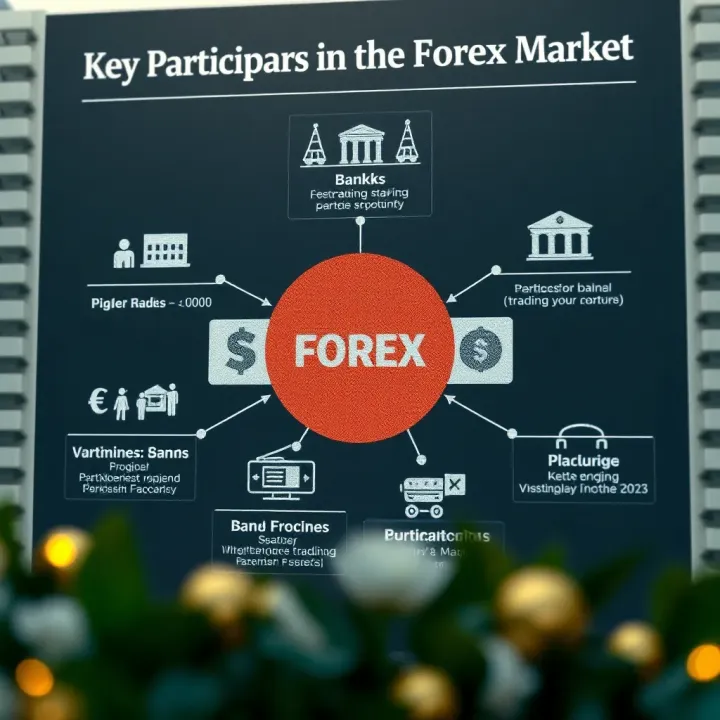
📈 Thinking of forex trading in South Africa? Learn how the market works, key players, risks, and practical tips to start confidently with this clear guide.

🇿🇦 Master forex trading in South Africa with practical tips and strategies! Learn risk management, analysis, and avoid common mistakes for success. 📈💡
📈 Find the ideal forex trading app for South Africa! Compare features, costs, and security to match your trading needs with ease and confidence.
Based on 14 reviews