
Forex Trading Sessions and Market Impact Explained
📈 Discover how forex trading sessions and their overlaps shape market moves. Learn top strategies for South African traders to boost profits effectively.
Edited By
Thomas Knight
AI forex trading bots have become increasingly popular tools for navigating the fast-moving currency markets. These programmes use artificial intelligence to analyse large volumes of data, identify market trends, and execute trades automatically — all in real time. For South African traders, understanding how these bots function and the risks involved is essential before jumping in.
Unlike manual trading, where decisions rely heavily on human analysis and emotion, AI bots process market signals systematically. They use machine learning algorithms to learn from historical price movements and adapt to emerging patterns. For example, a bot might pick up on sudden changes in the rand/dollar exchange rate based on economic news or investor sentiment.
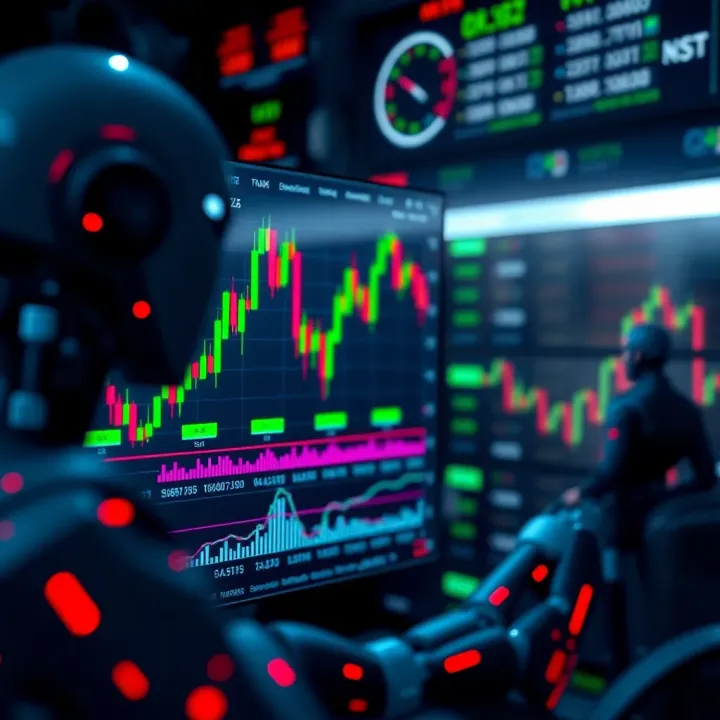
These algorithms run on trading platforms that connect directly to forex brokers, allowing bots to buy or sell currencies without your direct input. This speed can capture fleeting opportunities that human traders might miss. But the reliance on automated rules means these systems can also amplify losses if market conditions shift suddenly, especially in volatile markets like forex.
AI forex bots offer faster execution and data processing but require careful monitoring due to their programming limits and market unpredictability.
South African users must also consider how local regulations impact the use of automated trading. The Financial Sector Conduct Authority (FSCA) governs financial advice and trading platforms, so choosing bots that comply with local laws is crucial. Plus, forex trading involves significant risk — the rand is prone to swings due to political developments, commodity prices, and global economic factors.
When exploring AI forex bots, here are key points to keep in mind:
Algorithm quality: Bots vary widely depending on the sophistication of their AI and data input.
Broker compatibility: Ensure your forex broker supports automated trading and permits bot integration.
Cost structure: Some bots charge monthly fees, others take commissions or spreads on trades.
Risk management: Bots should include stop-loss limits and adjustable trade sizes.
Reliability: Check track records and user reviews to avoid scams or poorly performing systems.
In short, AI forex trading bots can improve market analysis speed and reduce emotional bias, but they aren’t foolproof. South African traders need to balance enthusiasm for technology with realistic risk assessment and proper due diligence.
Understanding how AI forex trading bots operate is key to seeing why they’ve stirred so much interest among traders and investors. These bots go beyond simple automated scripts; they combine complex computer learning with real-time data to make trading decisions faster and, ideally, smarter than human traders can, especially in volatile forex markets.
Machine learning models in forex trading play a central role. These bots use algorithms that learn patterns from historical and live market data to predict future price moves. It’s not about guesswork — the models continuously improve as they process more information. For example, they might detect how the rand responds to certain patterns in global commodity prices or geopolitical events, which helps tailor trades to South Africa’s unique trading environment.
On the other hand, data sources and real-time market analysis provide the lifeblood for these bots. They pull data from various streams: currency exchange feeds, economic reports, news headlines, and even sentiment from social media or analyst calls. This rapid data intake allows bots to react instantly to market shifts, something human traders would struggle to keep up with. For instance, if the Reserve Bank unexpectedly changes interest rates, the bot can spot the shift in data feeds and act accordingly within seconds.
At the heart of bot trading lies signal generation and strategy implementation. Simply put, once the bot identifies a potential trading opportunity through its machine learning models and data input, it translates this into a ‘signal’ to buy or sell. This signal follows the set trading strategy — whether it’s momentum-based, trend-following, or mean-reversion. A local trader might configure the bot to prioritise avoiding excessive exposure during Eskom's loadshedding periods, reflecting practical risk management.
Once a trade signal is set, the order placement and monitoring phase kicks in. The bot submits buy or sell orders to the forex market automatically, tracking orders to ensure execution at the best possible rates. It monitors the market to adjust or close positions as conditions change. This reduces human error and the lag time between decision and action. For instance, if the bot spots rapid rand depreciation, it can swiftly close positions or tighten stop-loss orders, protecting capital without needing constant manual intervention.
AI forex bots combine the speed of machines with data-driven insights, but their effectiveness depends on how well traders customise and supervise them.
In short, knowing how AI trading bots function helps traders appreciate the blend of technology and strategy at play – plus the limits. They’re tools to assist, not replace smart trading decisions.
AI forex trading bots offer practical benefits that can improve trading results and efficiency, especially in fast-moving markets. Their ability to work continuously without fatigue means they monitor market movements around the clock, picking up opportunities that human traders might miss. For instance, while a trader is asleep or at work, an AI bot can scan through various currency pairs and execute trades based on programmed strategies without hesitation.
Automation also means faster reaction times. The forex market often shifts in seconds due to economic announcements or geopolitical developments. An AI bot can respond instantly to these changes, placing or closing trades before a human could even process the new information. This edge is crucial in volatile periods when delays may lead to missed profits or unexpected losses.
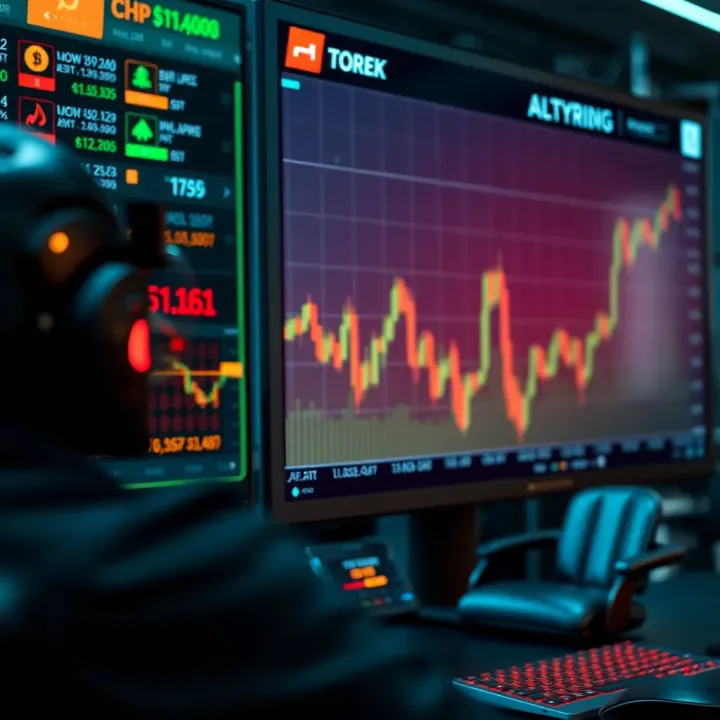
AI bots work non-stop, analysing multiple data points at once without breaks. This constant surveillance means they spot market shifts and emerging trends promptly, especially useful for traders juggling other commitments or those who prefer to avoid sitting in front of their screens all day. For example, a bot might detect a sudden weakening of the South African rand (ZAR) against the US dollar (USD) during off-hours and execute trades accordingly.
Reacting quickly to economic updates or breaking news can be the difference between profit and loss. AI bots can instantly adjust trade positions or hedge risks as new information comes in, far quicker than any manual process. During periods like interest rate announcements by the South African Reserve Bank (SARB), this speed helps limit exposure to sudden market swings.
One major benefit of AI bots lies in how they stick to their pre-set strategies regardless of market emotions. Humans often struggle with fear or greed, which can cause unpredictable decision-making. For instance, after a series of losses, a trader might hesitate or deviate from their plan, while an AI bot simply follows the rules every time, providing stable, repeatable performance.
Impulsive trading driven by hype or panic frequently leads to mistakes. AI bots eliminate this risk by only executing trades that fit the programmed criteria, ignoring emotional impulses. This filtering is particularly helpful during news events or high-pressure market phases when traders might otherwise jump in without clear analysis.
AI bots use complex algorithms to detect subtle trends and recurring patterns within vast sets of market data. This ability allows them to identify trading opportunities not obvious to the human eye. For example, recognising technical patterns like head and shoulders or double bottoms in currency charts helps the bot spot potential reversals or breakouts.
Before deployment, AI bots can be rigorously tested using historical market data to evaluate how well their strategies would have performed. This backtesting helps traders fine-tune settings and parameters for better future results. South African traders benefit from this by customising bots to suit local market quirks or currency pairs like ZAR/USD, improving the chance of consistent gains.
Employing AI forex bots can bring speed, discipline, and advanced market insight to your trading strategy. While they aren’t foolproof, understanding these benefits helps you use them wisely in volatile forex markets.
AI forex bots offer speed and automation, but they come with risks that traders can’t ignore. Understanding these challenges helps in managing potential pitfalls and making informed decisions.
Handling sudden price swings is a major test for AI trading bots. Forex markets can shift abruptly due to economic announcements, political unrest, or global crises. While bots react quickly to real-time data, sharp spikes or crashes may lead them to make unfavourable trades before pausing or recalibrating. For example, during sudden Eskom announcements or unpredicted SARB moves, bots might execute trades that don’t reflect the true market sentiment yet.
Limitations during low liquidity periods also affect AI performance. In thin trading sessions—such as after hours or during holidays—price moves can be erratic and spreads widen. Bots relying on historical and real-time data may struggle to differentiate noise from genuine trends. This can result in overtrading or misjudged positions. Low liquidity situations in South African markets, especially for less traded currency pairs, expose bots to execution risks and slippage.
Software bugs remain a continual threat. Despite rigorous testing, no code is immune to glitches. A minor coding error might cause a bot to ignore risk limits or repeatedly execute unintended orders. Such problems can snowball, especially when markets are moving fast. Traders must ensure bots come with transparent logs and regular software updates to minimise downtime and errors.
Connectivity and execution delays can seriously disrupt trading outcomes. Forex bots depend on stable internet connections and fast broker responses. In South Africa, where connectivity varies widely and can be affected by loadshedding or network congestion, delays may cause orders to be executed late or at unfavourable prices. This latency can seriously affect stop-loss orders or scalping strategies, potentially turning a winning trade into a loss.
Neglecting market fundamentals is a common pitfall when traders rely solely on AI bots. Bots analyse patterns and data but often miss broader economic and geopolitical factors influencing currency movements. For instance, ignoring SARB’s interest rate decisions or South Africa’s political developments could lead to sticking with a strategy that’s no longer viable. Traders should balance automation with their own market understanding.
Risk of over-optimisation happens when bots are excessively tuned to past data. This "curve-fitting" makes them excellent at backtesting but poor at adapting to new market conditions. Over-optimised bots can blink during volatility or regime shifts, like sudden ZAR weakening caused by external shocks. It’s wise to use bots that incorporate adaptive learning or allow manual overrides rather than fully fixed templates.
Even the smartest AI forex bot is not a crystal ball—trading success requires combining technology with human insight and vigilance.
In short, while AI trading bots bring valuable tools, being aware of their limits and technical weaknesses ensures smarter use and safeguards your capital.
When South African traders think about using AI forex trading bots, several practicalities come into play that can affect their experience and outcomes. Factors like local data quality, costs, and the specific regulatory environment have a direct impact. These considerations help avoid pitfalls and make sure the bot aligns with personal trading goals and local market conditions.
Evaluating performance records is the first step. Traders should look beyond flashy claims and request verifiable data showing how the bot performed under different market conditions. A bot with a consistent profit record over several months or years, especially during volatile periods linked to events like Eskom’s load-shedding announcements, is more reliable. This helps set realistic expectations and avoid bots that flourish only on backtested data.
Another key part is considering user reviews and transparency. Genuine user feedback reveals how the bot handles real-time challenges, such as internet outages or broker restrictions common here. Transparency about the bot’s algorithms and the team behind it builds trust. If a provider is clear about its risks, strategy, and fees, that’s a strong sign. Conversely, limited information or overwhelmingly positive reviews without substance can be warning signs.
Subscription fees and commissions vary widely and influence overall profitability. Some bots charge a flat monthly fee, others take a cut of profits or per trade commissions. South African traders should factor in all costs, including broker spreads and currency conversion fees when operating across borders. For instance, a bot with a low subscription but large hidden costs might end up eroding gains.
Data feed quality in South Africa is another practical aspect. Forex trading bots need continuous, reliable data streams to function well. Local internet outages and latency can disrupt this flow, especially outside major centres like Johannesburg or Cape Town. Bots connected to brokers with strong server presence in SA or that incorporate fallback data sources minimise execution delays and slippage, which are crucial in active trading.
The South African Reserve Bank (SARB) regulations extend to forex trading activities, including those using AI bots. SARB monitors cross-border fund flows and requires adherence to exchange controls. This means local traders must ensure their bot providers are compliant and that their trades don’t breach limits, such as single discretionary allowances when moving money out of the country.
Also worth noting is the role of the Financial Sector Conduct Authority (FSCA). The FSCA regulates financial service providers, including brokers that offer AI forex trading platforms. Traders should confirm that their bot service and associated brokers are approved by the FSCA. This offers legal protection and recourse if issues arise around unfair practices or misrepresentation.
Practically, South African traders who understand these local regulatory and operational factors will avoid common traps and have a smoother experience using AI forex trading bots in the volatile currency markets.
This local angle helps in choosing and managing AI bots wisely, rather than blindly relying on global trends that might not fit the South African context.
Integrating AI forex trading bots into an overall trading strategy is essential for balancing technology with human judgment. While bots can analyse data and execute trades at speed, relying solely on automated systems tends to overlook nuances that a human trader can catch. Combining AI with hands-on oversight and fundamental market insights offers a more resilient approach and helps navigate unpredictable market swings.
Setting risk limits is a key control measure when using AI trading bots. Before the bot starts trading, a trader should define clear parameters such as maximum daily losses, position size limits, and stop-loss thresholds. This helps avoid catastrophic exposure, especially when market volatility spikes unexpectedly. For instance, setting a maximum loss of 2% of your forex account per day forces the bot to halt trading once that limit is hit, preventing further damage that automation alone might not recognise.
Regular monitoring ensures the bot doesn't run unchecked, which brings us to regular performance reviews. Markets evolve, and so should your bot’s parameters. Traders should track win-loss ratios, drawdowns, and profitability weekly or monthly to check if the bot’s strategy still fits current conditions. If the bot's success rate declines or it’s opening trades outside of acceptable risk profiles, adjustments or suspensions are necessary. This ongoing attention prevents blind trust in automation and keeps risk manageable.
AI bots focus heavily on technical indicators and historical data, but fundamental economic indicators remain vital for a well-rounded strategy. Incorporating economic indicators like South Africa's Consumer Price Index (CPI), interest rate decisions by the South African Reserve Bank (SARB), and unemployment figures can provide context that bots usually miss. For example, a sudden interest rate hike announcement might lead to currency strength that the bot’s historical strategy won’t immediately reflect. Understanding these indicators allows the trader to interpret results with nuance and intervene when needed.
Additionally, monitoring geopolitical factors is crucial since political developments often trigger unexpected market movements. Take trade tensions, government policy changes, or even regional issues like power outages due to loadshedding—as in South Africa. Such events may not immediately affect technical patterns but can have significant longer-term impacts on currency pairs. Human traders aware of these developments can pause or modify the bot’s activity accordingly or even apply manual trades to hedge risks.
Using AI bots should be seen as part of a larger toolbox. Bots can handle the heavy lifting of data analysis and trade execution, but consistent human involvement ensures the strategy adapts and stays aligned with real-world events and risks.
In sum, an AI trading bot is most effective when it complements careful human oversight, solid risk controls, and a strong understanding of economic and geopolitical influences. This balanced approach equips traders to maximise opportunities while steering clear of avoidable pitfalls.
📈 Discover how forex trading sessions and their overlaps shape market moves. Learn top strategies for South African traders to boost profits effectively.

Discover how Forex trading logos shape brand identity and build trader trust 💹. Explore design tips and industry trends, including South African approaches 🇿🇦.

Discover the wit behind forex trading memes 😂, reflecting traders' real challenges and the sense of community they build while managing market stress and mindset.
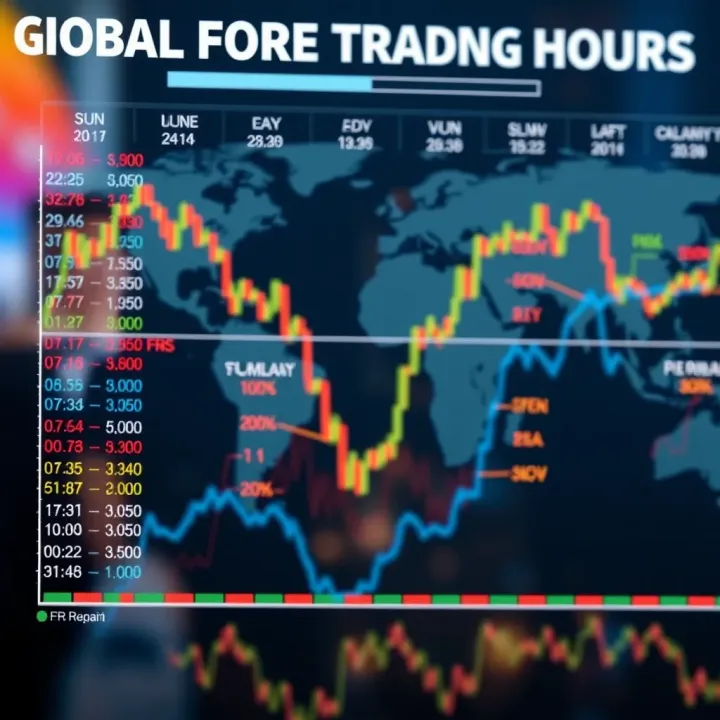
📈 Explore how forex trading session times affect market action, with tips for South African traders on timing, volatility, and session overlaps.
Based on 15 reviews