
Free Online Forex Trading Courses: A Practical Guide
Learn how to start forex trading with free online courses 📈 tailored for South Africans 🇿🇦. Discover practical tips, course choices, pros and cons, and step-by-step guidance.
Edited By
Harry Dawson
Forex trading attracts many South Africans looking to make the most of the global currency markets. Before diving in, it's crucial to understand the basics and sharpen your skills — and free online forex trading courses provide a great starting point without any upfront cost.
Online courses offer flexibility, allowing you to learn at your own pace while balancing day-to-day commitments. They introduce you to key concepts such as currency pairs, pips, leverage, and risk management. For example, understanding how the USD/ZAR pair moves can make a real difference when trading on local exchanges.
That said, free courses vary widely in quality and depth. Some might scratch the surface with simple explanations, while others go into detailed trading strategies. Reliable platforms often include industry-recognised sites like Babypips, Khan Academy, and specific broker education centres such as those offered by IG or Plus500.
A solid foundation in forex, gained through quality courses, reduces costly beginner mistakes — especially important in markets as volatile as forex.
When selecting a course, consider the following:
Content relevance: Does it cover the fundamentals and advanced tactics you need?
South African market focus: Does the course mention Rand-based trading or local regulations?
Trainer credibility: Are instructors experienced traders or educators?
User feedback: Check reviews or testimonials from other learners.
Practical steps after completing training include paper trading (simulated trading) to test strategies without risking real money. Using platforms like MetaTrader with demo accounts can familiarise you with chart reading and order execution. Moving on to live trading, start small, particularly during Eskom loadshedding stages which can impact internet reliability.
By approaching free forex courses strategically, South African traders can build confidence, grasp complex market movements, and improve their chances of success in a competitive field.
This guide will point you towards the best free resources, explain key concepts clearly, and offer tips specific to South Africa’s trading environment to help you trade smarter right away.
Grasping the basics of forex trading is essential before diving into any course or starting real trades. It sets the foundation for recognising market patterns and understanding how different factors influence currency values. Without this, you’re like a skipper at sea without a map — likely to lose your way quickly.
Forex trading means buying one currency while simultaneously selling another. It operates through currency pairs, such as EUR/ZAR (Euro against the South African Rand). The core terms you’ll encounter include ‘pip’ (the smallest price move), ‘spread’ (difference between buy and sell prices), and ‘leverage’ (using borrowed funds to increase your position size). Knowing these is not just academic — each affects your trade outcomes and risk.
Unlike stocks, forex trades occur over-the-counter (OTC) across a global network of banks, brokers, and traders, not a central exchange. Trades are typically executed electronically via trading platforms. For example, if you believe the rand will strengthen against the dollar, you might enter a trade buying ZAR/USD. Practical relevance here lies in accessing forex 24/5, enabling flexible trading times in sync with your lifestyle or work.
In forex, big players include commercial banks, central banks, hedge funds, corporations, and retail traders. Central banks, such as the South African Reserve Bank (SARB), influence currency values through monetary policy decisions. Corporates engage in forex to hedge international business risks, while retail traders look to profit from price changes. Understanding who moves the market and why helps you interpret price action more realistically.
The forex market operates 24 hours a day, five days a week through overlapping sessions in London, New York, Tokyo, and Sydney. For South African traders, the London and New York sessions are most relevant, roughly coinciding with working hours. This means you can trade live during local daytime hours without losing market events happening abroad.
Major pairs like EUR/USD, GBP/USD, USD/JPY, and USD/ZAR represent the most traded and liquid currency combos. The rand often appears in crosses like USD/ZAR or EUR/ZAR and exhibits higher volatility due to South Africa’s economic and political factors. Understanding these pairs’ typical behaviour helps you choose trades that match your risk appetite and trading style.
Exchange rates fluctuate due to economic data (e.g., inflation, interest rates from SARB), geopolitical events, commodity prices (like gold or petrol), and traders’ sentiment. For instance, Eskom loadshedding or unexpected political announcements can prompt sharp rand movements. Being aware of these factors helps you react quickly and avoid surprises.
Mastering these basics arms you with the knowledge to navigate the forex waters confidently, turning abstract numbers into real opportunities or warnings.
Free online forex trading courses open the door for anyone keen to grasp the basics and build trading skills without upfront costs. They cover essential knowledge that helps you understand market dynamics, how to analyse price movements, and how to manage risks — all critical before investing real money. For a South African trader, these courses can provide a solid foundation customised to local market nuances, helping you make sense of technical terms, strategies, and practical tools.
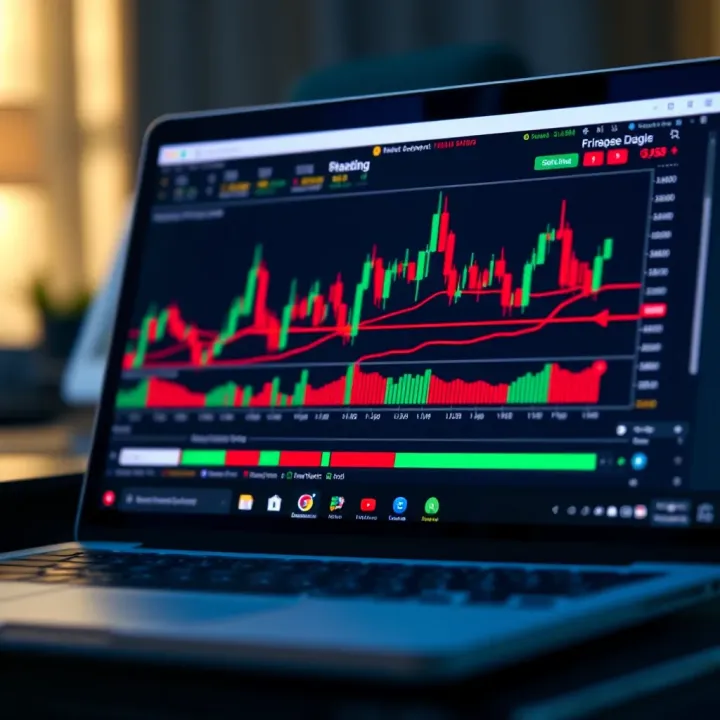
Chart reading and technical analysis introduce you to interpreting forex charts, identifying trends, and using indicators to predict future price movements. These courses explain patterns like head-and-shoulders or support and resistance levels, showing how they influence buying or selling decisions. For instance, understanding how a double top pattern signals a potential price drop can keep you from entering a losing trade prematurely.
Fundamental analysis basics focus on how economic data, political events, and central bank actions affect currency values. You will learn to follow indicators like South Africa's consumer price inflation, interest rate changes by the South African Reserve Bank (SARB), or global commodity prices influencing the rand (ZAR). This helps you anticipate market reactions beyond just what charts show.
Risk management techniques teach ways to protect your capital. Topics often include setting stop-loss orders to limit losses, calculating position sizes based on risk tolerance, and diversifying trades. Applying these methods prevents reckless losses — such as risking more than you can afford on a single trade — which is often a pitfall for beginners.
Accessibility and flexibility rank high because anyone with an internet connection can study at their own pace, regardless of time or place. This is ideal for South Africans balancing work or study, allowing you to pause and revisit lessons whenever convenient.
Opportunity to test interest without financial commitment means you can explore forex trading without risking your savings. If you find the concepts overwhelming or decide trading isn't for you, you walk away without loss. This trial can save both time and money.
Variety of course formats and styles cater to different learning preferences. From bite-sized video tutorials, detailed written guides, to interactive webinars, you can pick what suits you best. Some platforms provide quizzes or forums to engage more deeply, which can enhance understanding compared to passive watching or reading.
Quality and depth variations are common since free courses range from brief introductions to comprehensive lessons. Some might oversimplify or skip crucial aspects, leaving gaps. It pays to cross-check with trusted providers or review course feedback.
Potential lack of personalised feedback affects how well you can correct mistakes or clarify doubts. Unlike paid courses with mentors or coaches, many free resources don’t offer direct support, which can slow your learning or lead to entrenched bad habits.
Marketing or upsell risks occur when "free" courses serve mostly to promote paid products or broker sign-ups. Be cautious of courses pushing specific brokers or expensive tools aggressively. Stick to unbiased content that focuses on teaching, not selling.
Free online forex courses provide a solid stepping stone, but recognise their limits. Combine them with practice and critical judgement to build real competence.
With this clear understanding, you can better select and use free forex courses to your advantage, especially in South Africa’s unique trading context.
Finding credible free forex trading courses online is essential to develop solid foundations without falling into traps that waste both time and effort. The forex market's complexity means you need trustworthy, accurate information, especially as a beginner. A well-chosen free course can expose you to valuable trading principles without costing a cent, while dodgy or shallow resources can leave you confused or misguided.
Instructors should have verifiable experience in forex trading or related financial markets. Look for courses run by professionals who share their own trading history or have formal qualifications, such as certifications from recognized bodies like the Chartered Institute for Securities & Investment (CISI). Additionally, providers linked to reputable brokerages or well-known financial education platforms tend to be more reliable. This matters because forex trading advice from unqualified sources can include misleading strategies or unrealistic promises, which can cost you money when trading live.
A good free forex course should cover a broad range of topics, including both technical analysis (like chart reading and trend indicators) and fundamental analysis (economic news, interest rates, political impact). It must also address risk management — arguably the most important skill for preserving your capital. Courses offering hands-on practice through simulations or demo accounts add real value. Without comprehensive content, you'll only learn fragments, making it hard to trade confidently or grasp market dynamics fully.
Before committing time to a course, check user feedback on platforms such as Trustpilot, educational forums, or social media groups focused on forex trading. Positive reviews and endorsements from active traders can signal dependable content. However, be wary of courses with overwhelmingly perfect scores or vague testimonials; these might be biased or promotional. Also, local reputations matter — South African traders often discuss courses on community forums and WhatsApp groups, providing insight into what really works in the local market context.
Global platforms like BabyPips, Investopedia, and IG Academy offer reputable free forex training. These platforms consistently update their material and use clear, accessible language suitable for beginners. They provide structured lessons, quizzes, and practical examples designed to build skills gradually. Their worldwide recognition means many South African brokers harmonise their trading interfaces with these educational frameworks, easing the transition from learning to actual trading.
Locally tailored resources include sites like SA Forex Forum and sections on MyBroadband where traders share insights and course recommendations specific to rand pairs and local market conditions. These platforms help you understand the often unpredictable effects of factors like Eskom's loadshedding or South African Reserve Bank announcements on currency movements. Engaging with local communities also enables networking opportunities and advice on brokers who comply with the Financial Sector Conduct Authority (FSCA).
Supplement your learning with multimedia resources available on YouTube channels dedicated to forex trading or podcasts featuring South African traders discussing current trends. Webinars hosted by brokers such as Standard Bank or FNB often delve into aspects like forex during volatile rand periods and local regulations. These formats allow for real-time interaction and the ability to ask questions, offering another layer of understanding beyond static course material.
Selecting the right free forex trading course combines thoughtful research with awareness of local trading realities. Prioritise credible providers, comprehensive content, and community feedback to build a reliable forex foundation that suits South African market conditions.
Applying your forex trading knowledge specifically within the South African context is essential for actual trading success. The local economy has distinct factors—like rand volatility, loadshedding schedules, and political developments—that can greatly influence trading outcomes. Tailoring strategies to these realities ensures your time and effort translate into practical skills and sound decisions.
Demo accounts, offered for free by most reputable brokers, simulate actual market conditions without risking real money. These accounts provide a realistic environment where you can familiarise yourself with trading platforms, execute trades, and experiment with strategies. For example, brokers like IG or HotForex offer rand-based demo accounts tailored for South African traders.
Hands-on practice builds confidence by allowing you to see how theoretical knowledge plays out in real time. Instead of just reading about chart patterns or risk management, you get to practise analysing price movements and respond appropriately. This step reduces the risk of costly mistakes when you start dealing with real capital.
Tracking and analysing your simulated trades helps identify what works and where mistakes happen. Keeping a trading journal logs your entry and exit points, reasons for trades, and emotional state at the time. Reviewing this data over weeks reveals patterns—like repeating errors or good decisions—that help refine your approach.
Rand movements usually react sharply to local economic indicators such as the South African Reserve Bank’s repo rate decisions or unemployment figures. For instance, when inflation spikes, the rand tends to weaken, impacting forex pairs involving ZAR. Monitoring these indicators helps you anticipate likely currency fluctuations.
Loadshedding disrupts business confidence and market sentiment, often causing sudden spikes in volatility. Political news—especially around elections or policy announcements—can also trigger rapid rand swings. Staying updated with these events allows you to avoid surprise losses or to spot potential trading opportunities.
Choosing brokers regulated by South African authorities like the Financial Sector Conduct Authority (FSCA) ensures your funds and personal information have added protection. FSCA-regulated brokers comply with local laws, including know-your-customer (KYC) and anti-money laundering standards, providing a safer trading environment.
Defining your objectives—whether to build supplementary income or trade full-time—and understanding your risk tolerance guides how aggressively you trade. For instance, if you can only afford minor losses, your position sizes and leverage should be small.
Consistent decision-making relies on predefined criteria for entering and exiting trades. Techniques could include using stop-loss levels, setting profit targets, or following trend indicators. By sticking to a plan, you avoid emotional or impulsive decisions, which are often costly.
Record keeping is vital for ongoing improvement. Documenting every trade, outcomes, and lessons learned helps you spot strengths and weaknesses. Continuing education through market news, updated courses, or joining a South African trading forum ensures you stay sharp and adapt to changing market climates.
Practising in local conditions with a clear plan and good broker support sets the stage for steady, informed trading progress rather than risky guesswork.
After finishing a free forex course, the real test begins: applying what you've learned in a live trading environment. This stage matters because it shifts theory into practice, revealing the nuances that no course alone can teach. It also helps you build the necessary discipline and emotional control required for sustained trading success.
Choosing the right broker for live accounts involves more than just picking any platform with shiny adverts. Look for brokers regulated by South African authorities like the Financial Sector Conduct Authority (FSCA). This ensures your funds are safer and dispute mechanisms are in place. For example, brokers like IG or easyMarkets offer FSCA regulation plus user-friendly interfaces. Also, consider transaction costs, spreads, and deposit options that suit your budget.
Starting small and scaling gradually is key to managing risk when you first trade with real money. Begin with a modest amount, perhaps R500 to R1,000, so you don't feel overwhelmed. The idea is to get comfortable with market conditions and your trading plan without risking substantial capital. As your confidence and skill improve, you can slowly increase your trade sizes. This approach helps avoid the common pitfall of blowing an account quickly due to overleveraging.
Managing emotions and expectations is a challenge many new traders underestimate. Live trading brings pressure that no demo account replicates—fear, greed, and impatience can cloud decision-making. Setting realistic goals, such as aiming for consistent small gains rather than chasing big wins, keeps frustration at bay. Journalling your trades with notes on emotional state helps you spot patterns and triggers, improving self-control over time.
Paid courses and mentoring options can add value once you've grasped the basics for free. These often provide personalised feedback, deeper strategies, and access to trading communities. For instance, mentorship programmes with experienced South African traders can guide you through local market quirks and regulation nuances. While free resources are great for starting out, paid options can accelerate learning and help avoid repeated mistakes.
Staying updated with market developments is vital in forex trading. Exchange rates react swiftly to changes like SARB interest rate announcements, political events, or global commodity price shifts. Following credible financial news outlets, economic calendars, and analysis tools helps you anticipate and respond to such movements. Incorporating this info into your strategy makes a big difference between reactive chasing and strategic positioning.
Joining South African trading communities offers support and shared knowledge. Forums, WhatsApp groups, or Facebook communities centred on forex provide a place to discuss ideas, ask questions, and hear experiences from traders dealing with similar challenges, including local factors like loadshedding impacts on trading platforms. These communities keep you connected with other learners and seasoned traders, making your trading journey less isolating and more informed.
Consistent learning and cautious stepping into live trading will sharpen your skills and confidence, helping you navigate South Africa’s unique forex environment smarter and safer.
Learn how to start forex trading with free online courses 📈 tailored for South Africans 🇿🇦. Discover practical tips, course choices, pros and cons, and step-by-step guidance.
📈 Discover top free online Forex trading courses for beginners and intermediates. Learn key concepts, strategies, and avoid common pitfalls easily!
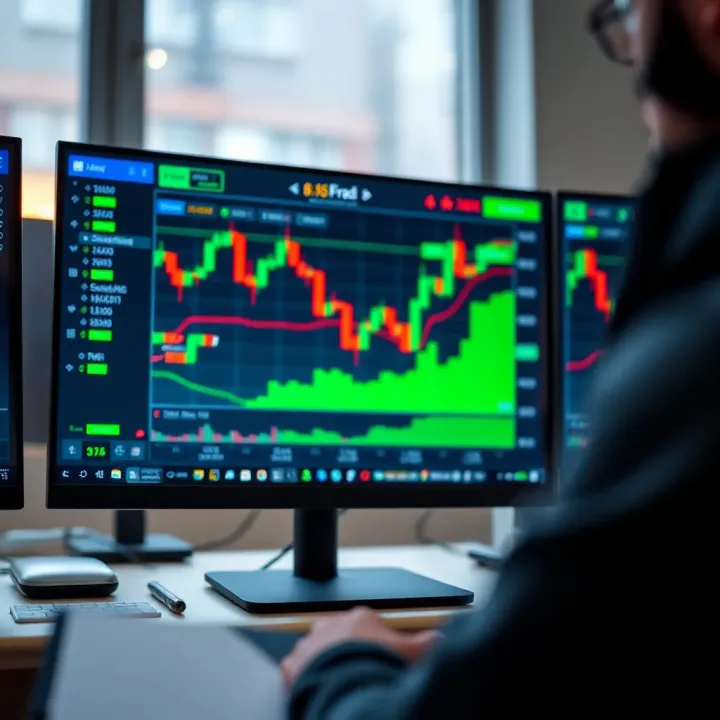
Learn forex trading for free with top online courses 🎓. Discover how to pick the best program, grasp key concepts, and get practical tips to start smart!

Explore free forex trading courses in South Africa 📈 Learn key concepts, find the best course format, and start trading smart with low risk today!
Based on 12 reviews