
Forex Trading Video Tutorials for South African Traders
📈 Discover top forex trading video tutorials for South African traders. Learn key skills, find trusted sources, and avoid common beginner pitfalls with this detailed guide.
Edited By
Megan Hughes
Forex trading is no longer just the playground of big banks and hedge funds – it's accessible to everyday South Africans eager to tap into the global currency market. However, diving into forex without a solid grasp of the fundamentals is like trying to cross the Karoo Desert without water. This guide is designed to walk you through everything from the basics of currency pairs to effective risk management, all tailored to the South African context.
South Africa’s unique economic landscape, paired with fluctuating exchange rates like the rand's volatility, makes understanding forex crucial before you risk your hard-earned rands. Whether you’re a complete beginner or have dabbled in currency trading before, this article will break down concepts and practical techniques that you can apply immediately.
You'll find insights on how forex brokers in South Africa operate, spot trading opportunities, and tools that can aid your trading decisions—plus advice on steering clear of common pitfalls.
Trading currencies isn’t a get-rich-quick scheme. It requires clear strategy, solid knowledge, and a calm approach to handle market swings.
By the end of this guide, you'll be better equipped to enter the forex market with more confidence and a clearer game plan. So, buckle up – let's get your forex journey off on the right foot!
Understanding the basics of forex trading lays the foundation for any trader aiming to navigate the currency markets. This section sets the stage by defining what forex trading is, how it works, and why it's an important opportunity, especially for South African traders. By getting a clear grasp on these basics, you'll be better equipped to follow the more complex concepts and strategies covered later in the guide.
Forex trading, or foreign exchange trading, involves buying and selling currencies to profit from their changing values. It's the largest financial market worldwide, with daily turnover exceeding $6 trillion. Unlike stock markets that operate during specific hours, forex runs 24/5, allowing traders from Johannesburg to Cape Town to trade almost round the clock.
The forex market is decentralized, meaning there's no single exchange like the Johannesburg Stock Exchange. Instead, currencies trade over electronic networks between banks, brokers, and individual traders. The variety of currency pairs, like USD/ZAR or EUR/USD, offers diverse opportunities depending on economic events and geopolitical developments.
Understanding this sets you up for practical trading decisions, like choosing when to trade based on market hours or economic releases tied to specific countries.
At its core, forex trading is about exchanging one currency for another with the expectation that the bought currency will gain value. For instance, if you anticipate the South African Rand (ZAR) will strengthen against the US Dollar (USD), you might buy ZAR/USD. Later, if the Rand appreciates, you sell for a profit.
Trades are executed through brokers on trading platforms such as MetaTrader 4 or cTrader. These platforms provide real-time pricing, charts, and tools to place orders. The price you see is called a "quote," representing how much of one currency is needed to buy another. Traders use leverage to control larger positions with less capital, which magnifies both gains and losses—so understanding risks is essential.
Getting comfortable with these mechanics early on avoids costly mistakes and helps you develop a trading style suited to your risk appetite.
South Africa has emerged as one of Africa’s key hubs for forex trading, thanks to a relatively stable financial system and increasing internet accessibility. The Financial Sector Conduct Authority (FSCA) regulates the industry to protect traders, and many brokers offer ZAR-based accounts, reducing currency conversion hassles.
Local traders benefit from trading popular pairs such as USD/ZAR, which is heavily influenced by domestic economic events, commodity prices, and political developments. The accessibility of forex via smartphones and fast internet means a growing pool of South African traders can participate, from the city to smaller towns.
Knowing the local landscape helps traders pick regulated brokers, understand market drivers unique to South Africa, and apply strategies that account for the specific economic environment.
Forex trading opens doors for South Africans to diversify income streams beyond traditional jobs or investments. For example, a miner in Rustenburg might supplement income by trading during off-hours using affordable internet and local brokers. Moreover, the ZAR’s volatility can present sharp price swings, giving alert traders opportunities for profit.
However, there are challenges. Market volatility can work against inexperienced traders who overleverage or fail to manage risk. Regulatory transparency, while improving, varies among brokers, so choosing the right partner is crucial. Also, understanding the tax implications from the South African Revenue Service (SARS) ensures traders avoid nasty surprises.
Balancing these opportunities and risks with education and discipline is the key to success. The tutorials and information in this guide aim to help you build that balance, turning potential pitfalls into practical lessons.
A solid introduction to forex trading is like setting a sturdy foundation for a house. Without it, everything that follows becomes shaky. Master these basics, and you’ll find the rest of your forex journey smoother and more rewarding.
Before diving headfirst into forex trading, it's critical to get a solid foundation through well-structured tutorials. These tutorials aren't just about learning the ropes but about building confidence and minimizing costly beginner mistakes. South African traders especially benefit from tailored tutorials that consider local market nuances and regulatory specifics.
Learning to trade forex is like learning to ride a bike—doing it right from the start prevents lots of falls later. Tutorials guide you through the basics, strategies, and common pitfalls in a controlled, low-risk environment. Without this groundwork, many new traders jump into the fray, often leading to avoidable losses.
There’s no one-size-fits-all when it comes to forex tutorials. You’ll find a breadth of options:
Video tutorials: Easily digestible and ideal for visual learners, these often demonstrate trading platforms and chart analyses live.
Text-based lessons: These include ebooks, blogs, or comprehensive guides offering deep-dive explanations you can study at your own pace.
Interactive courses: Online platforms like Coursera or Udemy sometimes offer forex-specific modules with quizzes and certificates.
Mentorship and coaching: Personalized guidance from experienced traders can be invaluable, though it’s usually pricier.
For example, a South African beginner might start with free video tutorials from local brokers or educational sites, then progress to paid interactive courses designed for our market conditions.
Not all tutorials are created equal. Before committing time or money, check:
Author credentials: Are the creators experienced traders or educators in forex?
Reviews and ratings: What do other learners say about the course quality and usefulness?
Up-to-date content: Forex markets evolve rapidly; outdated tutorials can mislead.
Transparency: Serious tutorials clearly outline course content and outcomes without wild promises of quick riches.
A practical tip is to sample free content or trial periods whenever possible to test if the tutorial suits your learning style.
Beware of tutorials promising guaranteed profits or insider tricks—these are red flags for scams.
Platforms like Investopedia offer solid beginner to intermediate courses. In South Africa, some brokers host regular webinars covering market trends, trading techniques, and platform navigation. These sessions allow live questions, which boosts understanding.
Webinars tend to be timely, discussing current market events like the impact of Rand fluctuations on forex pairs, making them a practical learning tool.
Books like Currency Trading for Dummies by Brian Dolan provide step-by-step guidance on forex basics in an easy-to-grasp format. South African traders can also benefit from local finance publications that analyze factors affecting the ZAR and regional economies.
Regularly reading trusted financial news sites and articles keeps traders informed about economic indicators, helping relate theory to real-world scenarios.
One of the best ways to learn is by doing. Most brokers, including popular South African ones like HotForex and IG, offer free demo accounts. These simulate real trading conditions without risking actual money.
Using demo accounts, traders can:
Experiment with different strategies
Learn to use trading platforms like MetaTrader 4 or cTrader
Practice managing leverage and orders
This hands-on experience helps bridge the gap between theory and practice, curbing costly rookie errors.
In summary, getting started with forex tutorials involves choosing formats that resonate with you, verifying credibility, and utilizing a mix of learning resources. Then complementing theory with practical demo trading builds the skills essential for confident trading in South Africa's unique forex market.
Understanding the core concepts of forex trading is the backbone of success, especially for South African traders starting out. These basics form the language of forex and give you the tools to interpret the market’s moves. Mastering them reduces confusion and builds confidence when making real trades, whether you’re trading the US Dollar against the South African Rand or more exotic pairs.
When you hear traders talk about currency pairs, they’re referring to the two currencies involved in a forex trade. The major pairs always include the US Dollar (USD) and are the most frequently traded, such as EUR/USD, GBP/USD, and USD/JPY. These pairs usually feature high liquidity and tight spreads, meaning transactions cost less and execution is quick — crucial for traders looking to avoid slippage.
On the other hand, minor pairs don’t include the USD but involve other significant currencies like the Euro (EUR), British Pound (GBP), and the Japanese Yen (JPY). Examples are EUR/GBP or GBP/JPY. These pairs tend to be less volatile and can offer different trading opportunities, especially when the USD is flat or uninspiring.
For South African traders, knowing the difference helps pick pairs that suit your trading style and market conditions. For instance, the ZAR/USD pair is very popular locally, but it falls outside the 'major' category.
A currency quote always comes in pairs and looks something like this: USD/ZAR = 15.25. The first currency (USD) is the base, and the second (ZAR) is the quote. The number tells you how much one unit of the base currency costs in the quote currency — in this case, 15.25 South African Rands for one US Dollar.
Prices usually have two parts: the bid (price to sell) and the ask (price to buy). The difference between them is the spread, which is a key cost factor. For example, if the bid is 15.25 and the ask is 15.30, your immediate cost to enter the trade is 0.05 ZAR.
Knowing how to read these helps you make quicker trading decisions and better understand your entry and exit points.
Leverage is like trading on a financial megaphone: it lets you control a much larger position than your actual investment. If your broker offers a 1:100 leverage, putting down R1,000 lets you control R100,000 in the market. This expands your potential profits but also magnifies losses.
This is especially popular in forex because currencies typically move in small increments—called pips—and leverage allows those small moves to pack a bigger punch. South African brokers like IG Markets and FXTM offer different leverage levels, so it’s smart to pick what fits your risk appetite.
Trading on margin is a double-edged sword. While leverage can boost returns, losses can mount just as quickly, sometimes even wiping out your account balance. If the market moves against your position, your broker might issue a margin call, requiring you to add funds or close trades.
For example, if you start trading USD/ZAR with a high leverage ratio and the ZAR suddenly strengthens due to local political news, your losses will be sharper than if you had traded with less leverage.
Always use leverage cautiously and set strict stop losses to protect yourself from unexpected market moves.
A market order is the simplest kind— it tells your broker to buy or sell immediately at the current market price. This type of order guarantees execution but not the exact price, which means in volatile markets you may get a slightly different price due to slippage.
For someone new to forex, market orders are useful to get your trade in without delay—like grabbing a bargain before someone else does.
These smart orders help you trade more strategically:
Limit orders specify the exact price at which you want to buy or sell. For example, if EUR/ZAR is trading at 17.50 but you only want to buy at 17.40, you place a limit order at 17.40. The trade executes only if the price hits that level.
Stop orders, on the other hand, help manage risk by automatically closing trades when the price moves past a certain point. A stop-loss order to sell EUR/ZAR at 17.30 protects you from bigger losses if the market goes downhill.
Using limit and stop orders puts your trading on autopilot to some extent, letting you manage risk and lock in profits without staring at the screen all day.
By grasping these key forex concepts, South African traders are better equipped to navigate the market’s twists and turns with eyes wide open, making smarter, safer trading choices.
Practical forex trading strategies help turn what can feel like random market moves into understandable patterns and opportunities. For South African traders, who face a unique set of economic and geopolitical factors, applying solid strategies can make the difference between riding out a storm or getting burned. These strategies cover how to read the market, when to jump in or pull out, and how to protect your hard-earned money. At the core, they’re about making trading less about guesswork and more about informed decisions.
Charts are the bread and butter for technical traders — they visualize price movements over time. Some popular chart types include line charts, bar charts, and candlestick charts, each with its quirks. Candlestick charts, for example, give more detail about opening, closing, high, and low prices within a period, which many traders swear by.
Patterns like head and shoulders, double tops or bottoms, and triangles act as signals for potential price moves. If you spot a "head and shoulders" pattern forming on the USD/ZAR pair, it might hint the currency is about to reverse direction. It's like recognizing the early signs of a recipe cooking bad – you might decide to get out or change your approach. Understanding these patterns helps you anticipate market behavior, not just react to it.
Indicators serve as guides, turning raw price data into actionable signals. Bollinger Bands show volatility, indicating if an asset's price is high or low relative to recent history. Moving Averages smooth out price data to spot trends more easily, like filtering out background noise to hear the main melody.
Relative Strength Index (RSI) tells if a currency pair is overbought or oversold, which might mean a price correction is brewing. For instance, an RSI above 70 can warn that the EUR/USD might pull back soon. Using these indicators in combination rather than alone strengthens your edge. They can’t predict the market perfectly but provide useful hints to guide your strategy.
Economic data paints the bigger picture of a country’s financial health, directly affecting its currency's strength. Important indicators include inflation rates, unemployment figures, GDP growth, and interest rate decisions. For example, if South Africa’s Reserve Bank raises interest rates to tackle inflation, the rand often gets a boost since higher rates tend to attract foreign capital.
Tracking key releases like the US Non-Farm Payrolls can also impact major pairs involving the rand. Sudden changes in these indicators can cause price jumps — having an eye on the economic calendar means you won’t be caught off guard.
Unexpected events like elections, policy shifts, or international conflicts shake up currency markets. South African traders saw this firsthand during evolving trade relations between China and the US or local political uncertainties affecting rand volatility.
A trader who understands geopolitical risks knows when to sit tight or hedge their bets. For example, during an election period in South Africa, keeping stops tighter or scaling down positions might help limit losses from sudden swings triggered by political news.
Being aware of economic and geopolitical events is key to avoiding surprises that can leave you red-faced and broke.
The real art lies in blending the hard numbers from the charts with the broader economic story. Technicals can tell you when the price is poised to move, while fundamentals explain why.
For instance, you might notice a bullish chart pattern on GBP/ZAR but then read about worsening economic data from the UK. The fundamental insight might warn you against jumping in, or at least urge caution. This complementary approach gives you a clearer window into the market's mood.
Markets shift all the time – what worked last month might flop tomorrow. Trends can fade, volatility can spike, and news cycles can flip sentiment on its head. Good traders adjust their playbook depending on these changing conditions.
If the market is trending steadily, trend-following strategies using moving averages might win the day. During choppy, sideways markets, range-bound tactics like buying near support and selling near resistance might be safer. The key is flexibility and not sticking stubbornly to one strategy regardless of what the market’s telling you.
Practical forex trading is like fixing a car as it drives – you adjust your tools and approach based on real-time feedback, always ready to pivot to avoid disaster. Approached this way, trading becomes less about gambling and more about informed, calculated moves, giving South African traders a better shot at consistent success.
Forex trading platforms and tools are the backbone of any trader’s success in today’s fast-moving markets. For South African traders, getting comfortable with the right platform not only smooths the learning curve but also enhances decision-making and trade execution. These platforms provide everything from real-time market data and charting capabilities to order placement and performance tracking, which are crucial when seconds can make a difference.
Choosing the right trading platform and using its tools effectively means you’re not just guessing where the market is headed, but making informed moves based on thorough analysis and timely information. Whether you're a beginner or an experienced trader, these platforms act like your cockpit controls — giving you the right tools to navigate the forex skies.
MetaTrader 4 (MT4) and its successor MetaTrader 5 (MT5) are widely popular among South African forex traders, mainly because of their user-friendly interface and robust features. MT4, known for its simplicity and reliability, is great for beginners who want straightforward access to forex trading, complete with customizable charts and automated trading options through expert advisors (EAs).
MT5 expands on these features, offering more timeframes, additional order types, and an economic calendar on the platform — a must-have for traders keen on combining technical and fundamental analysis. South African brokers like WorldWideMarkets and HotForex support both MT4 and MT5, making it accessible with local accounts and rand-based transactions.
If you're starting out, try setting up a demo account on MT4. It lets you practice trading with live market data but without risking real money.
While MT4 and MT5 reign supreme, platforms like cTrader are carving out a space for themselves by offering advanced charting tools and a clean, intuitive design. cTrader appeals to traders looking for more control over trade execution, with features like level II pricing and direct market access.
Other platforms, such as NinjaTrader and TradingView, are also worth mentioning, although they're used more for analysis and less for direct trading. TradingView, for instance, offers extensive charting and social trading networks where South African traders can share ideas and strategies.
Real-time quotes keep traders updated on the exact price movements of currency pairs. This is non-negotiable when trading forex since rates fluctuate every second. Most platforms offer customizable alerts that notify you when a currency hits a certain price, helping you react quickly without staring at the screen all day.
For example, you could set an alert on the USD/ZAR pair to notify you if it breaks above a level that historically signals a trend change. This feature saves time and ensures you don’t miss critical trading opportunities or slips.
Charts are where traders spend most of their time – spotting patterns, drawing trendlines, and applying indicators. Reliable charting tools available on platforms like MT4, MT5, and cTrader allow you to visualize market conditions and forecast price movements.
South African traders often use indicators like the Relative Strength Index (RSI), Moving Averages, and Fibonacci retracements. These can be quickly applied to charts, enabling you to combine multiple signals for better trade setups.
Good charting tools let you dissect the market creatively, turning raw numbers into actionable insight. Try layering indicators and see how they interact rather than relying on just one.
Using these platforms and tools well can give South African forex traders an edge, making trading more manageable and enhancing your chances to trade confidently and responsibly.
Risk management is the backbone of any successful forex trading journey, especially in a market as volatile as forex. For South African traders, understanding how to manage risks isn’t just smart—it’s necessary to avoid wiping out your capital. Responsible trading practices help you balance opportunities with potential losses, making sure you’re not gambling away your savings.
For example, without a solid risk strategy, it’s easy to get caught up in high leverage trades which might look appealing but can drain your account in no time. Risk management tools like stop losses and position sizing offer practical ways to protect yourself from market swings. They’re your safety nets, ensuring you don’t lose more than you can afford.
A well-thought-out risk management plan protects your account and boosts your confidence in trading decisions.
Exit points like stop loss and take profit orders are essential in forex trading. They set predefined levels where your trade automatically closes, limiting your losses or locking in profits. Without these, you might find yourself stuck in bad trades or missing the chance to secure gains.
Imagine you buy USD/ZAR expecting it to rise, but the market turns south quickly. A stop loss prevents further loss by closing your position once the price hits your set point. On the flip side, a take profit locks in your earnings at a target price, so you’re not glued to your screen hoping the market will move in your favour.
Start by identifying key support and resistance levels on your charts. Place your stop loss just beyond these levels to avoid being stopped out by normal market fluctuations. For instance, if buying EUR/ZAR near a support zone at 17.00, setting a stop loss slightly below at 16.95 safeguards you from unexpected dips.
Take profit levels depend on your risk-to-reward ratio. A common approach is to aim for at least twice the distance of your stop loss. If your stop loss is 50 pips away, set take profit at 100 pips. This way, even if only half your trades succeed, you could still come out ahead. Some traders use trailing stops to lock in profits as the price moves in their favour, adjusting the stop loss level dynamically.
Losses are part of forex trading, and how you handle them makes all the difference. Instead of panicking or chasing losses by doubling down recklessly, accept them as learning moments. Remember, even the biggest traders lose. The crucial part is to review what went wrong and avoid repeating those errors.
For example, if you lost money due to entering a trade right before an unexpected economic event, note that. Next time you might choose to stay out during high-impact news to reduce risk. Emotional control helps you avoid revenge trading, where you try to win back losses quickly, usually causing even bigger setbacks.
Staying disciplined means sticking to your trading plan and rules, even when emotions tempt you to veer off. This includes respecting your stop loss and take profit settings, avoiding impulsive decisions, and not overtrading.
Discipline also involves patience—not rushing into trades just because you want action. Sometimes the best move is no move at all. Establish routines such as setting daily trading limits or regular performance reviews to keep yourself accountable.
Consistency beats luck in forex. Traders who maintain strict discipline usually show better long-term results.
Understanding the legal and regulatory framework is a must for any forex trader operating in South Africa. It’s not just about following rules but safeguarding your investments and avoiding unnecessary trouble. When you’re clear about the laws and regulations, you can trade with confidence, knowing that you’re working within a system designed to protect both traders and the market.
South Africa’s forex market is overseen by specific bodies that ensure brokers and traders act transparently and honestly. For traders, this means having a clear path if things go awry, while brokers must meet certain standards to legally offer their services. Skipping this step or ignoring regulations can lead to significant risks, including fraud or losing access to your funds.
The Financial Sector Conduct Authority (FSCA) is South Africa’s main watchdog for all financial markets, including forex trading. Think of the FSCA as the referee in a soccer game—they make sure everyone plays by the rules. Their job is to protect you from shady brokers and ensure that companies offering forex trading services meet strict requirements.
The FSCA supervises licensing, continuously monitors broker behavior, and steps in if a broker acts unfairly or breaks laws. For example, if you spot a broker offering unrealistically high returns with no clear explanation, they might be under FSCA scrutiny or not licensed at all. The FSCA also runs public awareness campaigns to help traders recognize legitimate services.
If your broker isn’t registered with the FSCA, you’re basically on your own — no safety net.
It’s easy to get dazzled by flashy websites promising quick wins, but you need to check one key thing before signing up: Is the broker FSCA-regulated? Trading with a regulated broker means your money is somewhat shielded from fraud, and the broker must stick to defined standards like fair pricing and clear communication.
To check this, search the FSCA’s official list of licensed entities before you deposit a cent. Also, legitimate brokers provide clear contact details and financial disclosures. Beware of brokers pushing you to trade via offshore accounts or pressuring you into deposits—that’s a major red flag.
Forex trading profits aren’t just free money you can stash under the mattress. The South African Revenue Service (SARS) expects you to report earnings from forex trading, and the tax treatment depends on whether you’re trading as a hobbyist or running a formal business.
If forex trading is your side hustle, occasional gains are generally taxed as capital gains. On the other hand, if you trade regularly and aim for income, those profits are often taxable as business income, which could push you into a higher tax bracket. Being clear on your status helps you avoid nasty surprises come tax season.
Good record-keeping is your best friend when tax time rolls around. SARS requires traders to keep detailed records of all trades, including:
Dates of transactions
Amounts invested and returned
Fees paid to brokers
Statements showing currency conversions
Having these on hand not only makes filing straightforward but also protects you if SARS ever asks for proof. A clean record also helps you track performance and spot trends in your trading.
For instance, if you bought 10,000 ZAR worth of EUR/USD and closed the position at 10,500 ZAR, you’ll need to log that 500 ZAR gain properly along with any spread or commission paid. Many traders use spreadsheets or specialized tax software to keep everything neat and easy to review.
Keeping a close eye on regulations and taxes might sound tedious, but it actually sets the groundwork for trading without headaches. You avoid scams, comply with laws, and keep your financial house in order. For South African traders, this means forex trading can be a viable, long-term way to grow their money rather than a risky gamble. So, don’t overlook these aspects—they’re just as important as picking the right strategy or platform.
Learning forex isn’t something you tick off and forget about. Markets are always shifting, new trends surface, and trading tools keep evolving. That’s why keeping your skills sharp through continual education isn't just a bonus—it’s a necessity. For South African traders, who face unique market conditions and regulatory shifts, staying informed can make a big difference between profits and losses.
When you keep learning, you cultivate a mindset that spots new opportunities or recognizes when tactics aren’t cutting it anymore. It helps you adapt quicker, avoid costly pitfalls, and reinforce good habits, which are essential for long-term success. In practice, continuing education can be as simple as revisiting tutorials, keeping up with local news affecting the rand (ZAR), or experimenting with new strategies in a demo account.
Recording your trades isn’t just for the meticulous; it’s a powerful habit. A trading journal tracks every detail—entry and exit points, trade size, reasons behind the trade, and emotions felt during the process. For example, jotting down that you entered a trade after hearing about a strong GDP report but panicked and closed early helps identify emotional triggers.
This detailed record reveals patterns and habits you might otherwise miss. Are you repeating the same mistakes? Are certain strategies working better in specific market conditions? The goal is to learn more about your trading style and improve it over time.
Winning or losing isn’t just a tally; it’s data waiting to be interpreted. Reviewing winning trades allows you to identify what worked—was it timing, technical indicators, or market sentiment? Conversely, dissecting losses shows where things went off track.
For instance, if you notice you often lose trades when high leverage is involved, it signals the need to rethink your risk management. This straightforward habit turns every trade into a lesson rather than just a result, making your growth in forex more intentional and less random.
Trading can be lonely, but you don’t have to go it alone. Joining forex communities and forums provides a platform to exchange ideas, ask questions, and stay updated on market trends and tools specific to South African traders.
Local groups or platforms like Forex Factory or Traders' Lounge South Africa are great starting points. Engaging here opens doors to peer support and partnerships that might lead to better trading strategies or even buddy systems for accountability.
There's no substitute for learning from those who have walked the path before. Experienced traders often share insights, tactics, and warnings that textbooks miss. They can highlight nuances like how political events in Africa tend to uniquely impact currency pairs involving the South African rand.
Interact thoughtfully in these spaces, ask questions, and absorb practical tips. For instance, a seasoned trader might suggest carefully adjusted stop-loss points during volatile periods, a piece of advice practical only through experience.
Keep in mind, engaging continuously with the trading community and reflecting on your trades turns theoretical knowledge into practical wisdom — a crucial edge in the unpredictable forex game.
📈 Discover top forex trading video tutorials for South African traders. Learn key skills, find trusted sources, and avoid common beginner pitfalls with this detailed guide.
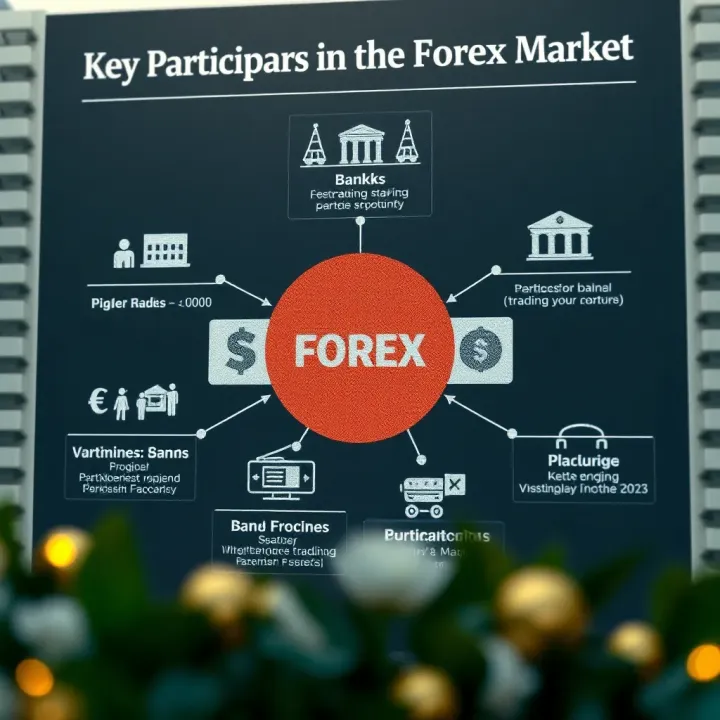
📈 Thinking of forex trading in South Africa? Learn how the market works, key players, risks, and practical tips to start confidently with this clear guide.
📈 Explore practical ways for South African traders to learn forex trading! From formal courses to mentorship and online tools, get skilled today.

🇿🇦 Master forex trading in South Africa with practical tips and strategies! Learn risk management, analysis, and avoid common mistakes for success. 📈💡
Based on 5 reviews