

Forex Trading Training in South Africa: A Complete Guide
📈 Explore comprehensive forex trading training in South Africa! Learn key skills, legal tips, and find trusted courses to trade confidently and smartly. 🇿🇦
Edited By
Ethan Graham
Forex trading can be a tricky beast, especially if you're new to the game or trying to up your skills. For South African traders, finding reliable and easy-to-understand resources is key. That’s where training videos come into play—they offer a visual and practical way to grasp the ins and outs of forex markets.
In this guide, we’ll walk you through why trading videos matter, how to pick the right ones, and what you should focus on to make the most of your learning time. Whether you're a rookie getting your feet wet or a seasoned trader brushing up your strategy, these insights will help you make smarter moves with your Rand.

Training videos bring the theory to life, showing you exactly how forex moves tick and how to react—something textbooks alone can’t offer.
So, let’s get into what makes forex training videos effective and how to sift through the vast sea of content out there to find gems that suit the South African trading landscape.
Trading forex involves more than just understanding the theory; it’s about seeing those concepts in action. Videos offer a unique way to bridge the gap between textbook knowledge and real-world trading scenarios, especially for traders in South Africa who might not have easy access to face-to-face mentorship. This visual learning medium makes complex ideas simpler and often sticks better than reading dense written materials.
Engaging and easy-to-follow explanations: Videos break down complicated forex concepts into digestible chunks using clear voices and visuals. For example, a video might show exactly how to place a buy order on MetaTrader 4, step-by-step. This hands-on walkthrough is easier to follow than a written guide, especially for beginners who might feel overwhelmed by jargon.
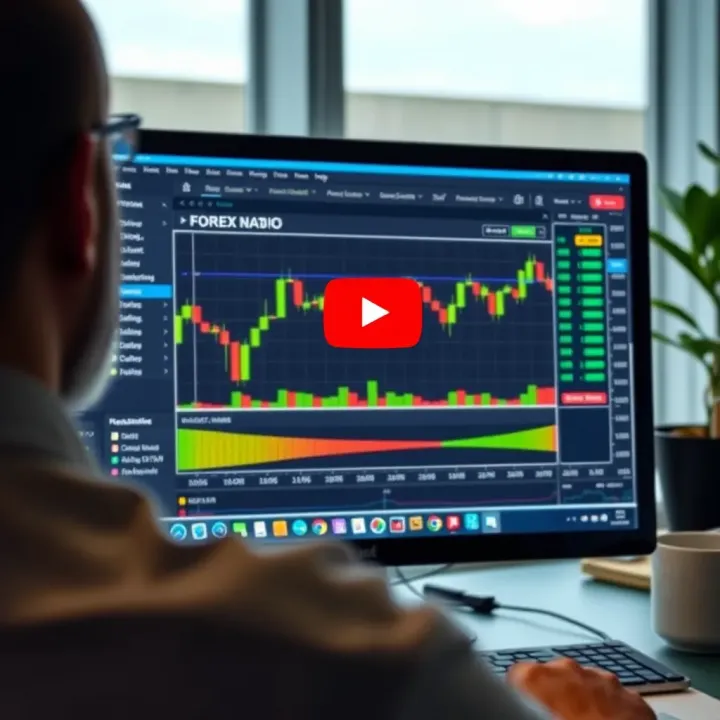
Ability to see real-time examples and charts: Watching a live chart move and seeing a trader react to it transforms abstract terms into tangible experience. Most quality forex videos show actual price action — say, how the South African rand reacts to political events — which helps learners understand market dynamics better than static images or descriptions.
Flexibility to learn at your own pace: Unlike live seminars, video training lets you pause, rewind, or fast-forward as you like. Working a day job or running a small business doesn’t mean you can’t sharpen your forex skills. You can squeeze your learning into evenings or weekends, and revisit tricky parts without pressure.
Combines theory with practical demonstration: Reading about chart patterns is one thing; watching someone draw trendlines and highlight support and resistance is another. Videos make these theory-practice links clear, for instance, showing how to identify a head-and-shoulders pattern in real market conditions.
Enhances retention through repetition and visualization: Studies show people learn better when they see and hear information rather than just reading. Going over the same video multiple times helps reinforce lessons, which is particularly useful when trying to grasp complex strategies like Fibonacci retracements or risk management formulas.
Supplement written materials and live courses: Videos often fill in gaps left by textbooks or brief live workshops. If a written guide explains Moving Averages in theory, a video can demonstrate how to tweak their settings in a trading platform to fit your strategy. Used together, they build a more rounded understanding.
Learning forex trading through videos can give South African traders a distinct edge by combining convenience, clarity, and practical insights that other methods sometimes miss. Investing time in quality video courses is a smart move for anyone serious about trading forex successfully.
When diving into forex trading, knowing what to focus on in training videos can make or break your learning curve. The right videos don’t just spit out facts; they guide you through the nuts and bolts of the market in ways that stick. For South African traders, this means understanding unique local and global factors, but the core topics remain pretty universal. Good training videos will break down these essential areas clearly, helping you build a strong foundation and avoid common beginner pitfalls.
Currency pairs form the very backbone of forex trading. Simply put, currencies are traded in pairs—one currency against another, like the USD/ZAR (US Dollar vs South African Rand). Videos should explain what it means when a pair’s value changes; for example, if USD/ZAR moves from 15.00 to 15.10, that means the Rand weakened against the Dollar.
This knowledge lets you grasp how economic events can affect your trades. For instance, if South Africa announces better-than-expected GDP growth, the Rand might strengthen, impacting pairs involving ZAR. Training videos focused on currency pairs teach you not just definitions but how to interpret these shifts in real-time.
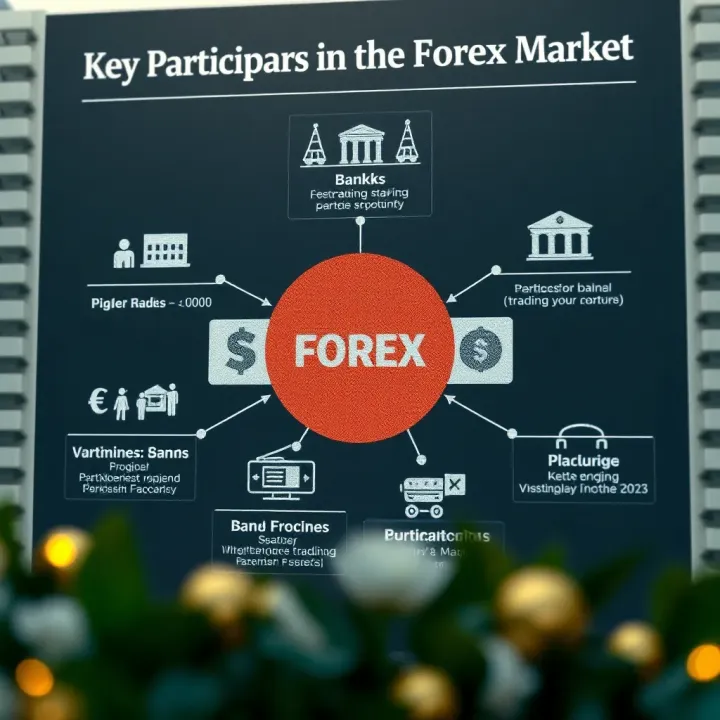
Forex isn’t just a club for pros in shiny suits. It’s a sprawling marketplace where banks, hedge funds, retail traders, and even governments buy and sell currencies. Understanding who’s who explains why the market reacts as it does.
Videos should outline the roles of each participant. For example, central banks can influence markets by changing interest rates, which traders then anticipate and react to. Knowing about market sessions—like the London or New York session—also helps you figure out the best time to trade.
Forex comes with its own language, which can be intimidating. Terms like pip, spread, leverage, and margin throw beginners off fast. Training videos should break these down into bite-sized explanations that stick.
Take "pip" — it’s just a measure of price change usually to four decimal places. Videos that clearly show how a pip gain or loss affects your profit can make all the difference. A solid grasp of these basic terms sets you up for understanding deeper strategies without hitting a wall.
Candlestick charts are the bread and butter of forex analysis. They show price changes in a visually intuitive way. Training videos should teach you how to spot candlestick patterns like Doji, Hammer, or Engulfing — each suggesting potential market direction.
Understanding these patterns helps you predict short-term moves before they happen, such as spotting a reversal sign when the market looks tired. Videos that use clear examples, like how a Hammer after a downtrend may signal a rebound, give practical tips to boost your edge.
Indicators add a layer of intelligence to your charts. Moving Averages smooth out price action to reveal trends, while the Relative Strength Index (RSI) shows if a currency is overbought or oversold.
Video lessons that not only explain these tools but show how to apply them in live markets help traders avoid guesswork. For example, combining a 50-day Moving Average crossover with RSI signals can confirm a trade setup.
Drawing trendlines and identifying support or resistance levels is like finding invisible guardrails for price movements. Training videos should show you how to spot these on your charts and explain their significance.
For example, if the USD/ZAR repeatedly bounces off a support level at 14.80, that’s a potential buying zone. Knowing these levels helps you time entries and exits better, reducing guesswork.
No trader wins every trade. That’s why managing your losses is just as important as finding winners. Videos should teach you to place stop losses — pre-set points where you cut losses — and take profits, where you lock in gains.
For instance, if you buy EUR/USD at 1.1000 expecting it to rise to 1.1050, a stop loss at 1.0980 limits your risk. Good video tutorials emphasize this discipline, which keeps your account safe when the market turns against you.
Using the right position size is a delicate dance. Too big, and you risk blowing your account; too small, and you limit profits. Training videos should explain how to calculate position size based on your risk tolerance.
Leverage lets you control bigger trades with less money but can magnify losses. Videos that demystify leverage, showing concrete examples like 1:50 or 1:100, help traders grasp both the power and the dangers.
Traders often stumble when greed or fear takes over. Videos should go beyond the charts to address psychology—why sticking to your plan matters.
Real-world examples of traders who chased losses or jumped into trades driven by excitement reinforce why emotional discipline makes or breaks success. Techniques like taking breaks or having preset rules can help keep emotions in check.
Mastering these core topics through quality video lessons builds a sharp, confident trader who knows the market’s rhythm and risks. This isn’t just about watching clips—it’s about developing habits that translate directly into smarter trading decisions.
When exploring forex training videos, not all content is made equal. For South African traders, picking out high-quality courses is essential to avoid wasting time and money on ineffective lessons. The right videos should offer clear, practical guidance from credible instructors, structured material, and feedback from genuine users. These elements come together to build trust and ensure you’re learning techniques that actually work in real trading scenarios.
A solid professional background means the instructor has hands-on experience in forex markets or related financial fields. Look for instructors who have worked as traders, analysts, or financial advisors with a reputable institution. For example, someone who formerly traded for a major bank or worked at an established brokerage firm adds credibility. This practical experience helps them explain concepts realistically rather than just theory.
An instructor’s trading success isn’t just about boasting profits but about proven consistency and strategy. When an instructor shares verifiable results or a history of prudent risk management, it gives learners confidence. Avoid those who only promote unrealistic gains or vague success stories. Instead, find educators who discuss losses honestly and emphasize steady growth, which is crucial for South African traders navigating volatile markets.
Being good at trading and being good at teaching are different things. Effective instructors know how to break down complex ideas into digestible parts. Look for educators with years of experience in teaching, whether through online courses, seminars, or coaching programs. They should explain without jargon, use relatable examples, and respond well to learner questions. For instance, instructors affiliated with platforms like Investopedia Academy or FX Academy often have formal teaching experience alongside trading expertise.
No one wants to struggle through muffled sound or blurry charts. High-quality videos have crisp audio and sharp visuals that make following along easy. This clarity is especially vital for technical analysis videos, where you need to clearly see candlesticks, indicator signals, and price movements. A well-lit studio or screen captures, paired with good microphones, prevent distractions and reduce viewer fatigue.
Good videos follow a logical flow, starting with basics before moving to advanced topics. They include summaries, bullet points, and clear titles or timestamps to guide you through the material. This structure helps learners revisit specific sections without hunting blindly. For example, a video series might begin with currency pairs, then proceed to chart reading, followed by risk management, making the progression easy to follow.
Concepts stick better when you can see them applied. Videos that show live trading examples, backtesting strategies, or how losses were managed offer practical insight. An instructor might demonstrate setting a stop-loss order in MetaTrader 4 or walk you through a recent EUR/ZAR trade setup using real charts. These examples are invaluable for turning theory into action.
Platforms like Udemy or Coursera provide star ratings and detailed reviews from learners worldwide. These allow you to gauge the quality and effectiveness of the course before buying. High ratings and positive comments about clarity, instructor responsiveness, and content depth are strong indicators that the course is worthwhile.
Forums such as Forex Factory or local South African trading communities give unfiltered opinions from fellow traders. They discuss the strengths and weaknesses of various video courses candidly, often sharing personal experiences. Checking these forums can highlight red flags like outdated content or overhyped promises.
Endorsements from respected traders, financial educators, or recognized trading platforms carry weight. For example, if a top South African trading mentor mentions a particular YouTube channel or course, it’s worth considering. Trusted sources often vet content carefully and recommend resources that provide genuine value rather than flashy marketing.
When selecting forex training videos, focus less on flashy titles and more on instructor credibility, content clarity, and real user feedback. This approach helps you find resources that truly boost your trading skills.
In short, investing the time to vet forex training videos using these criteria can save you from costly mistakes and speed up your learning curve. South African traders benefit most when learning from instructors who know the local market nuances, explain clearly, and have honest community support.
Understanding forex trading concepts through training videos is just the first step. The real value kicks in when you apply what you've learned in a practical setting. Videos give you the theory and real-time examples, but without action, those lessons stay abstract. For South African traders, who face unique market conditions and regulatory environments, applying learned knowledge can quickly reveal what's effective and what isn’t.
Whether you're a newbie or have some experience, putting your knowledge into practice helps bridge the gap between watching and doing. This application provides immediate feedback, fine-tuning your skills for real market conditions. For example, after watching videos on candlestick patterns or risk management, testing these strategies in a demo environment can offer a no-risk way to see how they hold up against actual market swings.
Using a demo trading account is like training wheels for trading. It lets you get the hang of market dynamics without stomaching any financial losses. Most brokers in South Africa, including IG Markets and Plus500, provide free demo accounts that mimic real trading platforms.
By practicing on these platforms, you learn how to execute trades, set stop losses, and understand order types. This hands-on experience is priceless and makes video lessons click better because you see the concepts come alive. Plus, it’s a good place to experiment with different currency pairs, like the USD/ZAR, which is particularly relevant locally.
Besides hands-on practice, demo accounts let you test your trading strategies under simulated market conditions. If videos teach you how to spot trending markets using indicators like the RSI, you can apply that knowledge and see if the signals actually work. The big bonus here is zero financial risk—you can make mistakes, learn, and adjust without losing money.
Once you've absorbed some training videos and gained practice on a demo account, the next step is to build a structured trading plan. Incorporating the techniques you’ve learned—like setting stop losses or identifying support and resistance levels—will keep your trading more disciplined.
A trading plan should detail your entry and exit rules, risk tolerance, and the currency pairs you intend to focus on. For example, if a video instructor emphasizes the importance of position sizing, your plan might cap risk at 2% of your capital per trade to avoid big losses. Without such limits, even the best strategies can fall apart.
Clear goals and limits matter just as much. Define realistic targets such as "aim for a 5% monthly return," or "exit trades if losses hit 3%". This helps keep emotions in check during volatile times, which is a common pitfall. A well-crafted plan takes what you’ve learned from videos and turns it into action steps, making trading less guesswork and more calculated.
Keeping track of your trades and how well your strategies perform is key to long-term success. A trade journal, whether a simple notebook or a digital spreadsheet, should log details like entry price, exit price, the rationale behind each trade, and outcomes. This helps you spot patterns—maybe a strategy works great during certain times of day or for specific currency pairs.
Reviewing your training videos again can be a smart move, especially when something doesn’t go as planned. Watching a particular lesson on risk management for the third time might reveal nuances you missed the first or second time around. Continuous learning keeps your skills sharp and confident.
Lastly, forex markets aren’t static; they're influenced by economic news, geopolitical events, and even local developments in South Africa. Staying adaptable means adjusting your strategies when market conditions shift. For instance, a strategy that worked well during stable times might need tweaking when the South African Reserve Bank announces a surprise interest rate change.
Success in forex trading is less about finding a "perfect" strategy and more about consistently applying, tracking, and refining your approach based on real-world experience.
By combining video-based learning with practical application, demo practice, solid planning, and ongoing assessment, traders can confidently navigate the forex market with skills that stand up to daily challenges.
Access to the right learning tools makes all the difference, especially forex trading videos tailored for South African traders. Such resources offer context-specific insights, helping traders understand not just global market dynamics but also the local economic factors and currency behaviors unique to South Africa. Choosing platforms that provide content resonating with local market conditions can boost your confidence and trading skills.
Local trading educators know the twists and turns of South African forex markets like the back of their hand. They bring experience dealing with challenges like rand volatility, economic shifts, and trading hours aligned with local exchanges. Following educators such as ForexTraderSA or Forex4You training can give you perspectives anchored in the real-world South African trading environment. They often share practical advice, covering regulations from the South African Reserve Bank and local broker choices, which seldom feature in global lessons.
Videos that focus on South African market dynamics show you how domestic events affect forex prices. For example, lessons may analyze how mining sector data or political events impact the ZAR exchange rate. This kind of localized content makes it easier to anticipate market moves rather than blindly following generic trading advice. Look for videos with case studies using ZAR pairs or tutorials that schedule live trading during South African market hours. This approach ensures you're not learning in isolation but in sync with the local trading rhythm.
YouTube remains a great place for forex learning with channels like Rayner Teo, Trading 212, or The Trading Channel offering clear and thorough tutorials. These creators break down concepts like candlestick patterns, risk management, and strategy development using easy-to-follow examples. Though they aren’t South African-specific, their structured playlists can be a solid foundation to build your skills. Remember to complement this with local insights to make your learning more relevant.
Platforms like Babypips, ForexSignals, or even paid courses from sites like Udemy offer a step-by-step path through forex basics to advanced strategies. These courses give you access to quizzes, community discussions, and live sessions—features that push beyond passive watching. South African traders can benefit by adapting these lessons to local market timelines and incorporating currency pairs involving the ZAR. Subscription models often provide ongoing updates and support, which is handy in a market that never really sleeps.
To get the most from forex training videos, blend local expertise with global educational resources. This mix ensures you're learning grounded, practical strategies while staying updated with universal trading methods.
Keeping an eye on both local and global resources can empower your trading, making you more confident and better prepared for the unpredictability of forex markets in South Africa.
Mastering forex trading through videos is a smart move, but there are pitfalls South African traders should steer clear of. Some common mistakes can slow down your progress or even lead you astray. Knowing these missteps helps you get the most out of your learning experience and avoid costly errors.
It’s easy to get sucked into watching hours of forex tutorials, thinking you’re making solid progress. But without putting that knowledge into practice, videos only get you so far. For example, understanding how to read candlestick charts feels different when you’re actually analyzing live market data, not just watching a screen. The takeaway? Trading is a skill you develop by doing, not just seeing.
Nothing substitutes for real-life practice, even with a demo account. Hands-on trading lets you experience the emotional ups and downs, test strategies, and learn to manage risk firsthand. South African traders should take advantage of demo platforms offered by brokers like IG or Plus500 to try out what they learned in videos before committing real cash. It's this practical application that bridges theory and reality.
One of the biggest traps in forex education is falling for flashy claims promising huge returns fast with little effort. These often come from less credible sources and can mislead traders into risky behavior. Remember, forex trading isn’t a lottery; it demands patience, sound strategies, and realistic expectations.
Instead of chasing unrealistic wins, set achievable goals tailored to your own situation and trading style. For instance, aiming for consistent small profits while managing losses is more practical than hoping to double your account in a month. Keeping realistic targets helps keep emotions in check and supports steady progress.
Remember, no single video or course holds a magic formula. Success lies in combining knowledge with practice, sound judgment, and realistic expectations.
By avoiding these common mistakes, South African forex traders can turn video lessons into a reliable stepping stone for genuine skill development and better trading results.
📈 Explore comprehensive forex trading training in South Africa! Learn key skills, legal tips, and find trusted courses to trade confidently and smartly. 🇿🇦

👨🏫 Discover expert forex trading training in South Africa! Learn key skills, find trusted providers, and trade confidently within local markets. 💹
📈 Thinking of forex trading in South Africa? Learn how the market works, key players, risks, and practical tips to start confidently with this clear guide.
Master forex trading in South Africa with practical training tips, risk management strategies, and skill development techniques 📈💡💰
Based on 11 reviews