

Forex Trading Tips for South African Traders
🇿🇦 Master forex trading in South Africa with practical tips and strategies! Learn risk management, analysis, and avoid common mistakes for success. 📈💡
Edited By
James Thornton
Forex trading can seem like a maze, especially for newcomers in South Africa who face unique local market conditions and regulatory environments. The goal of this article is to strip away the fluff and deliver straightforward, effective tips and practical secrets tailored specifically to these traders. Whether you're dipping your toes into the forex waters for the first time or looking to sharpen your existing skills, you'll find valuable insights.
We’ll cover the essentials—from solid risk management to savvy market analysis, all the way through to cultivating disciplined trading habits. These aren’t just generic pointers; they’re drawn from real-world experience and grounded in the realities South African traders face.
Trading forex involves risk, sure, but understanding the ropes can tip the scales in your favour. By the end of this guide, you’ll have a clearer picture of how to navigate the market confidently and how to avoid common pitfalls that trap many beginners. So, let's get into it and help you trade smarter, not just harder.
Trading in forex is not a get-rich-quick scheme; it demands patience, strategy, and constant learning. Approach it like any other serious investment, and you’re already ahead.
In the sections ahead, we’ll break down key strategies and share lesser-known but practical secrets that can give your trading efforts an edge in the competitive forex market.
Grasping the basics of forex trading is the bedrock for anyone serious about making headway in currency markets. Without a solid foundation, even the sharpest strategies can crumble under pressure. Understanding the fundamental mechanics helps traders avoid costly mistakes and build confidence.
In South Africa, where the rand (ZAR) often experiences volatility influenced by political and economic shifts, knowing the market's ins and outs can mean the difference between a wise investment and a reckless gamble. Whether you're shifting a few hundred rands or managing larger sums, mastering the basics will allow you to read the room correctly and respond accordingly.
At its core, forex trading involves buying one currency while selling another, which is expressed in currency pairs like USD/ZAR or EUR/USD. The first currency in the pair is called the “base currency,” and the second is the “quote currency.” If you believe the base currency will strengthen against the quote currency, you'd buy the pair, and vice versa.
For example, if you anticipate the US dollar rising against the South African rand due to a strong US jobs report, you might buy USD/ZAR. This approach allows traders to speculate on global economic trends. Understanding these pairs is crucial since the pair you choose impacts liquidity, volatility, and your potential for profit or loss.
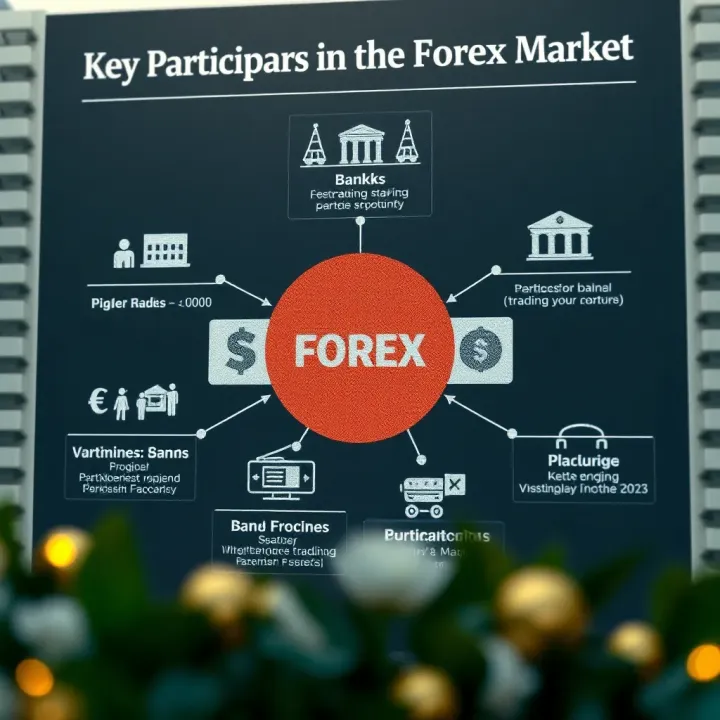
The forex market is one of the largest and most active markets worldwide, driven by various players including banks, central banks, hedge funds, retail traders, and corporations looking to hedge currency risks. Each participant has a different motivation, affecting market movement.
Trading happens 24 hours a day, segmented into major sessions: Sydney, Tokyo, London, and New York. For South African traders, the London and New York sessions often have the most impact, with increased liquidity and volatility that create opportunities—but also risks. Knowing these sessions helps you pick the right time to trade, avoiding those awkward moments when the market is sluggish.
A pip is the smallest unit of price change in a currency pair, usually the fourth decimal point — think of it as the 'heartbeat' of price moves. For example, if USD/ZAR moves from 16.5000 to 16.5050, that's a 5 pip move.
Lots define the size of your trade. A standard lot is 100,000 units of the base currency, but many brokers offer mini (10,000) and micro (1,000) lots, making forex accessible even for those starting small. Trading smaller lots lets you manage risk better.
Leverage allows you to control a large position with a small amount of your own money. For example, with 1:100 leverage, you can control 100,000 units with just 1,000 in your account. But be cautious—leverage amplifies both gains and losses, making it a double-edged sword.
In forex, the bid price is what buyers are willing to pay, and the ask price is what sellers want to get. The difference between them is called the spread. For instance, if USD/ZAR is quoted at 16.5000/16.5020, the spread is 20 pips.
Spreads can vary significantly depending on market conditions, currency pairs, and your broker. Narrow spreads reduce trading costs, but wide spreads can eat into your profits quickly. As a practical tip, keep an eye on spreads during news releases; they tend to widen, meaning trading costs spike.
Remember: Understanding these terms isn't just trading jargon — they are the tools that help you navigate the forex market smarter and more confidently.
In summary, having a solid grip on how the forex market functions and familiarizing yourself with its language sets you up to trade sensibly. This knowledge acts like a compass, steering you clear of pitfalls and guiding you towards opportunities tailored to South African traders and beyond.
Building a solid trading plan is like laying a strong foundation for a house – without it, everything else can crumble quickly. For South African traders navigating the forex market, a clear plan helps put structure around your trades, reduces emotional decision-making, and keeps you grounded when the market gets choppy. Beyond just outlining when to buy or sell, a good plan takes into account personal goals, risk appetite, and preferred trading styles.
Consider a trader who jumps in chasing quick profits without a plan. They might double their risk, overtrade, or ignore warning signs, losing money before they even know what hit them. On the flip side, having a strategy that details your goals, risk limits, and evaluation methods keeps you disciplined and better positioned for long-term success. Let's break down the core pieces of this puzzle.
It's tempting to expect fast wins in forex trading. But understanding the difference between short-term and long-term goals is essential. Short-term goals might be daily or weekly profit targets – like aiming for 1% gains per week—while long-term goals focus on bigger picture achievements, such as consistent monthly returns or growing your account by a certain percentage over a year.
Realistic expectations prevent frustration. For example, expecting a 20% monthly return is generally unrealistic and risky, especially for new traders. Better to aim for steady, manageable growth. A trader might set a short-term goal of making 10 profitable trades a month and a long-term goal of increasing their account size by 30% within six months.
Your risk tolerance is your personal comfort level with losing money on trades. It's vital that your goals align with how much risk you can stomach, both financially and emotionally. If someone sets aggressive profit targets but panics at small losses, this mismatch can lead to impulsive decisions and blowups.
For instance, if you are naturally cautious, set smaller, safer profit targets with tighter stop-losses. Conversely, if you don’t mind taking larger risks, higher targets may be appropriate, but with a clear plan to protect your capital. Reflect on past experiences or try some demo trading to gauge how much risk feels right. Your plan should never push you into discomfort territory.
Choosing a trading style is like picking the right route for your trip – each has its own pace and scenery. Scalping involves quick trades lasting seconds to minutes, aiming for small profits regularly. Day trading holds positions within a single day, closing out before the market ends. Swing trading is about riding out trends over several days or weeks, targeting bigger moves.
Each style demands different time commitments and skills. Scalping requires intense focus, quick decision-making, and often higher transaction costs, so it's best if you can dedicate uninterrupted hours. Swing trading suits those with overnighters and less screen time but requires patience and solid technical reading skills.
Personality plays a big part in what trading style clicks with you. Are you the type who thrives on adrenaline and rapid-fire decisions? Scalping or day trading might fit well. Prefer analyzing the market and waiting for steadier trends? Swing trading could be your groove.
Try experimenting with small positions in different styles, or use demo accounts to get a feel for each without risking real money. Reflect on your daily routine too: if you have a full-time job, scalping around the clock isn't feasible. Ultimately, the best trading style is one that feels sustainable and aligns with your lifestyle and mindset.
"Trading isn’t just about charts and numbers; it’s deeply personal. Know yourself first, and the market comes next."
By setting realistic goals and picking a trading style that matches your personality and risk appetite, you'll create a solid plan that can steady your trading journey amid the market's ups and downs.
Managing risk is the backbone of successful forex trading. Without proper controls, even the best strategies can fall apart under the strain of unexpected market moves. For South African traders especially, understanding practical risk management techniques helps protect your trading capital and sets you up to trade with confidence and discipline.
Risk management isn’t just about avoiding losses—it’s about striking a smart balance between risk and reward, so your gains outweigh the times the market doesn’t go your way. This means using tools and tactics tailored to your trading style, capital size, and market conditions to keep your financial health intact.
Protecting your capital
Stop-loss orders act like a safety net for your trades. If the market swings against you, a stop-loss automatically closes your position at a preset price, preventing deeper losses. Imagine you bought EUR/USD at 1.1200, hoping for a rise, but set a stop-loss at 1.1150; this limits your loss to 50 pips instead of watching your losses pile up. This is essential because it stops emotions from pushing you to hold losing trades longer, which can be costly.
Using stop-loss orders doesn’t guarantee profits, but they are critical in maintaining discipline and safeguarding your bankroll. Especially in volatile markets or during unexpected events like a South African Reserve Bank interest rate announcement, stop-loss orders help prevent catastrophic losses.
Setting effective exit points
Knowing where to take profits is just as important as limiting losses. Take-profit orders lock in gains when the market hits a favorable level. Setting exit points should be based on realistic targets derived from technical analysis or the market’s historical price ranges.
For example, if you identify a resistance level around 1.1300 for EUR/USD and entered at 1.1200, you might place a take-profit just below that at 1.1290 to ensure your order gets filled. Balancing your take-profit with your stop-loss maintains a suitable risk-reward ratio, often recommended as 1:2 or better. That way, even if you win only half your trades, your profits can still outpace your losses.
Calculating appropriate trade size
Many traders overlook the importance of trade size, but it directly controls how much money you risk per trade. The golden rule: never risk more than 1-2% of your trading capital on a single trade. If you have R10,000 in your account, risking R100 to R200 per trade helps you survive losing streaks without wiping out your balance.
Calculating this involves knowing your stop-loss in pips and the pip value of the currency pair you’re trading. For instance, if your stop-loss is 50 pips and you want to risk R100, you’d trade a position size where each pip is worth R2 (R100 ÷ 50 = R2 per pip). This disciplined approach keeps your risk consistent and manageable.
Managing leverage responsibly
Leverage can turn a modest account into a powerhouse, but it’s also a double-edged sword. Brokers often offer high leverage ratios (like 1:100 or even more), tempting traders to risk more than they can handle. Responsible leverage use means scaling down to levels aligned with your experience and risk tolerance—for many retail traders, 1:10 or 1:20 is a safer bet.
Ignoring leverage risks can lead to blowing your account faster than you expect, especially during sharp market moves or slippage in illiquid times. Instead, focus on using leverage that complements your position sizing and stop-loss strategy rather than magnifies risk. For South African traders, taking note of regulations by the FSCA regarding leverage caps is also essential.
Protecting your trading capital isn’t about avoiding all risks—it’s about managing them wisely so your trading business can grow steadily and sustainably. Start small, plan your moves, and keep your emotions in check.
Incorporating these practical risk management techniques is key. They act as your safety measures in the unpredictable world of forex and give you the confidence to trade smarter, not harder.
Understanding how to analyze the forex market is a key skill that separates casual traders from those consistently making smart, informed decisions. It’s not just about guessing which way the market might move but using data and patterns to support your trades. By sharpening market analysis skills, traders can spot opportunities, avoid unnecessary risks, and increase the odds of success. In the South African context, where factors like Rand volatility and local economic releases play a big role, being able to read the market accurately offers a distinct advantage.
Charts are like the heartbeat of the forex market—they show price movements over time. Spotting a trend, whether the price is generally rising or falling, can guide you on when to buy or sell. For example, if you see the USD/ZAR pair steadily climbing over weeks, entering a long position might be sensible. Recognizing patterns such as head and shoulders or double bottoms can also clue you into potential reversals or continuations. This helps you avoid chasing the market after a move has peaked, which often leads to losses.
Indicators like the Moving Average Convergence Divergence (MACD) or Relative Strength Index (RSI) give extra layers of info beyond just price action. The RSI, for example, helps identify overbought or oversold conditions, which can hint at upcoming corrections. The MACD shows momentum shifts that often precede trend changes. Using these tools together can improve the timing of your trades. It’s crucial to remember though, relying solely on one indicator might mislead you—combining a few means better confirmation. For instance, if the RSI shows oversold and price hits a strong support level, that could signal a good entry point.
Economic indicators like inflation rates, GDP growth, or unemployment figures affect currency values, often making big waves. When South Africa releases its Quarterly GDP report or interest rate announcements come from the SARB, markets can swing sharply. Keeping an eye on a calendar of these events is vital because even the best technical setup can get wiped out by unexpected news. For example, a strong Non-Farm Payrolls report from the US can strengthen the USD, impacting pairs like USD/ZAR instantly.
The South African Reserve Bank’s stance on interest rates is a major driver of Rand movements. When they raise rates to curb inflation, the Rand often strengthens, attracting foreign capital. Conversely, political uncertainty or geopolitical conflicts can shake markets and cause spikes in volatility. Traders need to track such developments because they often cause rapid price shifts that technical charts may not fully predict. Understanding the political landscape alongside monetary policy helps traders anticipate these moves more wisely.
Relying only on chart patterns or just fundamental news is like seeing half the picture. Combining these approaches gives a better view. For instance, if technical analysis suggests a bullish trend but upcoming economic data looks weak, a trader might hold off or reduce position size. Cross-checking your signals means looking for alignment between price charts, indicators, and news events before pressing the button.
One common trap is jumping into trades based on a single signal, only to be stopped out quickly. False entries drain your account and patience. Using multiple confirmation points—like waiting for a trend line break confirmed by rising volume or aligning that with supportive economic data—can help cut down on these costly mistakes. For example, if the EUR/ZAR chart shows a breakout but the ECB announces dovish policies, the move might be a fakeout, so delaying entry could save you.
Pro Tip: Successful traders often say that good market analysis is about stacking the odds in your favor. There’s never a sure thing, but the more tools and angles you use, the clearer your trading picture becomes.
By blending technical signals with fundamental insights, and always verifying before acting, traders can navigate forex markets with more confidence and control. This approach reduces impulsive moves and keeps risk in check, paving the way for steady progress rather than wild swings.
Successful forex trading isn’t just about charts, signals, or strategies—it’s about how you manage yourself day-to-day. Developing solid trading habits and the right mindset can make all the difference between consistent results and wild swings. Without emotional control and discipline, even the best trading plan can fall apart. Think of trading like sailing a boat; knowing how to read the sea is important, but staying steady when storms hit is just as critical.
Traders often underestimate habits like patience and discipline, yet these habits keep impulsive decisions in check, helping to protect capital and profit over time. Discipline enables you to stick to a plan even when your gut says otherwise, while good habits, like maintaining a journal, create a feedback loop of learning and improvement.
Resisting the urge to jump into trades without a clear setup is tough but essential. Impulsive trades often come from emotions like fear or greed rather than thoughtful analysis. For example, after a series of wins, a trader might rush into a trade to “keep the streak going,” ignoring signals that warn against it. This behavior can quickly wipe out profits.
Practical steps to avoid impulsive trades include setting predefined entry criteria and strictly following them. Use alert tools on your trading platform like MetaTrader 4 or TradingView to signal ideal conditions. Pausing for a few minutes before placing any trade can filter out knee-jerk reactions. Remember, good trading is often about waiting for the right moment, not chasing every move.
Forex trading is a rollercoaster—up one day and down the next. Managing your reactions to both wins and losses helps maintain balance. Celebrating a win is fine, but overconfidence can lead to reckless decisions. Similarly, taking losses personally or getting emotionally deflated can cause a trader to double down or quit prematurely.
One practical approach is to treat each trade as just one in a long series, not a defining moment. This mindset reduces emotional swings. Set realistic expectations: maybe you aim for a 50% win rate but maintain a positive risk-to-reward ratio. Regularly remind yourself that losing trades are part of the game. Mentally rehearsing how you’d react to losses before they happen can also help keep cool when they do occur.
A trading journal isn’t just a diary; it’s a vital tool for growth. Writing down every trade—entry, exit, size, thoughts, and emotions—lets you step back and see patterns that aren’t obvious in the heat of the moment. For example, you might notice you consistently enter trades late or exit too early, costing you potential profit.
Keeping notes on market conditions alongside your trades can also show which strategies work best in certain environments. Over time, this data becomes a tailor-made playbook that highlights your strengths and reveals weaknesses.
Trading without adapting is like driving a car that only goes in a straight line. Markets change, and your strategies must evolve. Regularly reviewing your trading journal can spark ideas for tweaks. Suppose you find a particular indicator works well during high volatility but poorly otherwise—adjusting your approach to match the context improves results.
The journal also fosters a habit of continuous learning. Maybe after a losing streak, you revisit economic news or technical analysis methods for fresh insights, all recorded for reference. This ongoing refinement helps keep your edge sharp instead of relying on outdated tactics.
"Discipline and reflection are the twin engines behind lasting success in forex." Trading is a personal journey requiring patience, emotional control, and the willingness to learn from every trade, win or lose.
In short, cultivating strong trading habits and the right mindset works quietly behind the scenes, supporting everything from risk management to strategy execution. Without them, even the best tools won't bring consistent success.
Understanding the unique forex trading environment in South Africa is key for local traders aiming for success. The market here has its own quirks influenced by regulatory frameworks, popular currency pairs, and economic conditions. This section sheds light on practical tips that are directly relevant to South African traders, helping them navigate local pitfalls and capitalize on regional opportunities.
The Financial Sector Conduct Authority (FSCA) regulates forex brokers in South Africa to ensure fair trading and protect investors’ interests. It’s crucial to trade with brokers registered under the FSCA as they adhere to strict standards regarding client fund protection and transparency. For example, many brokers must keep client money in segregated accounts, reducing the risk of misuse.
FSCA regulation also means traders have legal recourse if disputes arise. Beginners often overlook this, but it’s a vital safeguard. Simply put, never trust brokers outside FSCA’s scope. Some unlicensed brokers lure traders with flashy bonuses but can disappear overnight, leaving you holding the bag.
When picking a broker, besides FSCA registration, look for features like competitive spreads, fast trade execution, and clear withdrawal policies. IG Markets South Africa and HotForex are solid examples of brokers with good reputations locally.
Check user reviews but take them with a pinch of salt—some might be biased. More reliable is testing demo accounts to assess platform ease and execution speed. Also, confirm that the broker offers support during South African trading hours; local customer service can make a big difference.
The South African Rand (ZAR) often trades against major currencies like the US Dollar (USD/ZAR), Euro (EUR/ZAR), and British Pound (GBP/ZAR). These pairs tend to be more volatile than other majors due to South Africa’s economic factors such as commodity prices and political events.
For instance, fluctuations in gold prices can move USD/ZAR substantially since South Africa is a major gold exporter. Local traders should monitor commodity markets alongside forex charts for better insight.
Trading ZAR pairs offers opportunities linked to strong local market moves, but also higher risk due to potential sharp swings. A sudden political development or changes in government policy can cause unexpected volatility.
To manage this, South African traders can employ tight stop-loss orders and avoid over-leveraging. For example, during the country’s election periods, markets tend to jitter, so scaling back trade size can protect your capital.
South African forex trading requires understanding local regulatory safeguards and market peculiarities to turn challenges into profitable trades.
By focusing on FSCA-registered brokers and staying sharp on ZAR pair movements, traders can build a strategic edge suited to their environment.
Understanding common pitfalls in forex trading is just as important as mastering the strategies to succeed. Many traders, especially beginners, fall into traps that can erode their capital and shake their confidence. Recognizing these missteps early on can save you both money and heartache, allowing you to trade smarter and stay consistent in the long run.
South African traders, like those everywhere, face unique challenges such as fluctuating ZAR pairs and regulatory nuances. Steering clear of widespread mistakes ensures you maintain a good grip on your trades and increases the chance to profit steadily.
One of the sneakiest traps in forex trading is the urge to jump into the market too often, thinking more trades mean more wins. The truth is, overtrading usually leads to burning through your account faster than you can recover. Traders sometimes confuse busyness with productivity, ending up placing low-quality trades out of boredom or impatience.
For example, instead of waiting for a setup where all indicators align, a trader might leap in on weak signals just to be active. This habit often results in losses stacking up. Prioritize quality over quantity—sometimes sitting out and observing the market rhythm is your best move.
Remember, every trade should have a clear reason behind it, not just the desire to be in the game.
Patience is more than a virtue in forex trading—it’s a survival skill. Successful traders wait for the market to show them a clear edge before committing their capital. This means having predefined criteria for entry, such as a strong support or resistance level combined with a confirming indicator.
For instance, if you’re trading the EUR/ZAR and notice a potential breakout, don’t rush. Watch how price behaves around key levels. If the breakout falters or volume is low, waiting can protect you from false moves.
By holding out for setups that meet your strategy’s rules, you reduce noise, limit losses, and protect your bottom line.
Leverage is like a double-edged sword: it magnifies profits but also losses. Many new traders get caught up in the excitement and use high leverage without fully grasping the risk. For example, using 1:100 leverage means a 1% move in price can wipe out your entire account if you’re not careful.
South African brokers often offer high leverage options, but this doesn’t mean you should take advantage indiscriminately. Overleveraging might feel like a shortcut to profits, but it more often ends with blown accounts and frustration.
Proper risk management means understanding how much of your capital you’re willing to risk per trade and sticking to it, no matter what.
One of the simplest but most effective risk controls traders can implement is setting stop-loss orders. These predefined limits automatically close your position and prevent losses from ballooning. Pairing stop-loss with take-profit points ensures you lock in gains when the market moves your way.
Moreover, position sizing plays a vital role. For example, risking 1-2% of your trading capital on a single trade is a commonly recommended rule. So, if your account size is R10,000, your stop-loss should reflect a loss no greater than R100-200 if the trade goes against you.
By setting these limits, you shield your funds from unexpected swings and get a chance to trade again another day.
Consistent application of risk management turns forex trading from gambling into a professional endeavor. No matter how confident you feel, keep limits in place.
Avoiding these mistakes helps build a foundation for a smoother trading experience, especially in the volatile forex markets that South African traders face. Taking it slow, respecting risk, and trading with discipline will put you miles ahead of those who make impulsive decisions in search of quick wins.
🇿🇦 Master forex trading in South Africa with practical tips and strategies! Learn risk management, analysis, and avoid common mistakes for success. 📈💡
📈 New to forex trading in South Africa? Learn practical tips on risk management, picking brokers, and smart habits to trade confidently and succeed.
📈 Boost your forex trading skills in South Africa with practical tips on market basics, risk management, and smart decision-making to avoid common mistakes.
📈 Thinking of forex trading in South Africa? Learn how the market works, key players, risks, and practical tips to start confidently with this clear guide.
Based on 7 reviews