
Forex Trading Guide for South African Beginners
📈 Thinking of forex trading in South Africa? Learn how the market works, key players, risks, and practical tips to start confidently with this clear guide.
Edited By
Amelia Foster
Forex trading live accounts put you directly into the thick of the currency market using your own money. Unlike demo accounts where virtual funds are used to practise, live accounts expose you to real profit and loss, reflecting market swings in genuine terms.
For South African traders, understanding how these accounts function is key before stepping onto the trading floor. Live accounts let you buy or sell currency pairs like USD/ZAR or EUR/ZAR with actual capital, demanding careful risk management given the unpredictable nature of forex markets.
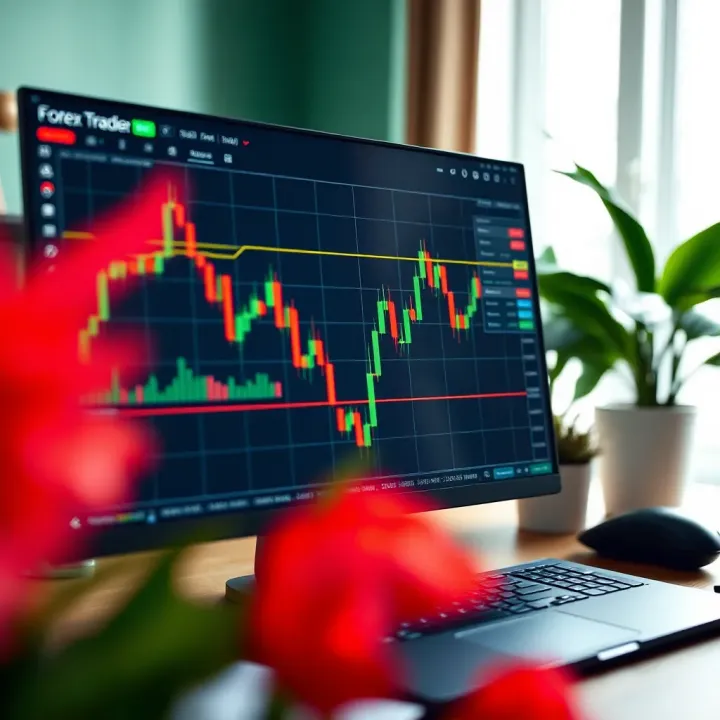
Trading a live forex account isn’t just about numbers; it’s about feeling the pulse of global markets in real time, making decisions that have actual financial consequences.
Real money trading: You invest South African Rand (R) or other accepted currencies and face genuine gains or losses.
Direct market exposure: Trades execute at live market prices, subject to volatility.
Leverage: Brokers typically offer leverage, magnifying potential profits and risks.
Spreads and commissions: Costs vary between brokers and pairs, affecting overall profitability.
Trading live involves real risks, amplified by loadshedding or unstable internet connections common in some areas, which can disrupt trades or lead to missed opportunities. Brokers regulated by the Financial Sector Conduct Authority (FSCA) add a layer of security, ensuring your funds and trades operate within legal frameworks.
Managing leverage wisely is crucial. For example, if you use 1:100 leverage, a modest price move in the currency pair can wipe out your initial deposit if not managed properly.
Choose a regulated broker: Preferably FSCA-registered for trustworthy service.
Understand spread costs and commission structures: This impacts your break-even point.
Start with manageable deposits: Avoid risking large sums upfront.
Test with a demo account first: To get a feel for market action and platform use.
Getting familiar with these aspects will help you trade smarter and avoid common pitfalls. Next up, we'll compare live and demo accounts to clarify how your experience changes when you move beyond practising.
A forex trading live account lets you trade currencies using real money rather than virtual funds. This means every decision you make has actual financial consequences, unlike demo accounts where you only deal with simulated funds. For South African traders, understanding how live accounts work is essential before putting money on the line, as it shapes how you approach risk, strategy, and execution.
Real money trading environment
Live accounts reflect the true dynamics of forex markets—real prices, real spreads, and real order execution. When you open a live account, your trades take place in an environment where profit or loss affects your actual capital. For example, if you buy EUR/USD with R10,000 and the market moves in your favour, the gain is yours to keep. On the flip side, losses mean a hit to your wallet. This setup pushes traders to build discipline and follow risk management closely, as there’s a lot more at stake than points or game credits.
Contrast with demo accounts
Demo accounts offer a risk-free playground where you can test strategies without losing real money. While this is useful for learning, demo trading often doesn’t prepare you for the emotional pressure of live trades. You won’t experience the stress of seeing your capital dwindle or the temptation to overtrade. Many traders find that when they switch to a live account, their behaviour changes sharply due to psychological factors absent in the demo environment. So, a live account is better for gaining experience that truly mirrors market conditions.
Order execution and pricing
In a live account, your orders interact with actual market liquidity. Prices fluctuate constantly based on supply and demand, and your trades get executed at real-time rates. This means you might face slippage—a situation where your executed price differs from your expected entry or exit point, especially in volatile markets. For example, news releases can cause rapid price moves, resulting in your order filling slightly higher or lower, impacting profit or loss. Understanding execution nuances helps you manage expectations and set realistic stops.
Leverage and margin functionality
Live accounts commonly offer leverage to amplify your market exposure using a fraction of your funds as margin. For instance, with 1:100 leverage, a R1,000 deposit lets you control R100,000 worth of currency. While this can boost profits, it equally magnifies losses. It’s vital to grasp how margin requirements work to avoid margin calls, where brokers ask for additional funds or close your positions to limit losses. Especially for South African traders, choosing suitable leverage levels helps protect capital from sudden market swings and limits overexposure.
Trading with a live forex account isn’t just about clicking buttons; it’s about managing real risks, emotions, and market mechanics in a straightforward, practical way.
By understanding what live accounts involve, especially how they differ from demo setups and operate in actual markets, South African traders can make informed choices that balance opportunity and risk effectively.
Live trading accounts expose traders to the real market, where actual money changes hands. Conversely, demo accounts simulate trading using virtual funds, offering a safe playground to learn without financial risk. This distinction is vital because the experience, particularly psychological, differs sharply between these two.
Trading real money evokes genuine emotions—excitement when gains stack up, anxiety or frustration during losses. These feelings can cloud judgment, leading to impulsive decisions. For instance, a trader using a demo account might stay calm after a losing streak, but in a live account, they might overtrade or panic-sell. Recognising and managing these emotional reactions is crucial for long-term success.
Discipline takes centre stage when real funds are involved. Unlike demo trading, where losses don’t hurt, live trading requires strict adherence to stop-loss levels and position sizing. Many traders fail because they abandon their strategy after a loss or try to chase profits recklessly. A disciplined approach, reinforced by solid risk management, helps protect capital during volatile periods and builds consistency.

In live trading, slippage happens when orders execute at a different price than expected, often due to fast market moves or low liquidity. This can increase losses or reduce profits, something demo accounts usually don’t replicate accurately. Similarly, spreads—the difference between buying and selling prices—can widen during volatile times, making trades more expensive. Demo platforms often offer fixed spreads that don’t reflect these real market fluctuations.
Execution speeds tend to be faster and more reliable in demos because they bypass real market infrastructure. In contrast, live executions depend on broker technology, internet quality, and market liquidity. Slow or delayed order execution in live trading can result in missed opportunities or entering trades at unfavourable prices. South African traders dealing with loadshedding or unstable internet should especially factor this in.
Understanding these differences between demo and live accounts equips traders to make better decisions, manage expectations, and prepare for the realities of trading with real money.
Always treat demo trading as a stepping stone, not a guarantee, for live trading success.
Anticipate emotional challenges once you start trading live.
Keep an eye on execution reliability and pricing conditions with your chosen broker.
By acknowledging these practical distinctions upfront, South African traders can approach live forex trading better prepared and more confident.
Trading forex with a live account in South Africa means using real money to participate in the currency markets. This step is critical because it moves you from simulated scenarios to actual financial exposure. The practical benefits include access to genuine market conditions, live pricing, and the opportunity to profit or lose real funds. But it also demands greater responsibility, such as choosing the right broker, ensuring compliance with local regulations, and selecting a suitable account.
Ensuring your broker is regulated by the Financial Sector Conduct Authority (FSCA) is essential. The FSCA protects traders by enforcing standards related to financial transparency, client fund segregation, and ethical conduct. Brokers with FSCA licences must adhere to these regulations, reducing the risk of scams or unfair trading practices. For example, if you choose an unregulated broker, you may face challenges withdrawing your funds or get exposed to unfair trading conditions.
Apart from regulation, checking a broker’s reputation through client reviews and independent forums helps form a practical view of their reliability. South African traders often share experiences about issues like withdrawal delays or hidden fees. For instance, a broker praised for swift payouts and responsive support gains trust, while one with numerous complaints tends to raise red flags. This step can save you time and stress later on.
South African law mandates that brokers comply with the Financial Intelligence Centre Act (FICA) to prevent money laundering and fraud. This means you must verify your identity and address before opening a live account. While it may feel like extra paperwork, it's a vital safeguard for the entire financial system and protects you as a client.
You’ll usually need to submit a certified copy of your South African ID or passport, a recent utility bill or bank statement showing your address, and sometimes proof of income or source of funds. These documents ensure the broker knows exactly who you are. For instance, without submitting these, your account could be restricted or closed.
Live forex accounts often come in different sizes: standard and mini. A standard account might require a higher minimum deposit (e.g., R10,000) and allow trading larger lot sizes, meaning more potential profit but higher risk. Mini accounts allow smaller trades with a lower entry point, useful for beginners who want to test the waters without risking too much. Picking the right type depends on your experience, risk appetite, and capital.
Many South African brokers let you open accounts in several currencies, including the South African Rand (ZAR). Trading with ZAR as your base currency can help avoid conversion fees and makes managing your funds simpler. However, if you trade currency pairs mostly quoted in USD or EUR, having a USD or EUR account might offer tighter spreads or better pricing. Choosing the right currency account aligns your trading needs with cost efficiency.
When opening a live forex account, taking time to select a reputable FSCA-regulated broker, preparing your documentation meticulously, and choosing an account type and currency that suits your goals are essential first steps for South African traders to trade confidently and securely.
Trading with real money exposes you to actual financial losses, so managing risk is non-negotiable. It’s not just about protecting your capital; it’s also about adopting habits that keep emotions in check and decisions rational. In South Africa’s volatile forex scene, where economic shifts and infrastructure hiccups like loadshedding can interfere, managing risk becomes part of sound trading practice.
A stop-loss order is your safety net—it automatically closes your position if the price moves against you beyond a fixed point. For example, if you enter a EUR/USD trade expecting the rand to strengthen, setting a stop-loss limits your loss if the market sways unfavourably. Take-profit targets work the other way, locking in gains when the price hits your desired level. Using both prevents emotional decisions during fast moves, where panic might cause you to exit too soon or hold on too long.
How much you risk per trade needs to be proportionate to your entire trading capital. Position sizing means adjusting the number of lots you trade so that any loss won’t severely dent your funds. Paired with this, controlling leverage is key. If you use too much leverage, even small adverse moves can wipe out your account. Many South African brokers offer 1:100 leverage or more, but it’s safer to start lower and increase only as you build confidence and skill.
Economic releases like SARB’s interest rate decisions, unemployment figures, or inflation stats can send forex prices swinging dramatically. South African traders especially watch events like US Federal Reserve announcements or geopolitical tensions that can rattle emerging markets. Keeping track of these lets you anticipate periods of higher volatility, when risk expands but rewards can also grow.
Loadshedding can interrupt your internet or power supply at crucial moments, risking missed trades or unmanaged positions. Many traders invest in backup plans: generators, uninterrupted power supplies (UPS), or mobile data as a fail-safe. Being prepared with these options allows you to respond promptly during South Africa’s frequent power outages.
Beginners often fall into the trap of trading too much, driven by the excitement or frustration of early wins and losses. This leads to poor decisions and mounting losses. Successful traders stick to their plan, pacing trades and avoiding knee-jerk reactions. Keeping a trading journal to review past mistakes helps curb these emotional swings.
A margin call happens when your account’s equity falls below the broker's required level due to losses. It’s a warning that you need to add funds or close positions to avoid forced liquidation. Many new traders don’t fully grasp margin calls and end up losing more than planned. Always monitor your margin level and avoid using full leverage capacity unless you understand the risks well.
Managing risk in a live forex account isn't about avoiding losses altogether—it’s about controlling how much you lose and growing steadily without panic or impulsive moves.
Master these principles and you’ll be better placed to navigate South Africa’s unique trading challenges with confidence.
Trading with a live forex account requires more than just luck or intuition. Learning to trade successfully means establishing solid habits and approaches to manage your risks and capital. This section breaks down practical tips that will help you make consistent progress, avoid costly mistakes, and boost your confidence when trading in the real markets.
Setting realistic profit and loss targets is a fundamental part of any competent trading plan. Instead of chasing big wins from the outset, aim for reasonable, achievable goals that match your capital and experience. For example, a beginner with a R10,000 account might set a target of 2% profit per week rather than going for unpredictable, large gains. Likewise, setting clear loss limits protects your funds and prevents emotional decisions — if a trade hits your stop-loss, accept the loss and move on rather than hoping the market will turn.
Consistency in your trading approach is just as vital. The markets don’t reward erratic behaviour, so adapting your strategy while maintaining discipline makes all the difference. You might find that your initial method works well during stable market conditions but needs tweaking when volatility increases, say around South African Reserve Bank (SARB) interest rate announcements or global geopolitical events. Being flexible with your trades, while sticking to your overall plan, can help you navigate changing markets without throwing in the towel.
South African traders have access to several popular forex trading platforms, each offering distinct advantages. MetaTrader 4 (MT4) and MetaTrader 5 (MT5) remain favourites due to their user-friendly interfaces and wide range of features, including automated trading options. Meanwhile, brokers like FXTM and HotForex provide proprietary platforms designed to suit local traders. Selecting the right platform depends on your preferred trading style and the tools you want at your fingertips.
Using technical analysis tools and indicators correctly is a skill that improves with experience. Basic indicators such as the Relative Strength Index (RSI), moving averages, and Bollinger Bands help you identify trends and potential entry or exit points. For instance, a trader might use a 50-day moving average crossover as a signal to enter a buy position. These tools reduce guesswork by providing insights based on past price movements but should be used alongside other analysis methods to confirm decisions.
Staying updated with economic calendars and news is critical for live trading. Key events like SARB meetings, US non-farm payroll reports, or unfolding political developments can cause sharp price swings. Scheduling regular checks on these announcements lets you prepare or adjust your trades to minimise unexpected losses. Even routine news like oil price changes or commodity updates matter, especially for ZAR pairs influenced by South Africa’s resource economy.
Joining local and global forex communities adds an extra layer of support and insight. Groups on platforms such as Telegram, Facebook, and dedicated forex forums allow you to exchange ideas, ask questions, and learn from experienced traders. Connecting with fellow South African traders can offer shared experiences around practical challenges like loadshedding interruptions affecting internet access. Being part of a community helps you stay motivated and refine your skills through real-world feedback.
Successful trading is as much about preparation and learning as it is about execution. Being patient, disciplined, and well-informed will set you apart from casual gamblers and improve your long-term results.
📈 Thinking of forex trading in South Africa? Learn how the market works, key players, risks, and practical tips to start confidently with this clear guide.

Discover what a Forex trading seminar in South Africa offers 📈, how to pick the best one, and practical tips to boost your trading skills afterward 💡.

🌍 Explore free forex trading in South Africa! Learn how to start without money, use demo accounts, pick brokers, and trade smartly with no upfront cost.
📚 Discover how top forex trading schools in South Africa equip you with skills, training types, and tips to trade confidently and avoid common pitfalls.
Based on 7 reviews