
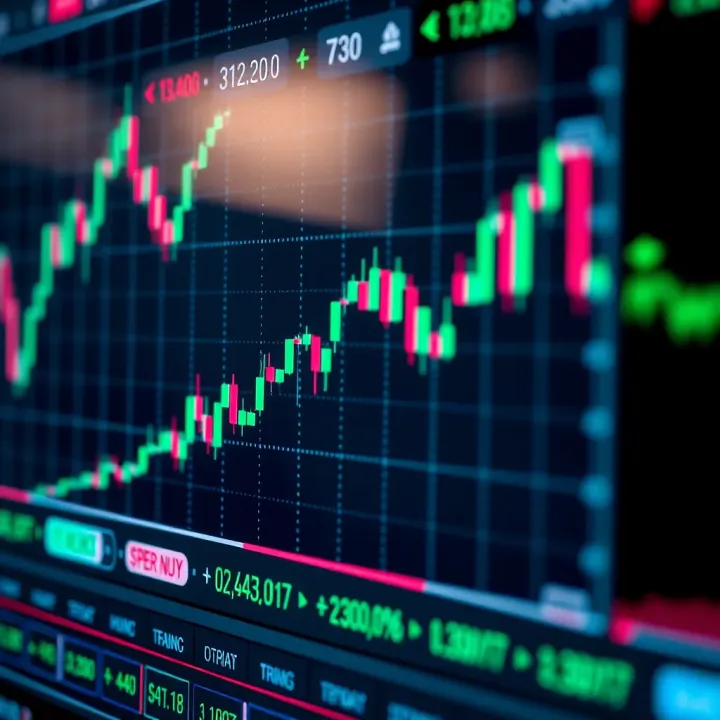
Forex Trading Basics for South African Beginners
📈 Start forex trading with confidence! Learn how forex works, essential strategies, risk management, and South African tips from a trusted 2022 guide 🇿🇦💰
Edited By
Charlotte Bennett
Foreign exchange trading, or forex, is the global market where currencies are bought and sold. For South Africans keen on expanding their investment horizons, understanding forex opens new doors beyond local markets like the JSE. This guide focuses specifically on how forex trading operates from a South African perspective, highlighting what matters most for those stepping into this space.
The forex market functions 24/5, moving trillions of dollars daily, influenced by factors like interest rates, economic reports, and geopolitical events. While it offers high liquidity and potential for quick gains, it’s also a high-risk environment requiring solid knowledge and practical preparation.
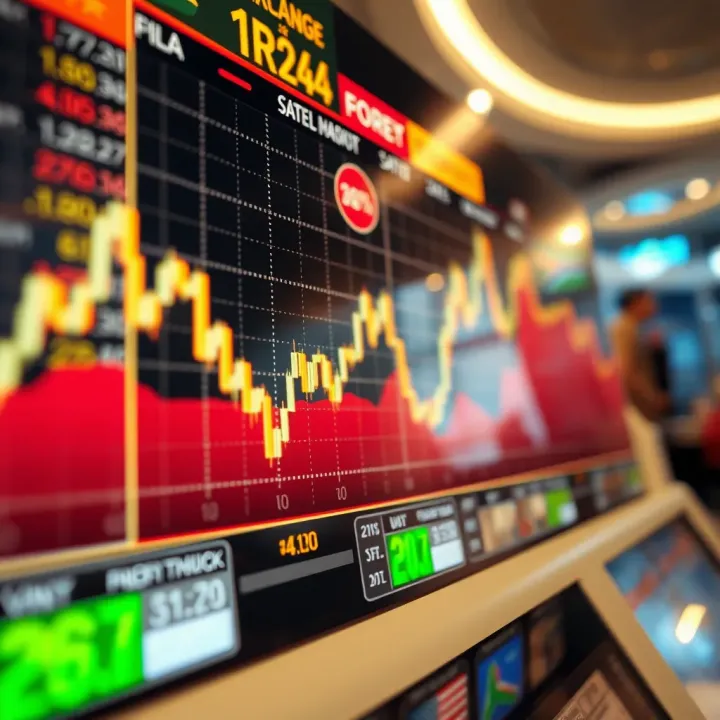
South Africans face unique considerations when trading forex: the regulatory framework set by the Financial Sector Conduct Authority (FSCA), challenges presented by the rand’s volatility against major currencies, and the impact of local issues such as loadshedding on market access.
Trading forex isn’t a guaranteed way to make money — caution, strategy, and discipline are key for any trader.
Getting started requires more than just opening an account with an online broker. Understanding currency pairs, leverage, margin calls, and trading platforms is essential. For example, the ZAR/USD pair often reflects local economic sentiment and is a common focus for South African traders.
Beginners should:
Choose FSCA-regulated brokers to ensure compliance and protection.
Start with demo accounts to practise without risking capital.
Keep an eye on economic indicators from both local sources (like SARB statements) and global centres.
By mastering these basics, traders can better navigate forex’s ups and downs, avoiding costly mistakes while spotting genuine opportunities. This guide aims to offer clear, practical advice tailored to South Africa’s trading environment, helping you make smarter decisions from the outset.
Understanding forex trading is the foundation for anyone looking to navigate the currency markets confidently. This knowledge helps traders make better decisions, manage risks, and spot opportunities specific to their trading style. For South Africans, grasping these basics is particularly relevant due to factors like the influence of commodity prices on the rand and how local market hours sync with global forex sessions.
Forex trading, or foreign exchange trading, involves buying one currency while simultaneously selling another. Traders try to profit from fluctuations in exchange rates between currency pairs. For example, a trader might buy the US dollar against the South African rand (USD/ZAR) if they expect the rand to weaken.
This market is unique since it’s entirely electronic and decentralised, with no single physical location. That means traders from Johannesburg or Cape Town can participate as easily as those in London or New York.
Currencies are always quoted in pairs because you’re exchanging one currency for another. The first currency in the pair is called the base currency, and the second is the quote currency. Take EUR/USD for instance: buying means you’re buying euros and selling dollars simultaneously.
This pair format allows you to understand exactly how much of the quote currency you need to buy one unit of the base currency. For South Africans, common pairs include USD/ZAR or EUR/ZAR, directly affecting how traders hedge against rand volatility.
The forex market is massive—over $6 trillion trades daily, far bigger than any stock market. This high volume means it’s very liquid, so you can enter and exit trades quickly. For South African traders, liquidity means tighter spreads and less price manipulation.
Because forex operates 24 hours across major financial centres, it suits those who want to trade beyond regular business hours or alongside a day job.
Spot trading involves the immediate exchange of currencies at current market prices. It’s straightforward and popular among retail traders looking for quick entries and exits. In contrast, contracts for difference (CFDs) let you speculate on price movements without owning the currency. CFDs are offered by brokers but come with different risks and costs.
For a new trader in South Africa, understanding this difference helps choose the right approach and broker.
Brokers act as intermediaries connecting you to the forex market. They provide trading platforms where you can analyse charts and execute trades. For South African forex traders, selecting an FSCA-regulated broker is key to ensure safety of funds and fair trading conditions.
Popular platforms like MetaTrader 4 or 5 offer tools tailored for both beginners and experienced traders, including technical indicators and automated strategies.
Forex trades 24 hours from Sunday evening to Friday night, moving through major hubs: Sydney, Tokyo, London and New York.
South African Standard Time (SAST) falls UTC+2, which means the London session runs roughly from 9 am to 5 pm SAST, offering high volatility and trading opportunities. The overlap between London and New York sessions around 3 pm to 6 pm SAST tends to be the most active, especially for USD/ZAR pairs.
Understanding local trading hours can help South African traders plan their sessions better and optimise market participation.
Understanding what moves currency prices helps forex traders make smarter decisions. Currency values don’t just float randomly—they react to a mix of economic data, supply and demand shifts, and geopolitics. For South African traders, grasping these factors is critical, especially given the rand’s sensitivity to both local and global events.
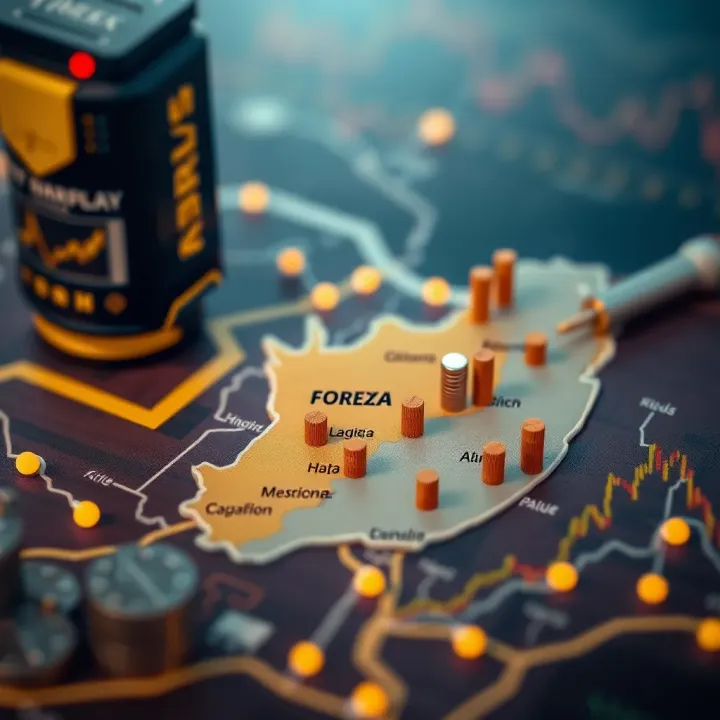
Interest rates and inflation influence forex markets directly. When the South African Reserve Bank (SARB) adjusts interest rates, it affects the return investors get on rand-denominated assets. For example, a hike in interest rates generally strengthens the rand because it attracts foreign capital seeking higher yields. Conversely, rising inflation without matching rate hikes can weaken the currency, eroding purchasing power and investor confidence.
Employment data and GDP reports offer vital clues about economic health. Strong employment figures often point to robust economic activity, which can support the rand. Similarly, GDP growth signals an expanding economy, attracting foreign investment. Traders watch carefully for quarterly reports from Stats SA and international data, as unexpected dips or gains can prompt swift currency moves.
Impact of geopolitical events cannot be ignored, especially with South Africa’s position in regional and global affairs. Political uncertainty, policy changes, or international tensions can trigger volatility. For instance, strikes at key ports or shifts in government leadership may unsettle markets, leading to rand depreciation. On the other hand, peaceful elections and diplomatic progress often boost investor confidence and the currency.
Central bank interventions include SARB’s direct or indirect actions to influence the rand’s value. While SARB rarely intervenes frequently in forex markets, it sometimes steps in to smooth extreme volatility or support the currency. Such moves send strong signals, so traders keep an eye on official statements and unexpected activity.
Market sentiment and trends play a big role in short-term currency movements. Besides data, traders follow news flow, social media chatter, and global risk appetite. For example, during times of global uncertainty, investors usually flee riskier assets like the rand, favouring safe havens such as the US dollar.
Role of commodity prices for the rand is particularly important for South African traders. The rand is often described as a commodity currency because it moves with prices of gold, platinum, and other resources South Africa exports. When commodity prices rise, they bolster export revenues and economic prospects, strengthening the rand. For instance, a surge in gold prices amid global tensions has historically supported the rand’s value.
Keeping tabs on these factors helps South African traders anticipate currency shifts and manage risk effectively. Combining economic news with supply-demand insights offers a clearer picture of possible market moves.
Understanding the risks and rewards is a key part of forex trading, especially for South Africans dealing with particular market dynamics and regulatory conditions. The forex market offers exciting opportunities, but it also carries distinct challenges that you need to handle smartly. This balance between potential gains and pitfalls shapes everything from your trading approach to how you select brokers and manage your capital.
Leverage allows traders to control larger positions with a relatively small amount of capital, which can magnify both profits and losses. In South Africa, leverage offered by brokers can be high, sometimes up to 1:200 or more. While it may sound tempting to amplify your potential winnings, leverage can equally wipe out your account quickly if the market moves against you. For instance, a 1% adverse move on a leveraged position might result in a 100% loss of your invested margin. This makes risk management critical — always use stop-loss orders and never risk more than you’re ready to lose.
The South African rand (ZAR) is an emerging market currency known for its volatility. Sudden swings often happen due to changes in commodity prices, political developments, or shifts in global risk appetite. For example, Eskom’s ongoing load shedding or unexpected changes in SARB policies can affect the rand’s value sharply. While volatility can create trading opportunities, it also increases risk, particularly for traders who are not prepared or lack experience in managing rapid price movements.
Forex scams continue to be a threat in the South African trading community. Unscrupulous actors may pose as brokers offering unrealistic returns or demanding upfront fees without proper regulatory oversight. Always verify that your broker is registered with the Financial Sector Conduct Authority (FSCA) and avoid any that promise guaranteed income or pressure you to invest large amounts quickly. Being vigilant and doing thorough research can save you from costly mistakes.
The forex market is highly accessible, making it possible for South Africans to start trading with a modest deposit and from home. Unlike shares or property, forex trades can be opened and closed within minutes, benefiting from deep liquidity as it is the largest financial market globally — daily turnovers exceed US$6 trillion. You can convert currency pairs instantly, and the presence of numerous brokers offering South African-friendly payment methods means entering the market is relatively straightforward.
Adding forex trading to your investment mix can reduce your overall risk. Since currency markets often move independently of South African equities or bonds, forex may shield your portfolio during tough economic periods. For example, if the local stock market dips due to political uncertainty, trading certain currency pairs like USD/ZAR or EUR/ZAR can provide alternative sources of return and potentially hedge exposure effectively.
The forex market operates around the clock from Sunday evening to Friday night South African time, enabling you to trade at your convenience — whether during your day job, evenings, or weekends. This continuous availability is especially attractive for traders who prefer flexible schedules. It also allows immediate reaction to news events from across the world, such as U.S. Federal Reserve announcements or sudden commodity price shifts, which can influence currency movements.
Forex trading isn't a quick win; understanding its risks and rewards helps you stay sane while navigating this fast-moving market. Manage risks wisely and tap into forex's flexibility and liquidity to broaden your financial horizons.
Getting started in forex trading demands more than just signing up on a whim. You need a clear path, focusing on reliable brokers, sound account setup, and a strong trading plan. These steps help you manage risks, understand the market, and avoid pitfalls common to beginners.
A trustworthy broker holds a licence from the FSCA, South Africa's financial watchdog. This regulation means the broker must follow rules protecting your funds and data, and operate transparently. For example, if a broker is FSCA-regulated, you’re less exposed to illegal practices like fraud or sudden account freezes.
Brokers earn through spreads—the difference between buying and selling prices—and sometimes additional fees. Look for tight spreads and low fees to keep trading costs manageable. Equally important is the trading platform's ease of use. You want something intuitive, with charts and tools that help you spot opportunities without fumbling around. Platforms like MetaTrader 4 or 5 are popular among South African traders.
Practicality matters when moving cash in and out of your trading account. Trusted brokers offer local bank transfers, EFTs, or payment options like Skrill and Neteller. Quick and affordable withdrawals can save you headaches, especially when the rand fluctuates. Beware brokers with complicated or delayed withdrawal processes.
Opening an account means proving who you are, in line with Know Your Customer (KYC) rules. This typically involves submitting your South African ID, proof of address, and sometimes bank statements. It’s straightforward but essential to keep your account active and compliant.
Before diving in with real money, most brokers offer demo accounts. These simulate live market conditions using virtual cash, letting you test strategies and get comfortable without risking your rand. Think of it as your training ground to avoid costly beginner mistakes.
When you're ready to trade with real money, use secure payment methods. Stick to direct bank transfers or well-known e-wallets instead of credit cards or unknown services. Protect your banking details and verify all transactions promptly.
A solid plan sets limits on how much of your account you risk per trade—often 1-2%. This prevents big losses wiping you out. Position sizing, the amount you trade, should match your risk tolerance. For instance, with a R10,000 account, risking R100 per trade fits this strategy.
While the rand (ZAR) pairs like USD/ZAR or EUR/ZAR attract local traders, diversifying with majors (USD/EUR, GBP/USD) can lower risk. Each pair behaves differently, so knowing their quirks aids smarter trading.
Charts show price history and patterns, essential for timing trades. Tools like moving averages, RSI, or Fibonacci retracements help gauge momentum and potential reversal points. Combine these with your market knowledge for informed decisions.
Taking these steps carefully means you’re not just guessing but trading with a plan suited to South Africa’s unique forex environment. Beware of shortcuts—success in forex is more about discipline and knowledge than luck.
For anyone venturing into forex trading in South Africa, having access to reliable resources and support is key. The forex world moves quickly, and staying informed with local knowledge helps avoid costly mistakes. This section highlights the practical tools and communities South African traders can tap into, making trading not just a shot in the dark.
South Africa has a growing number of training providers offering forex courses both in-person and online. Institutions like the Forex Academy South Africa and online platforms such as BabyPips provide structured learning targeted at beginners and intermediate traders. These courses cover everything from basic currency pairs to advanced charting techniques, making them ideal for those who want to build a strong foundation.
Besides formal training, many online courses offer flexible options suitable for South African traders who juggle work and study. Local providers usually integrate examples relevant to the rand (ZAR) and South African economic conditions, which foreign courses might overlook.
Understanding key forex terminology and concepts is crucial before placing trades. Terms like "pip," "spread," "leverage," and "margin call" are part of everyday trading talk but can confuse newcomers. Grasping these concepts helps traders avoid misunderstandings, such as overleveraging their accounts—a common pitfall.
Having this jargon down pat means you can follow market analyses or broker instructions without hesitation. Learning to interpret basic chart patterns and indicators also speeds up decision-making, which is essential in the 24-hour forex market.
Staying updated with market news is another critical resource for traders. Events like an unexpected interest rate hike by the South African Reserve Bank (SARB) or political developments in key trading partners affect currency values overnight.
Regularly checking sources such as Bloomberg, Fin24, or even local business news helps you spot trends and potential risks. Setting alerts for crucial economic releases or reading daily forex summaries ensures you stay ahead rather than react late.
Joining forums and social media groups focused on forex trading is a practical way for South African traders to share insights and experiences. Platforms like the SA Forex Traders group on Facebook or dedicated subreddits provide a space to ask questions or discuss market developments.
This communal exchange can reveal real-time tips on brokers operating locally, common scams to avoid, and the latest trading strategies tested by fellow South Africans. More so, interacting with peers can build confidence when the market gets choppy.
Following South African market analysts adds another layer of nuanced understanding. Analysts who focus on the rand and emerging market currencies offer forecasts grounded in Mzansi’s economic realities — from Eskom’s loadshedding impacts to currency volatility linked to commodity prices.
Traders who watch these experts on platforms like YouTube or Twitter often get ahead on positioning their trades. Analysts’ commentary on fiscal policies or SARB meetings can provide context foreign analysts may miss.
Attending webinars and seminars tailored for South African traders is highly recommended. Events organised by brokers or financial education groups allow direct interaction with professionals, offering practical advice, Q&A sessions, and live demonstrations.
These gatherings can also introduce new tools, software, or updated regulatory information relating to the Financial Sector Conduct Authority (FSCA). Participating helps forge valuable connections that can support your trading journey long-term.
Consistent use of quality resources and engaging with local communities not only sharpens your trading skills but also lowers the risk of costly errors in the volatile forex market.
Together, these resources form the backbone of well-informed trading practice for South Africans keen to trade currencies profitably and safely.
📈 Start forex trading with confidence! Learn how forex works, essential strategies, risk management, and South African tips from a trusted 2022 guide 🇿🇦💰
🌍 Learn forex trading basics in South Africa 🇿🇦 with clear steps, key strategies, risk tips, and practical resources to start confidently and safely in 2021.
📈 Thinking of forex trading in South Africa? Learn how the market works, key players, risks, and practical tips to start confidently with this clear guide.
📈 Explore online forex trading courses made for South Africans 🇿🇦. Learn to spot trusted platforms, understand regulations, and practise trading skills from home.
Based on 5 reviews