
Key Forex Trading Strategies Explained
Learn essential forex trading strategies and risk management tips to improve your currency market moves 📈. Perfect for beginners and seasoned traders alike!
Edited By
Harry Dawson
Gold has long been a trusted asset for traders, investors, and savers alike. In the forex market, it plays a unique role — often seen as a safe haven during uncertain times or currency volatility. But understanding how gold behaves in relation to currencies, geopolitical events, and economic indicators can give you a real edge.
Unlike most forex pairs, gold doesn't yield dividends or interest. Its value is driven largely by supply and demand dynamics, inflation expectations, global economic health, and sometimes sheer market sentiment. In South Africa, gold trading resonates keenly given the country’s rich mining history and the commodity’s impact on the rand.
What sets gold apart in forex trading is its inverse relationship with the US dollar. When the dollar weakens, gold prices typically climb because it becomes cheaper for holders of other currencies. Conversely, a strong dollar usually weighs on gold. But this is not a hard rule; events like political unrest or rising inflation can disrupt the usual patterns.
For traders here, understanding these dynamics means thinking beyond just charts and technicals. Factors such as Eskom’s unreliable power supply affecting mining operations or shifts in global demand from China and India influence gold’s price movements.
Successful gold traders combine keen market observation with tailored strategies that consider gold’s volatility and its tendency to spike during crisis moments, balancing risk carefully.
A few practical points to keep in mind:
Gold often moves opposite to traditional currency pairs linked to the dollar.
Economic releases from the US, like inflation numbers or employment data, can cause sharp swings.
Geopolitical tensions tend to boost gold’s appeal as a refuge.
Trading gold alongside related assets, such as the USD/ZAR pair, may offer strategic cross-market opportunities.
By blending fundamental insights with smart risk management, traders can use gold to diversify portfolios and protect against currency swings. The key is to stay alert to both local and global signals that drive gold’s price, not just follow the crowd blindly.
For South African traders, keeping an eye on the rand’s strength, mining production updates, and international economic shifts will make gold trading in forex not just more understandable, but potentially more profitable.
Gold holds a unique position within the forex market, straddling the line between being both a currency and a commodity. Understanding this dual role is vital for traders looking to diversify and manage their exposure effectively. Unlike traditional fiat currencies like the rand or dollar, gold isn't tied to any government policy or central bank decisions, which makes it a go-to asset during times of currency weakness or economic uncertainty.
Gold differs significantly from fiat money, which is currency declared legal tender by governments and backed by central authorities. While fiat currencies like the US dollar or the euro fluctuate based on monetary policy, economic data, and political events, gold’s value primarily derives from its scarcity, industrial uses, and its appeal as a safe haven. For instance, when the US dollar weakens due to rising debt or inflation fears, gold typically gains interest as investors seek something real and tangible to hold.
In practical terms, gold acts as a hedge against currency depreciation. Traders and investors often turn to gold when inflation accelerates or when currencies face devaluation, like what happened in Zimbabwe or Venezuela, albeit South Africa’s rand faces its own bouts of volatility, making gold relevant locally. Thus, gold can buffer against swings that fiat currencies might experience.
Historically, gold was the backbone of the global monetary system, with almost every currency once pegged to a fixed gold value under the Gold Standard. Though the system abandoned in the 1970s, gold's influence on global finance lives on. It’s still widely regarded as "money" because central banks hold significant gold reserves to stabilise their currency and instil confidence.
South African gold mines have been a cornerstone of the global supply, contributing to local economic strength. Knowing this context helps traders appreciate how geopolitical or mining developments in SA can ripple through forex markets tied to gold prices.
Gold preserves wealth over time, often outpacing inflation where cash holdings would lose purchasing power. During turbulent times like the 2008 financial crisis or the 2020 Covid-19 pandemic, gold prices surged as investors fled uncertainty. This makes gold appealing for forex traders aiming to protect capital or balance risk.
For local investors, gold also provides a form of diversification. While the rand may be volatile because of political uncertainty or loadshedding-related economic impacts, having exposure to gold can soften portfolio shocks.
Gold and the US dollar share an inverse relationship most of the time. When the dollar strengthens, gold prices tend to decline, and vice versa. This happens because gold is priced in US dollars globally; a stronger dollar means gold becomes more expensive in other currencies, usually dampening demand.
For forex traders, keeping an eye on US dollar indexes when trading gold offers valuable clues. For example, if dollar indexes drop due to a dovish Federal Reserve stance, gold might rally as a consequence. This interplay gives traders a framework for positioning their trades, especially in pairs involving the rand or emerging currencies.
Emerging markets, including South Africa and others in Africa, Asia, and Latin America, can experience ripple effects from gold price movements. For instance, currency values in countries with large gold exports may strengthen when gold prices rise as those countries see increased foreign exchange earnings.
Conversely, a steep drop in gold prices might hurt these currencies by shrinking revenues from mining exports. This dynamic is particularly relevant for the rand, as South Africa is one of the world’s top gold producers. Traders who understand this link can better anticipate movements in the ZAR relative to other currencies when gold prices shift.
Understanding how gold fits into the forex market helps you see beyond price charts – it's about grasping history, economics, and global currency interplays all at once.
By not treating gold solely as a commodity, but as a hybrid asset with currency-like qualities, traders gain an edge navigating complex forex terrains.
Understanding what moves gold prices is essential for anyone trading gold in the forex market. Gold doesn’t behave like typical currencies; its value responds to a mix of economic signals and physical supply and demand factors. By keeping tabs on these drivers, traders can make more informed decisions and better anticipate price swings.
Inflation and interest rates play a significant role in gold’s price. When inflation rises, the value of fiat currencies tends to drop, making gold more attractive as a store of value. For example, if South Africa experiences higher inflation than expected, traders often turn to gold to hedge against the declining purchasing power of the rand. On the other hand, interest rates impact gold because higher rates mean better returns on interest-bearing assets, which can reduce gold's appeal. If the South African Reserve Bank raises rates sharply, investors might shift from gold to bonds or fixed deposits, causing gold prices to soften.
Geopolitical tensions and crises usually push gold prices higher, reflecting its safe-haven status. Any instability—whether it’s conflict in the Middle East, trade disputes between major economies, or political unrest closer to home in KwaZulu-Natal—can trigger sharp increases in gold demand. Traders watching these developments might anticipate a spike in gold prices as fearful investors seek refuge from riskier assets. This effect is quite visible during periods of increased uncertainty, such as the South African municipal elections, where uncertainty around policy and service delivery can stir market jitters.
Mining output and production costs directly affect the supply side of gold. South Africa, while not the dominant global producer anymore, still has significant mining activities that impact local supply chains. If mining output drops due to labour strikes at major gold mines or rising operational costs, the tighter supply can push prices up. For instance, frequent strikes in the Witwatersrand mining region have historically caused price hikes by cutting supply unexpectedly.
Central bank reserves and jewellery demand shape gold's demand. Central banks, including the South African Reserve Bank and other global institutions, buy and hold gold to diversify reserves. Increased buying signals confidence in gold’s enduring value and can prompt upward price movement. Additionally, jewellery demand, especially from markets such as India and China, drives substantial physical demand for gold. Even South African consumers’ love for gold jewellery and traditional gifts keeps steady demand, affecting prices. When festive seasons kick off or during wedding months, demand can rise noticeably, nudging prices.
Keeping an eye on these factors can help you spot upcoming shifts in gold prices and adjust your forex trading strategies accordingly.
Traders who understand these influences—economic signals, geopolitical risks, and physical supply-demand shifts—stand a better chance to succeed in gold trading. Knowing why gold prices move can make your trades sharper and more responsive to real-world events.
When trading gold in the forex market, having a well-defined strategy shapes your chances of success. Gold behaves differently compared to standard fiat currencies, so traders must adapt their approach to fit its unique market dynamics. Understanding both technical and fundamental analysis tools equips you to spot entry and exit points, manage volatility, and react to economic events that sway gold prices.
Moving averages (MAs) smooth out price data, helping traders identify trends in gold prices. Commonly, traders use the 50-day and 200-day moving averages to determine shifts—crossovers can signal buying or selling opportunities. For example, if the 50-day MA crosses above the 200-day MA, it may hint at an uptrend starting. Conversely, a downward crossover might warn of price drops.
Alongside MAs, the Relative Strength Index (RSI) gauges momentum by measuring recent price gains against losses over a set period, usually 14 days. RSI values above 70 indicate the market might be overbought, suggesting a possible pullback. Below 30, gold is potentially oversold and due for a rebound. Combining MAs and RSI helps traders spot when gold is gaining strength or losing momentum, improving decision-making.
Support and resistance levels act as price floors and ceilings where gold tends to reverse direction. These levels often correspond to prior highs and lows or psychological round numbers, like R30,000 per ounce. Recognising these areas lets traders set realistic targets or stop-loss orders—vital in managing risk, especially during volatile periods influenced by local events like Eskom loadshedding or global shocks.
For instance, if gold repeatedly bounces off R29,500, that’s a support zone. If it struggles to breach R30,500, that’s resistance. A break beyond these can trigger significant moves, offering traders opportunities to ride trends or exit early before reversals.
Gold’s price reacts strongly to macroeconomic data. Inflation figures, interest rate decisions by central banks like the US Federal Reserve or the South African Reserve Bank (SARB), and employment reports influence investor sentiment. A rise in inflation often pushes gold prices up, as investors seek a hedge. Conversely, higher interest rates can make gold less attractive since it doesn’t pay interest.
For example, after SARB’s interest rate hike in 2023, some traders noted a dip in gold as the rand gained strength, making gold costlier in local terms. Keeping a calendar of these releases helps you anticipate volatile periods and adjust your trades accordingly.
Market sentiment often drives gold prices beyond pure numbers. Geopolitical tensions, trade disputes, or sudden events—such as the strain in supply chains during the COVID-19 pandemic—can spike demand for gold as a safe haven. Monitoring news feeds, social media buzz, and expert commentaries gives insight into prevailing moods.
In South Africa, local factors like political uncertainty or infrastructure issues can cause short-term price swings. Recognising these sentiment shifts aids in timing trades better, whether to jump in early on fear-driven rallies or cash out before corrections.
Combining both technical patterns and fundamental news offers a balanced view, helping traders trade gold in forex with more confidence and less guesswork.
By mastering these strategies, you position yourself to navigate gold’s quirks in the forex space, avoiding common pitfalls and capitalising on genuine opportunities.
Trading gold in the forex market comes with its fair share of risks, often driven by gold's inherent volatility and external factors that can unexpectedly shift prices. Managing these risks is essential if you want to protect your capital and make consistent gains. Gold is known to have more pronounced price swings than many other assets, so traders need to use risk management techniques tailored specifically for its market behaviour.
Understanding price swings in gold: Gold prices do not move in a smooth, predictable way. Instead, they can jump noticeably within short timeframes due to shifts in investor sentiment, geopolitical events, or economic news. For example, during periods of global uncertainty—such as a sudden escalation in trade tensions or unexpected inflation data—gold often experiences sharp upward or downward moves. This volatility offers opportunities for profit but also increases the risk of losses if positions aren’t carefully managed.
The practical takeaway is that gold trading requires close market monitoring and quick decision-making. Because gold tends to spike or dip more than typical forex pairs, your mindset and tools need to adapt accordingly. Riding these waves without a plan can lead to big swings in your account balance.
How loadshedding and local events can affect markets: Local disruptions like Eskom’s loadshedding can indirectly affect gold trading on the Johannesburg Stock Exchange and forex platforms operated in South Africa. Power interruptions may cause delays in trade execution or loss of internet connectivity, risking missed stop-loss triggers or opening up exposure during volatile breaks.
Also, domestic political or economic events, such as unexpected interest rate changes by the South African Reserve Bank or announcements affecting mining sectors, can influence local investor behaviour towards gold products. Traders working from regions prone to loadshedding should therefore prepare backup power sources and ensure they have mobile internet as a safety net to reduce operational risk.
Setting stop-loss orders: A stop-loss order is a fundamental risk control tool that automatically closes your trade when the price moves unfavourably past a set point. For gold trading, placing stop-loss orders can prevent catastrophic losses during volatile swings. For instance, if you buy gold at R1,000 per ounce, setting a stop-loss at R980 limits your loss to R20 per ounce.
Stop-loss placement should consider gold’s typical volatility—too tight a stop may trigger a premature exit from a normal price wobble, while too wide a stop may expose you to bigger losses. Seasoned traders often use technical levels, like support or resistance points, to decide where their stop-loss fits best.
Position sizing and diversification: Managing how much capital you expose to gold is as critical as knowing when to exit. Position sizing means calculating the right amount to trade based on your total capital and risk tolerance. Suppose you’re willing to risk 2% of your trading account on any one trade; your position size should keep potential losses within that limit.
Diversifying across assets and not putting all your eggs in the gold basket helps minimise risks linked to market-specific shocks. While gold is a good hedge against inflation and currency weakness, mixing it with forex pairs or other commodities can cushion your overall portfolio.
Proper risk management moves gold trading from a risky gamble to a disciplined approach. It’s about protecting yourself from surprises and putting odds in your favour, not avoiding risk altogether.
With these tactics in place, you stand a better chance of weathering gold’s ups and downs and building steady, sustainable trading habits.
Selecting the right broker and trading platform can significantly impact your success when trading gold in the forex market. Gold trading demands swift executions, reliable price feeds, and secure account management. Choosing a broker that suits your trading style and needs can save you from unnecessary losses and frustration, especially in volatile markets.
Regulation and trustworthiness: A broker's regulation status is a key marker of its credibility and safety. South African traders should look for brokers authorised by the Financial Sector Conduct Authority (FSCA), which ensures the broker complies with local laws, adheres to fair market practices, and maintains client fund segregation. For example, reputable global brokers like IG or Plus500 hold FSCA approval alongside other international licences, offering an extra layer of security.
Unregulated brokers might lure traders with flashy promises or bonus offers but can expose you to high risks, including fund mismanagement or unfair trading conditions. When dealing with gold—an asset known for volatility—you need a trustworthy broker to ensure your trades are executed fairly and your funds are safe.
Trading costs and spreads: The costs associated with trading gold vary widely among brokers and can influence overall profitability. Typically, brokers charge through spreads (the difference between bid and ask prices) or commissions per trade. Lower spreads are especially important in gold trading because tight margins mean that every rand counts.
For example, some brokers offer variable spreads on gold as low as 0.3 points, while others have fixed spreads that can be higher. Also, consider rollover or swap fees if you hold positions overnight. Always calculate all associated costs before committing, as these can eat into your returns if you're trading frequently.
Popular platforms that support gold trading: South African traders can access several popular platforms that allow gold trading alongside forex pairs. MetaTrader 4 (MT4) and MetaTrader 5 (MT5) remain widely favoured due to their user-friendly interface, charting tools, and automatic trade capabilities. Other platforms like cTrader offer high customisation and level II pricing, which some traders find useful for gold's rapid market moves.
Apart from international platforms, local brokers often provide their own tailored platforms or modified versions of global ones, designed to accommodate regional market nuances, including time zone settings and Rands pricing.
Mobile trading considerations: Mobile apps have become essential for traders to catch market moves on the go, especially with gold's unpredictable swings during geopolitical or economic events. When choosing a broker, check the robustness of their mobile platform: does it offer live price alerts, charting tools on par with desktop versions, and seamless order execution?
For instance, apps like MT4 and MT5 are compatible with both Android and iOS devices and allow trading gold straightforwardly. However, ensure your mobile data connection is stable, since poor connectivity could lead to slippage or delays, especially during Eskom loadshedding periods in South Africa.
Picking a regulated, cost-effective broker with a reliable, versatile platform can make a considerable difference in how well you trade gold through forex.
Making an informed choice reduces risks and gives you room to focus on strategy and market analysis rather than technical or administrative hurdles.
Learn essential forex trading strategies and risk management tips to improve your currency market moves 📈. Perfect for beginners and seasoned traders alike!
📊 New to forex? Discover beginner-friendly trading strategies, risk tips, and styles to help you trade smart and avoid common forex mistakes with confidence.
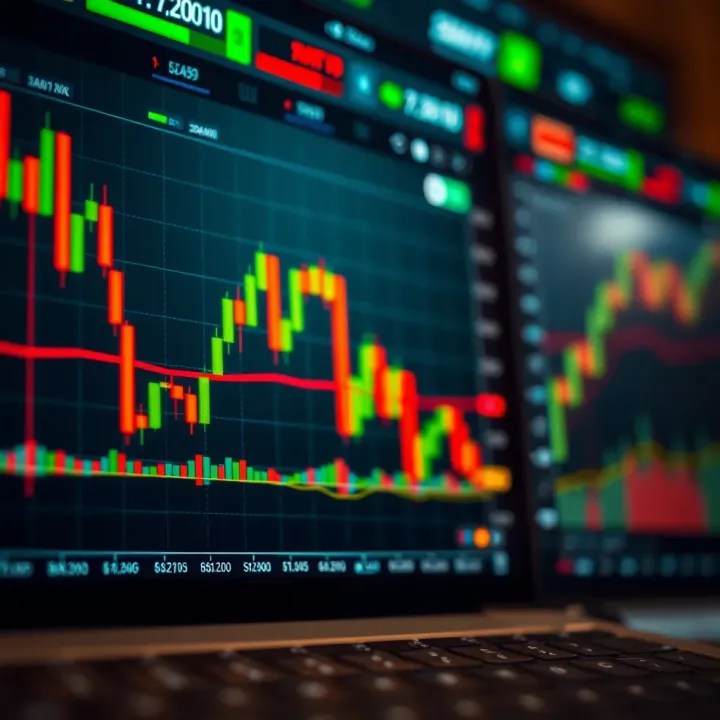
📊 Learn effective forex trading strategies with practical tips, risk management, and handy PDF resources to boost your skills across South Africa and beyond.
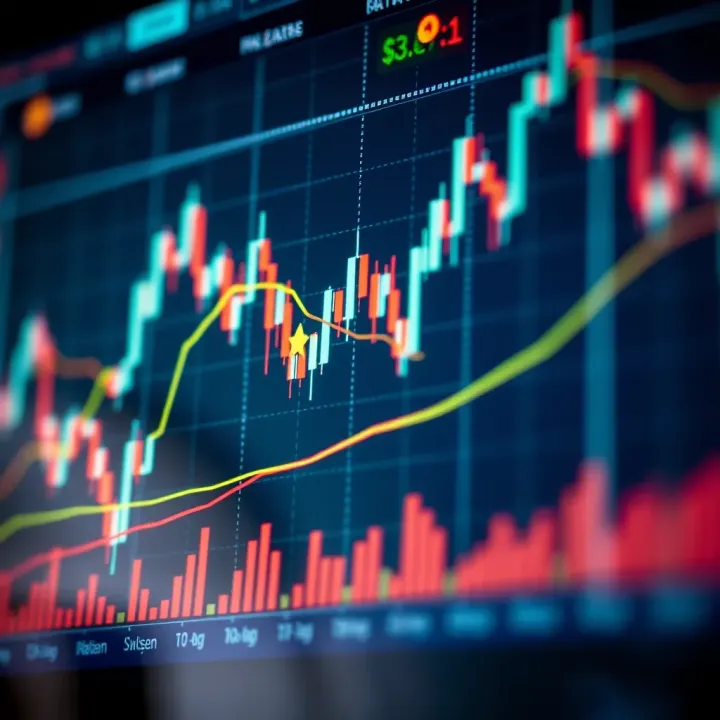
📈 Explore practical forex trading tips and strategies tailored for South African traders. Master risk control, market psychology, and overcome common challenges.
Based on 11 reviews