
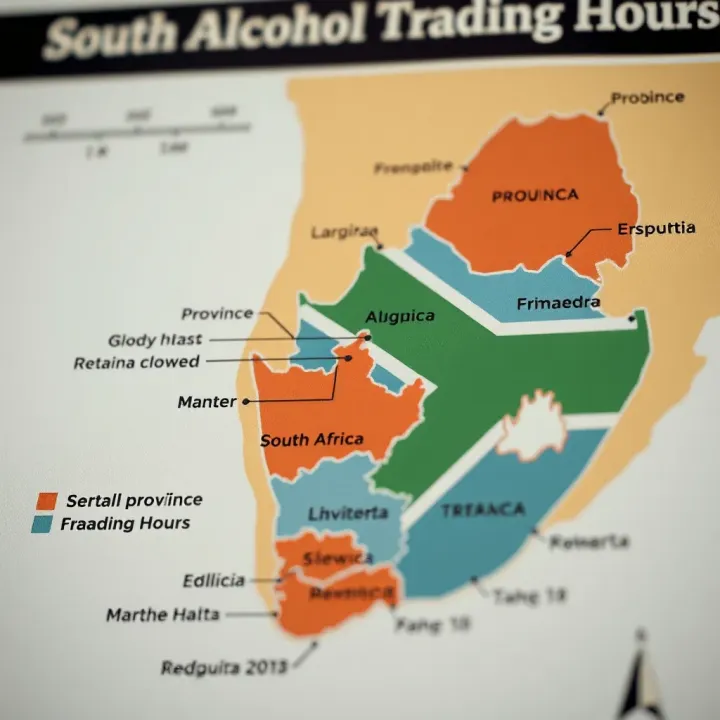
Alcohol Trading Hours in South Africa Explained
🍻 Discover how alcohol trading hours vary across South African provinces and municipalities, their impact on businesses, consumers, and upcoming policy shifts.
Edited By
Sophia Reed
Easter trading hours in South Africa tend to be different from regular trading times, and knowing what changes to expect is key for businesses and consumers alike. These hours usually shift because Good Friday and Easter Monday are public holidays, meaning many shops and services either close or operate on a reduced schedule.
The public holiday regulations and trading restrictions vary depending on the province and sector. For example, certain provinces may allow shops to open on Good Friday under specific conditions, while others enforce stricter closure rules. This affects retailers, banks, and government offices differently.

During the Easter long weekend, many retailers shorten their hours, often closing earlier on Good Friday and Easter Saturday, and then opening later or closing completely on Easter Sunday.
For investors and traders, these altered hours can impact market access, settlement times, and availability of services like currency exchange or broker support. Entrepreneurs running retail or service operations must plan shifts, staffing, and stock levels around these changes to avoid disruptions.
Typical Easter trading patterns include:
Good Friday: Most stores shut down or open for limited hours.
Easter Saturday: Many shops open shorter hours, typically from morning till mid-afternoon.
Easter Sunday: Traditionally, very limited or no trading is permitted, depending on local by-laws.
Easter Monday: Often a public holiday with reduced hours similar to Good Friday.
Stay aware that some sectors, such as fuel stations, pharmacies, or certain restaurants, might operate almost normally, but with altered staff rosters.
Adapting to these trading hours requires checking official provincial announcements annually as they can shift slightly. Also, digital platforms for banking or trading may still be accessible but might have slower processing times. Preparing well ahead ensures smoother operations and optimism for the post-holiday trading week.
Easter trading hours have a direct impact on the rhythm of business and daily life in South Africa. For traders, investors, brokers, and entrepreneurs, understanding these hours is not just about knowing when shops open or close; it’s crucial for planning operations, managing inventory, and forecasting consumer demand during the extended holiday period. For example, many retailers reduce their opening hours on Good Friday and Easter Monday, which can affect cash flow and require adjustments in staffing.
Easter trading hours refer to the modified business hours that shops, malls, and some government services observe over the Easter weekend, which includes Good Friday, Easter Sunday, and Easter Monday. These hours differ from regular trading times and usually involve reduced operating hours or complete closures on public holidays. For instance, many large supermarkets like Pick n Pay or Checkers shorten their hours on Good Friday, often opening later and closing earlier than usual. Informal traders and small retailers might also close for the holiday or operate irregular hours.
Trading hours during Easter don’t just concern shops; they extend to other sectors like public transport and post offices, where hours will shift to accommodate the holiday. These adjustments help both consumers and businesses by signalling when services will be available and allowing staff necessary rest during this national holiday period.
The shift in trading hours during Easter is mainly driven by public holiday laws and the cultural significance of the period. Good Friday and Easter Monday are designated public holidays under South Africa’s Holidays Act, meaning many businesses are legally required to close or adhere to restricted trading times unless they receive special permission.
Besides legal requirements, many business owners choose to adjust hours out of respect for the holiday and to give employees a chance to spend time with family. Easter also traditionally marks a slow trading period; many South Africans focus on religious observance, family gatherings, or travel rather than shopping and business activities.
Changes in trading hours can affect cash flow and customer traffic for businesses, so it’s wise to prepare by adjusting work schedules and stock levels accordingly. For traders and entrepreneurs, awareness of these shifts supports better decision-making about when to operate stores or launch promotions around the public holiday.
Being aware of Easter trading hours helps you plan effectively, whether you're a retailer managing staff or a consumer wanting to avoid closed doors and long queues.
Understanding these basics paves the way for exploring more detailed adjustments across various types of retail and public services, key differences across provinces, and regulatory considerations, all of which impact how Easter trading plays out on the ground.
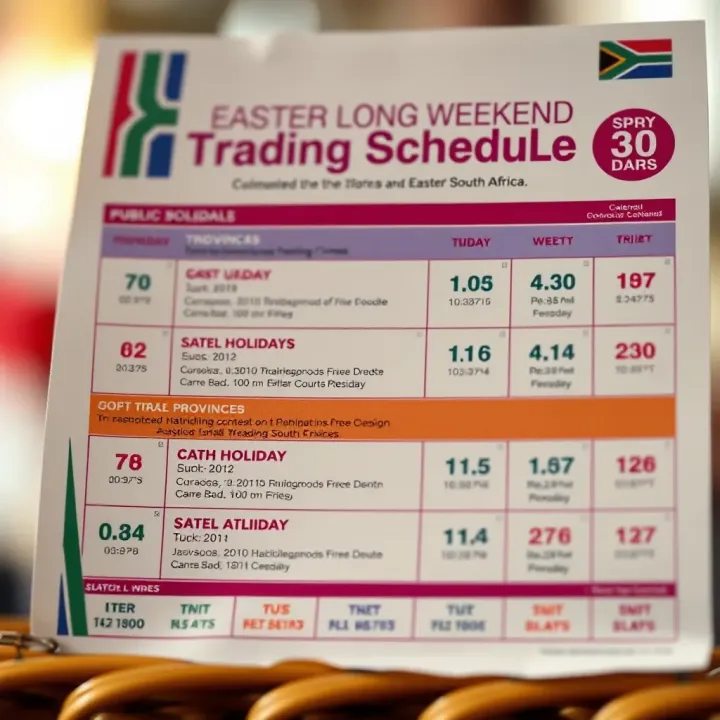
Retail and shop opening times often shift during Easter to accommodate the public holiday schedule and consumer behaviour. Knowing these changes is essential for traders, investors, and entrepreneurs to plan operations, manage inventory, and anticipate shifts in consumer traffic. Easter trading hours typically reflect a balance between legal restrictions, market demand, and logistical challenges posed by the long weekend.
Malls and major supermarkets usually operate reduced hours during the Easter weekend. For example, many large retail centres open on Good Friday only for a few hours, commonly from 9 am to 1 pm or 2 pm, before closing early. Over Easter Saturday and Monday (the public holiday), trading hours tend to be shorter than usual, often from 9 am to 5 pm, instead of the usual extended hours that run until 8 pm or later during weekdays.
This makes it critical for retailers to adjust staffing levels and stock orders accordingly. For instance, supermarkets like Pick n Pay or Shoprite often experience a spike in demand on the days just before Good Friday as customers prepare for the long weekend, buying braai supplies, fresh produce, and Easter treats. Failing to anticipate this can lead to stock shortages or overstocking.
Unlike large retail chains, smaller stores and informal traders typically have more varied and less predictable Easter trading hours. Some informal traders might seize the opportunity to capitalise on increased foot traffic near holiday spots, markets, or township areas, staying open later or opening earlier. However, others may close for the entire long weekend due to limited staff or even local restrictions.
Smaller retailers should communicate clearly with their customers about their Easter hours, perhaps through social media or community notice boards, since their schedules can shift without broad announcements. Traders operating in informal settlements or smaller towns might also be affected by local municipal by-laws or community agreements that set restrictions for trading on public holidays.
Retail traders and investors must closely track these varying trading hours to maximise sales opportunities and avoid unnecessary operational costs during the Easter period.
Understanding these patterns in trading hours across different retail sectors not only aids in smooth business functioning but also supports better financial forecasting and customer service during this busy time.
Easter trading hours impact not just shops and businesses but also public services and government offices. Understanding these shifts can spare you unnecessary trips and better plan work commitments or paperwork during the holiday period.
Most government offices close on Good Friday and Easter Monday. This includes Home Affairs, SARS branches, and municipal offices. For example, if you need to renew your ID book or submit tax documents, it’s best to get those sorted before the Easter weekend. Some essential services, like certain police stations or emergency departments, operate normally, but usual administrative services pause for the holiday.
Some departments might offer limited appointments or emergencies-only services during this time. The Department of Home Affairs often restricts its hours but may have urgent case support in major centres. Planning interactions with government offices around Easter requires checking local announcements or contacting the offices directly, as provincial variations can affect availability.
Public transport such as taxis and buses also experience changes in schedule during the Easter long weekend. While taxi ranks remain operational, expect fewer services on Good Friday and Easter Monday, especially in smaller towns or rural areas. Cities like Johannesburg or Cape Town might see better runs but with reduced frequency. Traders and commuters should anticipate possible delays or plan for alternative transport options.
Post offices usually operate on limited hours or close entirely on public holidays. If you rely on postal services for urgent parcels or business documents, arrange these well before the Easter weekend. Some private courier services maintain operations but with adjusted cut-off times, so verifying with providers like The Courier Guy or Aramex South Africa remains essential.
Knowing when government offices and public services slow down or close helps you avoid last-minute headaches. It also allows businesses and investors to plan activities and deadlines more effectively during the Easter period.
Being aware of these service changes cuts down unnecessary visits and helps with smoother operations both for individuals and companies. Traders should communicate these shifts with clients and staff to manage expectations and maintain efficiency despite the holiday slowdown.
Trading on public holidays, including Easter, in South Africa is governed by specific rules designed to balance business interests with workers' rights and cultural observances. These regulations ensure fair treatment of employees while providing clarity for businesses planning their operations during these periods. Understanding these laws is essential for traders and entrepreneurs to avoid penalties and maintain smooth operations.
The South African Holidays Act regulates the right of employees to take public holidays off with pay, including Good Friday and Easter Monday. According to the Act, employers must compensate workers who work on these public holidays, typically by paying double the usual wage or granting a day off in lieu. For example, if a retail assistant covers a shift on Easter Monday, they are entitled to either double pay or an alternative paid day off.
This law directly affects how businesses schedule staff during Easter, especially retailers that expect increased foot traffic. Enterprise owners should communicate the trading plan clearly with their employees well in advance to ensure compliance and avoid disputes.
Apart from national legislation, local municipalities can enact by-laws that further regulate trading at a local level. These by-laws might set restrictions on trading hours during public holidays in specific areas, particularly within residential or township zones. For instance, certain towns may prohibit businesses from operating on Easter Sunday or limit trading to specific hours to respect community norms.
An example is the City of Cape Town, which enforces trading restrictions in some suburbs to protect residents from noise and traffic disruptions during public holidays. Traders in such areas must stay informed about local rules through municipal notices or business associations.
Ensure that you check both national laws like the Holidays Act and your local municipality’s by-laws before planning your Easter trading hours to avoid fines or legal complications.
Understanding the combination of the Holidays Act and municipal regulations equips businesses with the knowledge to manage staff fairly and meet legal obligations during Easter. This helps traders balance operational needs with respect for public festive days while contributing positively to their communities.
Navigating Easter trading hours can be a bit of a minefield for both consumers and businesses. Understanding these tips can help avoid last-minute hassle, keep operations smooth, and ensure that no one ends up stranded without essentials. Easter trading hours often differ from the usual weekday schedule, influenced by public holiday regulations and local by-laws.
Shoppers should plan ahead, especially during the Easter weekend when many stores close earlier or remain shut on Good Friday and Easter Sunday. For example, major supermarkets like Checkers or Pick n Pay generally close by mid-afternoon on Good Friday and open later than usual on Easter Monday. Small retailers or informal traders might choose to open at different times, often closing early on public holidays. It helps to check specific store notices or official mall websites to avoid wasted trips.
Avoid leaving your shopping until the last minute; queues tend to stretch long just before closing. Also, bear in mind that essential services such as pharmacies might operate limited hours — so stocking up on medication and other necessities ahead of the weekend is wise. Public awareness of adjusted hours in Gauteng may differ from those in the Western Cape, so always verify your local area’s schedule.
Planning early is your best bet to avoid disappointments or scrambling around last minute.
Retailers face tricky decisions balancing customer demand with labour laws during Easter. The South African Holidays Act dictates when employees must be paid at premium rates for working on a public holiday, which impacts staffing costs. Businesses should communicate clear work schedules well in advance, so employees can plan their own Easter time. For example, if a store intends to trade on Good Friday, staff are entitled to at least double pay or a day off in lieu.
Operationally, retailers might also want to adjust stock levels—less foot traffic might mean lower sales, but essentials should not run out. These adjustments mean good communication with suppliers and staff is essential. Failure to comply with trading regulations or poor planning can disrupt service and damage reputation.
In smaller towns or villages, informal traders often juggle Easter demands differently, sometimes opening for holiday tourists or closing to rest. Businesses can tap into this by tailoring opening hours to their customer base rather than strictly following mall hours.
Check and confirm local store hours before heading out.
Shop early or during off-peak hours if possible.
Retailers should communicate scheduling and pay clearly.
Adjust stock levels to expected demand.
Consider local consumer behaviour and provincial differences.
These practical steps help both consumers and businesses get through the Easter period with fewer hiccups and a positive spirit.
🍻 Discover how alcohol trading hours vary across South African provinces and municipalities, their impact on businesses, consumers, and upcoming policy shifts.

📈 Discover how Forex trading hours align with South African Standard Time, learn key factors affecting activity, and get tips to time trades smarter in SA.

⏰ Discover key gold trading hours for South African traders! Learn when to trade spot & futures gold markets plus tips for peak & off-peak times.

📈 Learn how forex trading hours in South Africa align with global markets, key overlaps, liquidity peaks, and the impact of local holidays for smarter trades.
Based on 5 reviews