
How to Download and Use Forex Trading Systems
Explore how to download and use forex trading systems safely in South Africa 🇿🇦. Learn to pick, install, and evaluate tools while managing risks effectively.
Edited By
Thomas Harding
A forex economic calendar is a must-have for anyone serious about trading currencies. It tracks key economic events like interest rate announcements, employment reports, and inflation data—these all move the forex markets significantly. Without an economic calendar, you’re essentially flying blind, risking trades without knowing when big market moves might hit.
Downloading an economic calendar is straightforward, but picking the right one can be the difference between success and confusion. Think of it like choosing a good robot schedule app; it has to be reliable, easy to read, and update in real time. South African traders often rely on sources like Investing.com, Forex Factory, or the trading platforms offered by local brokers such as IG or Plus500.

Setting up the calendar on your device ensures you're always ready to react. Most calendars come as web apps or mobile apps, which you can quickly sync to your smartphone or tablet. This way, you get alerts before important releases, giving you time to prepare your trades or avoid volatile moments. For example, if SARB (South African Reserve Bank) announces a surprise rate hike, knowing in advance allows you to adjust your rand positions accordingly.
When you first open a forex calendar app, you’ll see events listed by date, time, currency affected, and expected impact (usually low, medium, or high). The best ones let you filter by country or event type. This means you can focus on the rand-related news if you’re a ZA-focused trader or look at global events if you trade major pairs like EUR/USD or GBP/USD.
Knowing how and when to act on economic data can save you from sudden losses and help you spot opportunities others miss.
In the sections that follow, we’ll cover exactly how to download a trusted forex economic calendar, set it up quickly on your device, and interpret the often complex data so it works for your trading strategy day to day.
A forex economic calendar serves as a practical guide to tracking important economic data releases and global events that influence currency markets. For traders, investors, and brokers alike, understanding this tool is vital because it helps anticipate market movements before they unfold. Without it, you'd be flying blind into volatile markets, especially given how sensitive forex rates are to economic signals.
Put simply, a forex economic calendar lists upcoming economic events, such as interest rate decisions, unemployment figures, GDP releases, and inflation data. These events are scheduled with exact times and often include forecasts and previous data points. For example, the South African Reserve Bank’s repo rate announcement is a major event on any country-specific calendar, as it influences the rand’s strength. Traders use this calendar to know when significant news might cause price swings, letting them prepare or avoid trading during uncertain moments.
Economic events directly impact currency values because they reveal the health and direction of a country’s economy. Take the US non-farm payrolls report — if it shows more job growth than expected, the US dollar often gains value as investors see a stronger economy ahead. Similarly, disappointing inflation numbers in South Africa might weaken the rand, affecting trade and investments.
Ignoring these events risks unexpected losses or missed opportunities. On the other hand, traders who monitor the calendar can seize chances, like entering positions just before a favourable announcement or tightening stop-loss orders ahead of potentially volatile data. This makes a forex economic calendar an essential part of a robust trading strategy.
Understanding when and why key economic figures are released helps traders avoid nasty surprises and make informed decisions based on real-time developments.
In a nutshell, a forex economic calendar isn’t just a list; it’s a trading compass. Knowing what’s coming up and interpreting those numbers in your strategy can be the difference between losing your shirt and making decent profits in the fast-paced world of forex.
Choosing the right economic calendar is critical for any serious forex trader. The calendar acts as your guide to upcoming economic events that can move currency markets. With so many options available, finding one that’s accurate, timely, and easy to use saves you from chasing false leads or missing key data. A reliable calendar helps you prepare your trades ahead of time instead of reacting blind.
When selecting a forex economic calendar, focus on accuracy and detail. You want a calendar that lists upcoming economic events with clear dates and times, preferably in your local South African time zone or allowing easy conversion. The impact level of each event should be indicated, often with colour codes or icons, so you know which announcements might move the rand (ZAR) most.
Look also for a calendar that provides background information on events and what markets may be affected. For example, interest rate decisions by the South African Reserve Bank (SARB) often influence the rand's exchange rate, while US nonfarm payroll numbers affect global markets broadly, including South Africa.
Customisation is a bonus. Can you filter events by country, importance, or asset type? This helps avoid information overload and keeps you focused on trades that matter to your strategy.
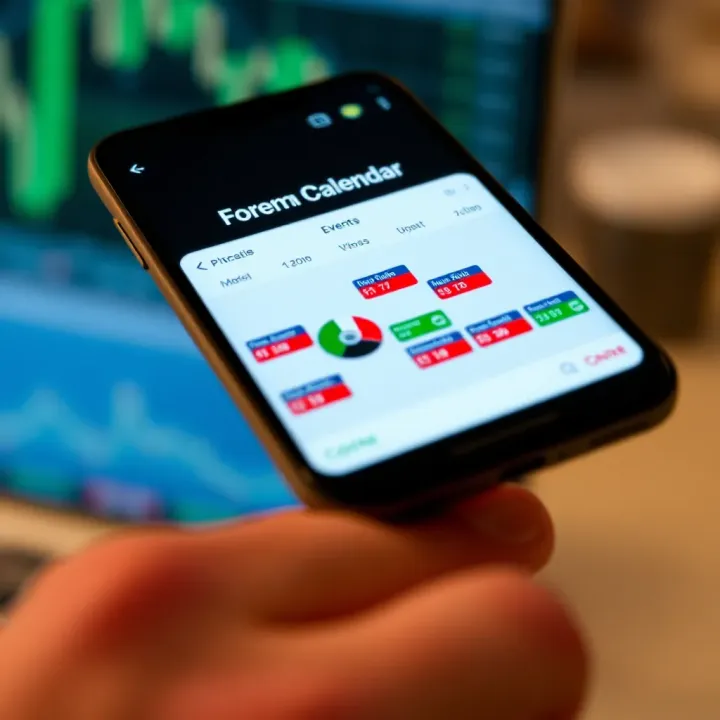
Another useful feature is real-time updates. Some calendars offer notifications or alerts for events that have changed or where forecasts differ widely from past figures. This makes sure you stay on top of surprises that could create opportunities or risks.
Several websites and apps cater well to South African forex traders. Investing.com, for instance, offers a comprehensive economic calendar with an option to set the time zone to Johannesburg (SAST). Their interface shows impact levels clearly and provides notes on each economic indicator.
Forex Factory is a popular global choice with a clean layout and filter options, useful for focusing on ZAR-linked events or other currencies you trade. The Forex Factory app also sends push notifications, handy during intense market times.
For mobile users, MetaTrader 4 and MetaTrader 5 platforms often include integrated calendars or access to economic news feeds. These can sync with your trading account, allowing swift responses.
One local option worth exploring is the Market24 economic calendar, tailored for Southern African markets. It includes regional economic releases alongside major global events.
Picking a calendar tailored to your trading style and region saves wasted time and sharpens your focus. Remember, it’s not just about having data — it’s how you use it.
By keeping these factors in mind, you’ll find a forex economic calendar that fits smoothly into your daily routine, helping avoid surprises and strengthening your trading decisions.
Downloading and setting up a Forex economic calendar is the first practical step for traders who want to stay ahead of market movements. Having quick access to timely economic event updates can improve your strategy, helping you to act swiftly when volatility spikes. This section breaks down the process to ensure you get the calendar onto your device correctly, customise it to your needs, and understand the nuances that make it a truly useful trading companion.
Start by choosing a reliable source offering a Forex economic calendar—websites like Forex Factory, Investing.com, or DailyFX are popular with South African traders. Many provide either a downloadable app or a widget you can integrate into your device.
If you’re using a smartphone, visit the Google Play Store or Apple App Store and search for the calendar app linked to the website you trust. Before installing, check user reviews and app permissions to avoid unwanted disruptions. For desktops, some sites offer downloadable files or let you subscribe to their calendar via Outlook or Google Calendar.
For example, if you’re a South African trader using an Android device, you could download the Investing.com app which provides an integrated economic calendar along with alerts. Desktop users might prefer syncing the calendar with their Outlook to ensure all the economic events push through to their daily agenda.
Once installed, tailoring the calendar’s settings is crucial. Economic events are time-sensitive, so adjusting the calendar to your local timezone (South Africa Standard Time, SAST, UTC+2) will prevent you from missing alerts or waking up for news that’s long past.
Most apps let you customise alerts by event importance—critical releases like the US Non-Farm Payrolls will most likely affect the Rand-dollar pair, so you can choose to receive notifications for high-impact events only. This means you avoid the noise of less significant updates, helping you focus on the moves that really matter.
Setting alerts for specific currencies can also streamline your workflow. For instance, if you mainly trade ZAR pairs, filter for South African Reserve Bank announcements, GDP figures, or inflation results.
Customising your Forex economic calendar to your trading needs and time zone makes the difference between a cluttered inbox and timely, actionable insights.
In brief, the download and setup process is straightforward but requires attention to detail. By selecting a trusted source, installing the right version for your device, and personalising alerts and time zones, you turn an ordinary schedule into a powerful tool guiding your trading decisions.
A forex economic calendar is more than just a schedule of upcoming events; it's a practical tool that helps you anticipate market moves and avoid surprises. Using it effectively means understanding not only when key data releases happen but also how those events impact currency pairs you trade daily.
Economic indicators like GDP growth rates, inflation figures, and employment numbers tell you a lot about a country’s economic health. For example, a stronger-than-expected employment report from the South African Reserve Bank (SARB) could push the rand higher as investors gain confidence in the economy. Conversely, higher inflation data may prompt the SARB to consider hiking interest rates, impacting forex markets.
It's crucial to look at not just the figures but also the market's expectations—if an event outcome deviates from forecasts, you’ll often see sharper price reactions. For example, when the US Federal Reserve releases its interest rate decision, markets react strongly if the decision differs from analysts' predictions. Skimming through the calendar’s forecast column can prevent being caught off guard.
Incorporating economic calendar data into your trading plan involves timing your trades around major announcements and adjusting risk exposure accordingly. One practical approach is to reduce position size or sit on the sidelines just before high-impact news like SARB rate decisions or US Non-Farm Payrolls.
You can also use the calendar to set entry and exit points. Suppose the Reserve Bank of South Africa signals a rate hike; you might anticipate rand strength against the dollar and position yourself accordingly. Also, many traders use calendar alerts to remind them of upcoming events, ensuring they’re prepared to act or pause trading.
A common error is relying solely on the calendar without context. Not every data release moves the market significantly; understanding which indicators matter for particular currency pairs is key. For example, a country’s retail sales data might be critical for their currency, while others pay more attention to trade balances.
Another pitfall is ignoring time zones. The local time of the event often differs from your device's time, which can cause missed trades or alerts. Setting your calendar to South Africa Standard Time (SAST) helps avoid confusion.
Lastly, avoid overreacting to a single data point. Markets digest various reports over time, and sometimes the initial spike after a release corrects quickly. It’s wiser to consider multiple events and overall economic trends rather than jumping in based only on one headline.
Making the most of a forex economic calendar means combining timely data with savvy interpretation and strategic planning. It's not just about knowing when events happen but understanding their ripple effects and responding wisely.
By getting this right, you position yourself better to navigate the forex market’s ups and downs without being blindsided by routine economic releases or unexpected surprises.
Being able to access your forex economic calendar offline really comes in handy, especially when internet connections are patchy or expensive, like in some parts of South Africa. Offline versions, such as downloadable PDFs or apps that don't require constant data, mean you can still check crucial economic events without scrambling for Wi-Fi. This keeps your trading plans on track even when you’re out and about or dealing with load shedding.
Many trusted forex calendar websites offer PDF versions of upcoming economic events that you can download and save on your device. These PDFs are compact and easy to print, making them perfect for quick reference during a busy trading day. For example, if you’re using a tablet on your stoep or a laptop without internet access, having this offline copy means you won’t miss important announcements like a South African Reserve Bank (SARB) interest rate decision or US non-farm payroll data.
Offline apps are another option. Some calendar apps let you sync and store upcoming events locally, updating only when you reconnect. This approach helps you manage data costs — rather than constantly refreshing online content — and suits traders who prefer a more controlled information flow.
While offline versions mean you won’t get real-time updates, having basic forecasts and scheduled events at your fingertips still improves planning and helps identify when to pause trading or tighten stop losses around volatile announcements.
Alongside your forex economic calendar, incorporating other tools can sharpen your trading. For instance, market sentiment platforms like MyBroadband’s forex chat forums or tools such as TradingView charts provide context with real-time price action and trader opinions, helping interpret calendar events' potential impact.
Economic news aggregators tailored for South African traders also work well. Services alert you to breaking developments, such as Eskom’s load shedding affecting rand liquidity or unexpected political news impacting currency moves. Combining these with your calendar means you catch both scheduled and surprise market movers.
Additionally, consider using risk management tools like position size calculators or daily volatility trackers. These guide how much to trade and when to stay cautious during major economic releases flagged in your calendar.
Trading smartly means more than just knowing when events happen — it’s about blending info from calendars with current market sentiment, reliable news, and risk control.
Overall, offline access and complementary tools form a solid support system for forex traders navigating the fast-paced Mzan-zi currency markets.
Explore how to download and use forex trading systems safely in South Africa 🇿🇦. Learn to pick, install, and evaluate tools while managing risks effectively.
Explore free forex trading simulators 🌍! Learn how to download, use effectively, and understand key features for confident trading practice 📈💡.
📊 Learn how to use the FX daily economic calendar to track economic events shaping forex markets. Master key indicators and smart trading tips for South Africa traders.

📹 Learn how to find, download, and use forex trading videos safely. Tips on sources, tech setup, and ethical handling to boost your trading skills. 💹
Based on 5 reviews