

Forex Trading Hours Guide for South African Traders
📈 Learn forex trading times and best hours for South African traders. Understand key market sessions, overlaps, and tips to trade smarter and seize opportunities.
Edited By
Isabella Moore
Binary robots are automated software designed to trade binary options with minimal human input. These tools analyse market trends, execute trades, and manage positions based on algorithms. For South African traders, understanding how these robots function is essential before considering them as part of a trading strategy.
Binary robots operate by scanning financial assets—such as forex pairs, commodities, or indices—and then making quick buy or sell decisions within a short timeframe. They promise to simplify trading by handling decisions automatically, often 24/7, which appeals to traders lacking time or expertise.
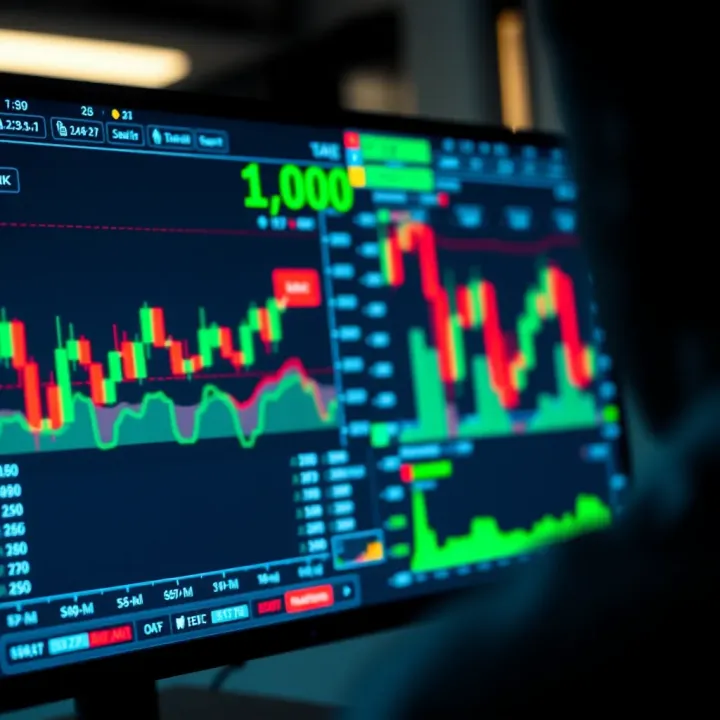
However, it's crucial to remember that automated trading does not guarantee profit. Like any financial tool, binary robots carry risks, and losses are part of the game.
South African traders should watch for specific features in binary robots, including:
Verification and transparency: Reliable robots provide clear information about their developers, historical performance, and trading strategies.
Risk management settings: Options to cap daily losses or control trade sizes help protect your capital in volatile markets.
Compatibility with local brokers: Not every robot works seamlessly with South African trading platforms or brokers authorised by the Financial Sector Conduct Authority (FSCA).
In the local context, factors like exchange rate fluctuations, regulatory compliance, and internet stability (especially given loadshedding interruptions) can affect automated trading performance. South African traders should verify whether their chosen robot complies with FSCA rules and if the broker affiliated with the robot is registered and trustworthy.
To make a smart choice when using binary robots:
Test the software thoroughly using demo accounts or small amounts first.
Keep an eye on market conditions and avoid relying solely on automation.
Stay informed about updates in local financial regulations impacting binary options trading.
By approaching binary robots with clear expectations and caution, South African traders can potentially add a useful tool to their trading arsenal without falling prey to scams or unnecessary risks.
Understanding how binary robots work is crucial for traders considering automated binary options trading. These tools promise to simplify trading by executing trades on your behalf, but knowing their mechanics and limitations helps avoid costly mistakes and choose suitable options. For South African traders, grasping these basics also ties directly into navigating local market conditions and regulations effectively.
Binary robots are software programs designed to trade binary options automatically. Instead of manually analysing the markets and placing trades, these robots use predefined instructions to open and close positions. The core idea is to save time and reduce emotional decision-making, giving traders a hands-off approach.
These robots connect to brokers’ platforms through APIs or web interfaces. Traders typically set parameters, then let the robot handle the rest. It's like having an assistant who can monitor the charts all day without needing tea breaks.
In binary options trading, you predict whether an asset's price will go up or down within a specific timeframe. Automated binary robots make these calls based on preset rules or algorithms. They assess market data, decide on trades, and execute them faster than a human could.
This speed is important for capturing small market moves, especially in volatile conditions like those often seen during South African market hours affected by external global shifts or economic news.
Manual trading relies on a person analysing charts and making trade decisions, which can be time-consuming and emotionally draining. Automated trading via binary robots removes the human angle, sticking to logic coded into the system.
That said, manual trading allows flexibility and intuition, which a robot can’t mimic. If there’s breaking news or sudden market shifts, a human might pause or adjust, while some robots blindly follow their rules. Hence, understanding which suits your style and risk tolerance matters.
Binary robots use algorithms — step-by-step instructions — to decide when to buy or sell. These algorithms might analyse historical price movements, trends, or use indicators like RSI or moving averages.
For example, some robots might place a trade when a moving average crossover occurs, signalling a potential uptrend. These rules help maintain discipline but hinge on the quality of the algorithm.
Common strategies include trend following, where the robot trades in the direction of the market momentum, and reversal strategies that bet on price changes going against the current trend.
There's also hedging strategies, where multiple trades offset risks, though not all robots offer this sophistication. Knowing what strategy a robot uses helps set expectations and align it with your trading goals.

Most binary robots let you adjust parameters like investment amount, trading times, and asset types. Customisation is vital as it lets you tailor how aggressive or conservative the robot trades.
A practical example: you might limit trades during intense loadshedding hours to avoid connection hiccups affecting trade execution. Or select assets traded during South African market hours to improve relevance.
Ultimately, understanding these elements — what binary robots are, how they operate, and how you can adapt their settings — forms the foundation for trading smarter and safer in the South African binary options scene.
Binary robots have become quite popular among South African traders looking to automate their binary options trading. Knowing the ups and downs of these tools is essential before you decide to plug in your hard-earned Rands. This section explores the practical advantages and the risks involved, helping you weigh if automated trading suits your style and risk appetite.
Automated systems excel at picking up trading signals and executing trades instantly—much faster than humanly possible. For example, during volatile market moments, where seconds can mean the difference between profit and loss, a binary robot can act swiftly without the lag a trader might have. This can be especially useful during South African market hours when global events ripple fast through Rand pairs or commodity-linked stocks.
Trading can stir up strong emotions like fear or greed, which often lead to rash decisions. Binary robots leave emotions out of the equation, sticking strictly to pre-set rules and parameters. This can prevent common human errors, such as chasing losses or hesitating to close down a bad trade. For local traders who struggle to stick to their plan, automated trading offers a disciplined approach that obeys logic over feelings.
Markets today run round the clock, especially with digital assets and offshore exchanges becoming more accessible. Binary robots keep working even when you’ve hit the hay or are out braaing with friends. This continuous activity can tap into opportunities you might miss when watching the screen only during business hours. It’s a way to stay engaged with global markets without sacrificing your offline time.
Despite their speed, robots aren't foolproof. Software glitches can lead to wrong trade entries or missed exits. For instance, a robot might misread a price feed glitch as a genuine signal, leading to losses. South African traders should be wary and never blindly trust full automation without monitoring the system regularly.
Binary robots often perform well in stable or trending markets but can struggle during unexpected events or choppy conditions. For example, Eskom load shedding announcements or sudden political news can cause sharp moves that confuse algorithmic strategies. It's wise to understand that no robot guarantees profits in every scenario.
The ease of automating trading has also attracted dubious operators. Some binary robot providers promise unrealistic returns with little transparency or rely on unregulated brokers. South African traders should vet providers carefully by checking reviews, regulatory compliance, and thorough background before investing.
Automated trading offers valuable advantages, but it’s no magic bullet. Careful assessment of robot performance, risk settings, and provider credibility remains key to protecting your investment and making informed choices.
When selecting a binary robot, understanding its core features can make a big difference in your trading outcomes. The tools a robot offers often determine how well it handles market volatility, safeguards your capital, and fits your personal style. For South African traders, where market conditions and regulations have local quirks, paying attention to these features is even more useful.
Stop-loss and take-profit settings are essential features that help protect your investment. A stop-loss triggers an automatic exit from a trade once losses hit a pre-set level, limiting damage when the market goes against you. On the flip side, a take-profit setting locks in gains by closing a trade once it reaches a desired profit point. This balance between risk and reward is critical, especially in fast-moving markets. For instance, if you set a stop-loss at 5% and a take-profit at 10%, the robot will manage trades to respect those thresholds, helping you avoid impulsive decisions or unexpected setbacks.
Signal accuracy and historical performance show how reliable a robot’s trade calls have been over time. While no robot can predict the market perfectly, those with a strong track record based on backtests and verified live trades deserve more attention. Check whether the robot uses transparent data and offers past results that match up with real-time trading. South African traders benefit by comparing how robots perform under similar market conditions here, rather than relying solely on overseas test results.
Ease of use for beginners matters a lot. A robot with a confusing layout or technical jargon can be a turn-off, especially for traders just starting out. Look for intuitive controls, clear dashboards, and straightforward guides. Many South African traders juggle trading alongside full-time jobs, so robots that let you set up trades quickly and understand performance at a glance save valuable time.
Ability to set personal trading preferences gives you control. Every trader has different risk appetite, trading hours, or asset focus. Your robot should allow you to adjust strategies, set specific asset pairs (like ZAR/USD or local JSE stocks), and tweak parameters such as trade amount and expiry time. Customisation also helps you react to changing market conditions, such as during Eskom loadshedding when market liquidity may be uneven.
Working with licensed brokers is non-negotiable. A binary robot only works well if it pairs seamlessly with reputable brokers authorised to operate in South Africa. Licensed brokers ensure your funds are secure and trades are executed fairly. Robots that force you to use offshore or unregulated brokers could expose you to fraud or payment issues.
Importance of regulatory compliance in South Africa stretches beyond broker choice. Compliance with local laws like the Financial Intelligence Centre Act (FICA) means your trading setup respects identity verification and anti-money laundering standards. Robots that assist with meeting these requirements or integrate with brokers who do can save headaches. Plus, regulatory oversight adds a layer of protection should disputes arise.
Evaluating these features closely can help South African traders pick robots that not only enhance trading precision but also protect against common pitfalls and legal headaches.
Picking the right binary robot can make or break your trading experience, especially here in South Africa where local factors play a big role. The right choice not only saves you from common pitfalls but also aligns your trading strategy with local requirements and market conditions. This section breaks down what to look out for so you can make a well-informed decision.
South African traders must ensure their binary robot providers comply with the Financial Intelligence Centre Act (FICA). This law aims to prevent money laundering and requires identity verification before allowing trades or deposits. Many overseas brokers may not strictly enforce FICA requirements, which can expose you to higher risk or even trouble when depositing and withdrawing Rand.
By choosing binary robots linked to brokers that rigorously follow FICA, you protect yourself from financial crime risks and ensure smoother transactions. For example, registered brokers like those under the FSCA (Financial Sector Conduct Authority) tend to have well-established KYC (know-your-customer) processes that ease compliance. Always confirm how the robot’s connected broker handles FICA before committing funds.
Funding your trading account in Rand is another important aspect to consider. Some brokers charge hefty conversion fees or only accept foreign currencies like US dollars or Euros, which eats into your capital. Plus, XRP fluctuations between the Rand and foreign currencies might reduce your effective buying power or returns.
Opt for binary robots compatible with brokers who accept direct Rand deposits via common methods like EFT, credit cards, or even e-wallets familiar in South Africa (such as PayFast or SnapScan). This minimises forex costs and speeds up deposits and withdrawals. Having clear withdrawal terms and reasonable minimums is also vital to avoid getting stuck with your funds.
Not all binary robots perform equally well. Analyse their historical performance data, but be wary of cherry-picked stats. Look for consistent trading outcomes verified by third-party platforms or user communities. South African traders often check forums like MyBroadband or reports from independent reviewers for trustworthy feedback.
Don’t rely solely on advertised profits or glowing testimonials. Instead, test the robot on a demo account first to see if it fits your trading style. A robot that works fine in a volatile US tech market may not handle the nuances of Rand-based markets or local news impacts as well.
Responsive support can save you from a lot of headaches, particularly if you’re new to automated trading. Prefer providers that offer live chat, phone support, or responsive emails with clear South African working hours. Slow or generic customer service is a red flag.
Community feedback, such as posts on trading groups or social media, provides real-world insights about reliability and ease of use. Experienced South African traders often share warnings about slow withdrawals or software glitches. Incorporate this input before making your choice; it helps avoid costly mistakes.
Staying cautious and choosing a robot that fits your local context — regulations, Rand funding, proven performance, and solid support — will pay dividends in your trading journey.
In the end, the most important point is aligning your binary robot choice with South Africa’s unique rules and market realities while validating its credibility through real user experience.
Trading with binary robots can seem straightforward, but this area attracts its fair share of dodgy operators. Staying safe means spotting the warning signs early and knowing how to protect your funds before handing over even a cent. In South Africa, where trading platforms are still evolving and regulations can sometimes lag behind, vigilance is vital.
Unrealistic profit promises often lure traders into bogus schemes. If a binary robot claims it will double your money overnight or guarantee a 90% success rate, approach with skepticism. No trading system is flawless, especially in volatile markets. These grand claims obscure that every trade carries risk, and occasional losses are part of the game. For example, a robot boasting of consistent R10,000 daily profits should raise eyebrows—such returns are virtually unheard of without taking enormous, unsafe risks.
Another red flag is the pressure to make quick deposits. Scammers commonly rush traders to fund their accounts immediately, sometimes even applying emotional tactics to prompt a speedy decision. This rush aims to stop you from doing due diligence or considering the risks properly. Reputable brokers and platforms respect your timing and offer demo accounts to test the waters first. If you’re urged to transfer R5,000 or more quickly or face consequences, that’s a sign to step back.
Using regulated brokers and platforms is one of the most effective ways to avoid scams. In South Africa, look for brokers authorised by the Financial Sector Conduct Authority (FSCA). These brokers comply with essential rules, including client fund protection and fair dealing standards. While being regulated doesn't eliminate all risks, it adds a layer of accountability and legal recourse.
Starting with demo accounts lets you trade without risking real money. Many legitimate binary robot providers and brokers offer these trial versions, which simulate real market conditions. By practising on demo accounts, you can gauge the robot’s performance and understand how trades occur without any financial pressure. This step is particularly useful for beginners and offers insights into the software’s reliability.
Regularly monitoring trade performance prevents surprises and keeps you in control. Automated robots should not be treated like a "set and forget" tool. Checking your trades daily helps you spot patterns, track profitability, and identify any software glitches or illogical decisions. For instance, if trades deviate wildly from expected outcomes or losses mount unusually, it may be time to pause or review settings.
Protecting your investment boils down to awareness and caution—recognising fake guarantees, avoiding rushed decisions, choosing regulated brokers, practising on demos, and staying alert to trade results can save you from losses.
Taking these practical steps will help you avoid the common pitfalls and navigate the binary robot space more confidently. With the right approach, you can protect yourself and potentially benefit from automated trading tools without falling prey to scams.
📈 Learn forex trading times and best hours for South African traders. Understand key market sessions, overlaps, and tips to trade smarter and seize opportunities.

Learn how to trade gold in forex with practical tips for South African traders 📈 Understand price factors, manage risks, and navigate regulations effectively.
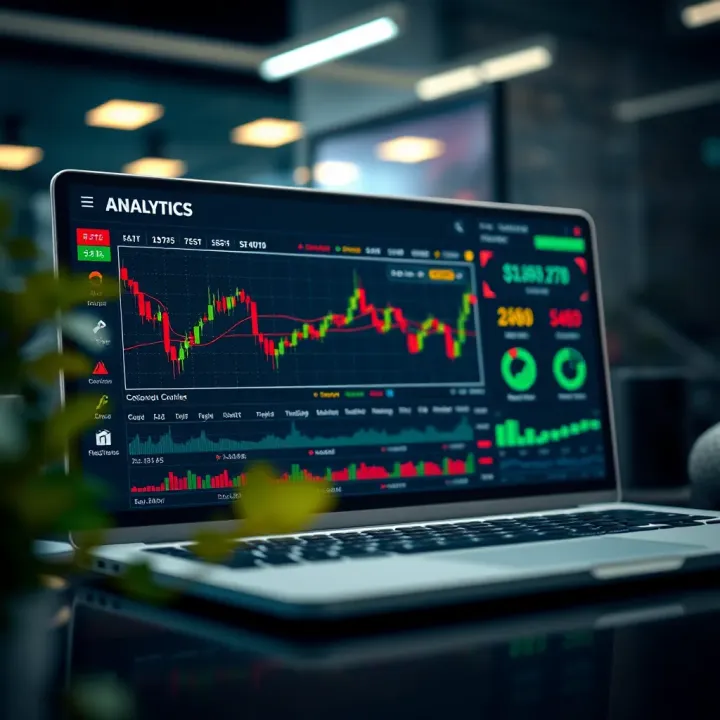
Discover the best forex trading software in South Africa! Learn about features, usability, security, costs, automation, and strategies to trade smarter. 📈💻
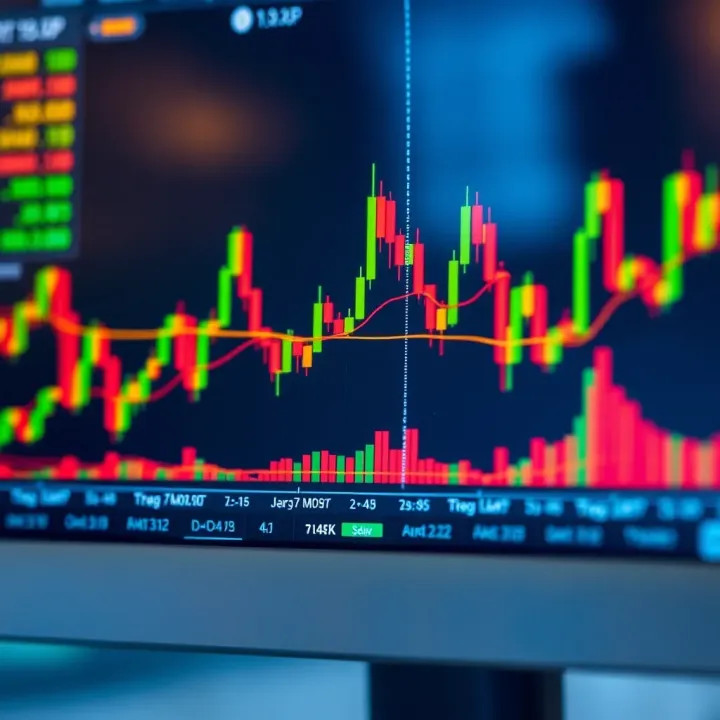
📈 Discover practical forex trading tips in easy-to-use PDF guides designed for South African traders. Boost your skills with strategy and risk management advice!
Based on 9 reviews